


Looking at D&D 5e again recently, I began to wonder if a balanced party is necessary for the game anymore. Arcane spellcasters are so powerful from the beginning that it seems like all they need is a couple of tanks to keep the beasties at bay long enough to blast them with some of those endless cantrips (keeping most high-level spells for bigger villains).
But regardless of what type of fantasy RPG you play–be it modern D&D, OSR, or something in between–you should as a DM consider rewarding parties that are a balanced mix of classes.
The way to reward balance is simply to provide encounters and situations where each class type gets to shine. But this sort of thing needs to be planned ahead of time. While it’s fun to challenge adventurers with situations they aren’t necessarily prepared for, it’s also great fun to give them moments when their secondary skills and traits provide the perfect solution.
Warriors
Fighters are good at combat, and there will likely be no shortage of combat in your adventures. But you may look at the skills and background of the characters and try to provide opportunities for a fighter to use them, so he or she can be of use in ways other than just fighting.
Paladins have various abilities beyond combat as well, so opportunities to use them to heal disease, detect evil, and so on are great moments of character. Giving a paladin a reason to charge his or her warhorse into a fray and break up bandits with a lance or–better still–joust another knight can make the difference between an interesting adventure and a favorite one. Consider as well giving a paladin a social encounter where his or her noble birth or reputation as a defender of right and good are helpful.
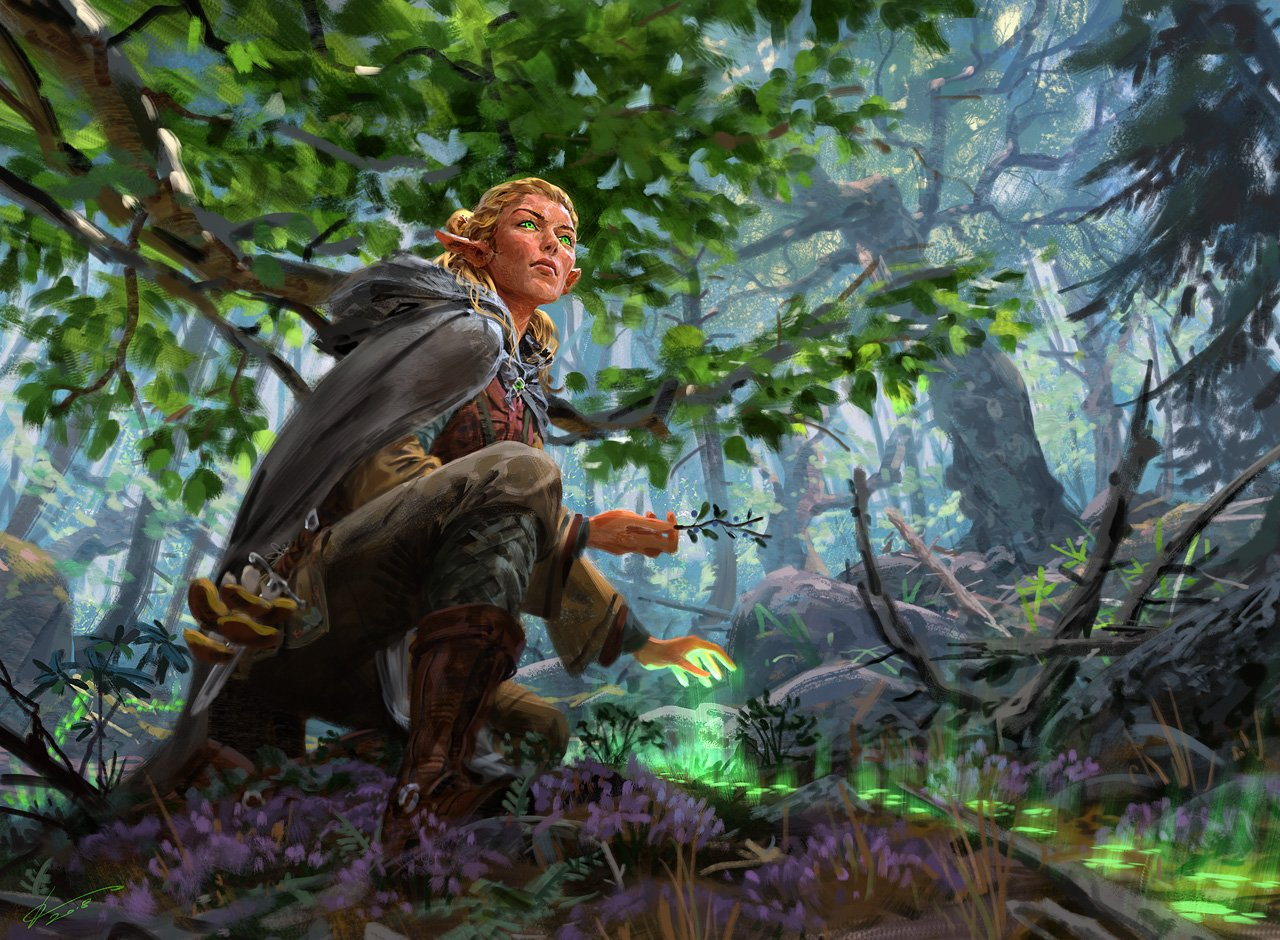
Rangers should be asked to find good paths thru rough terrain, track people and creatures thru wilderness, and make friends with beasts. An adventure that takes place entirely in a city or underground may not allow such characters to shine properly. If the ranger uses a bow, consider putting some enemies at medium and long range, so the ranger has a chance to show off.
Clerics
Clerics have obvious capabilities of healing and turning undead as well as engaging in melee combat. All those should be useful in most adventures, but their other abilities and background should be useful too. Clerics belong to orders that maintain abbeys or temples and such, so these could be a refuge at some point, and a high-level cleric of the same religion may welcome the company warmly due to the presence of a brother of the faith. And consider constructing situations where a cleric’s more neglected spells or religious lore can be of use.
Druids have many of the same abilities as clerics and can be thought of similarly, but they also have an affinity for nature that should be of particular use at times. Wilderness creatures, both intelligent and not, may be entreated to help–at least in terms of information–a company with a druid instead of flee or fight it. Or some bit of knowledge of nature can prove particularly helpful. Just having a bird flit down to perch on a druid’s shoulder or an NPC’s pet dog or cat or livestock show affection to the druid adds nice color.
Wizards
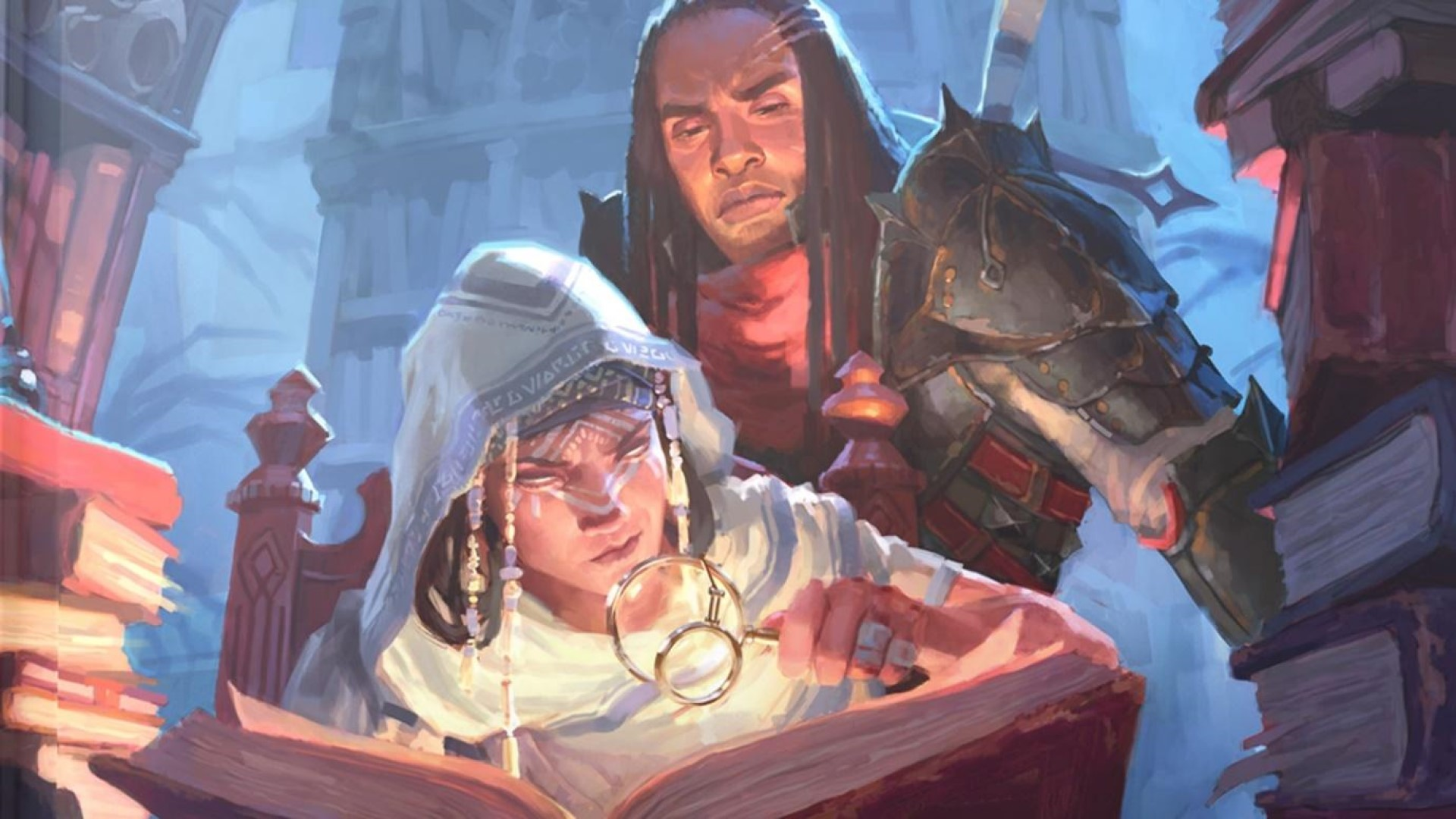
Mages spend most of their adventuring casting spells and cowering, but they also have skills and abilities like arcane lore and such that should prove useful. Strange sigils, ancient runes, and odd artifacts should often be known to such characters.
And wizards’ more unusual spells should prove useful as well. It’s easy to become complacent about using combat spells every adventuring day, but try to plan for utility spells have utility from time to time.
Rogues
Thieves have the most diverse skill set of all adventurers, and their usefulness on adventures should reflect it. While they may spend a good deal of time shooting arrows and trying to backstab opponents or using stealth and deception skills, make sure there are plenty of opportunities for them to use their abilities to find and disable traps, pick pockets and pouches, and such. Perhaps the character’s background can become helpful at times, as well.
Bards have a similarly diverse set of skills, but theirs includes musical and spellcasting abilities. Consider how these might spice up social encounters but also how they might be useful in solving a music-based puzzle or trap, for example. Also, consider the character’s background, and find ways to involve any contacts, rivals, and enemies in your adventures.
 zarban.com