

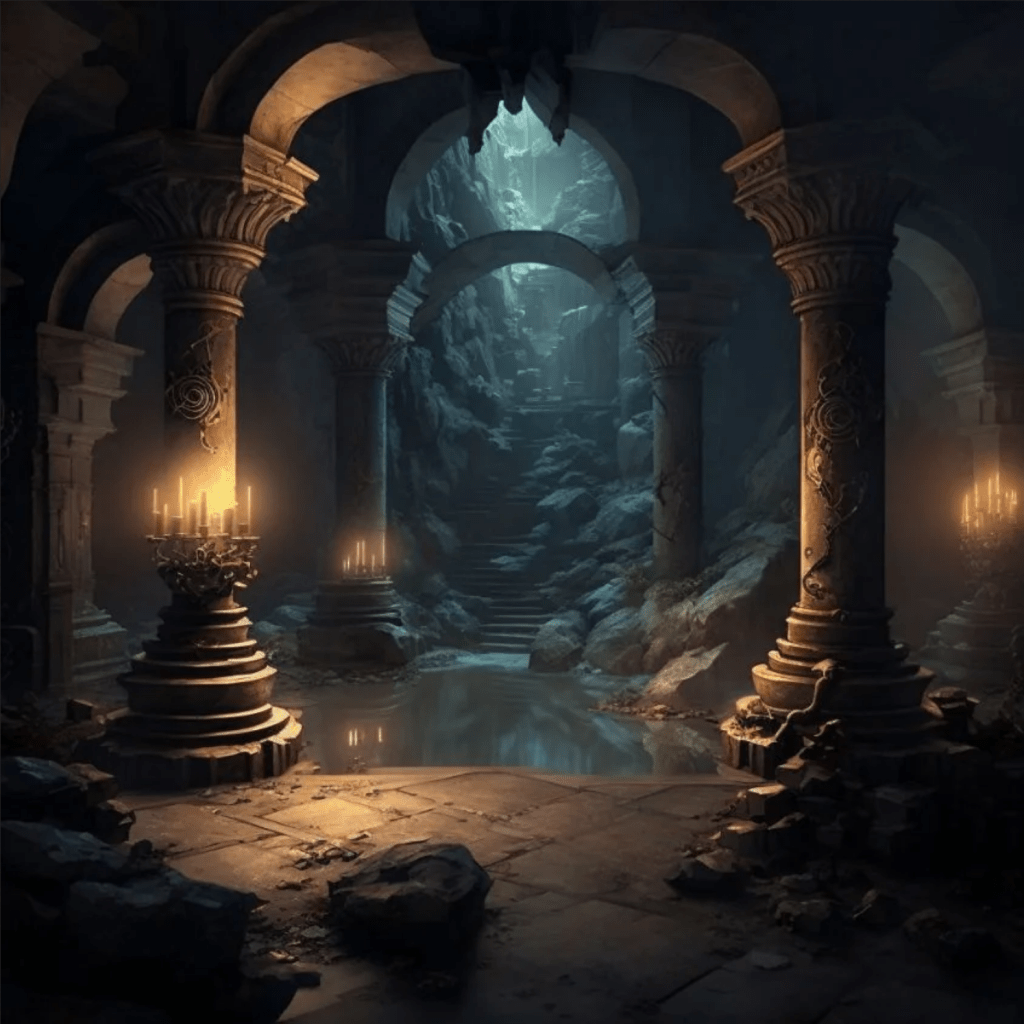
Perhaps you’ve never asked yourself why your D&D (or other fantasy RPG) campaign world is full of dungeons. But maybe you should. Deciding why dungeons exist (or why a given dungeon was built) can change the way you design it and populate it. Personally, I dislike the very idea of a random dungeon you roll up, but even I can admit that ancient structures are often not obvious in their purposes, and can feel very random.
What Qualifies as a Dungeon?
A “dungeon” can mean both an underground halls as well as surface buildings, but surface buildings are more self-explanatory: abandoned abbey, temple of evil, etc.
I disagree with those who say a dungeon can even be a wilderness adventure, with discreet locations acting like rooms. But either you make it clearings in a dense wilderness accessible by trails, or you make it separate locations accessible by any route you want to take. I feel like you lose both the flavor of wilderness adventures and the flavor of dungeons. It might be interesting, but it’s not a “dungeon” in any meaningful sense.
What follows aren’t mutually exclusive, of course, so almost any campaign could use any or all of them here and there.
Lairs of Tunneling Creatures
Goblins, kobolds, orcs, dwarves, and others just love digging tunnels and subterranean halls, and this region is particularly easy–and stable–to dig in. Sometimes the original owners abandon them, and new monsters move in. Even some fairly huge creatures, like umber hulks, bulettes, purple worms, and dragons can or do dig tunnels, also some prefer to find existing locations.
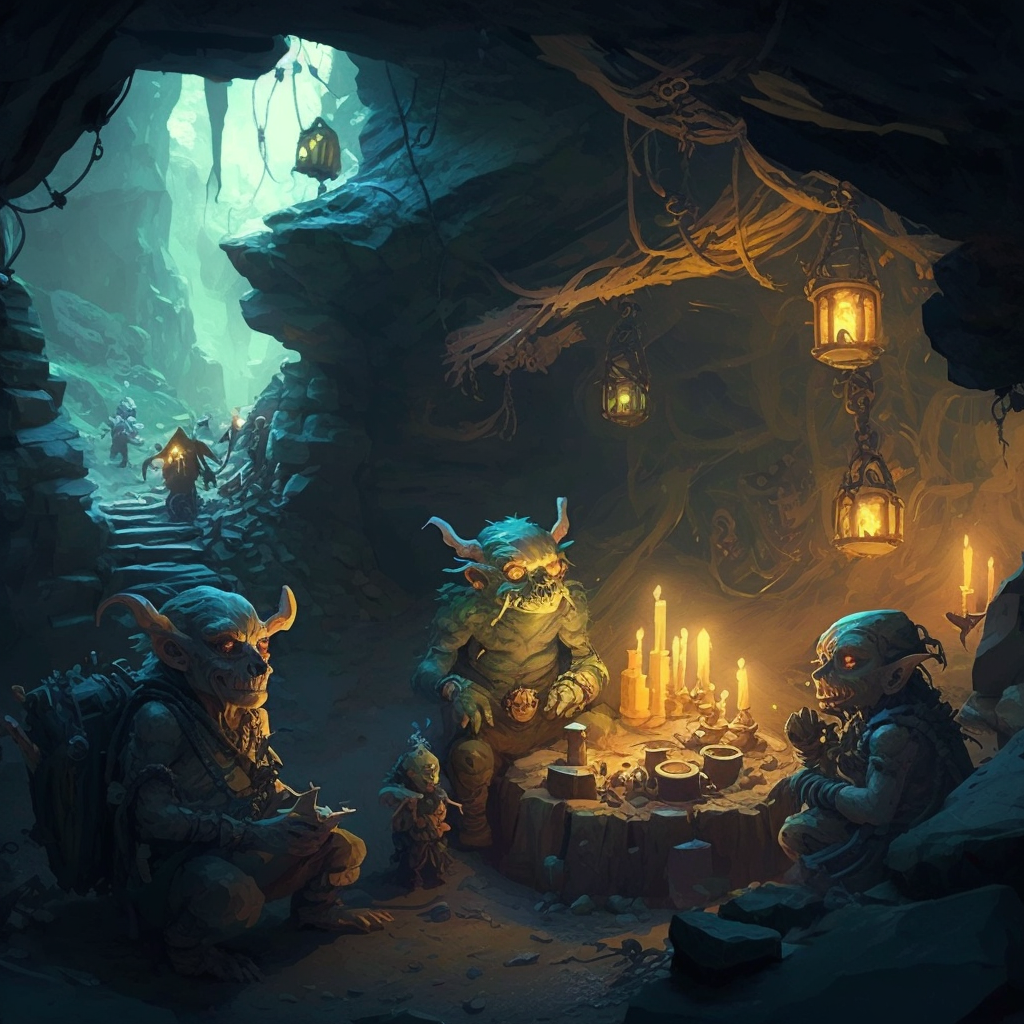
These dungeons are independent of any lost surface buildings, but some, especially those of dwarves and other civilized creatures, might include some surface buildings. More intelligent monsters, like orcs, might build a wooden stockade to allow them to defend themselves and create a kind of exterior camp, with the underground chambers as a sort of refuge from attack as well as the horrible, horrible light of the sun.
The nature of such dungeons differ by creator. Kobolds are primarily miners, and so follow the veins of ore, creating haphazard tunnels of fairly uniform size (uncomfortably small for humans). Goblins generally find natural caves and expand the natural passages and caverns, creating random tunnels of a minimum (goblin) size that are sometimes quite large and retain natural features, like stalactites on the ceiling–unless they’ve found an old purple worm tunnel to occupy. Hobgoblin tunnels are like goblins but larger and more uniform. Orcs tend to occupy and fortify ruins as camps and dig tunnels only as a defensive keep.
Lair of a Lunatic or Zealots
Of course, humans are creatures that sometimes love to tunnel, so a dungeon could have been dug or expanded by a mad sorceress and her servants or by a high priest and his followers.
Or it could be an old mountain fortress or monastery that they’ve taken root in. These are among the monster interesting dungeons, because they incorporate surface ruins with windows, porticoes, verandas, and wide terraces.

Such places would tend to have nice, regular corridors, large gathering halls, small private chambers, and very, very tricky treasure vaults, not to mention traps and patient guardians….
Remnants of the Old Empire
Centuries ago, the “Old Empire” conquered this land and built many villas, fortresses, temples, and monasteries. When the Old Empire collapsed, some were taken over by locals and became manors, castles, cities, churches, and abbeys, but many were abandoned. They were often wooden structures and so crumbled away, but their underground passages remained and became inhabited by monsters. Occasional stone buildings survive on the surface in secluded locales.
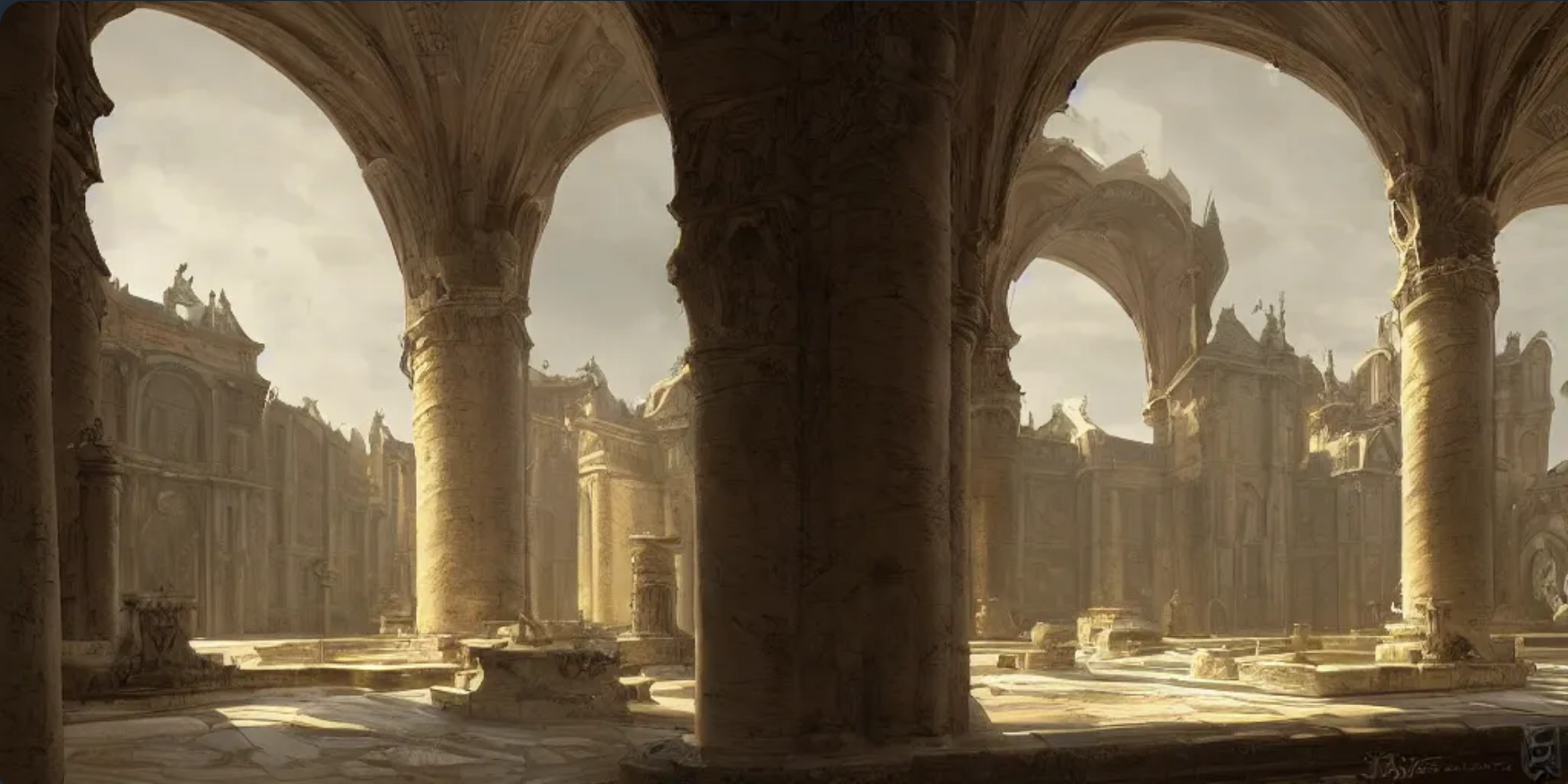
The “Old Empire” could, of course, be multiple kingdoms that have come and gone over centuries, and so ruins differ in style and size.
The surface buildings that remain would be particularly strange, overgrown, and often repurposed by nefarious cults, madmen, bandits, orcs, or hobgoblins.
The cellars might only be a handful of chambers, logically laid out. However, there also might be several of them in a small area, so either they might be inhabited by different creatures or they might have been linked together with some crude tunnels dug by their new inhabitants.
And there might be extensive catacombs, where the people of the Old Empire interred their dead, now inhabited by cultists and monsters… and a few restless imperial undead.
- Villa (usually unfortified)
- Army camp or hilltop fortress
- Mountain fortress or monastery
- Bridge with toll-collector cottage
- Town or city (usually unfortified)
- Monument or marker
- Arena, coliseum, or amphitheater
- Temple or shrine
- Library or school
- Coaching inn between towns
- Wall along a border, with periodic towers and gates
- Palace (unfortified)
- Mine, shipyard, mill, aqueduct
- City of the dead, mausoleum, catacombs
Remains of the Catastrophe
A few generations ago, a catastrophe struck the realm, killing a large part of the populace in one or many places. Many castles, towns, and villages were wiped out and abandoned. It might have been a plague, a barbarian invasion, a natural disaster, or a civil war that resulted in the slighting of fortified buildings.
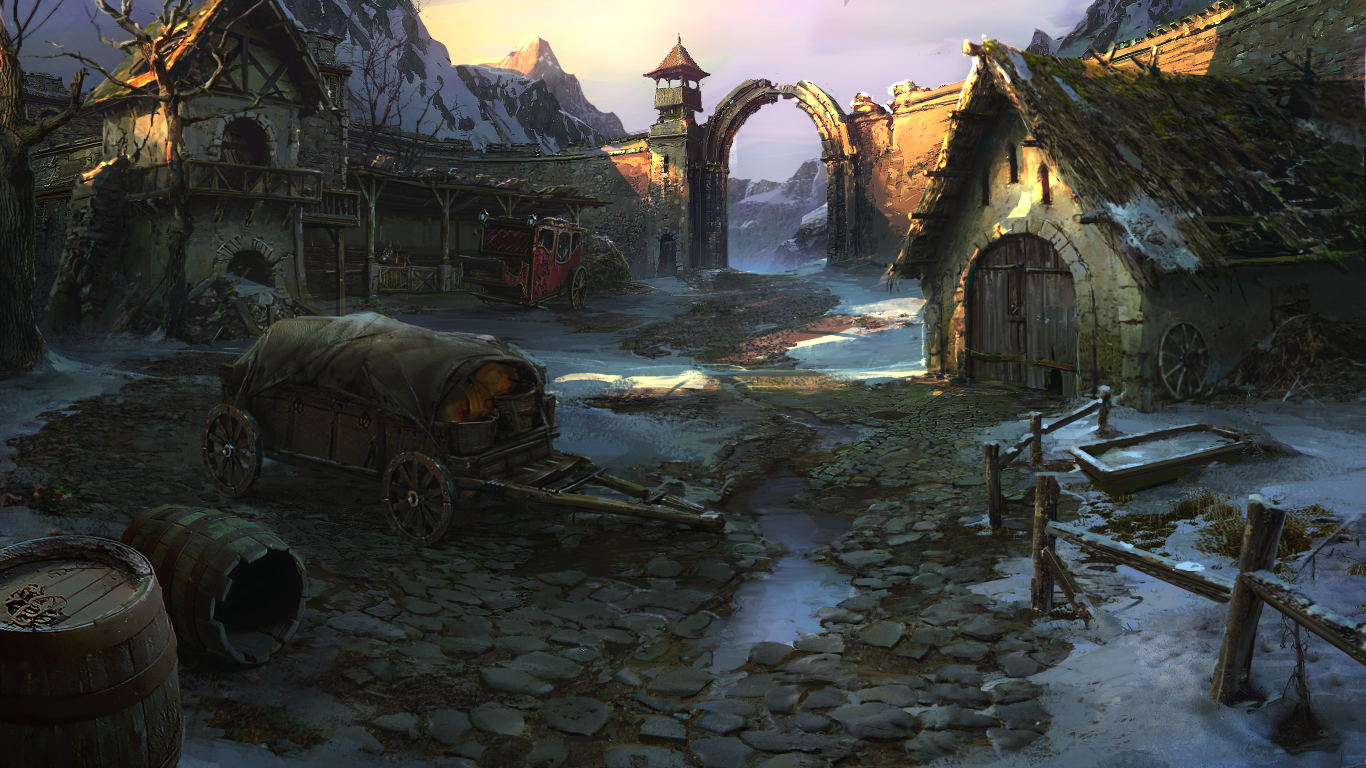
Sometimes, the surface stone was robbed away to build walls around remaining towns to keep out raiders and monsters. But often, there are surface structures haunted by different creatures than what have taken up residence below.
As with remnants of the Old Empire, underground dungeons of this sort would tend to be the remains of the cellars of surface buildings, but they can also be catacombs and prison dungeons. These are also more likely to include intact surface buildings, such as a lost-abbey-turned-temple-of-evil and a fortified manor hall house repurposed as a bandit hideout. And they are more likely to include lost treasure.
- Manor with village and fortified manor house
- Walled town or city
- Castle or tower
- Abbey or church
- Monastery
- Library or college
- Coaching inn between towns
- Palace (fortified)
- Bridge
- Barrow mounds or chambered cairn
- Hanging stones or standing stones
Abandoned Mines
This region is rich with ores of various kinds, and humans and dwarves dug many mines to extract various metals in remote locations. When the rich veins ran out, they struck camp and moved on to another location. Monsters soon crept in from the wilderness to inhabit the abandoned tunnels.

These dungeons might be quite extensive but would not follow a logical plan. Tunnels would branch off in odd angles where the miners just followed the veins of metal ore or domes of salt. Close to the surface, the miners would likely hollow out larger caverns as places to store tools and stage a delving into a new vein. Deeper down, the tunnels might be quite narrow and low and sometimes partly filled with water.
They would not, alas, have mine cars. Such technology is quite modern. Miners carried the ore themselves. People didn’t even use pit ponies until the 1700s, which is okay, because discovering evidence of pit ponies you couldn’t rescue would just be sad.
Creatures that tunnel might expand some of these, of course, to make them more livable.
Lost Tombs
Centuries ago, the civilized people of this region commonly dug tombs for their honored dead. Some are small and others quite extensive. Some may hold but one individual or family, but others may be crypts for hundreds and could include temples and ceremonial chambers.
- Barrow mound or chambered cairn
- Subterranean crypt or cave tomb
- Mausoleum or stone sepulcher
- Pyramid or ziggurat
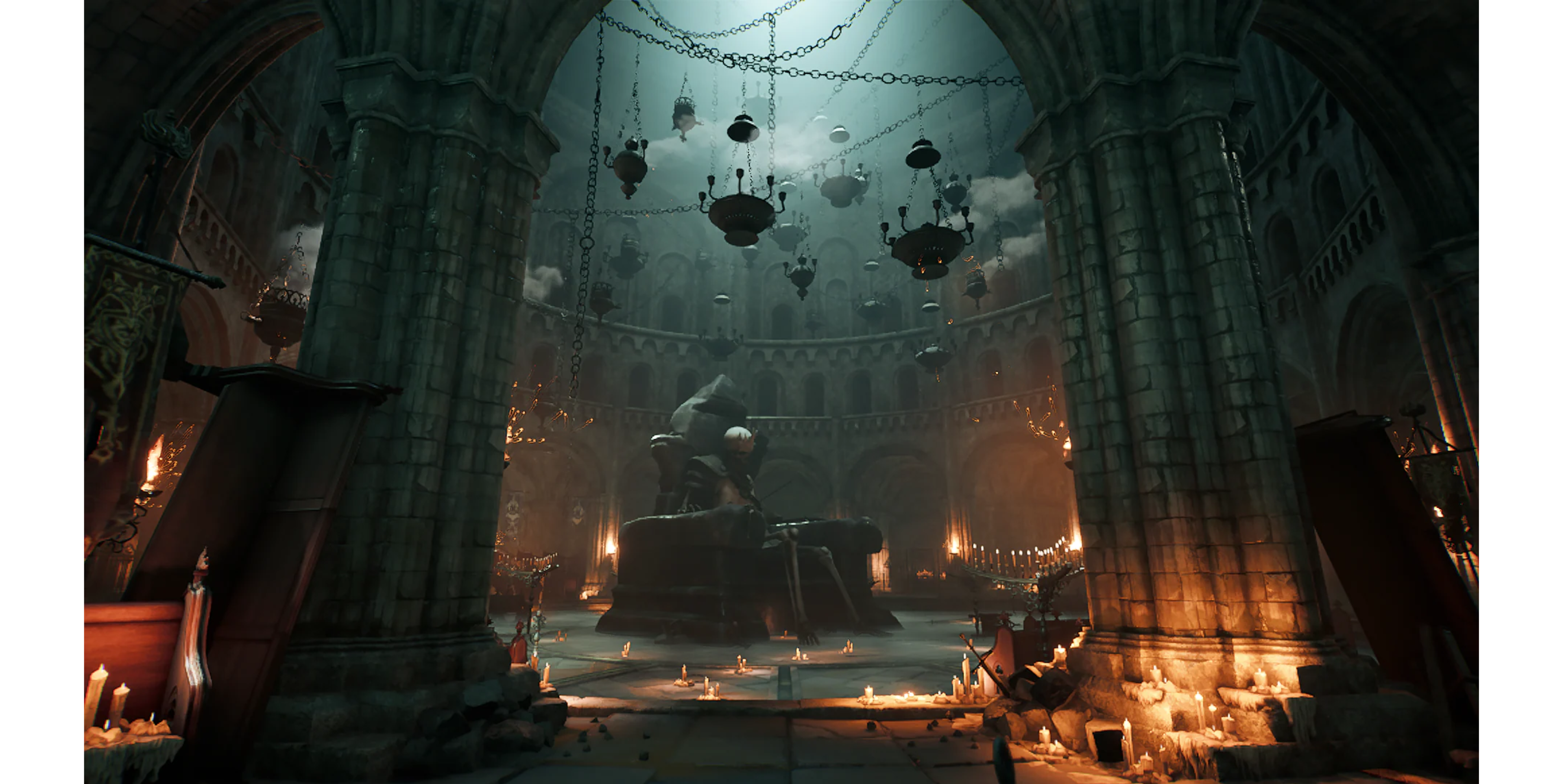
Altho sealed up, those in areas abandoned by mankind were eventually broken into and taken over by monsters or evil cultists. Sometimes the old grave goods remain–and sometimes guardians of the honored dead, as well, in the form of animated constructs and traps. And disturbing the dead may result in the dead themselves becoming restless….
Natural Caverns
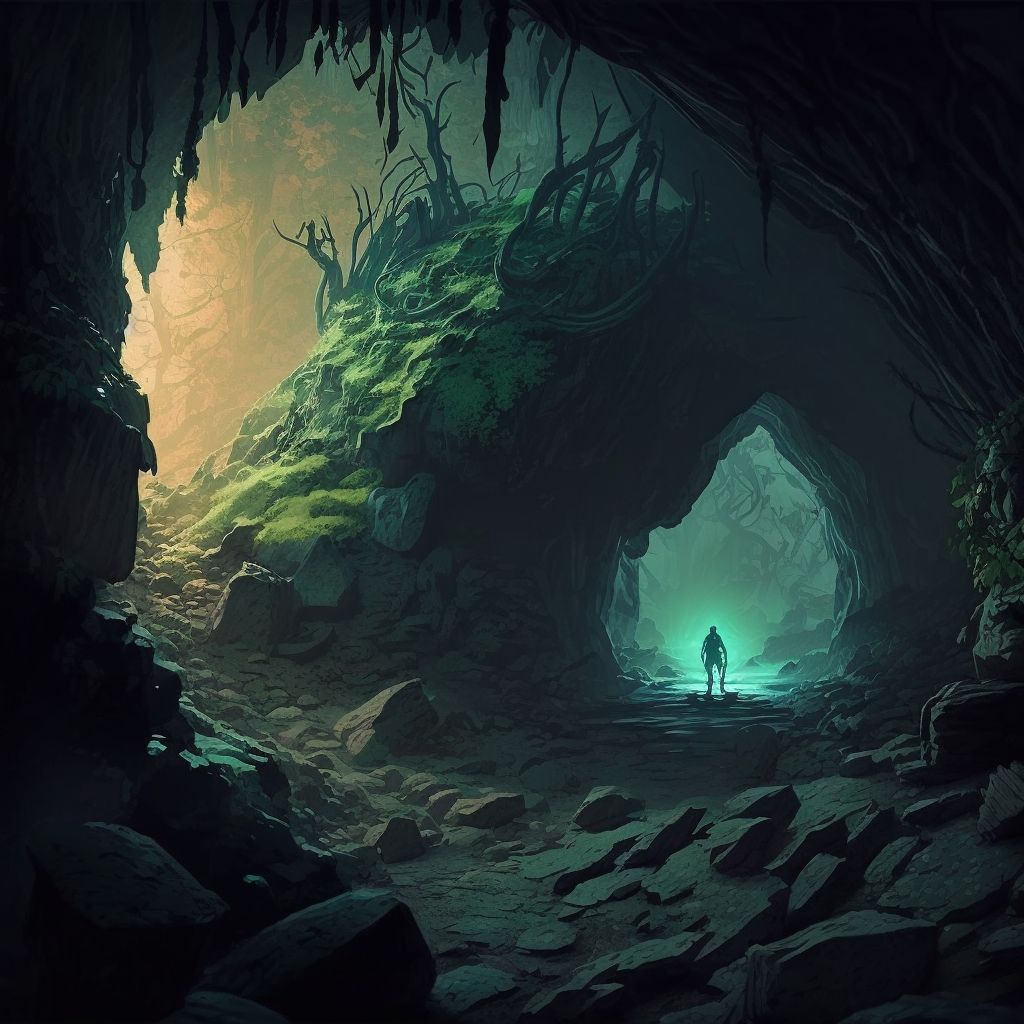
This region is rich with natural caverns that once sheltered ancient mankind as well as dreadful denizens of the darkness. These were often expanded to be more livable. Eventually, mankind left the caves to build proper buildings, and monsters moved in.
These dungeons would be similarly random and unplanned spaces, like the abandoned mines but would be more refined due to expansion efforts of the humans, dwarves, and perhaps halflings who once lived in them. Corridors would be made a bit more uniform; stairs would be carved into slopes, chambers would be somewhat squared up, etc.
Unnatural Caverns
Eldritch horrors of eons past tunneled their way to the surface as they spawned new generations. Each generation was a horrific new experiment in body parts and abilities, but gradually they separated into the different major types, whereupon like at last began to beget like.
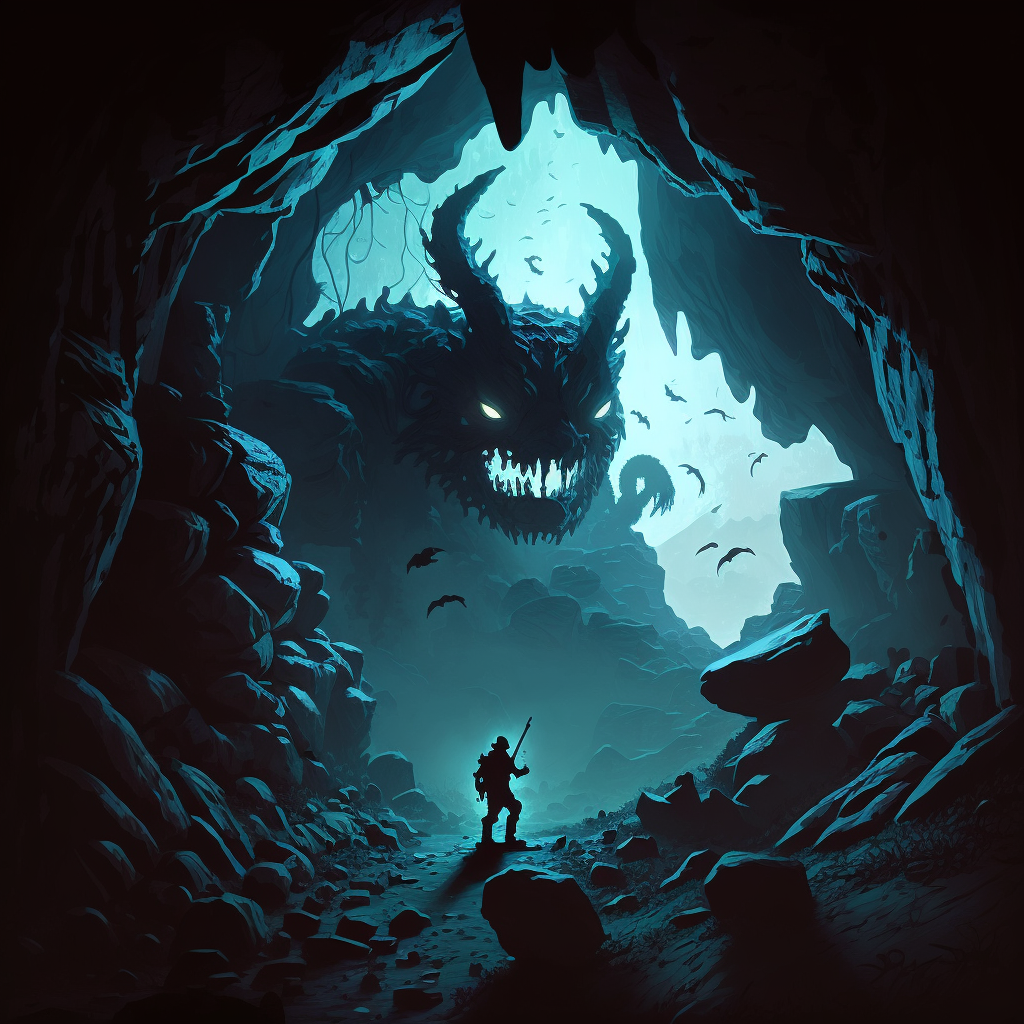
Or the underworld itself, the land of the dead and of demons, may connect to the surface world thru labyrinthine tunnels and caverns at once hidden, feared, and revered.
Either way, the tunnels that lead down to the bowels of the earth may start as natural caverns that were broken into by awful monsters or as particularly deep catacombs that broke into their unholy tunnels. They would be inhabited by some of the most bizarre monstrosities in the campaign setting.
Some of them could be deliberately dug out as fortifications to allow humans and/or dwarves to hold off an invasion (“up-vasion”?) of monsters from the darkest depths.
Wildly Unusual
- A natural cavern on the coast could be flooded and contain a shipwreck washed in from the sea, which the heroes must search. Getting to it would be an initial challenge, and exploring its rotting hulk would be another.
- The mummified corpse of a titan or leviathan could be a dungeon of sorts in itself. The heroes locate it in a desert and find creatures living inside.
- A curse shrinks the heroes to tiny size and trap them in a garden, forcing them to fight insects, which now seem gigantic.
- A flood could turn the heroes’ own home city into a waist-deep watery dungeon suddenly crawling with sharks and sea monsters.
 zarban.com