

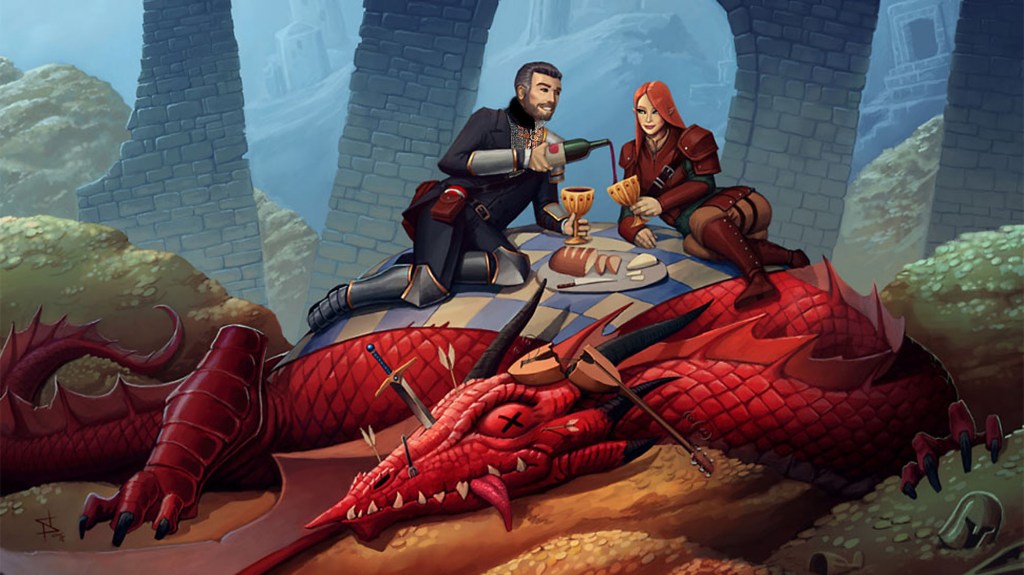
It is curious the old-school D&D and OSR (old-school Renaissance) games inspired by it rarely address social class. It was the backbone of the feudal system, after all. Many campaigns feature freemen and nobles and nothing in between (or below). But you should make your heroes gentlemen and gentlewomen.
Specifically, the player characters should mostly be of untitled landed gentry status. This puts them a cut above the rabble in social situations, making officials, gentlemen, knights, and even lords willing to meet with them and treat them as worthy of listening to in situations where commoners would be ignored.
Generally, a historically realistic (if simplified) class system would like like this:
- Royals at the top, of course, and include monarchs and their children.
- Nobles, such as barons and earls and their spouses. (Their children hold courtesy titles of “lord” or “lady”.)
- Gentry, who were the bottom rank of the aristocracy. Gentlemen and gentlewomen passed down their rank to their children. If you possess land, you are considered a lord of the manor. If you don’t, you become a knight or join the clergy, or maybe become a sea captain.
- Knights, who did not pass down their rank to their children, could be of any social rank, but always outranked commoners. They were universally trained in manual combat.
- Yeomen, who were commoners of some rank because they possessed some land, usually as a result of a forebear serving some noble or the king, perhaps as a knight. They were typically trained as archers.
- Townsfolk, including merchants and craftsmen, were free townsfolk called burghers. They were typically trained as medium footmen for war.
- Peasants were rural freemen. They were typically trained as light footmen for war.
- Serfs were rural workers attached to the land and having few (but some) rights.

Most PCs should be the children of landed gentry (a lord of the manor), especially the second or third child unlikely to inherit and so needing to make their own way in the world. Some could be the children of a knight. Either would give them their starting money and a decent education, so they would be able to read and speak a couple of languages. But the family would not be rich, so the heroes would be expected to make their own fortunes.
If a warrior, they might carry the family coat of arms with a mark of cadency (a small design in the middle of the shield to distinguish yourself from other relatives carrying the same arms). But they could also be wizards or clerics–all the better not to compete with the heir apparent, who would surely be in training for knighthood. One might even be a roguish servant/advisor to another lord or a baron, which might amount to being a gentleman spy.
However, a gentleman is as a gentleman does, and even in the early days, being a gentleman was as much about being independently wealthy as it was about your parentage. A person could slip out of the gentry by marrying a commoner and/or engaging in commerce, while a wealthy commoner could finagle his way into the gentry, if he was socially important (especially if he bought land and passed down his business). This is therefore a perfect rank for most adventurers to be placed in.
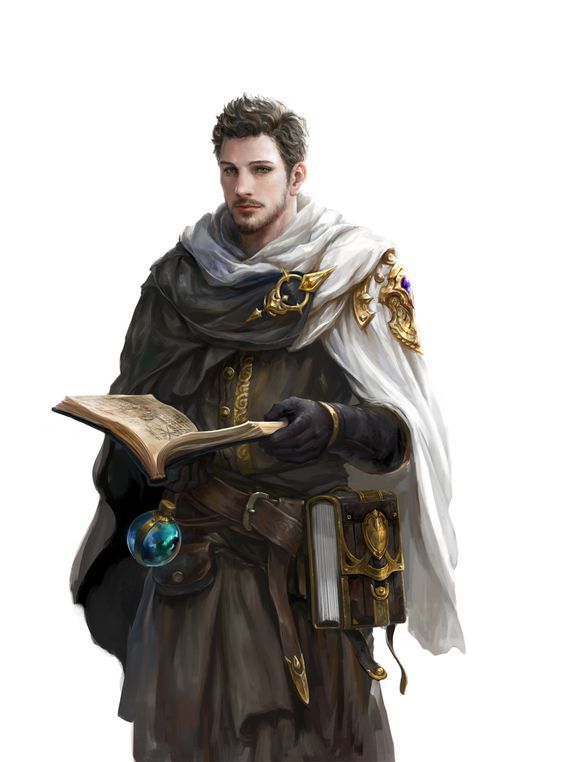
Some characters, particularly rangers and druids, make more sense as being of yeoman stock. Others could be the children of merchants. Rogues could be gentlemen or mere townsfolk.
It makes little sense for a player character to be a peasant or serf. They had little money, education, or training in anything but field labor, herding, or perhaps roof thatching and were rarely free to travel. However, most barbarians would be considered peasants, but foreign ones.
| Class | Likely Social Rank |
|---|---|
| Fighter | Gentry or perhaps townsfolk or yeoman |
| Paladin | Gentry or noble |
| Ranger | Gentry or yeoman |
| Mage | Gentry or townsfolk (merchant) |
| Cleric | Gentry or perhaps townsfolk or yeoman |
| Druid | Yeoman or gentry |
| Monk | Gentry, yeoman, townsfolk, or peasant |
| Thief | Townsfolk (merchant or tradesman) or gentry (especially if a spy) |
| Bard | Gentry or townsfolk (merchant) or perhaps yeoman |
| Barbarian | Peasant or yeoman, but usually an outlander |
Social Elevation
As part of the awards a character can get as they advance, you can elevate them in the social structure.
- Introduce knighthood for warriors at 4th or 5th level. A character can be made a knight-errant (a landless wandering adventurer) or given a fiefdom (a single manor for low-level domain play).
- Offer arcane spellcasters a master of arts in the sorcery guild.
- Offer divine spellcasters elevation to deacon in a church, abbot in an abbey, or chaplain (“personal prelate” responsible for an organization, like a company of adventurers).
- Offer druids elevation to “seer” or “full druid” status.
- For rogues, offer them a position as spy for a noble, court official, or merchant.
All these would provide great opportunities for role-playing and more medieval flavor.
 zarban.com