


I made a few of these to help people build a campaign setting quickly. You just need to answer a few questions…. or at least roll some d6s. Some of the answers could be used together, but some are mutually exclusive. Ancience is inspired by 17th-century France and Netherlands, but without firearms.
Based on a very old post by Jeff Rients.
What is this realm and where do we start?
This is the Royalty of Ancience [AHN-see-AHNSS], where the Faith Duotique [FAYT(h) doo-ah-TEEK] holds sway. Fine paved roads built over the last century connect the major cities. Sorcery is hidden and less developed (spells are +1 level higher, and the lowest level spells are mere tricks). Nobles are often powerful paladins and/or have powerful clerics in their personal chapels.
Across many realms, the learned speak old Ancien and its descendant, Courant, but the common folk speak only Courant (which is rather like French). In the vassal territory of Boutony province, Bouton barbarians still speak Boutonic. Neighboring realms include Soncliterre and Amaniterre (both Boutonic, but civilized), and Hesmania and Ycalonia (both Ancienic).
Most of you grew up in and around the city of Amierre [AH-mee-AIR], in the county of Championne [SHAM-pee-ohn] in the royal duchy of Royce. You always dreamed of one day crossing the River Meinia [MAYN-ya] and visiting the capital, Filence [fee-LAHNSS], famed for its arts and architecture.

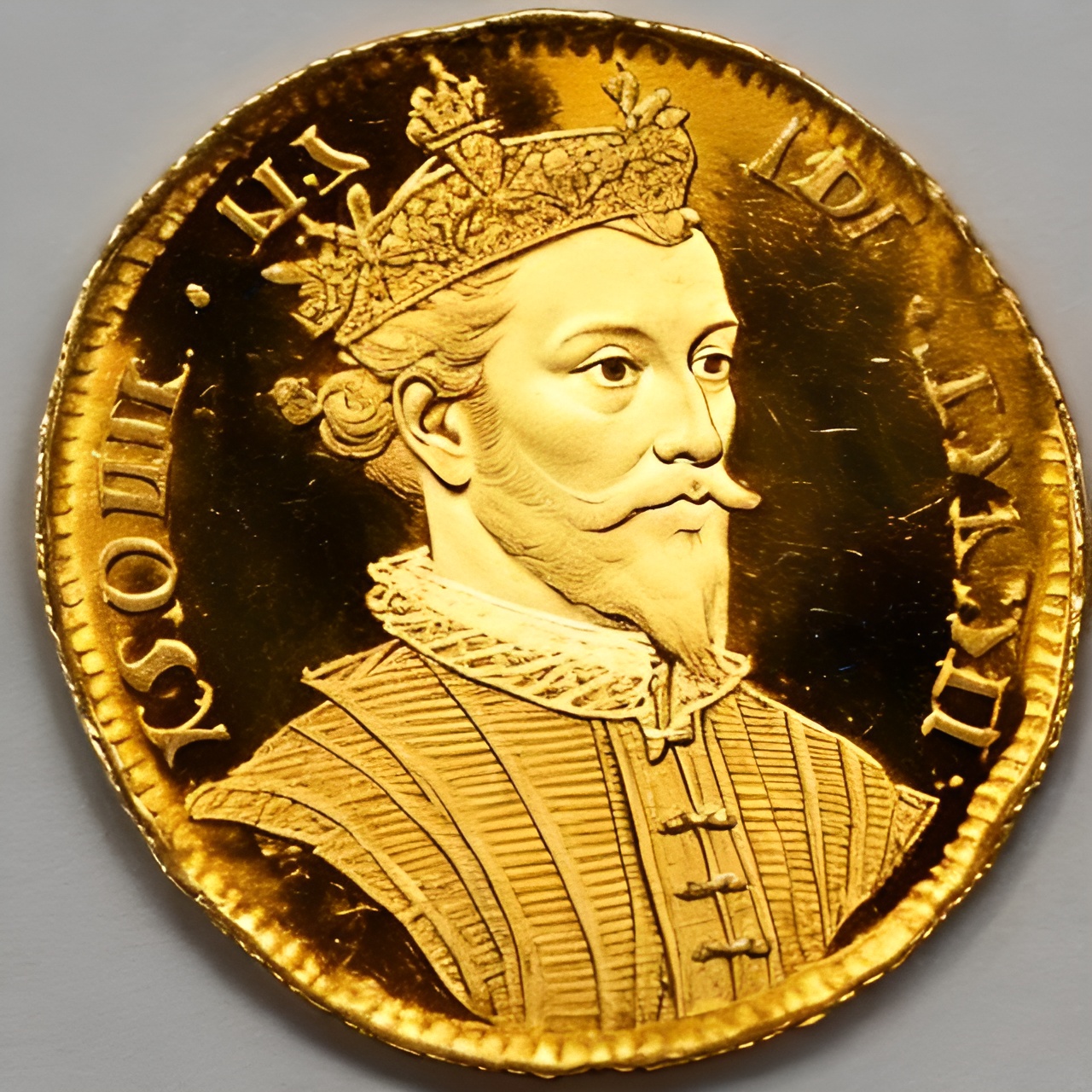
Where Do we buy equipment? And with what?
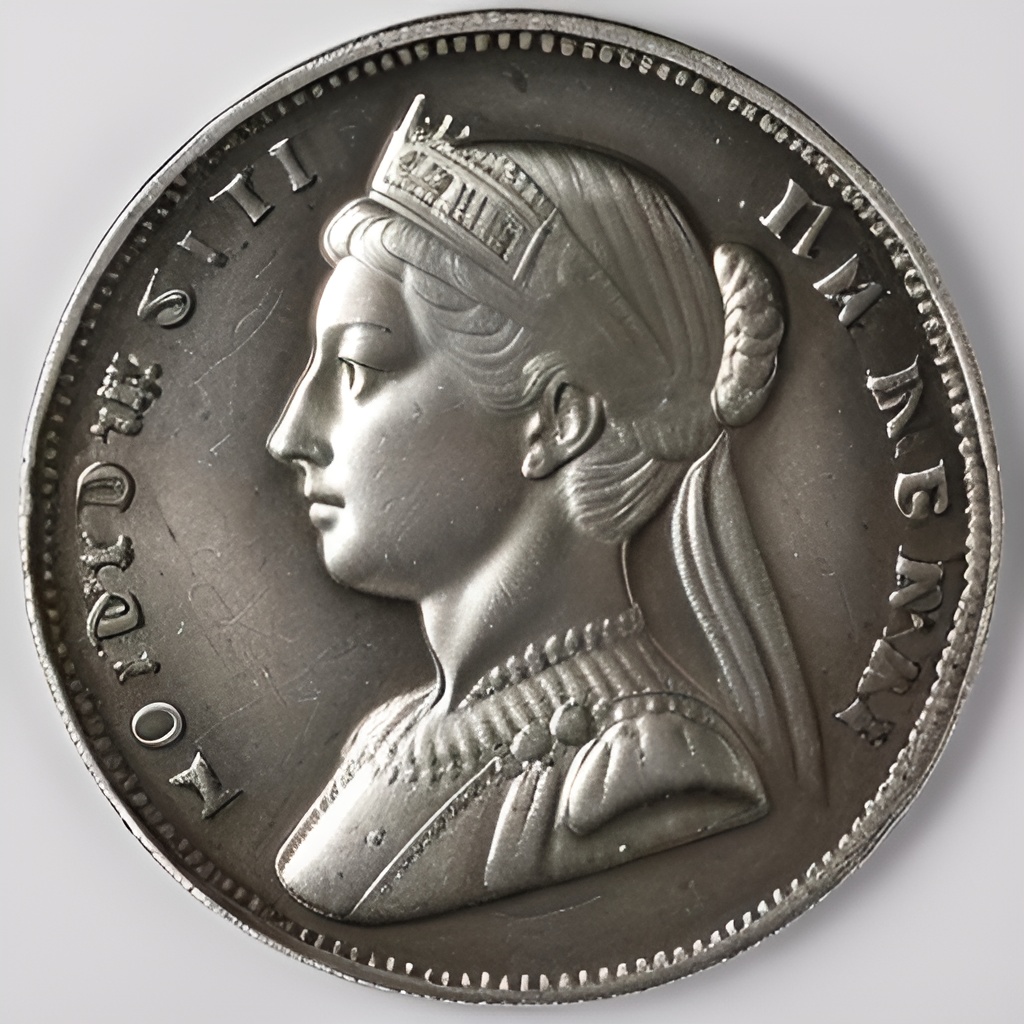
The coins of the realm are silver d’argents [dahr-ZHAWNTS] and gold d’oros [DOHR-ohz]. However, old silver anno and gold decado coins often found in ruins are virtually identical to the current coins in size and weight, tho cruder in design.
- The public square of any market town on market day.
- The public square of the city of Amierre on all but holidays.
- The Place de Commerce of the capital city of Filence on any day but holidays.
- The Saints’ Day festival in any town or city in the fall.
- The storehouse ship of Zin Tuzay, whenever he is in port.
- The Equoran Caravan, wherever it roams. It is run by an odd tribe of old Ancien nomads who refuse to recognize the royalle. They speak old Ancien.
Where can we get custom armor?
- Filence has expert armorers. Visit their shops on any day. The experience will take time, so order before one adventure and pick it up before the next.
- Amierre has very capable smiths.
- Borjou can provide foreign armorers who specialize in hides.
- Vistamonte, in the mountains, has the great dwarven armorers.
- Belzac, hidden in the Border Forest, has the finest barbarian smiths.
- Place of Leaves, pastoral town in the south, is the source of good elven armor, when winter weather keeps them indoors.
Whom are we going to meet and get to know?
Note: Names are personal and familial, such as Dimon Balinet, but nobles are known by their lands, such as (lord) Dimon de Vervienne. Sieur [SYIR] or Dam [DAHM] is used of any of knight (Sieur Dimon Balinet), frer [FRAIR] (m) or sor [SOHR] (f) of any cleric, and monseinieur [mon-SAIN-yur] or monseinieuse [mon-SAIN-yuz] is used of church officials (Monseinieur Dimon Balinet), then patriarch/matriarch, then cardinal.
- Riche Robeir, the mayor of Amierre, who juggles his duties and the demands of the church with aplomb.
- Sor Gillian, the alchemist, who makes healing potions–and only healing potions.
- Tomaset de Faforet, the Elven sage in the elven forest near Amierre, who knows so much about so many topics, but especially the Old Kingdom.
- Sieur Hou de Montein, who trains warriors.
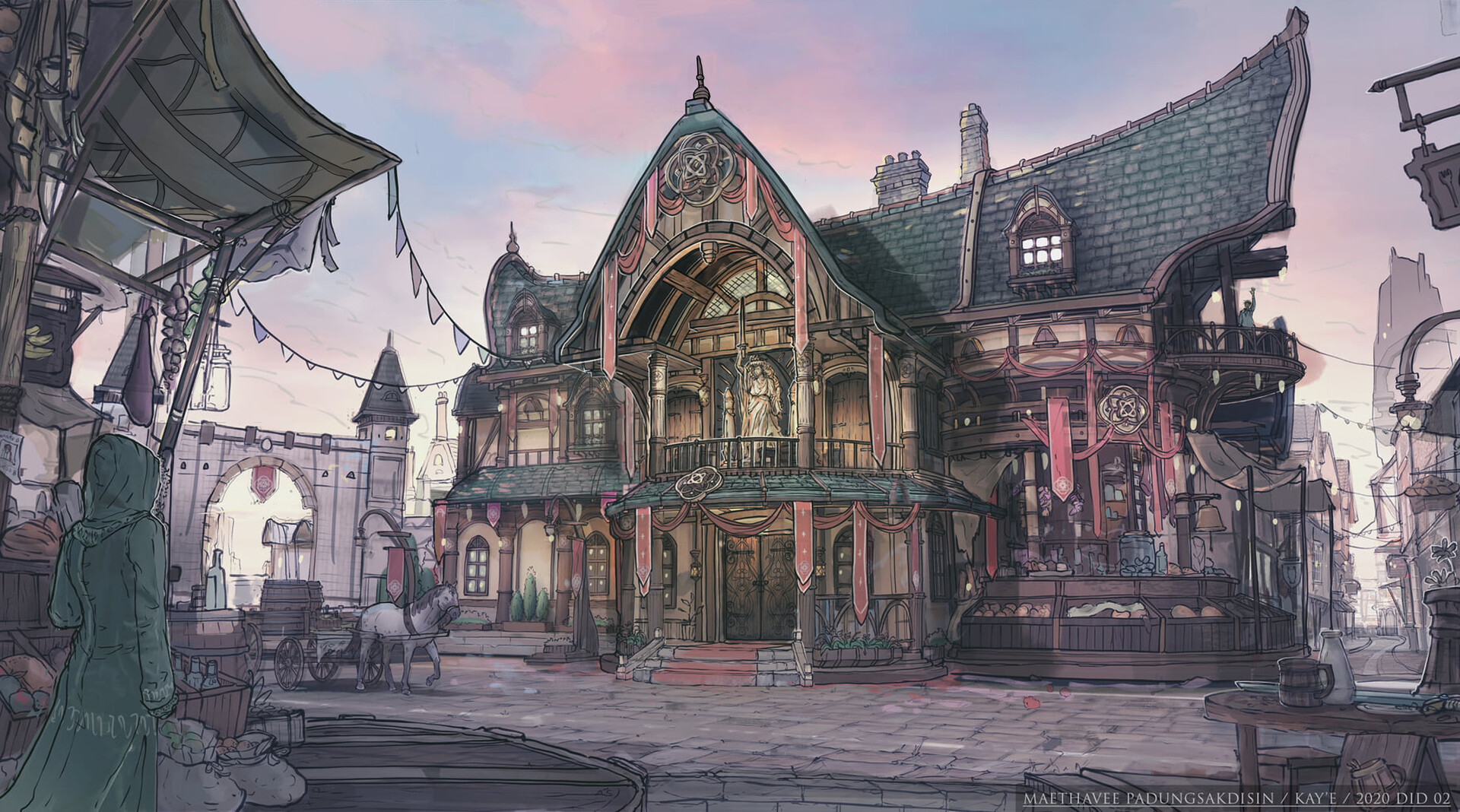
- Polo Grinoble, who runs the local tavern, the Gray Monk.
- Monseigneur Vinnier Laudou, a pleasant healer who runs a church in Amierre.
What is the nearest tavern like?
- The Gray Monk is known for its adventurers.
- The Basilisk is known for its wines and food.
- The Ship’s Jack is known for its bards.
- The Saint Bouier is known for its foreign clientele and food.
- The Saint Unia is known for its female clientele.
- The Rose & Circlet is known for its discretion and food.
What is there to eat around here?
- A bowl of boiled fava beans and carrots with chunks of bacon.
- Pork sausage flavored with nutmeg or cloves, with brown bread and hard cheese.
- Spit-roasted mutton on a bread trencher with fava beans and leeks.
- Cabbage soup with giant tortoise from the far-off islands and soft cheese.
- A feast of peacock, swan, or–if it’s available–owlbear, with pears stewed in wine.
- On holy days, eel, mackerel, or cod fish with bread and eggs.
What is my cleric’s religion?
Since the fall of the Equoran Kingdom and its tolerance for sorcery, the Duotic church (Faith Duotique) is dominant. The Castrican Palace (the seat of church power) teaches awe and fear of the entwined duality of holy spirits (which grant talent, inspiration, and luck) and evil spirits (which cause disease, temptation, and misfortune). It has no gods but many saints (powerful holy spirits). They denounce those who worship demons (powerful evil spirits) and/or practice “witchcraft” (arcane magic).
- A cleric, who travels the land to protect others from harm.
- A paladin (an actual paladin class or a fighter/cleric), who travels the land to destroy evil.
- A monk (cleric class), who has left a monastery on a task or quest.
- A priest, who serves a certain town and the villages around it.
- A druid, who seeks a natural balance of selflessness and selfishness.
- A foreign cleric, practicing his or her own faith in secret.
Where can we get disease cured, curses lifted, and the occasional resurrection?
Any city will have a church where healing and other services of mercy can be had for a donation to the church. The hierarchy is cleric < monseinieur/monseinieuse < patriarch/matriarch < cardinal.
- Monseinieuse Grielle of Amierre, who has a soft spot for common folk, but her superior, Patriarch Eugo [YU-goh], does not.
- Patriarch Bouron of Siparre, whose assistant Roymain has an endless list of needs for those who can’t pay their exorbitant prices.
- Paladin Dam Phanielle of Gienne, who is often away on adventures.
- Patriarch Durac of Trimoge, who is troubled by many tribes of orcs.
- Cardinal Yvanne [ih-VAN] of Coine, who sees only the upper echelon of society, and you are unlikely to get to see even her assistant Matriarch Philoberta or her assistant Monseinieur Parre Vilonia.
- Ganiesteau [gan-YES-toh] the druid, if you can find him in the wilderness and are willing to embark on a quest.
Where did all these dungeons come from?
- This region is rich with natural caverns, and vile creatures have always lurked in them.
- Goblins and hobgoblins love digging tunnels, and this region is soft rock and stable to dig in. When the creators abandon them, others move in.
- Generations ago, the Plague of Holy Blood struck the realm, and the folk of many castles, towns, and villages were wiped out and the buildings abandoned.
- Remnants of the old Equoran Kingdom remain in the cities and the countryside, but palaces have been converted to cathedrals and old fortresses to monasteries, while “witch towers” and temples to the old gods were left in ruins.
- The catacombs under every major city sometimes require attention.
- Even older than those of the Equoran Kingdom are the ruins of ancient Boutonic structures with tunnels used as keeps instead of towers, as well as that culture’s large, extensive barrow mounds.
Who is the most powerful person in the land?
Towns and cities are run by a mayor elected by the bourgeoisie (townsfolk) from among the council. Above them are cavaliers and ordinary clergy, then seinieurs (lords) and monseinieurs, and the nobles (counts, dukes, patriarchs, and cardinals). Above them sits the royalle (king/queen). Many seinieurs and counts do not posses much land but rather serve as courtiers in the royal court or church court.
- Royalle Giorce and his wife, Ann-Varie.
- Royalle Giorce the Weak, who suffers from ill health.
- Royalle Giorce the Mad, who suffers bouts of madness and cruelty.
- Royalle Ann-Varie and her husband, Prince Giorce, the prince consort.
- The Virgin Royalle Ann-Varie.
- Cardinal Sarticiere de Coine, high priest of the realm and the power behind the throne in Filence, destined for sainthood… once someone assassinates him.
Who is the greatest warrior in the realm?
- Monseinieur Charl d’Agiulen [SHARL DAH-zhu-lawn], paladin champion of Cardinal Sarticiere.
- Prince Verberr, son of the sovereign and heir to the throne.
- Princess Antoinette, daughter of the sovereign and second in line to the throne.
- Sieur Ludo Greathall, dwarven hero of Gouver.
- Sieur Doric Longspear, foreign champion of the underage Duchess of Leccania.
- Sieur Gayard du Bois, champion cavalier of the elves.

Who is the mightiest wizard in the realm?
- Thorisinus de Monthaut [mon-TOE], the outlaw sorcerer, whose castle keeps him safe from the church… for now.
- Lilliana Vericlar, Green Witch of the Wilderness, who eludes the church.
- Someone very close to the royal household, whose identity remains a secret.
- Someone high in the church hierarchy, whose divine magic is weak but who substitutes sorcery to seem powerful in holy magic.
- The lich Angievin Horromun, who is said to rule over part of the Great Catacombs under Filence itself and has a legitimate claim to the throne.
- The foreign witch-pirate Brinta Hollyberry, the elf who repeatedly crosses the sea to vex the church then retreats to her foreign haven.
Is there a magic guild? Where can I find an alchemist, sage, or other expert?
There are no magic guilds or schools in the realm. A sage is a cleric who studies history, legend, divine magic, and witchcraft. An apothecary is a layman who mixes up salves and rat poison and varnishes. An alchemist is a cleric who creates and sells healing potions.
- Monseinieuse Santei-Varie Domialle [SAHN-tay var-EE doh-mee-AHL], a knowledgeable sage of Amierre.
- Monseinieur Colono di Parco, an eccentric foreign transplant and sage of Amierre.
- Monseinieur Santei-Bouier Gravion, a sage of Siparre.
- Monseinieuse Astriel Doyenne [dwoy-YEN], elven sage of Leccania, who knows much about the Equoran kingdom.
- Gambarre Senciante, sage of Siparre, excommunicated for sorcery.
- Ganiesteau [gan-yes-TOH] the druid, if you can find him in the wilderness and are willing to embark on a quest.
Where can I hire mercenaries?
- From among the mercenary companies of the Duke of Leccania.
- Siparre, if you catch up with Tomasse de Conduvin, the procurer.
- Bateaux [ba-TOE], on the coast, where eastern foreigners enter.
- In any city and even some market towns, if you’re not too picky about quality.
- In the rougher parts of Filence, if you’re discreet.
- Try the Bouton barbarians of the Massif Plateau–the wild southern highlands.
Is there any place in the realm where magic is outlawed or any other notable Legal hassles?
The law is upheld by professional watchmen under the local constable and by royal bailiffs appointed by the royalle, who are mid-level clerics.
- The gates of towns and cities are closed locked soon after sundown. And any about after the linkboys have gone to bed are arrested and held until morning.
- You cannot carry weapons on the grounds of any church or court.
- Sorcery is frowned upon, and use of it that endangers innocents is grounds for excommunication but not outlawry.
- Injurious sorcery is outlawed in villages, towns, and cities.
- Any sorcery that could be dangerous is outlawed thruout the realm, except in Rouvon in Nordania–which was excommunicated after a riot burned down the cathedral of an overbearing bishop and continues to be at odds with the church.
- All arcane magic is considered evil witchcraft.
What monsters are terrorizing the countryside?
Humanoid monsters live in tight clans, which have their own traditions, but all eat people. Dragons come in many colors, but all breathe fire.
- Orcs
- Ogres
- Trolls
- Dragons, specifically Carnoticia Rouge and Ventigast Noir
- Werewolves, particularly among the Bouton nomads
- Undead, in secluded locales

What are some points of interest?
- The fabulous Castrican Palace in Filence, where Cardinal Sarticiere de Coine lives, next to Cathedral Perfecta, from which he rules and issues Castrican bulls.
- The changing of the guard at the Palace Royal in Filence, where giant-panther knights trade off with giant-bear knights.
- The dark county of Hakkalheim on the border of Amaniterre, where Count Hakkal rules with an iron fist, dark witchcraft is feared, and undead find harbor.
- The Tomb of Saint Evanoise [eh-van-WAHZ], the former cardinal, the greatest saint in the last century and considered the most beautiful woman in the known world and was therefore given the most beautiful tomb in known world.
- The river pass of Doricanum, where ancient figures over 100 feet tall, carved from the cliffs, flank the river.
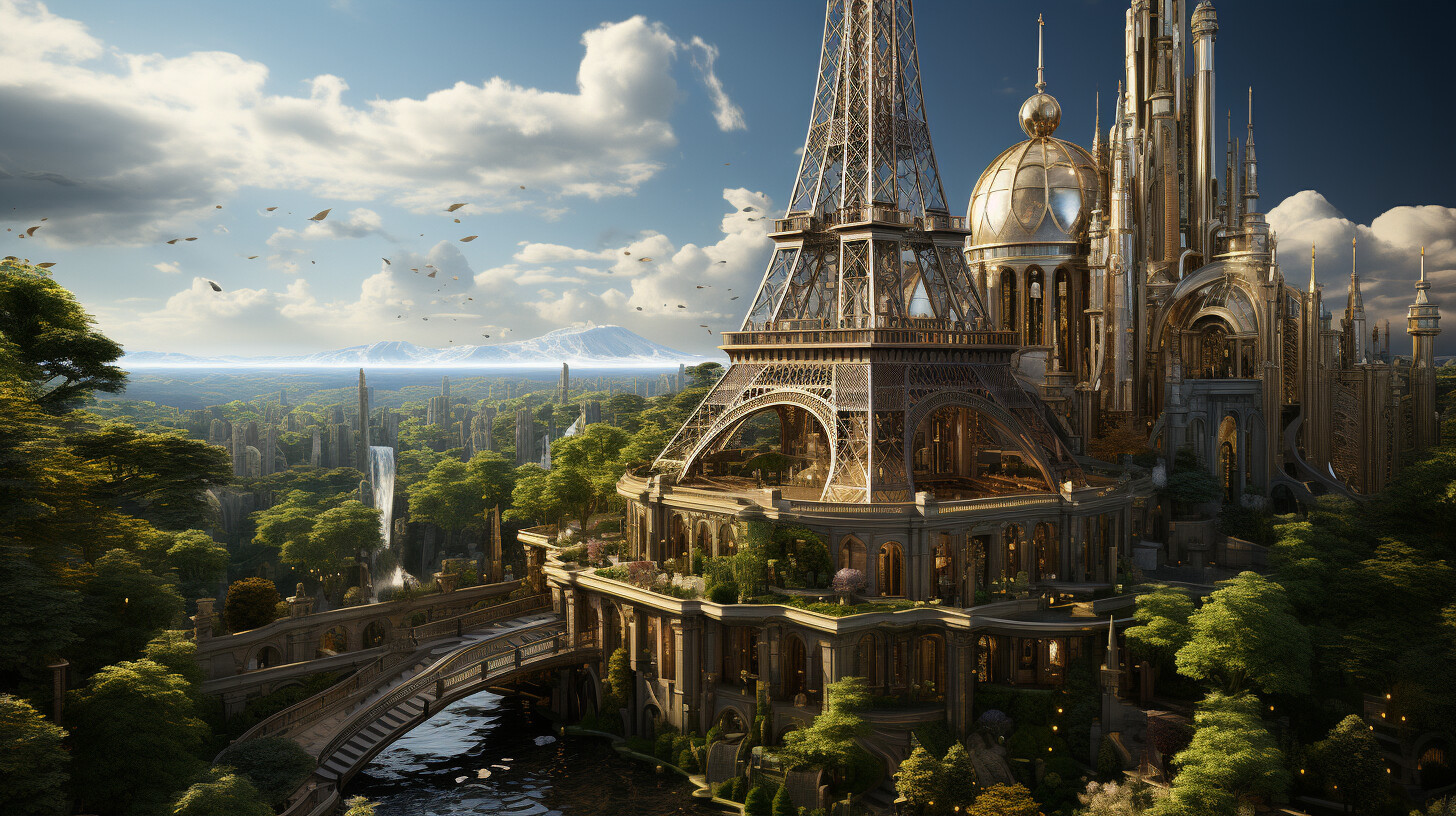
- The fantastical castle of the outlaw sorcerer Thorisinus de Monthaut, with its great, sweeping arcs tipped with towers.

Are there any wars brewing I could go fight?
- The King of Soncliterre possesses the Duchy of Leccania by inheritance and would like to use it to take over all of Ancience.
- The Royalle of Ancience would like to seize the Duchy of Leccania from the King of Soncliterre, if only there was an excuse, such as proof of traitorous intent.
- The Bluefaced Orc and One-eared Orc clans of the highlands have grown fat on raids and seem poised to strike.
- The Count of Houlasse has designs upon his late cousin’s lands in neighboring Agioulen, a common occurrence across the royalty.
- Hesmanian corsairs threaten trade every day in the Northern Sea with their pirate fleet.
- A dragon in the Grand Sommet Mountains may be working with hobgoblins on a campaign of raids.
How about gladiatorial arenas?
- In the small, provincial cities, trial by combat is still an option, and disputes are settled in the judicial lists between litigants or their champions.
- At nearly every festival, some real or imagined slight is contested with a duel.
- In Amierre, there is wrestling in the public square, as well as violent games of coups de sabre [KOOZ deh SAHB-reh] (sword hits), which involve two teams trying to knock a ball across a field with wooden swords.
- The arena called Theatre de Seaux de Sang [sohks de sahng], in Filence, offers anyone the chance to fight a monster for a prize. On holy days, it offers plays in which magic is used to simulate horrific deaths of martyrs (hence the name, “Buckets of Blood”).
- Across the Narrow Sea, in the Royalle’s colony of Terre Sauvage, pit fighters clash for money and their freedom.
- In far-off Kinkitu, champions fight to the death for the pleasure of the farrule (king) in the shadow of ziggurats.
Are there any secret societies with sinister agendas I could fight (or join)?
- The Order of the Moon is an association of werewolves.
- The Syndicat Gouvernei is a syndicate of spies, many of whom are clerics, who monitor and work against nobles and merchants disloyal to the church.
- The Syndicat Sorcelle is a syndicate of spies, many of whom are sorcerers and witches, who work to undermine the church’s power.
- The Order of the Cavaliers Paladin root out evil and undead wherever they may be.
- The outlawed Knaves of Aquifar, often called the Monks Batard, in their red armor which mocks red-robed holy monks, terrorize good folk, much to the chagrin of the Duke of Aquifar.
Any legendary lost treasures I could be looking for?
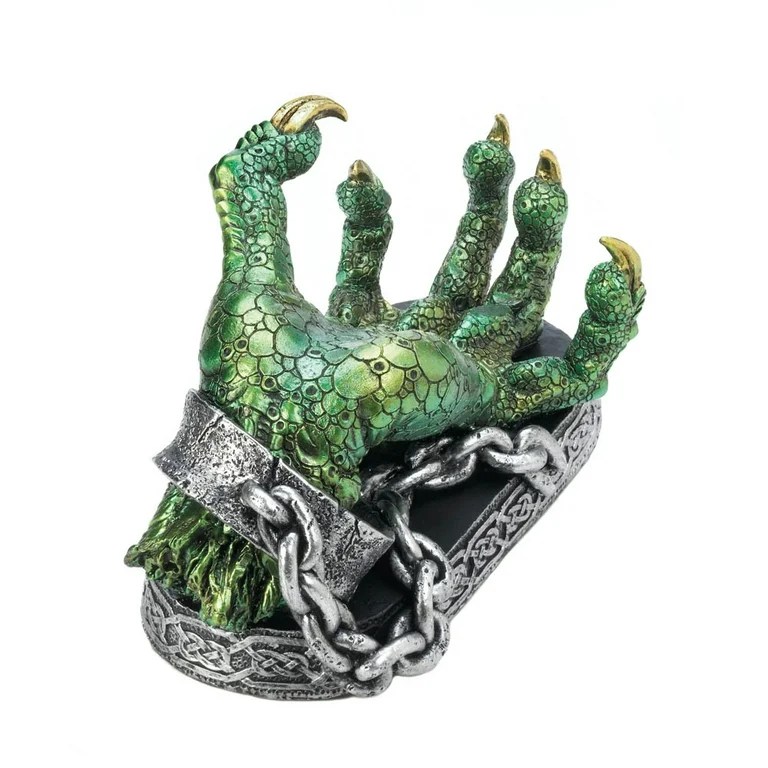
- The Claw of Verticius Draconne, the green dragon, said to grant a wish to those who agree to sacrifice that which they value most.
- The Ring of Wyverne D’Anion, which offers immunity to petrification and poisons.
- The Stone of Saint Lundor, who slung it against the walls of Chateau Contifor and tumbled it down.
- The Blood of Saint Varie, which is said to raise a corpse from the dead or destroy any undead.
- The Crown Jewels of Equora, which could, in theory, revive the chances of the King of the Ancien nomads to dethrone the royalle.
- The mummified Hand of Saint Leianne, which is said to cure disease and restore lost limbs.
 zarban.com