


Many languages around the world have implemented spelling and grammar reforms in the past century. For whatever reason, English speakers act as tho it is impossible, even while the language shifts naturally under their feet. Is it “all right” or “alright”? Chances are, you’ve adopted “alright”. All the cool kids are doing it.

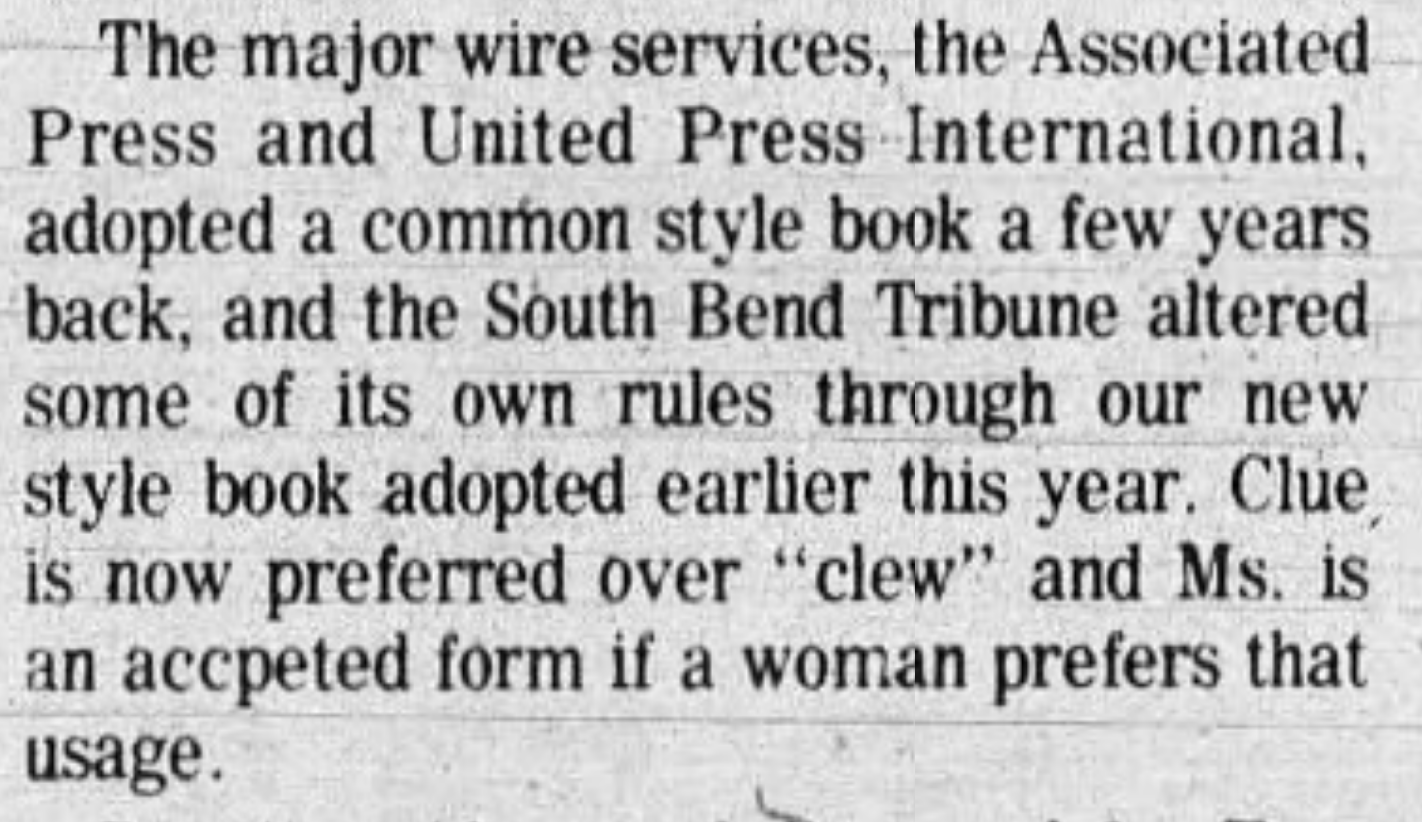
How about “clew” and “clue”? Since it originates from the story of Theseus finding his way back thru the Minotaur’s Labyrinth with a clew–or ball–of thread, it was spelled the same way until the 1970s.
How about “I have ran”? Personally, I dislike that one, but it’s getting very popular over the traditional past participle “I have run”.
Can English Spelling Be Changed?
Reform haters have an array of ignorant claims about why English can’t be changed. They have an abhorrence of homonyms, for one, and yet live with hoards of homonyms (bill, bear, fluke, fold, mold, which have multiple, sometimes contradictory, meanings). Worse, English has many heteronyms (sow, bow, lead, wind) and homophones (their/there, to/too, sew/sow, bear/bare), which a good spelling system should fix.
They also pretend that any “proper” reform must have to be phonetic, which would be impossible due to accents, even tho no one proposes a phonetic system for just that reason; it is a phonemic system that would be ideal.
It’s perfectly okay for English folk to write R where they don’t pronounce it, because it means something different to them (it colors the vowel in front of it); and it’s so important that they often claim they do pronounce it, even tho there’s definitely no “rrrr” in their version of arm.

And other languages have been reformed in the recent past. The Dutch implemented reforms as recently as 2006. The French have made small changes recently. German reforms are ongoing. The Portuguese has undergone reforms by the Portuguese and Brazilians. And so on.
So, yes, we can and should change our spelling and do change it now and then. But rather than changing one random word at a time, we should endorse a systemic approach that lightly alters the language in several small but valuable ways.
Reduce OUGH
Spell OUGH as U or O where it sounds like /oo/ or /oh/. I’ve written this way since 1983. Thru has a strong foothold in signage, and tho and altho have a modicum of acceptance.
- thru, tho, altho, thruout, thoro, thoroly
PH to F
Where it sounds like /f/, change PH to F. Use FF to keep short vowels short. Seems uncontroversial.
- proffet, proffecy (the noun), proffesy (the verb, dying out anyway)
- fotograff, graff, graffics
- fony, fone, telefone
Spelled /e/ as E
EA spellings are a serious problem, but part of it is easy to fix. Where /e/ is spelled with an E and another vowel, spell it E. Use consonant doubling to keep short vowels short. There’s an incredible amount of confusion over the words led (past tense of lead) and lead (the metal); I feel like this might gain acceptance fairly easily.
- hed, deth, reddy, insted, red, led, thret, zellot, pesant, erly, erth
- tresure, mesure, plesure (and, for Brits, lesure, but Americans keep leisure)
- leppard, weppon
- heffer, frend
- exception: ocian and ocianic
GH to FF
Change GH to FF where it sounds like /uf/. This is pretty straightforward and would really help reduce confusion for learners.
- ruff, tuff, enuff
- laff, cauff, trauff, (archaic draught has already changed to draft)
Reduce Silent Letters
Delete unnecessary silent letters in specific cases. This might be a harder sell, since it sometimes requires substantially changing the spelling, not just deleting the silent letter, and because there are many, many silent letters. So picking which ones to fix and which to leave (like knowledge and psychology) would be tricky.
- doubt, debt > dout, det
- dumb, plumb, thumb > dum, plum, thum
- sigh > sie
- sign, design > sine, desine
 zarban.com