

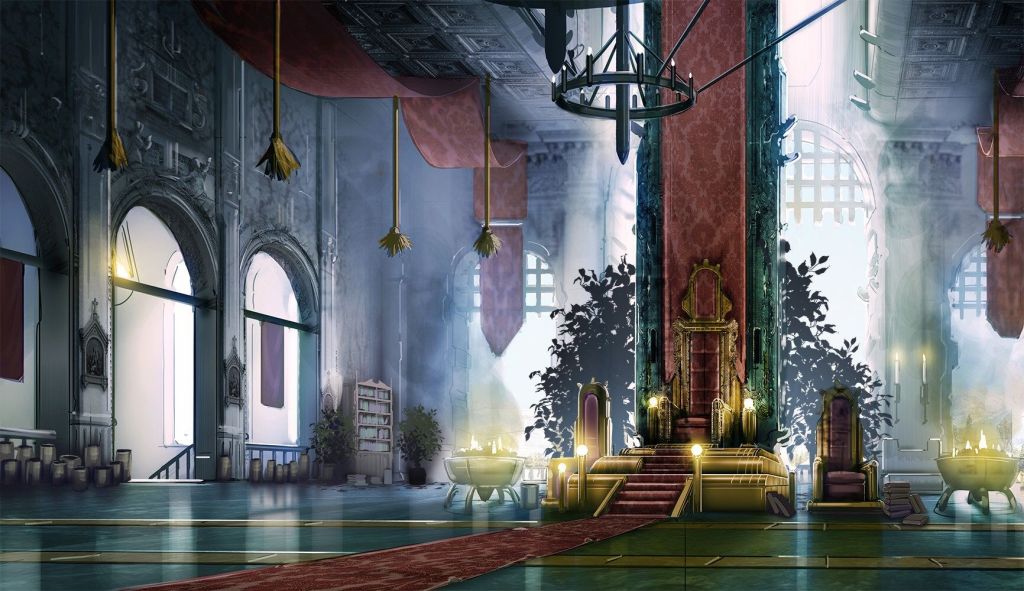
Here are several ways for your fantasy RPG world to work. You can complicate these with demon invasions, monster rulers, and such as you like, but one of these can form a base for your inspired and customized realm.
1. The Age-old Kingdom of Barons & Earls
The kingdom is ancient and has gradually built up a system of lords and knights, barons above them, earls above them, and the king above all with no great collapse or invasion (yet). Everyone owes fealty to someone except for the king, who is sovereign.
The shifting of possessions and borders over the centuries have left formerly strategic places no longer relevant, leading to abandoned castles and temples.
2. Barons & Earls of the New Kingdom
When the Old Empire collapsed, the foreigners invaded and took over the unprotected lands, subjugating the populace and installing their own earls to manage shires and barons and lords to manage lands within the shires. Lower still are lords and knights, who possess manors as vassals of an earl or directly from the king.

3. Invasion After Invasion Mixing Nobles
As above, except there was then another invasion of different foreigners, who installed counts to run counties–which roughly correspond to the shires–and dukes, who hold land directly from the king in something of a rivalry with the earls.
4. Counts & Dukes of the Old Empire
When the Old Empire collapsed, the appointed “accounts”, or governors of the provinces, declared themselves sovereign “counts” of counties. But the imperial generals, called “duxes”, reminded the counts that it was they who commanded the remnants of the armies, and so they declared themselves “dukes” of “duchies” that encompassed several counties.
Among the dukes, one rose above the rest by war and alliance and declared himself “king” (a very old word that meant “heir of a noble family”). So, counts owe fealty to dukes, except that some are direct vassals of the king, the former top duke. At the bottom are lords and knights, who possess manors or villas as vassals of a count or duke.
5. The Old Empire Refashioned as New “Empire”
When the Old Empire collapsed, the appointed governors of the provinces declared themselves sovereign counts of counties. But the imperial generals reminded the counts that it was they who commanded the imperial armies, and so declared themselves sovereign princes who own the counties. The princes gathered to elect one of their number to be emperor, but the emperor’s power is limited and mostly administrative.

So, counts owe fealty to princes, and the princes work with the emperor to ensure laws and taxes are acceptable and organized. At the bottom are lords and knights, who possess manors or villas as vassals of a count or directly from the prince.
6. The Rise of the Church
One faith came to dominate the realm, and the church gathered lands and wealth to itself with its own hierarchy of administration. So lords and knights may owe fealty to a noble or to a bishop or archbishop. Nobles owe fealty to the king, but the king owes fealty–or at least deference–to the “Holy Envoy” or “Prime Cardinal”, as do the archbishops, who in turn hold bishops as vassals.

The hierarchy of the church might even have completely superseded the temporal hierarchy of nobles. Altho, never forget that nobles are not just landlords but warlords, so in this case bishops would likely need to become warlords or else the church would need some other way to keep fearsome warriors from taking back the land.
Perhaps it is they who make the knights–mostly paladins and therefore loyal to the church–and many high officials are active or retired paladins. Or they maintain a standing army of professional soldiers led by paladins.
7. The Rise of Parliament
More than a century ago, the nobles rose up against the king and forced him to sign a charter that restricts his powers and gives them powers to hold him and each other accountable. This “parliament” convenes once or twice a year to discuss the king’s edicts and issue its own, which can override the king’s. The parliament concerns itself with more local matters of trade, outlawry, territorial disputes, and such.
With far less internal warfare, many castles and towers fell into ruin as unnecessary, while others were renovated to more comfortable, resulting in stone-walled castles with half-timber mansions on top.
8. The Rise of the Republic
Ancient kings established a Royal Equestry of their knights–the equestrian class–which served to advise the monarch and carry out laws in their lands. This weakened the nobles, and the ensuing civil war ended direct rule by the nobility, leaving them mere aristocrats. However, many were knights themselves and therefore gained power as part of the Equestry.
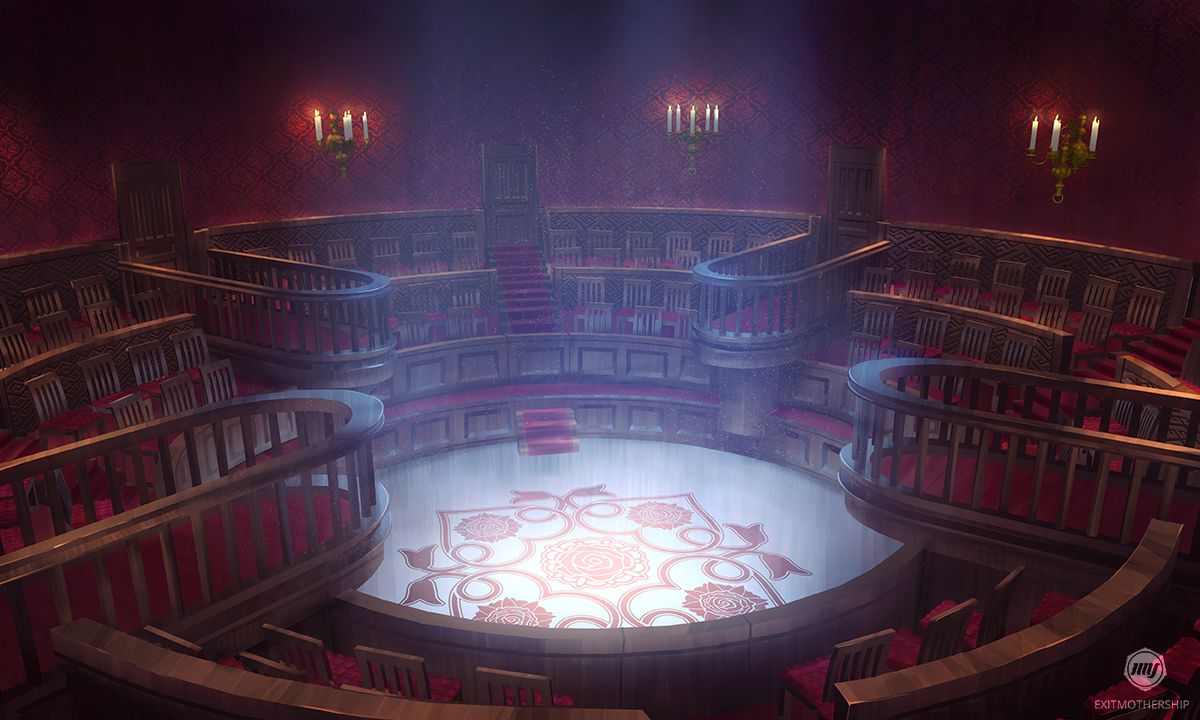
As more knights were created, the number allowed to join the Royal Equestry were limited to those who could fit in the Equestrium chamber. Now, members of the gentry–and even wealthy commoners granted the right right to bear arms–are allowed to vote for local knights to become their equestrian representative in the Royal Equestry. Their taxes directly support their representative knight.
 zarban.com