


In 1895, Georges Polti published his The 36 Dramatic Situations. It’s too specific in places*, and many of its examples are from ancient Greek and old French literature, but it’s nevertheless a good way to think of conflict in stories. Whether you’re writing a novel or preparing an RPG adventure, if you need some ideas for conflicts that will drive your characters, you can pluck some bitter fruit from this tree.
* “A woman enamored of a bull”? Really, Georges?
Note that most stories feature multiple dramatic conflicts in the form of plot points. But there are typically just one or two major ones, such as an A plot and B plot that are–for example–a daring adventure and a beleaguered romance.
Definitions
- A loved one can be a close relative, friend, mentor, partner, pet, or even an admired public figure.
- A lover can be a romantic partner of any sort, but is most commonly a paramour (uncommitted lover).
- A partner can be a marriage partner, fiance[e], committed lover, paramour, or business partner.
Using These Concepts
For a role-playing game you might roll a d20 and a d6 to find a conflict to spark an adventure or provide background for an NPC. Or you could use it to produce Tarot-card-like cryptic predictions that you incorporate into future events.
Categories

- Supplication
- Abduction & Deliverance
- Vengeance
- Pursuit
- Disaster
- Falling Prey to Cruelty or Misfortune
- Daring Adventure
- Fascinating Enigmas
- Clash of Loved Ones
- Clash with an Authority
- Discovery of Adultery
- Discovery of Madness
- False Judgment
- Crimes of the Heart
- Destroying a Loved One
- Self-sacrifice
- Discovery of the Dishonor of a Loved One
- Beleaguered Romance
- Ambition or Desire to Obtain
- Loss of Loved Ones
1. Supplication
Someone begs something of an authority for themselves or on the behalf of others. The emphasis is on the request.
- Innocents implore others for help against enemies.
- Refugees appeal for sanctuary.
- Disgraced people seek charity.
- A criminal or disgraced person seeks a pardon.
- A captive person sends a request for rescue.
- Someone seeks the return of a relic or the corpse of a loved one.
2. Abduction & Deliverance
Someone is brought into or out of a bad situation. The emphasis is on the situation.
- A loved one is abducted.
- Someone is rescued from peril for free or for a price.
- Someone is delivered from rags to riches by a relative, motivated stranger, or fate.
- A wastrel, criminal, has-been, or failure seeks rebirth.
- A loved one runs away with a lover or friend.
- An rescued innocent meets the wide world.
3. Vengeance
Someone seeks revenge or justice. The emphasis is on confrontation.
- Someone avenges a slain or dishonored loved one or ancestor.
- Someone avenges their own lost honor.
- Someone avenges their own near death.
- Someone tries to solve a crime to avenge the victim.
- Someone avenges a victim out of principle.
- The downtrodden rise up in revolt against a tyrant.

4. Pursuit
Someone chases someone or something. The emphasis is on the effort to find and catch the object of desire.
- Someone pursues a known fugitive from justice.
- Someone pursues an ex-lover to regain love.
- Someone pursues an ex-lover for revenge.
- Someone pursues a rival for an object of desire.
- Someone pursues a stranger out of curiosity.
- Someone pursues an object that is slipping away.
5. Disaster
Someone suffers a catastrophic event. The emphasis is on the event and less on the survival of it.
- Someone suffers a defeat at the hands of an enemy.
- People suffer a natural disaster.
- People suffer a plague or other epidemic.
- The world suffers a disaster that threatens humanity.
- Someone suffers a great financial loss or loss of status.
- Someone suffers a loss of status by their own failings.
6. Falling Prey to Cruelty or Misfortune
Someone is mistreated or otherwise suffers. The emphasis is on the villain’s choices.
- Someone is forgotten by a loved one or close friend.
- Someone becomes the victim of a conspiracy, betrayal, or cheat.
- Someone becomes the victim of a violent crime.
- Someone is poisoned and must find an antidote or the poisoner.
- The unfortunate are robbed of their hope by a villain.
- A monster stalks innocents.

7. Daring Adventure
Someone undertakes a dangerous enterprise or mission. The emphasis is on surviving and prospering from the events.
- Adventurers seek a treasure.
- Heroes try to resolve an ongoing problem.
- Wanderers seek a way home amid perils or warfare.
- Voyagers seek a fabled place.
- Hunters stalk a monster to save or avenge the innocent.
- A castaway survives disaster by some means or by fate.
8. Fascinating Enigmas
Someone seeks answers. The emphasis is on the mystery and its solution.
- Investigators seek to solve a mystery.
- Detectives seek to find a missing person.
- Explorers uncover the secrets of a place.
- Heroes seek an object of salvation.
- A clever person seeks the solution to a puzzle.
- A tortured soul must find the answer to a burning question.
9. Clash of Loved Ones
People clash over emotions. The emphasis is on the emotions.
- Siblings are rivals for their parents’ esteem.
- Kinsmen, friends, or parent and child are competitors for a prize or love of another.
- Kinsmen, friends, or partners become murderous enemies.
- An opponent is discovered to be a kinsman.
- A parent comes to despise their child.
- A child comes to despise their parent.
10. Clash with an Authority
Someone clashes with a government official or body, a god, a parent, a school authority, a scholar, the general body of scholarship, etc.
- People protest against an unreasonable authority.
- Someone struggles with the followers of an authority.
- People protest to gain the attention of a reasonable authority.
- Someone is insubordinate against a reasonable authority.
- Someone attempts to destroy and replace an authority.
- Someone attempts to usurp an authority.

11. Discovery of Adultery
Someone believes another has committed adultery or any emotional cheating, such as a musical writing partner writing songs with a third person. The emphasis is on the discovery and resulting feelings.
- Someone falsely believes their partner is cheating.
- Someone falsely believes an innocent is attempting to seduce their partner.
- Someone finds their partner is cheating with a lover or prostitute.
- Someone finds their partner is cheating with an ex-partner.
- The lover learns the adulterer will not leave their partner.
- Someone takes multiple lovers, who accept it.
12. Discovery of Madness
Someone goes or faces someone going mad. The emphasis is on confronting the illness, not the acts committed as a result of it.
- Someone fears they are going mad (perhaps as a kinsman had before).
- Someone confronts a madman or degenerate.
- Someone hurts or slays a loved one or innocent in madness.
- Someone is publicly disgraced by their descent into madness.
- Someone seeks a cure for madness for a loved one.
- Someone seeks a cure when transformed in a fantastical and bizarre way.
13. False Judgment
Someone comes to an incorrect conclusion. The emphasis is on the consequences of the misunderstanding.
- Suspicions fall on an innocent (but perhaps one with guilty intentions).
- A witness to a crime mistakenly accuses an innocent.
- A witness to a crime accuses an innocent to save a loved one.
- The guilty allows suspicion to fall on an enemy, innocent, or accomplice.
- The guilty falsely accuses an enemy, innocent, or accomplice.
- Someone wrongly accused tries to clear their name.
14. Crimes of the Heart
Someone’s emotions make them exercise poor judgment. Note that sexual assault and statutory rape are objective crimes, but crimes of the heart can lead to objective crimes.
- Someone takes revenge for adultery on the partner and/or the partner’s lover.
- Someone seduces an innocent.
- Someone commits adultery. (Emphasis is on the act; not the discovery.)
- Someone is courted by an unwelcome suitor.
- Someone falls in love unethically, as with a subordinate, patient, student, or ward.
- Someone falls in love of a sort that is deprecated or forbidden*.
* Including homosexuality, incest, or with a taboo race, ethnicity, class, or caste, as well as a May-December romance and paraphilia with a non-human or inanimate object. Some of these can be unknown to the lovers.
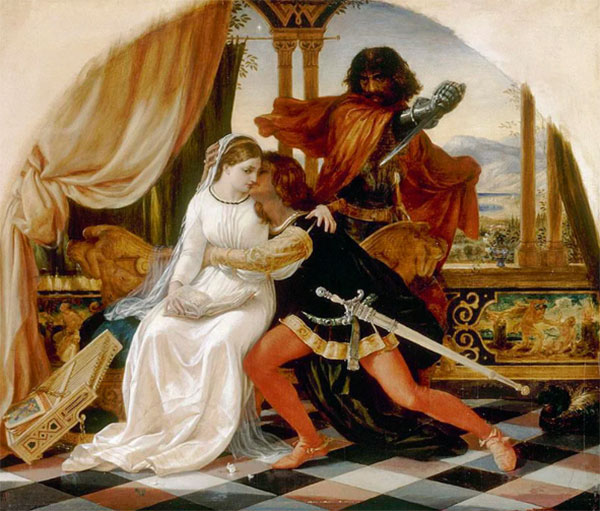
15. Destroying a Loved One
Someone destroys a loved one’s life, love, mental or physical health, wealth, ambition, or honor. The emphasis is on the mistake or poor judgment.
- Sacrificing a loved one out of obligation to the law, duty, or religion (as for a crime).
- Treating a loved one the same as others to avoid abusing one’s power.
- Slaying or nearly slaying a loved one unrecognized or in anger.
- Failing to rescue a loved one unrecognized or due to cowardice.
- Failing to rescue an innocent due to cowardice or greed.
- Destroying oneself or one’s honor for ambition, lust, drink, drugs, or other vice.
16. Self-sacrifice
Someone sacrifices their own life, love, mental or physical health, wealth, ambition, or honor. The emphasis is on the choice to make the sacrifice.

- Someone falsely confesses to wrongdoing to save a loved one.
- Self-sacrifice to preserve or reclaim one’s honor.
- Self-sacrifice for the benefit of loved ones or society.
- Sacrificing love so the beloved can have wealth and status with another.
- Self-sacrifice for personal growth or freedom of a loved one or oneself.
- Making a deal with the devil for power or success despite the eventual cost.
17. Discovery of the Dishonor of a Loved One
Someone discovers a loved one has poor character or a history of dishonorable activity. Emphasis is on the resulting dilemma in how to react.
- Someone discovers a loved one’s shame or dishonor.
- Someone discovers that a loved one is a criminal or otherwise of bad character.
- Someone has a duty to punish a loved one who has done wrong.
- Someone covers up a wrong done by a loved one.
- Someone has remorse for a crime against an innocent.
- Someone has remorse for dishonor brought upon themselves.
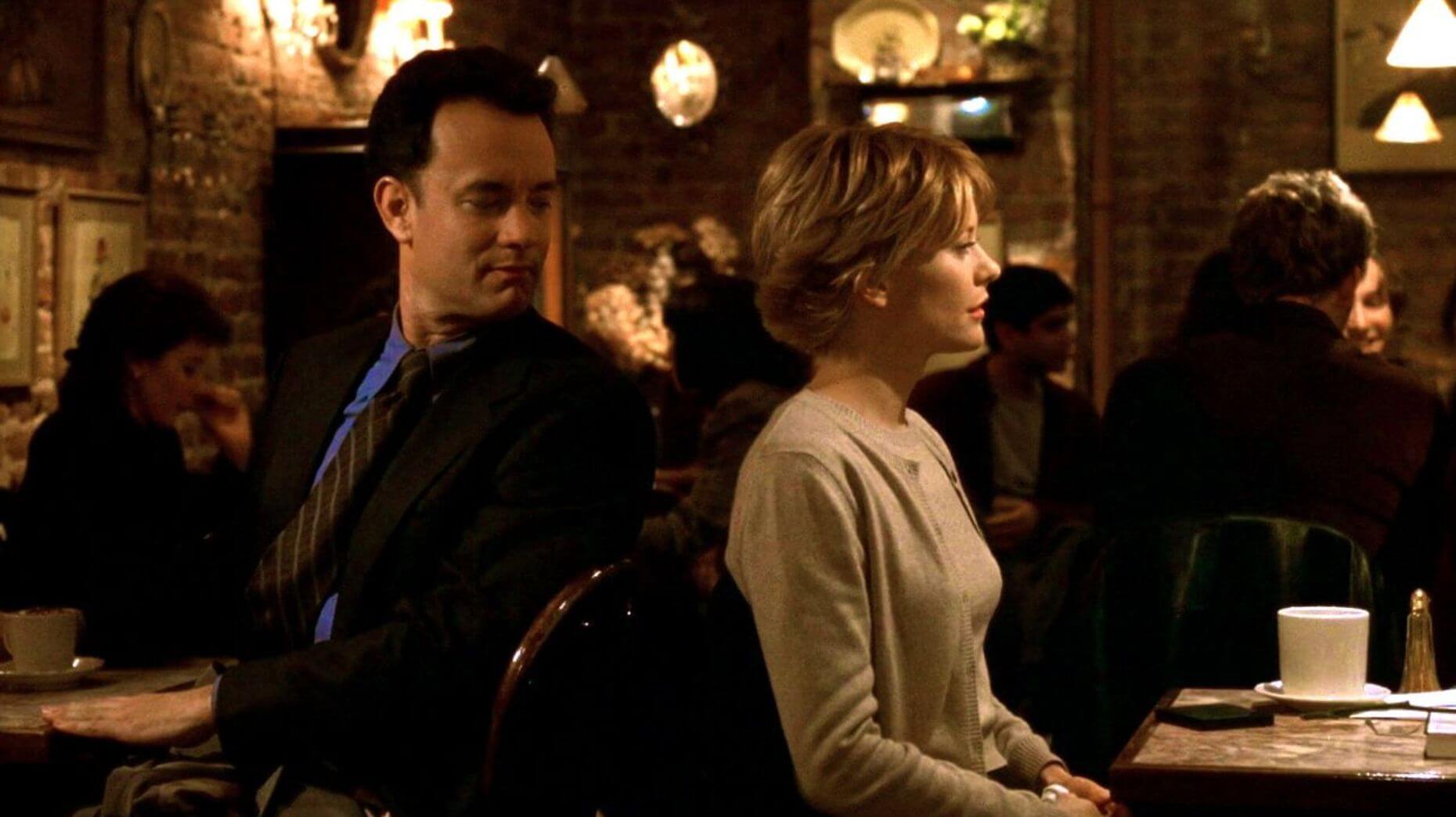
18. Beleaguered Romance
Two people stumble into a difficult romantic love, platonic love, or even a business partnership. The emphasis is on the combination of attraction and obstacles.
- Someone seeks the love of a uninterested person or cannot find true love.
- Someone competes with their potential love’s distractions.
- Someone competes with their ex-lover’s partner.
- Someone falls in love with an enemy of their kinsmen or organization.
- Money, status, society*, or the interference of loved ones is an obstacle to love.
- Time, death, distance, danger, or duty keeps lovers apart.
* Including, in certain cultures, homosexuality, race, ethnicity, class, or caste.
19. Ambition or Desire to Obtain
Someone has a desire to obtain some goal or object. The emphasis is on the efforts to get it. This includes contests and sports rivalries.
- A youth or wastrel has ambition to succeed to prove themselves to doubters.
- A determined person has ambition to succeed to gain wealth and power.
- A villain has ambition to seize an innocent for lustful assault and control.
- Someone makes efforts to obtain an objective by ruse or force.
- Someone makes efforts to obtain an objective by exerting legal rights.
- Someone makes efforts to obtain an objective by persuasive eloquence.
20. Loss of Loved Ones
Someone loses a loved one to estrangement, madness, or death from war, disease, or accident. The emphasis is on the emotions surrounding the loss.
- Someone loses a loved one.
- Someone loses a lover.
- Someone loses an unrequited love.
- The loss of a child tears spouses apart.
- Someone is motivated by a loss to fulfill the loved one’s life’s work.
- Someone is motivated by a loss to stop it from happening to others.
 zarban.com