

D&D 5e, PF2, and other modern games generally have a “perception” check (and/or “investigation” check) for noticing or finding things (altho it tends to be overused). Older games and OSR games don’t have this, but they do have their own way to handle it.
The Old School Way
Searching for secret doors and traps used to be so important that the game’s time tracking was based on exploration, not combat. (The only combat movement rule before 3e was that you could move half your movement rate and still attack.)
The D&D 1e DMG explains how searching for secret doors should work. The heroes must be moving slowly (standard dungeon movement rate being 120 feet per round, which is less than 1.5 mph). If they search an area where there’s a secret door, the DM should roll 1d6 (or, for “better hidden” doors, 1d8 or even 1d10) for each character searching. Most characters succeed on 1; elves and half-elves on a 2. The heroes may also find it by explicitly describing their search actions, like “press the small protrusion”; if they guess right, they succeed, regardless of the die roll.
Concealed doors were treated differently, but it’s not explicit how. The PHB gives elves a 3-in-6 chance, so presumably non-elves succeed on 2-in-6. (I’ve searched, but if you know of an explicit rule covering this in BX, 1e, or 2e, I’m all ears.)
When they succeed, the DM should give them a clue, like “you feel a slight air current here” or “it sounds hollow”. And of course thieves have a chance of finding traps as a class ability; it’s unclear if other classes had any chance of finding traps at all.
The d20, Roll-High Way
A 1-in-6 chance is 16.7%, but we should substitute a 1d20 roll of 16 or better (25%) for d20, roll-high mechanics. The old 1-in-6 was just too unlikely. (Their parties were larger back then, so they had a decent chance overall.) You might even give a bonus for high charisma, since it not only represents your charm but your understanding of how others think—and how they might hide something. In fact, this system is better in general, since you can simply say that certain things are a little better or a little worse hidden, so the difficulty is 14 or 18 rather than 16.
Elves and half-elves have a better chance of finding concealed doors, so give them +3 (40%) here. Likewise, dwarves and gnomes get a +3 if the concealed thing is made of stonework. Thieves have their own find traps skill, but I suggest you convert those chances to d20, roll high numbers. I also recommend you boost find traps by +2 or +3 and apply it to secret doors as well. (In 1e, it starts at 20%, which is basically 1-in-6; and even at 7th level, it’s only 50%.) This is something thieves are supposed to be good at.
My preference is to merely say that there’s a search skill for finding “things of interest”, and rogues automatically get it. Certain ancestries get a bonus under certain circumstances. The search skill is for searching rooms and similar areas, not individual things. If a character comes across a bag of grain and searches it, that character should automatically find anything in it that isn’t grain.
If you think the following system is a little too complicated, see the even simpler system at the bottom.
Definitions
First, “things of interest” may be obvious, concealed, or secret. You can give the heroes penalties if they’re working in poor lighting conditions or using darkvision. (Darkvision is good for navigating dark tunnels and spotting creatures, but it’s not good for reading or finding things.)
Obvious things include:
- Furniture and most creatures.
- A normal door.
- A letter lying on a table.
- A trap that isn’t disguised, such as an open pit or poorly concealed trap mechanism.
Things that are concealed include:
- Most traps.
- A door behind a curtain, screen, or tapestry.
- Creatures that are successfully hiding in shadow, etc.
- The fact that a decorative statuette’s eyes are valuable emeralds.
- A letter in a drawer or tucked under a pillow.
- Text obscured by dust on the base of a statue.
- A valuable jade box under a straw mattress.
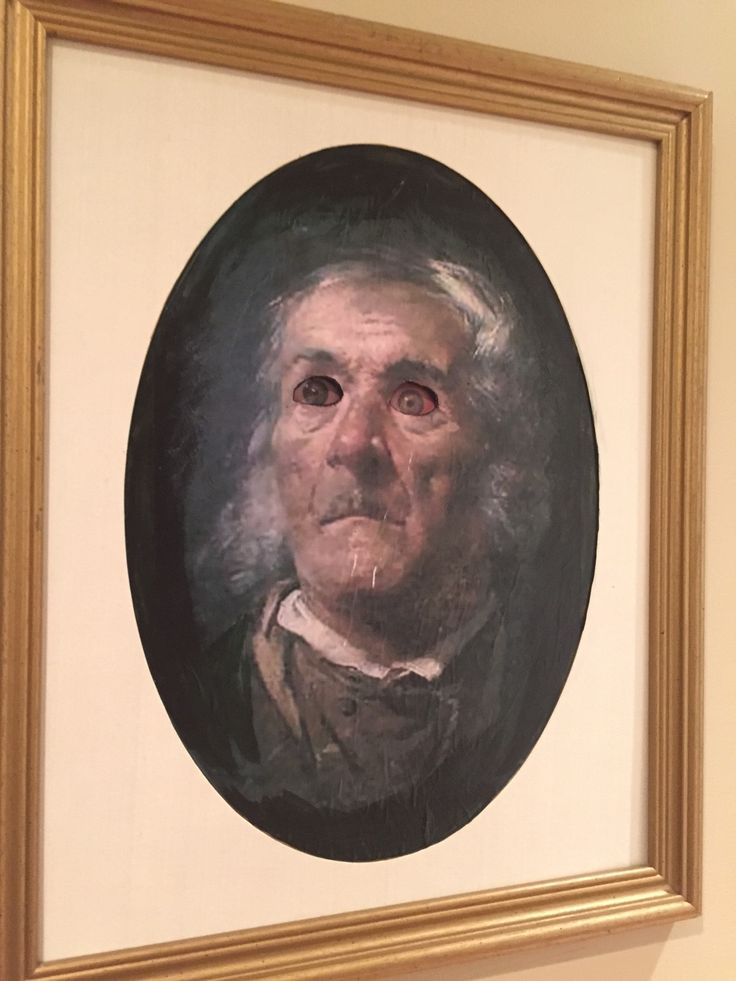
- A cultist spying from another room thru the cut-out eyes of a portrait.
Things that are secret include:
- Secret doors.
- A few diabolical traps.
- Creatures that are successfully hiding in a pile of refuse, etc.
- A letter stuck to the underside of a table with wax.
Things that don’t need these designations include things you want the heroes to notice or that aren’t really within their control to notice. Do the heroes hear the wolves howling in the distance? Yes, because otherwise there’s no point to including it. Do they notice the nasty thief sneaking up on them? Not if he makes a successful stealth or move silently check.
It’s important to warn players that exploring and searching are inherently dangerous. They might find a trap, but they might also trigger a trap. They can’t complain if you say, “When you look thru the papers on the desk, a bookmark snake slithers out and strikes!” Don’t let them twist you into a situation where they aren’t touching anything but what they specifically say they’re touching, or the game will take forever, and they’ll still miss a lot of clues and treasure.

Rushing
When the heroes travel down a passage at double their movement rate (in my system, that’s 120 feet per 15-second round, or 5.5 mph), they are rushing. Likewise if they pass thru a room without trying to find anything. They notice obvious things only. They have no chance of finding concealed or secret things.
If you want to do some kind of check, let them find a concealed thing on a d20 check natural 20. Bonuses for ancestry are not relevant; they’re just not applying their natural skills.
Exploring
When the heroes travel down a passage at their normal movement rate (60 fpr or 2.75 mph) or enter a room and do some poking around, they are exploring. This is typical of characters when they’re in a fairly safe environment–there aren’t any pit traps in a merchant’s house, after all.
They first notice things that are obvious, like the rubble and furnishings (and orcs); describe what’s in the room but focus on things they can interact with. Roll once for each character to see they find anything. They notice things that are concealed on a 17+. They only stumble upon secret things if this roll is a natural 20.
If the players zone out, prompt them by asking “I take it you’re exploring the place?” Exploring includes casual interactions like moving debris, opening a drawer, peering into an open container, brushing thru papers, flipping a cushion, etc., but they don’t necessarily do all these things. It certainly doesn’t include opening doors, arcane tomes, weird-looking boxes, or unlocked chests; such things are reserved for specified actions (actions that the players specify the heroes take deliberately). This is the point where you can give them a bit more information about interesting/interactive things (like what language a scroll is in or what a statuette is made of).
Consider a drawer concealing a letter but that is also trapped. Since both would be found on a successful exploration check, the character would notice the trap before triggering it. On a failure, the character doesn’t happen to open the drawer at all. On a natural 1, the character opens the drawer and triggers the trap.
This kind of casual search takes very little time, maybe half a minute. However, for a large or cluttered room, you might say the heroes don’t have a chance to find concealed things unless they conduct a proper search (that is, they’re effectively secret).
Each one can specify a location (bed, 20 feet of north wall, etc.); consider that a search (per below) for that location only. If they try to list off a bunch of locations, tell them that requires a full search.
If the players find a trap or secret door, don’t simply tell them they found it. Give them a clue, such as scrape marks on the floor or a difference in color or texture. Then they can try to figure out what it is and how to open or disarm it; it should be a kind of puzzle. On a natural 1, the character might trigger a trap without first detecting it.

Searching
Searching is the mode for creeping down a corridor at half their normal movement rate (30 fpr or 1.4 mph). You peek behind any tapestries for hidden niches, push on discolored stones, kick debris, etc. Searching heroes automatically find things that are concealed. They roll once each to find things that are secret.
If you’re using the thief’s find traps ability, count a false bottom in a piece of furniture as both a trap and a secret door. So Rollo the thief might roll for it as a trap, because his find traps ability is better than his finding secret doors ability; but Brinta the mage might roll for it as a secret door, because she no special ability to find traps. This is one of the reasons I prefer a single search skill.
A formal search searches the whole room and includes rifling thru drawers, cupboards, and bedclothes. But it doesn’t mean opening doors or other things that are typically trapped, like an arcane tome or a box with weird markings on it. Those are still left to specified actions. But it does include opening bags and unlocked treasure chests or similar boxes (unless the players specify they don’t). Let players specify what a full search means to them, so they don’t feel tricked or railroaded.
If the characters don’t find a certain trap in their search, their searching probably triggers it (unless that trap requires a specified action they haven’t done, like opening a door or arcane tome or messing with an idol).
Searches of rooms typically take 10 minutes, but a large or cluttered room can take much longer. If the players find a trap or secret door, just give them a clue and let them draw a conclusion. Sometimes, the players shouldn’t initially even know if what they found indicates a secret door or a trap.
Each hero can specify a location (bed, wardrobe, 20 feet of wall, etc.) and add +5 to their roll (not a separate roll) for that specific location. If they try to list off a bunch of locations, remind them a search means they’re searching the whole room but giving extra attention to one location.
Additional Searches
If the players are convinced they’ve missed something and want to search again, remind them that it will take more time and may trigger a random encounter roll. (You should roll every 20 minutes of in-game time for most dungeons.) But doing so means they automatically find anything secret anywhere in the room.
They could say they’re just exploring again, which just takes another half minute. (“There’s gotta be an exit here. I check the north wall again.”) Roll again for concealed (17+) and secret (natural 20) things generally. If they all try to do this or if one does it more than once, just say they got carried away and spent another 10 minutes doing a second full search.
Writing Room Keys
When writing room keys, you can write the ordinary description for things that are obvious then in subsequent paragraphs note things that are concealed and secret.
2. Servant’s Room
Creaky stairs down from 1, rustic table and chair, curtain on north wall, small pile of debris in the far corner, large spider web across the room that shimmers in the light.
Concealed: Door to 3 behind the curtain. Giant spider in shadow in the corner of the ceiling near the stairs.
Secret: Attached with wax to the bottom of the table is a letter (handout A).
Note: Anyone trying to cross the room without disturbing the web must check 8 using dexterity. Significant noise or disturbing the web will alert the giant spider.
As mentioned previously, you could specify the difficulty for secret items, if you want some to be more difficult to find than others.
Quick Version
If you feel like this system is a bit too complicated, consider saying there’s no explore action, only search, which takes 10 minutes in a typical room or moving at normal movement rate in a corridor.
- On a search, you automatically find anything concealed on a 10 or better.
- Traps are usually concealed, so you only trigger a trap if you fail to search or ignore or misinterpret the clue and do what the trap’s description says is its trigger. Traps should usually allow a saving throw once triggered (the mechanism makes noise, etc.).
- On a 17 or better, you find something secret in the room. Each hero can specify one place for extra attention (bed, wardrobe, 20 feet of wall, etc.) and automatically find any secret thing in that location.
- If you search only one specific location (like that bag of grain example at the beginning), you automatically find anything in that location.
- Whether it’s a trap or a secret door, you only find a clue that there’s something there, and you have to figure out the mechanism. A thief can make a Find/Remove traps roll, but otherwise heroes might trigger a trap thinking it’s a secret door.
On a second search, you find everything. It’s perfectly reasonable for the players to say, “Before we go to sleep in this inn, let’s take 20 minutes and search our room from top to bottom.” That’s two searches, so they find anything concealed or secret, no roll required. If they do that regularly in a dungeon, tho, they’ll be meeting a lot of wandering monsters.
 zarban.com