

I wrote previously about using puzzles and about playground rooms. This is another playground room for fantasy heroes to explore.
The Abandoned Monastery

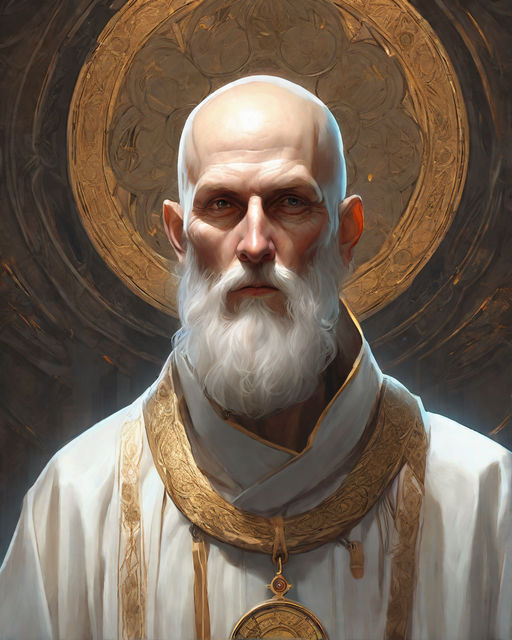
The heroes explore an old monastery and eventually find a room where five painted portraits hang. Each one depicts a past abbot/abbess, and, when the heroes examine them, they come to life.
They are (or order of service):
- Patrus Gorrul
- Patrus Demminar
- Matra Gleena
- Patrus Cavon
- Matra Hendivis
The portraits are animated with a bit of the mind of the abbot depicted. The subject can carry on a limited conversation about the monastery, but their knowledge is limited to the knowledge they had at the time their portrait was created.
Being mere portrayals of their former selves, they are easily bluffed but tire quickly and become bored or confused if the discussion is not about the monastery and will “go have a rest”. Not truly sentient, they have no desires or motives.
Knowledge
Elsewhere in the ruins are puzzles and even traps that the abbots know about, altho they will not want to give away their secrets and treasures to mere looters. They could easily be fooled by those wearing the order’s habit.
The abbots also have information about the goings on at the monastery in its heyday, and that information may answer a mystery for the heroes. However, they don’t know anything about, for example, their own deaths, altho each will know about the deaths of the earlier abbots. The first (Gorrul) will know details about the founding of the monastery. The last (Hendivis) knows nothing of the downfall of the monastery; as far as she knows, it’s still running smoothly.
Since each was the long-serving successor of the last, they represent over 150 years of continuous service as abbot. If a portrait is removed from the monastery’s holy ground, it will revert to an ordinary portrait.
Variations
If you like, you can say that one of the other portraits was botched and always lies and thereby have fun with ridiculous–or sly–falsehoods about traps and puzzles and such. Would the other portraits know the one lies? Would they all know? You could also turn it into a “knights and knaves” conundrum. (There are many examples in part 3 of What Is the Name of This Book?)
Or you could say that there are monks’ habits of various design nearby, and to bluff an abbot, a character must be wearing one of the same type as that abbot. The habits changed over the decades, and the portraits might only recognize (or at least trust) one that is of the “current” design from their perspective. As a result, to have a conversation that includes more than one abbot, the heroes might have to each wear a different habit and each have the trust of one portrait.
 zarban.com
Leave a comment