

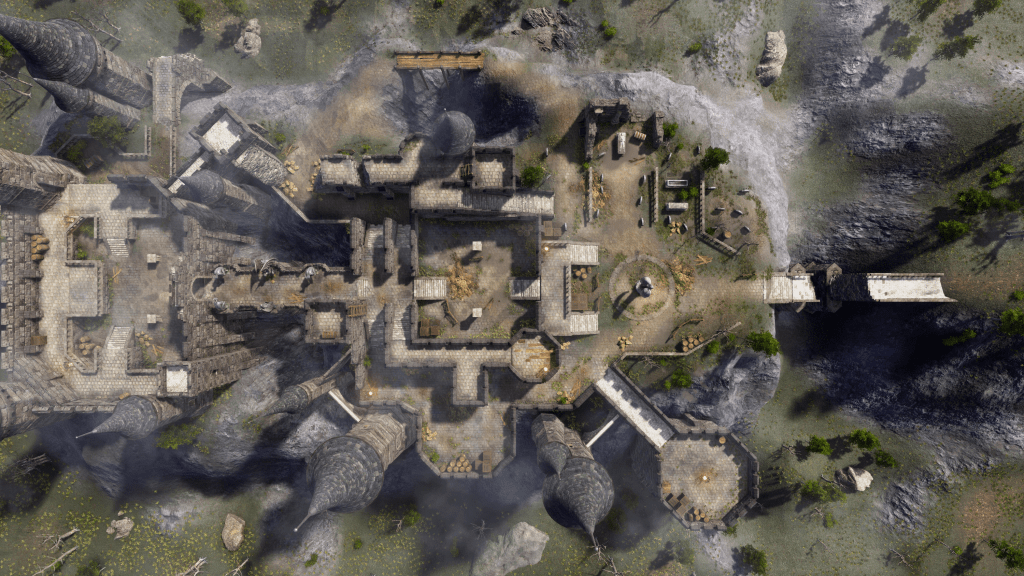
Don’t just draw rectangles on graph paper. A dungeon can be an active lair, a ruins, an underground passage-and-chamber system, a natural cavern complex, or even a series of locations in a wilderness. In part 2, I detail the types of rooms your dungeon should contain.
Some of these ideas are borrowed from RolePlayingTips’ 5-room dungeons and some from Jennell Jaquays’ dungeons, some from Justin Alexander’s “Xandering the Dungeon”, and even from Gary Gygax’s original advice, which, while it now often seem old-fashioned, has some forgotten wisdom.
Lairs vs Mysteries
Some dungeons are just lairs. They were created by goblins, and goblins live there now. Each room is just what it appears to be, and there aren’t many surprises or even questions about what’s going on. That’s okay sometimes, but it gets dull. Even a lair should have a captive to rescue, a clue to another adventure, or some similar thing that makes it more than just a hack-and-slash expedition.
Most dungeons should be mysteries, especially those that are ruins. This encourages exploration. If you can get players asking questions, it will get them looking for answers, not just treasure. The questions can come from NPCs or previous adventures, and the heroes can be hired or otherwise motivated to find answers. But questions that come to the players naturally are the best kind.
- What was its original purpose?
- What happened to whomever built it? What’s left of them?
- What happened to the treasures that were once there?
- What lives there now? And what are they up to?
I’m personally not a fan of big dungeons. I find them too often to be sprawling labyrinths with nonsensical rooms and an absurd collection of inhabitants. The occasional funhouse dungeon built by a mad wizard is fine (I’ll write about this one day), but on the whole, dungeons should feel like they had a distinct purpose beyond pranking adventurers. That makes the players feel they can trust that the spaces will be fairly logical, which will help ground them and interest them in “figuring out” the adventure.
If the heroes learn that a treasure was kept in “the bosom of Ha’li”, they can explore and puzzle out what that saying might mean: behind a mural of Ha’le? Inside a statue of her? At the center of a maze dedicated to the goddess? They might even do a little research beforehand with a sage to find out who Ha’li was: a goddess? a queen? a tree? a monster??
Scale
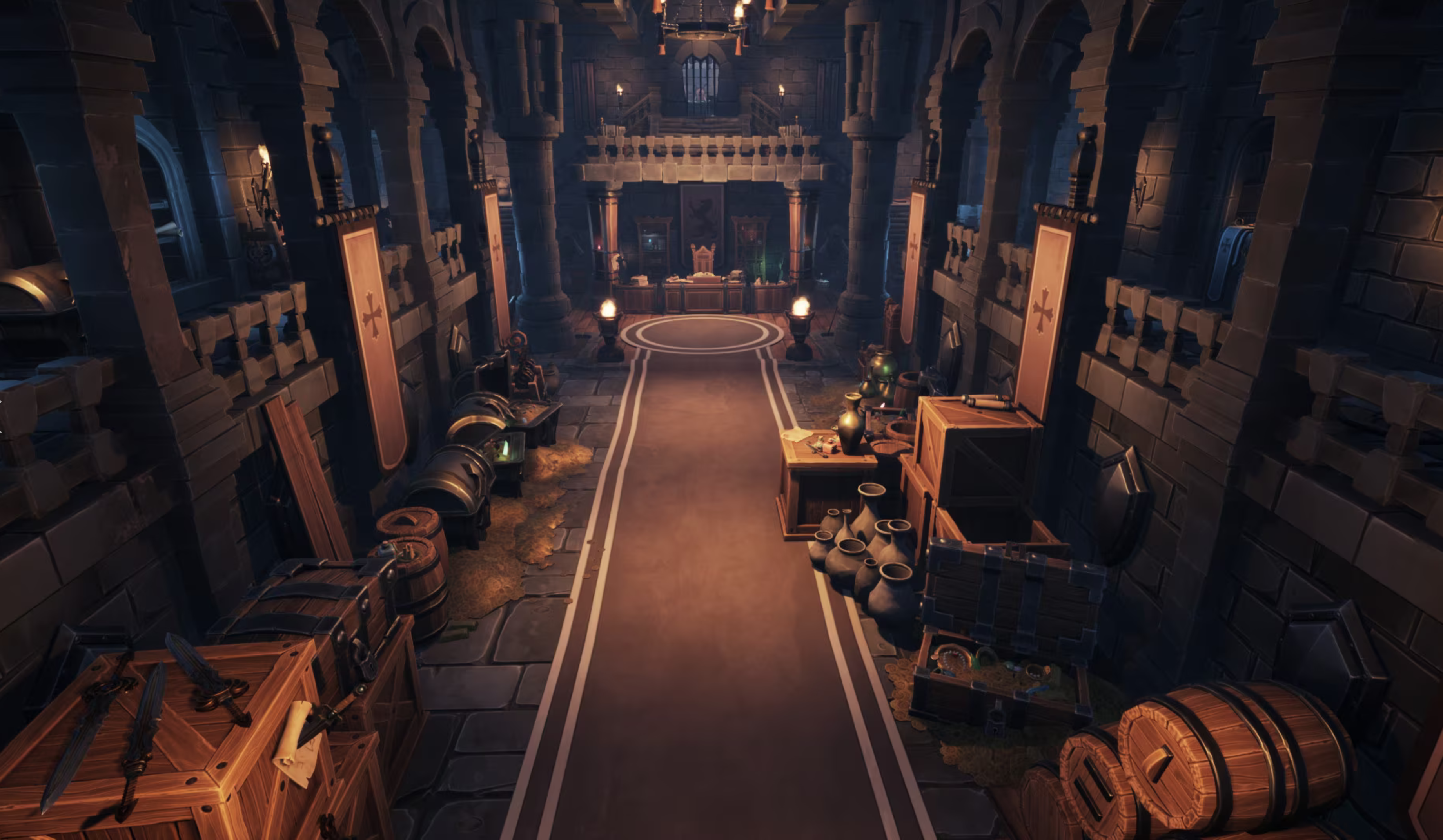
When designing a dungeon, pay particular attention to the size and layout of spaces. If every corridor is 5 or 10 feet wide and every chamber is roughly 15 x 25, exploring gets dull. Make certain chambers–the more important or mysterious ones–weird dimensions, with a ceiling 50 feet high and a spiral stair to a second level balcony where danger may lurk.
Small creatures like goblins and kobolds would naturally make some very small spaces, especially those they want to be choke points to defend against intruders. Provide sneaky creatures with places to sneak. Their cramped tunnels should be daunting to big men in bulky armor with two-handed weapons.
But grand spaces are awe-inspiring, both for the heroes and for the original monks or cultists or knights who built them. With modern mapping tools, dungeons don’t need to fit on one or two letter-sized pages. And a large area allows some characters to choose a more direct route while others choose to stay close to cover.

Interconnected Spaces
A key aspect of a good dungeon is that the spaces interconnect. Don’t make a dungeon that’s a linear path with a few side rooms here and there. Design it to have multiple entrances that connect around a center where the main vault (and fight) is. Or build it as two parallel avenues with entrances at opposite ends that connect via cross passages and a partial third avenue (“three-lane” maps).
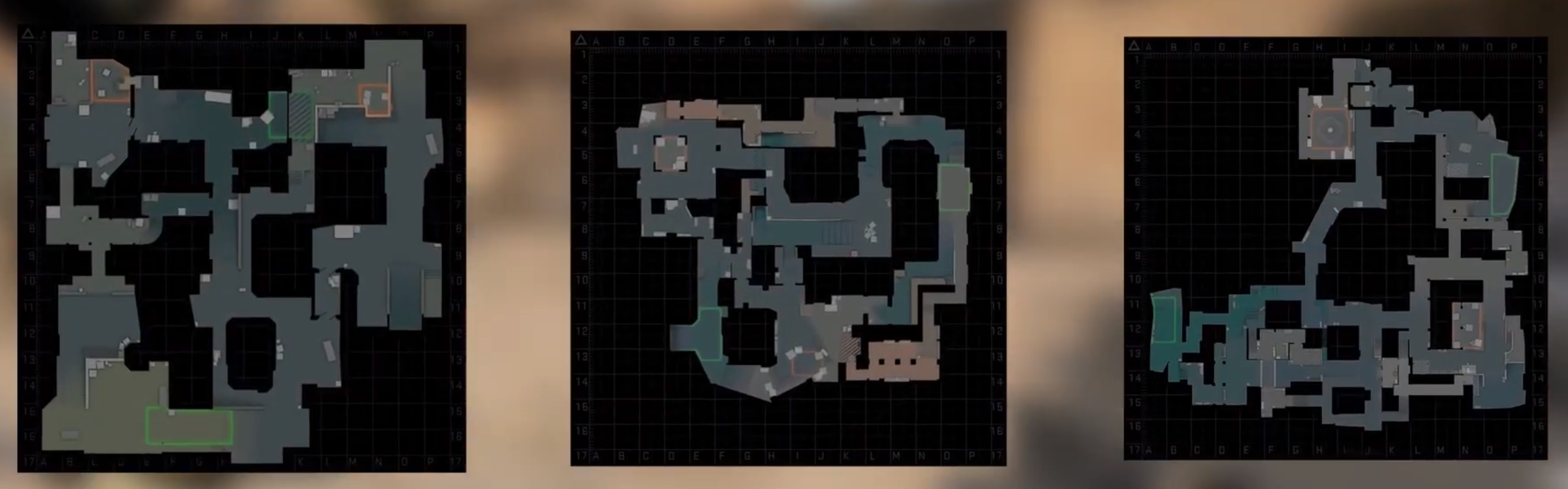
You could try using first-person shooter video game maps, because they’re well thought-out, but they are designed for ranged attacks, with sight-lines being the focus. Still, there are ways to do it. And there are plenty to choose from.
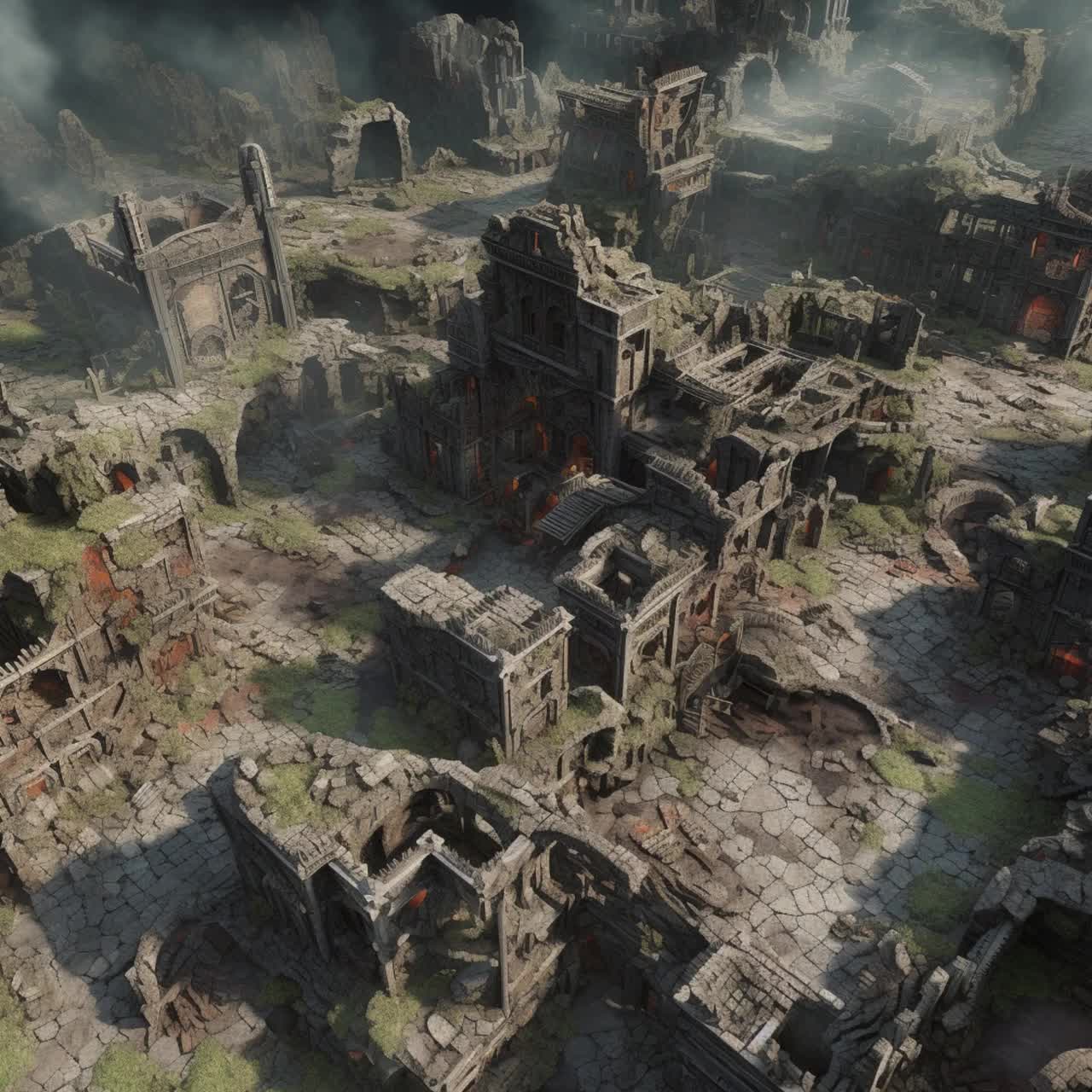
Surface ruins are particularly helpful with this. Multiple buildings can have entrances to tunnels that connect underground, so the heroes may first explore the surface ruins to find entrances to subterranean passages, then decide which way to enter those passages. Surface ruins can also bring shafts of light into the subterranean spaces, making them more interesting than endless chambers lit only by the heroes’ own torches. (Surface ruins can even be the dungeon.)
It’s important that the paths be meaningfully different, so that the decisions the heroes make about which way to go are also meaningful. For example, one path may wind thru secondary rooms that are lightly occupied while another path is more direct but goes thru guard positions and occupied common rooms. The first room or the entrance itself (or even a map discovered elsewhere) should give a clue about what to expect. But if both paths go thru a similar set of passages with small chambers, there’s no real decision to make.
It may be helpful to lay out a simple diagram of your dungeon first to decide where the entrances should be in relation to each other and to the main vault or other goal. This can help you visualize the simplest routes and be sure you don’t have one entrance lead too directly to the vault.
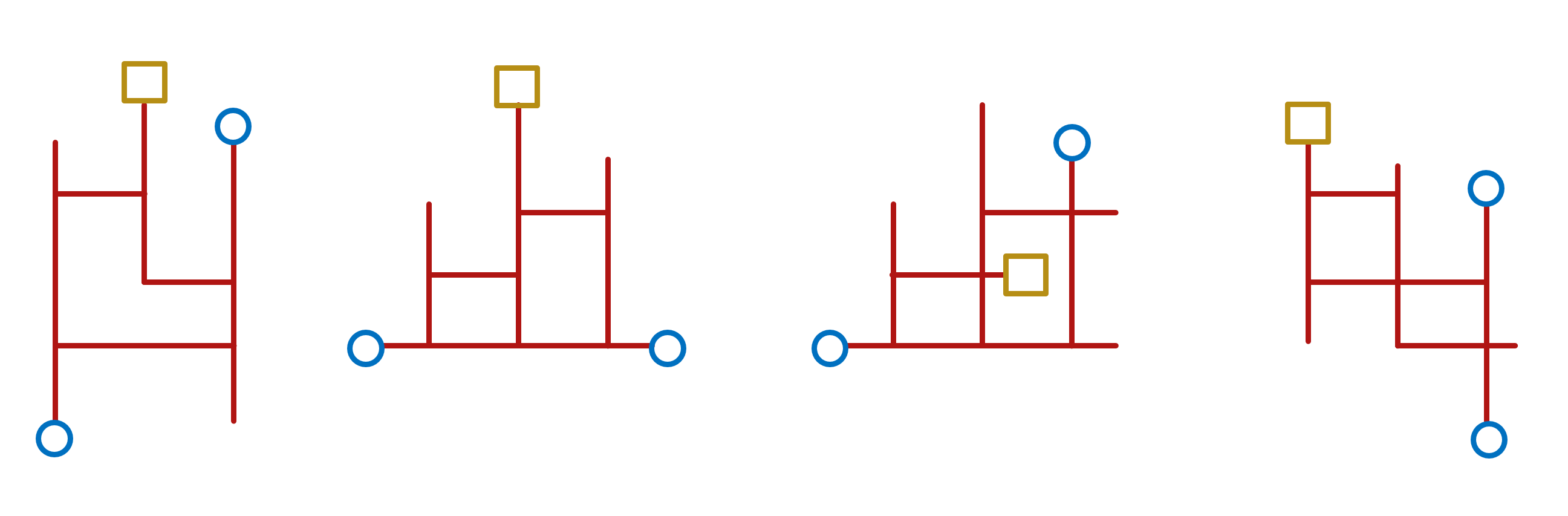
And you can easily chain them together by having the vault or a side passage of one lead to another. The new diagram can sit on the same level or be deeper.
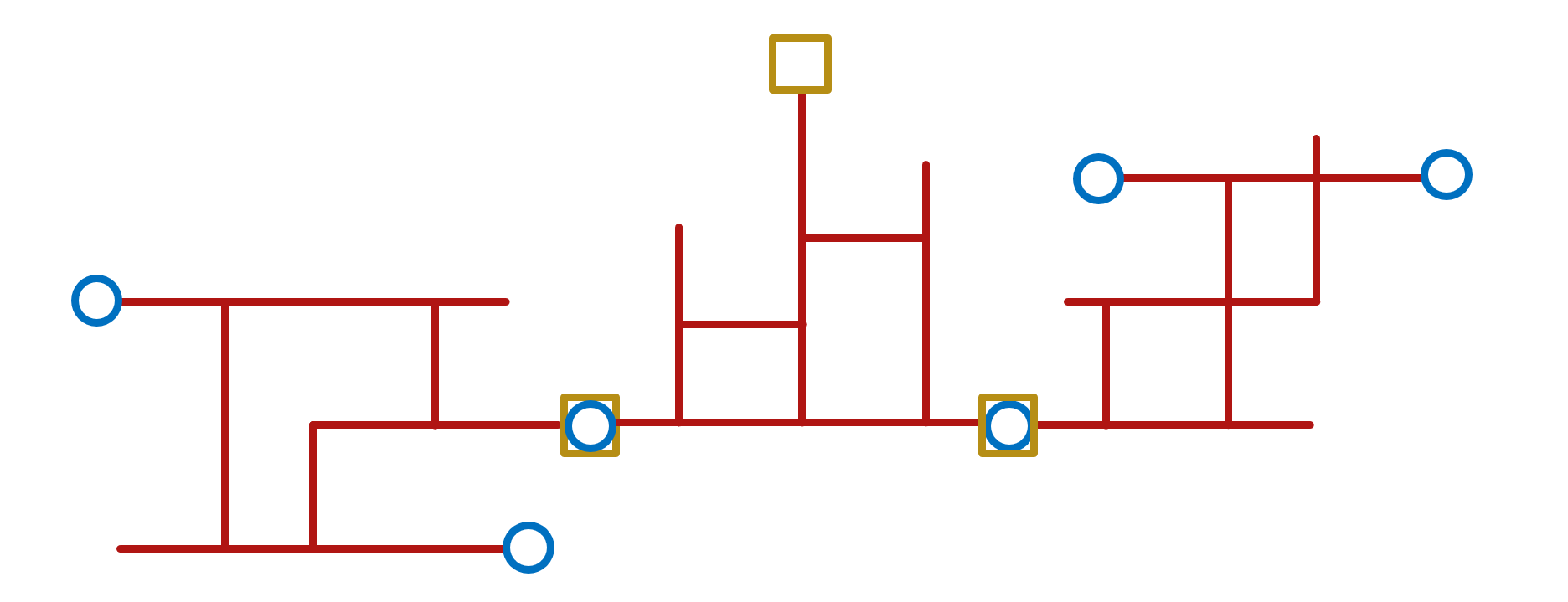
Interconnectedness means that it’s possible to get to the vault without visiting every room. Don’t think of this as bypassing part of the dungeon; the GM’s job is not to ensure that every room gets visited but to create a living location that’s ripe for exploration–perhaps more than once.
And consider the fact that a treasure vault doesn’t even need to be connected to the main dungeon; it can be accessed from a hidden entrance on the surface that the heroes only learn about by exploring the main dungeon. But it’s also good if treasure is scattered thruout the dungeon, ensuring that more exploration means more reward.
Connections don’t have to all be staircases. Consider:
- Steps, staircases (straight and spiral), and slopes
- Slides and chutes
- Water slides, flumes, and walkable water channels
- Elevators (magical or hand-operated)
- Teleportation portals (A portal within a dungeon could go elsewhere in the dungeon, and a portal outside could go inside the dungeon.)
- Chimneys and air vents (A fireplace in a dungeon needs a way for smoke to get to the surface, and if it’s big enough and straight enough, the heroes can go down it.)
- Sinkholes (could have several openings into the dungeon at different levels)
- Windows and balconies (in a tower or cliff-side ruins, could be a way to reach a higher story when the stairs are blocked with rubble)
Stacked Spaces
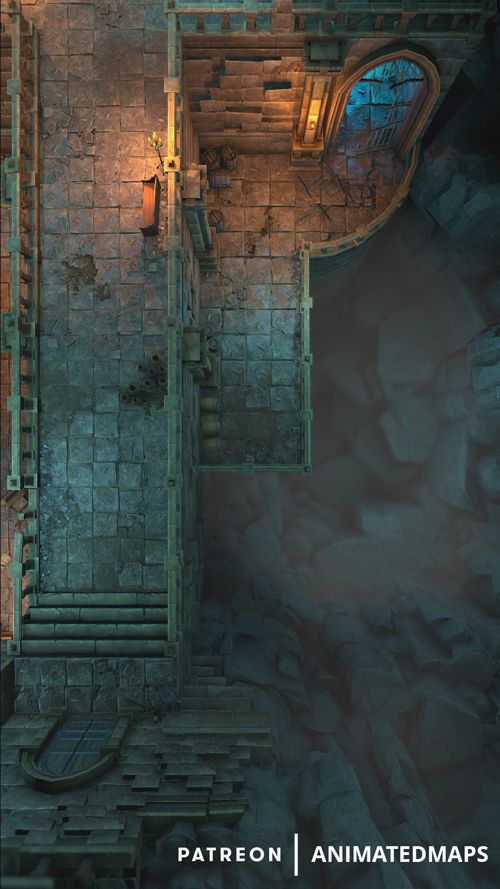
There are many ways to connect dungeon levels. Use changes in elevation, over- and under-passes, and multi-level chambers for more interest. In a ruins, part of the diagram can be exterior spaces while others are underground chambers. There are a few good reasons for elevation changes:
- In order to allow for another level of the dungeon, putting new chambers under the previous chambers. These should connect at more than one point.
- The surface ruins follow the shape of the hill; the cellars under them are different elevations, so the cellars need stairs and slopes to connect.
- Miners were following a vein of ore.
- The stone in that direction was easier to work.
- The symbolism of descending (to a temple) helped to awe the faithful.
An intersection on the diagrams above could be a two-level chamber with two doors at floor level and one other door on a balcony level with stairs, a ladder, or a magic elevator to connect them. They don’t even have to be connected. Maybe the old stairs have crumbled, and the heroes are on their own as to how to proceed. Or it’s a pit trap that drops you into a prison cell on the level below.
Chances are you’re not an architect. Find photos and art of interesting ruins and underground chambers. Use them as visual aids or inspiration. Make a location worth exploring even if it were empty.

Compactness
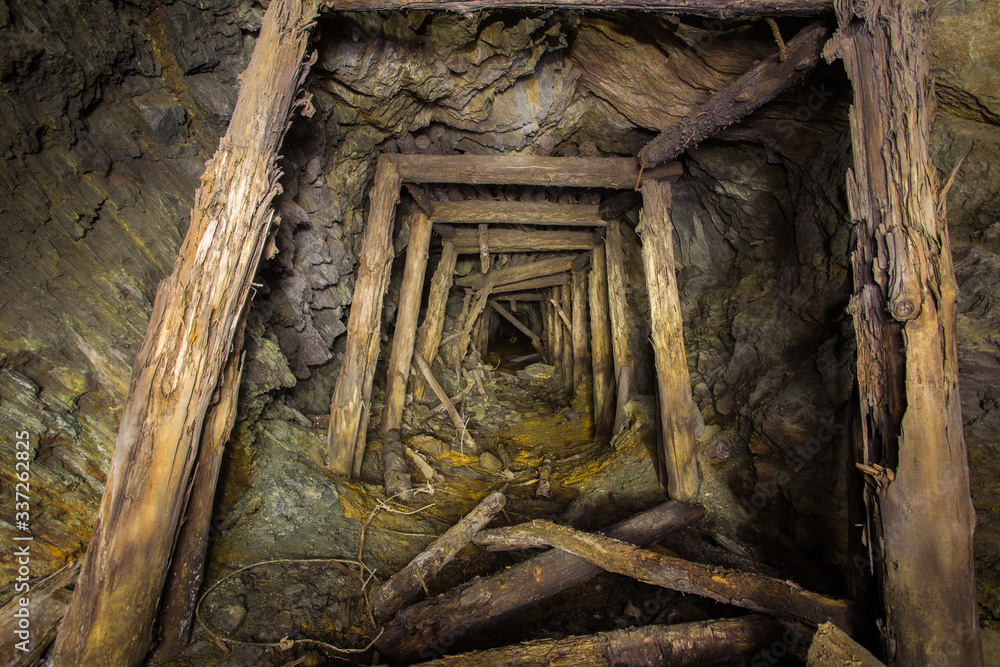
If you’re digging subterranean chambers, you probably don’t want to dig any more than you have to. If you’re starting with a natural cavern, you’ll just widen narrow passages and flatten out the floor and connect chambers here and there. If you’re mining, that means following a seam or vein whichever way it goes and not bothering to do much squaring off of corridors. You’ll probably only dig chambers when you need to create a storage or staging area for the next level. But you probably will dig a central shaft that connects the different levels, so miners can reach the furthest corners easily.
Depending on the material you’re digging in, you may need to shore up the walls and ceilings with timber or rock supports. Since this sort of thing decays (especially if there is water dripping thru cracks), such tunnels tend to collapse over time. And those that aren’t collapsed could be weakened enough to be dangerous if someone were to go around casting spells….
If you’re digging a lair or cliff monastery, you’ll probably focus on chambers and have very short passages connecting them. The spaces between the chambers need only be 5 feet at most and 2.5 feet is usually plenty. Large chambers will have vaulted ceilings and and columns to keep the ceilings from falling in, altho that may eventually happen in some places and contribute to the abandonment of the place.

Interactive Spaces
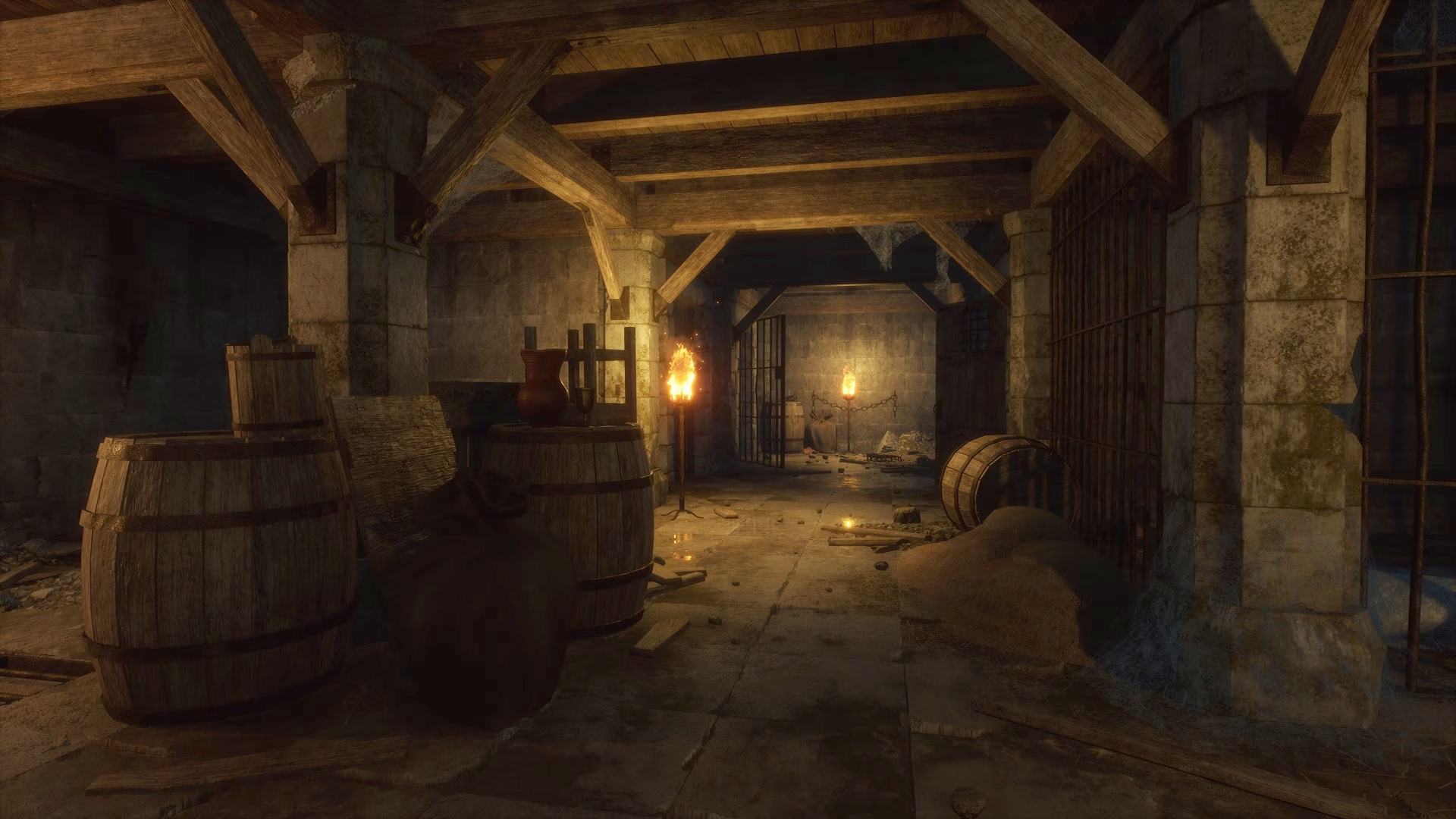
And be sure to make your rooms interactive. Provide plenty of furnishings, rubble, and whatnot for heroes to use, investigate, or play with. Make the heroes interact with the objects in part by putting them in their way as obstacles and in part by making them obviously useful, such as barrels that can be set up to allow access to the top of something. You only need to do this a little to give the players the idea that they can move things and use them.
Make some spaces flooded with water or just muddy or covered in mundane moss or crystals. Underground passages are fine, but challenge yourself to design ruins with ceilings open to the sky. These can be overgrown with ferns and vines, creating a completely different feel from subterranean tunnels.
Consider how furnishings and rubble can be used by characters both as the objects they are and as cover. Use them to block certain lines of site; this can be done with columns, statues, blocks of stone, curtains, screens, and even smoke/steam, shadows, and illusions. Kobolds and goblins wouldn’t bother installing doors on every chamber, but they would make use of simple screens and curtains.
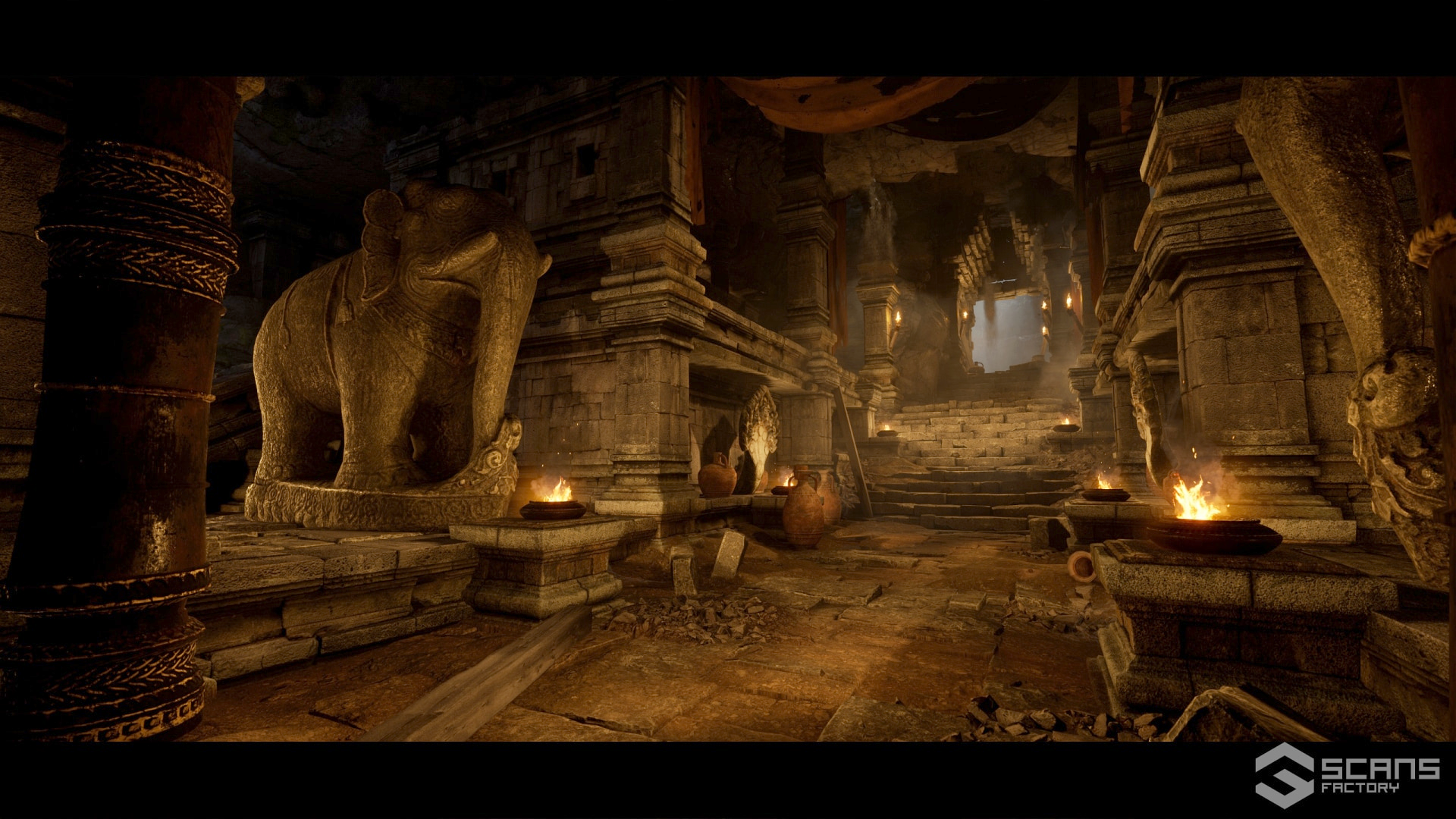
- Low objects create obstacles to movement and may hide small creatures.
- Rubble, urns, stools, small barrels, chests, baskets, piles of refuse, corpses
- Medium objects that are knocked over
- Medium objects create cover and concealment and may create opportunities to gain the high ground.
- Rubble, barrels, crates, furniture, large urns and baskets, sarcophagus
- Tall objects that are knocked over
- Tall objects create screens that block sight-lines and may possibly be toppled. They may even allow certain creatures a vantage point from which to pounce.
- Statues, large barrels, screens, broken columns, brazier-holding columns
- Large decorative structures
 zarban.com
Leave a comment