

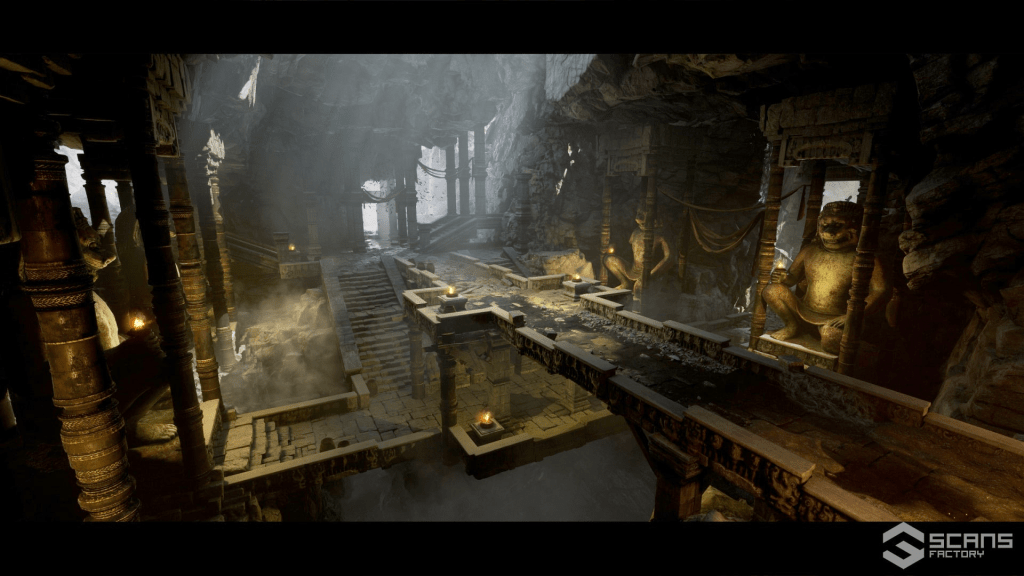
Connections don’t have to all be staircases.
Categories
- Stairs & Slopes
- Slides & Chutes
- Water Channels & Wells
- Elevators & Ladders
- Teleportation Portals
- Chimneys & Air Vents
- Sinkholes & Chasms
- Bridges & Catwalks
1. Stairs & Slopes
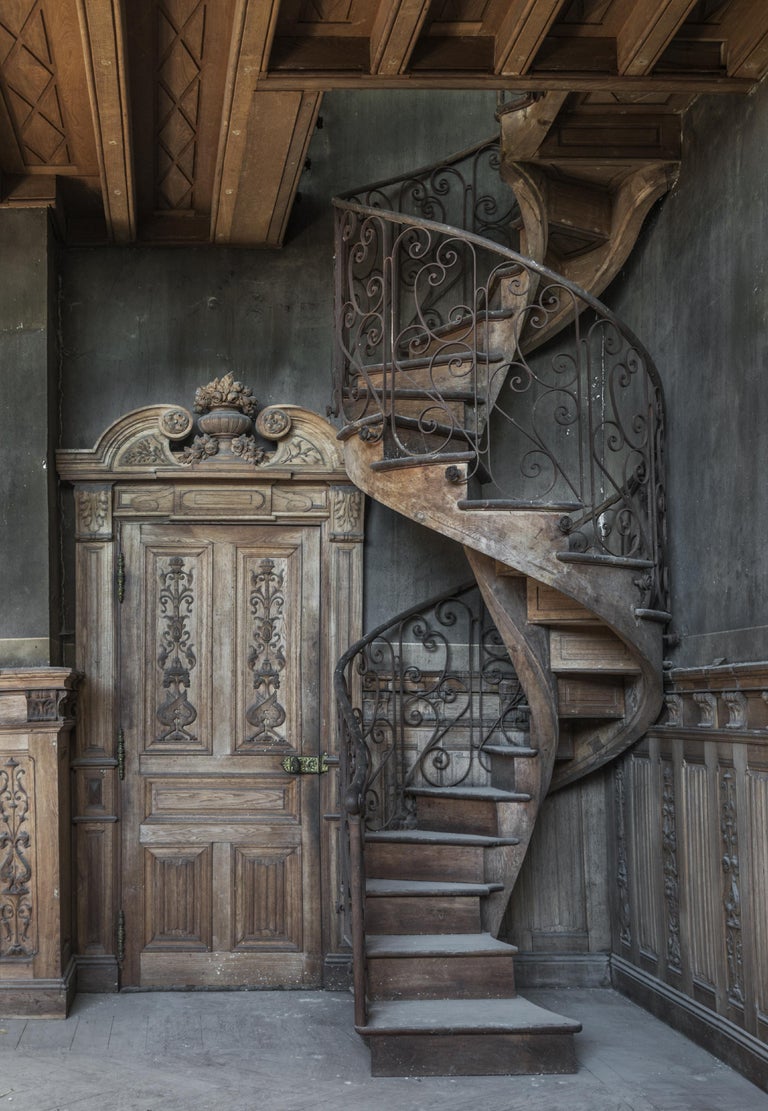
These include a few steps, a whole staircase (straight and spiral), and gentle slopes. A staircase can lead to a whole different level or merely a mezzanine or balcony. Keep in mind that stairs are often ganged together, so people have the option of going up or down from the current floor.
In natural areas, slopes can be steep and border on slides, especially if slick with dripping water, oil, grease, slime, ice, etc. But stairs can also be dangerous when slick. Some stairs can also be trapped to collapse into a steep slope, effectively becoming a slide.
As a rule of thumb, you need 10 feet of floor plan for a staircase that rises or falls 10 feet (that is, the level has 10-foot ceilings). This is steeper than a modern staircase, which explains why ancient dungeons so often fail code inspection.
Slopes must be much longer. You need about 60 feet of slope to gain 10 feet of rise or fall. This is steeper than comfortable (a modern wheelchair ramp is half that at most), but walkable enough. Of course, people can fairly easily walk much steeper slopes if they are dry and clear of gravel. But even a modern wheelchair ramp that is slippery is a very difficult climb.
2. Slides & Chutes
These include open slides and enclosed chutes as well as water slides and flumes. Such things are often used to move material from place to another. This can include ore in a mine or food to hungry crocodiles.
The slide can split, so the heroes might have choices (altho, in real life, this would likely result in serious injury by colliding with the split), but they would need to be marked for the choice to be meaningful. Of course, at the end of any decent water slide, there should be an abandoned pirate ship.
3. Water Channels & Wells
Water often penetrates the ground and flows in underground channels that may be found and walked–if they’re shallow–or boated–if they’re deep. They may have been carved into the dungeon on purpose or found by digging.
Real dungeons often had wells, which in a fantasy world might have a side opening to another level. Or a well on the surface ruins could open into an underground chamber that’s flooded (the bottom of the well) or that itself has a deep hole to a water source.
4. Elevators & Ladders
Elevators can be magical or hand-operated. They are typically counter-weighted and may have to be repaired before use. Those that use chains are more reliable; those that use ropes may be decrepit and therefore perilous.
Ladders may have to be assembled or repaired or else brought in from another room. Both a third dimension to a space, allowing access to things are areas not otherwise accessible except by magic.

5. Teleportation Portals
A portal within dungeon could go elsewhere in the dungeon, and a portal outside could go inside the dungeon. Portals can be one way or two-ways. Their destination can be pre-set or can be changed with levers or dials.
A portal can take the form of a large stone or metal circle, a doorway, a mirror or painting the heroes can step into, a book they can crawl into, or a hole they can fall into. It can be fixed or portable. And it can be permanent or require activation and even repair.
6. Chimneys & Air Vents
A fireplace in a dungeon needs a way for smoke to get to the surface, and if it’s big enough and straight enough, the heroes can go down it.) Real dungeons also had air vents to ensure fresh air. (Remember that all light was provided by burning things, so these often served as chimneys as well.)
A chimney or air vent could be disguised on the surface as the chimney of a dwelling. Or it could be an alternate entrance, so it might have a ladder built into it. Even if it doesn’t, it could be relatively easy to climb, or the heroes could descend and ascend using a rope.
7. Sinkholes & Chasms
A sinkhole could have several openings in its sides as well as a chamber at the bottom. It could be on the surface, allowing access from there into the dungeon at multiple levels, or it could be inside the dungeon, going deeper.
It could even just be a hole in the floor into the chamber below, its ceiling having collapsed due to lack of proper support or water intrusion.
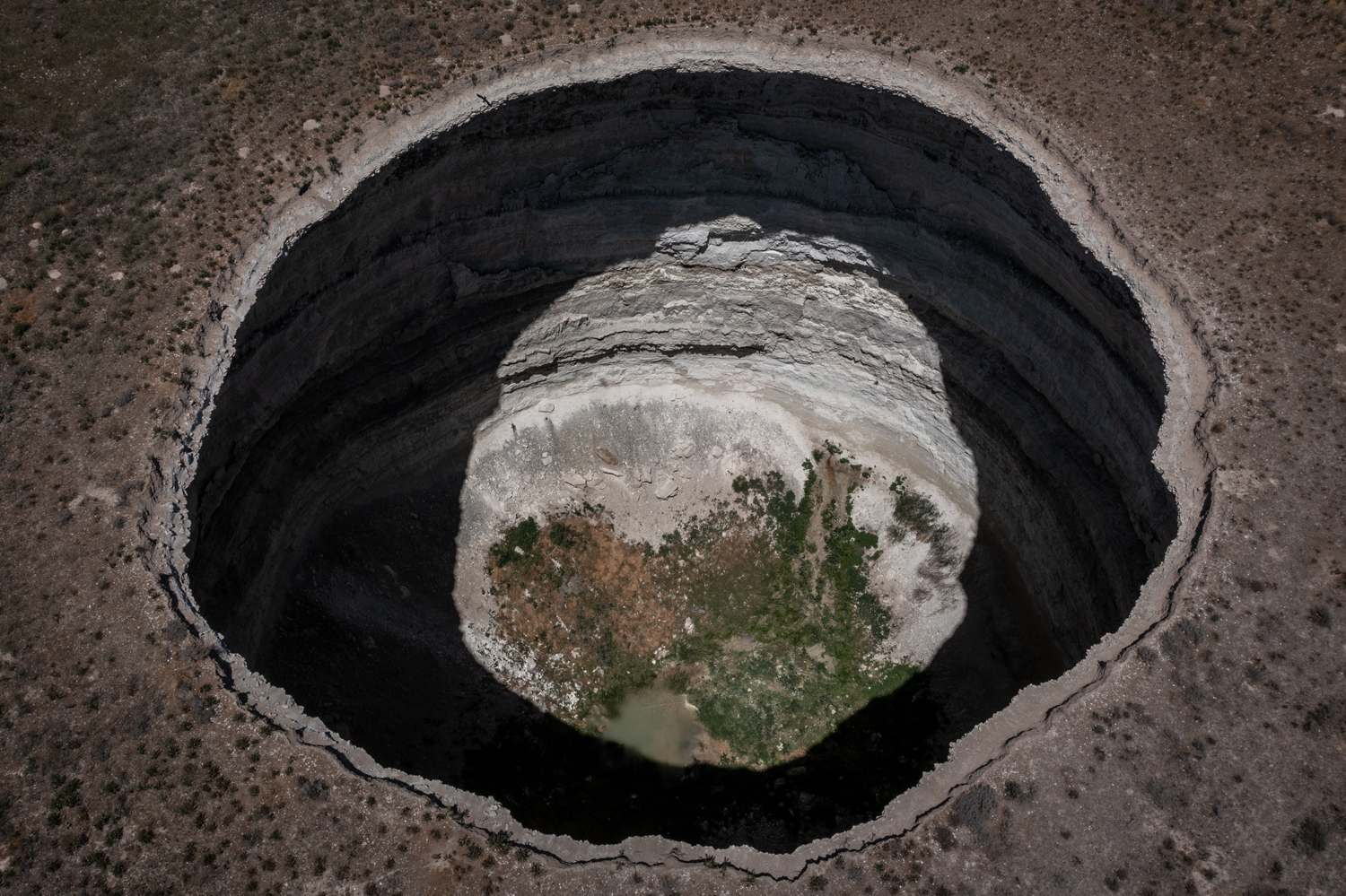
A chasm is a split in the rock that might go multiple levels. They can be quite narrow–and also stable–and so are often bridged or just jumped. And yet, that chasm you jumped a while back might turn out to be the quick way out you need when you’re deep in the dungeon.
8. Bridges & Catwalks
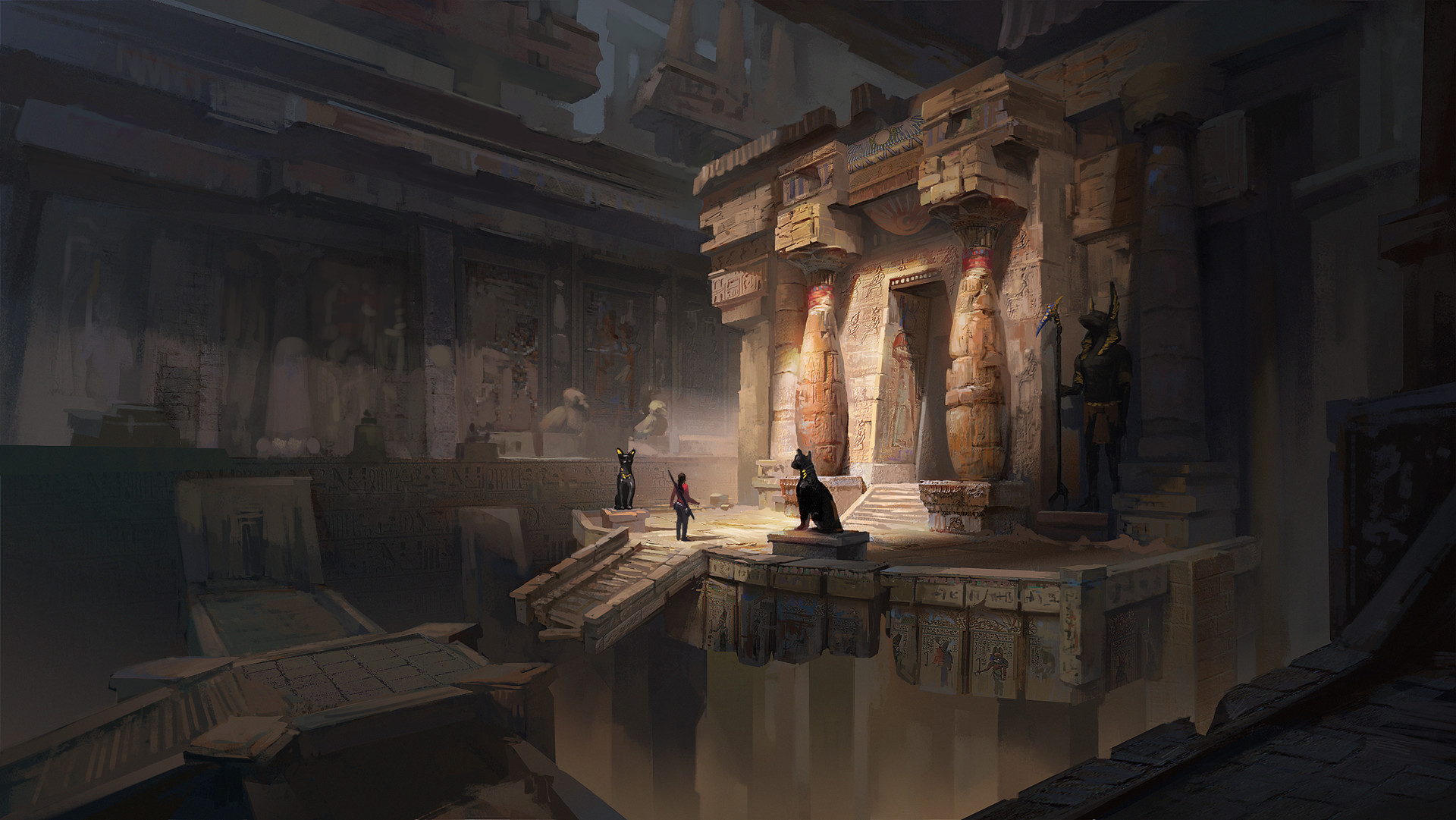
Bridges and catwalks can span chasms or corridors, rivers or ravines. A catwalk or balcony allows opponents to hurl missiles down on the heroes or vice versa, depending on which way the heroes enter the chamber.
 zarban.com
Leave a comment