

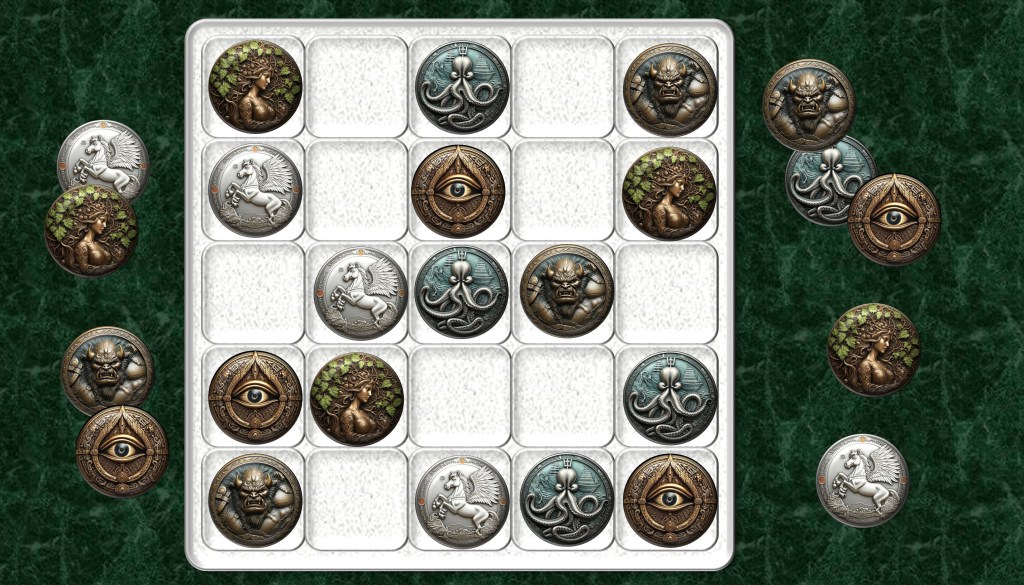
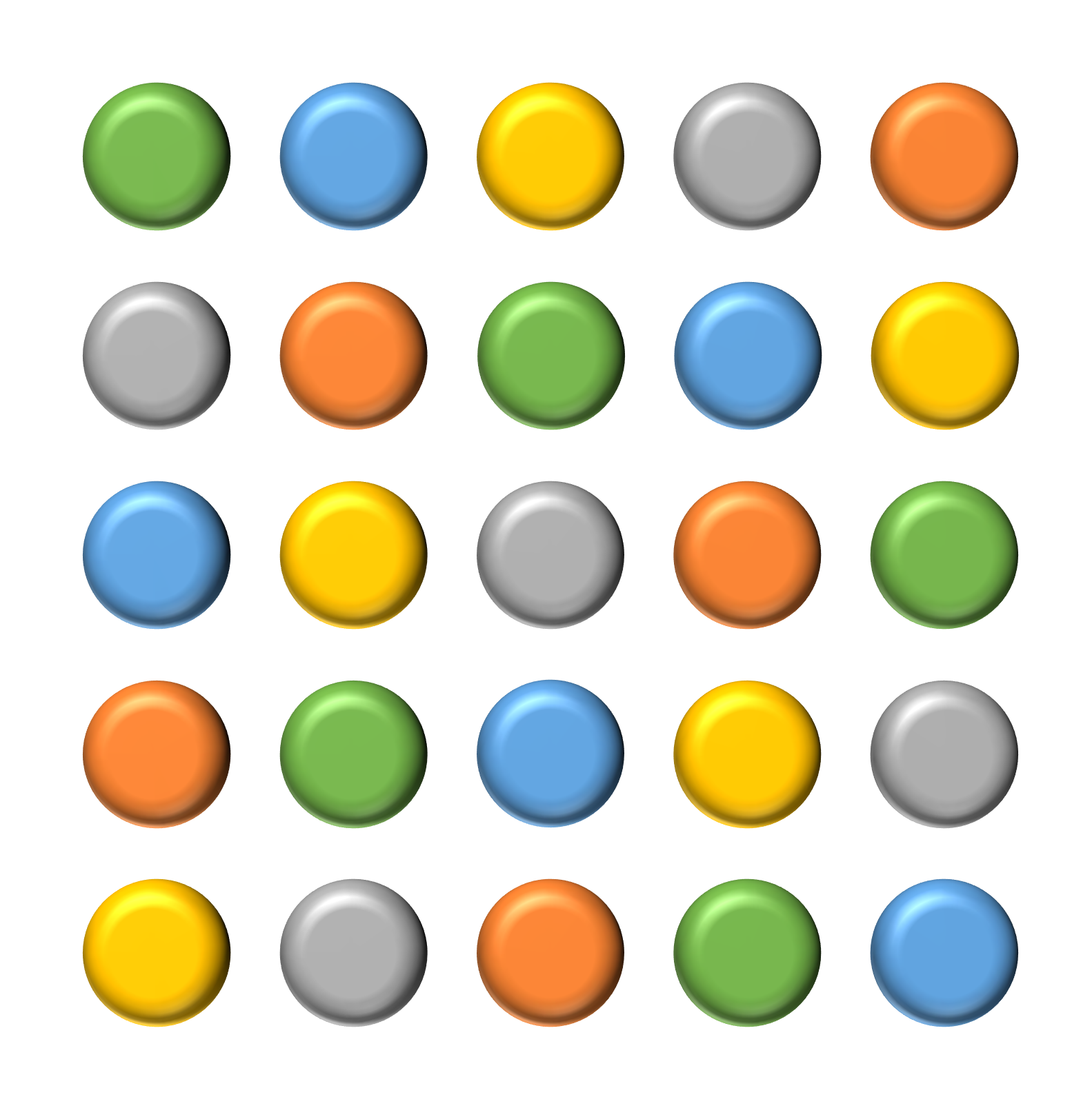
This puzzle (called devil’s square or Latin square) is for a druid’s grotto or the inner sanctum of a neutral order of knights. Perhaps the heroes find a hidden cave near a pool of water fed by a clean brook, an idyllic place used by a druid. Inside the cave is little more than a stone square on a pedestal with 5 rows and 5 columns and a small pile of colorful stones. There are 25 stones, 5 of each color.
They must solve the puzzle in a way that represents “balance in tension”, a precept of neutrality that suggests a wide variety of life is helpful for ensuring harmony in the natural world: monsters, people, predators, prey, and plants, for example.
The heroes have been told, perhaps by the druid himself or herself, that they need to place all the stones in in the square so that no stones of the same color are in the same row, column or diagonal.
When this is done, a magical portal will open, allowing them to travel to the location they wish to visit or giving them access to the druid’s inner sanctum, perhaps to rest safely for the night or to meet its occupant with proof of their worthiness.
Solution
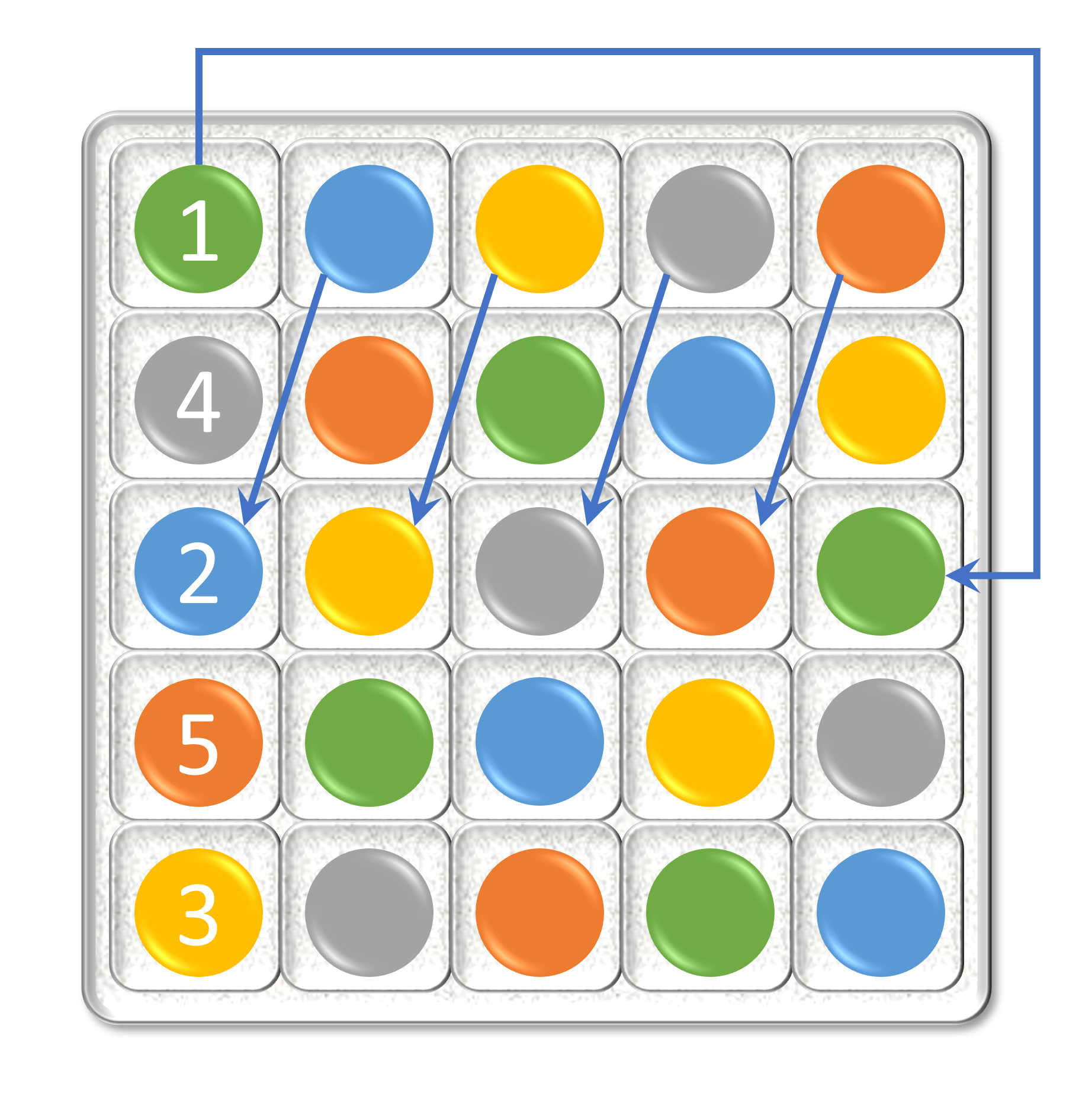
- Take one stone of each color and place them along the top row in any order.
- Place the same colors in the same order on the third row, but shifted one to the left. The first color stone moves to the last spot.
- Do this again on the bottom row.
- Copy the bottom row to the second row, again shifting the colors one to the left.
- Copy the second row to the fourth row, shifting each color to the left.
Note how the rows are staggered to ensure that there are no diagonals with the same stones in them. This is also a method for tiling in a pleasing “random” pattern with any set of tiles.
Fidget Puzzle Version
If you prefer a simpler solution, don’t bother with the requirement that no piece can share a diagonal with others of its color or maybe just say it can’t be five in a row (the main diagonals).
Or you can make it merely a 3×3 board instead of 5×5.
Variation
A variation on this idea provides the top row and one or more entries elsewhere, ensuring that there’s only one solution. This type might be useful for a door that opens with a password, with a clue to the password produced by working the puzzle. (So, it’s a type of password reminder for the dungeon creator.)
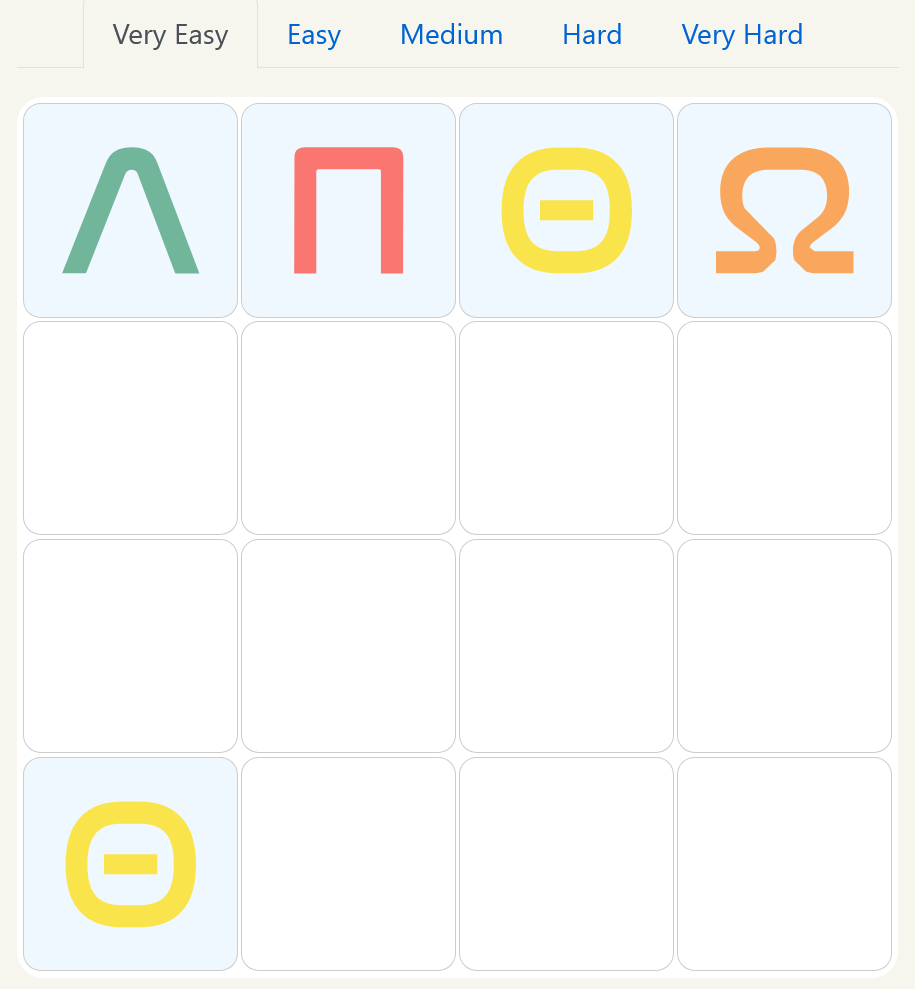
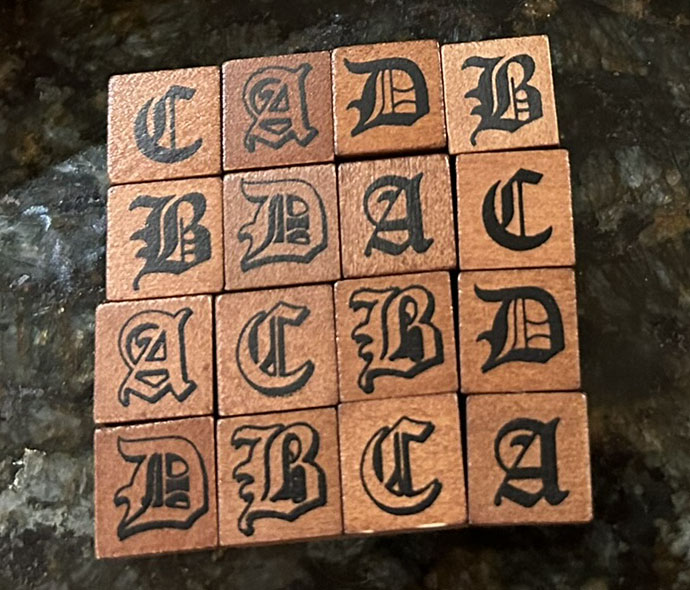
In this version, it’s okay for two of the same color of tile to touch; there just can’t be more than one in any row, column, or main diagonal.
You can find examples of it at Aha! Puzzles. And they’re also available as physical puzzles, altho you can make your own easily enough out of any sort of block. The version that I have (at right) is called the “Shakespeare word puzzle”.
Keep in mind that challenging puzzles are fun when you choose to sit down to work one but tend to be annoying if they are thrust upon you as an obstacle to some other goal. So stick with simple ones.
Making a Board
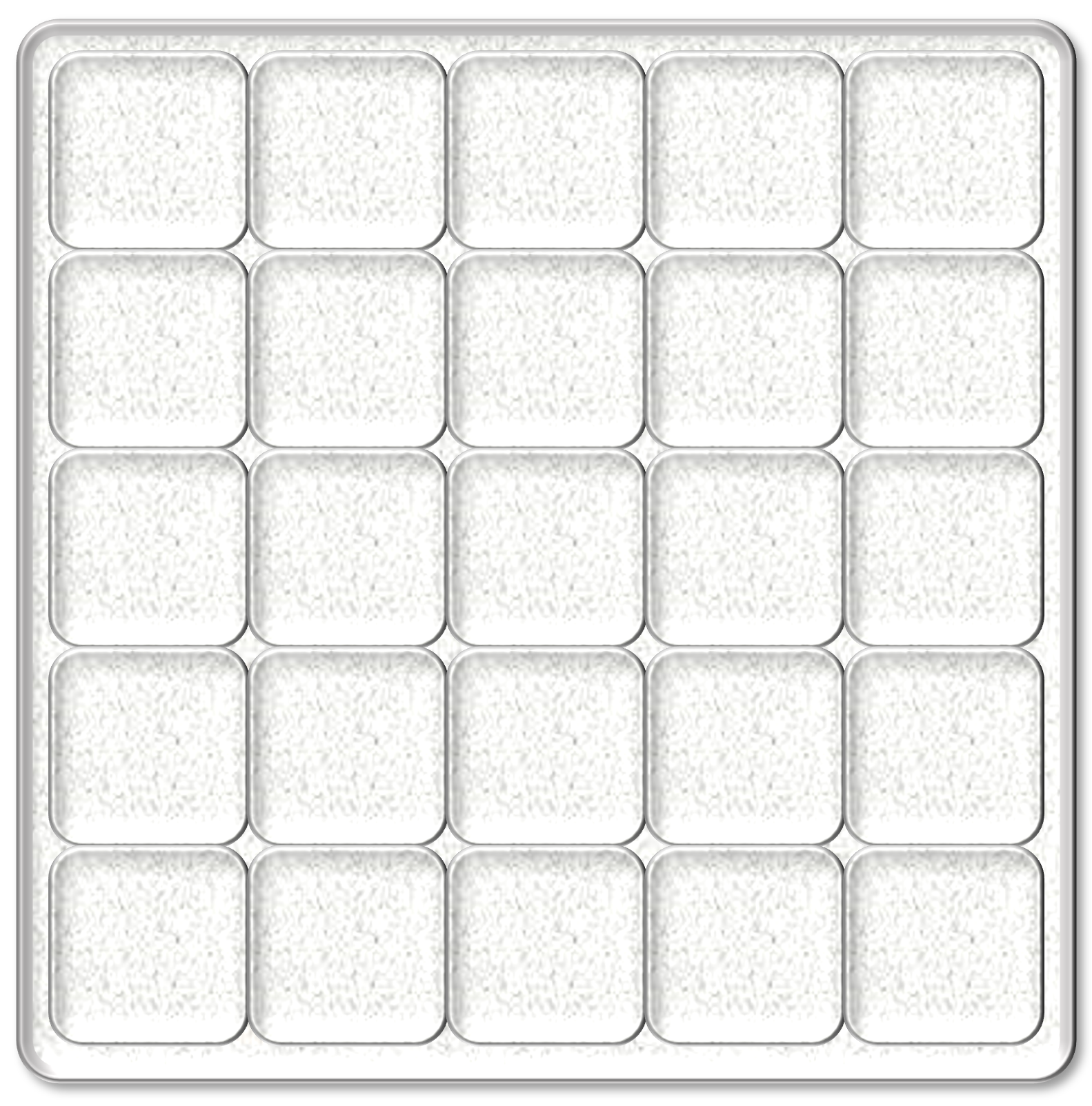
If you use an erasable battle mat or something similar, you can just mark off a 5×5 grid.
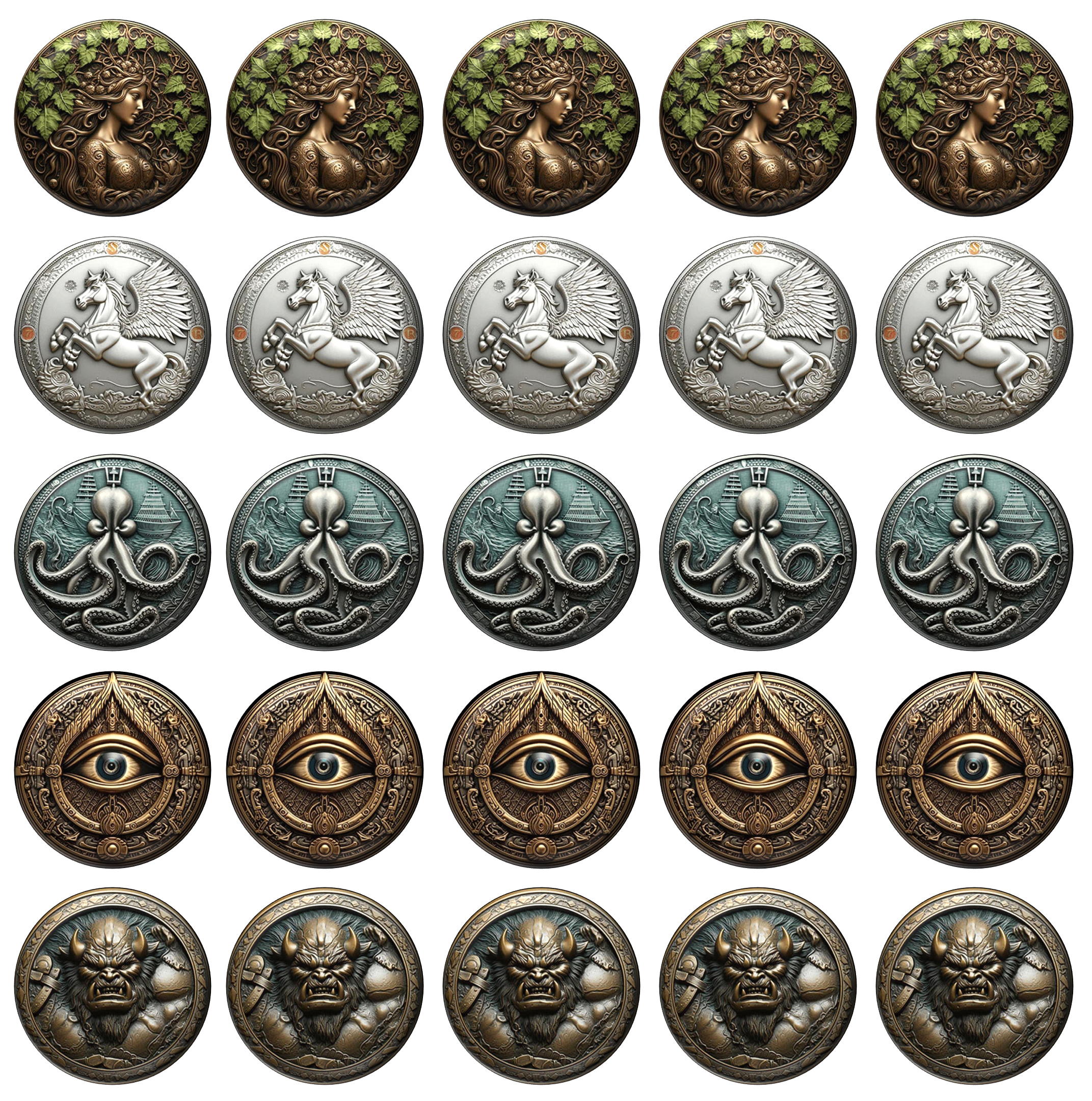
Otherwise, you can print out the blank square here and use coins, glass gems, buttons, pawns, or other tokens you have quantities of, such as miniatures of goblins, orcs, knights, peasants, etc.
 zarban.com
Leave a comment