


Myst was released in 1993 and followed up a few years later by Riven from Cyan. These were very similar exploration games loaded with points of interest and structural puzzles in the interest of solving the mystery that amounted to “What the heck is this place and what happened to the people who built it?” It offers, I think, some very interesting food for thought about what a good exploration adventure should be like.
A couple of years ago, Myst was remade with slick new graphics and is a joy to look at. Gab Smolders posted a great walk-thru. Riven is set for a similar remake.
Baron de Ropp explored Riven specifically as inspiration for D&D….
Exploration as Its Own Reward
The core of the Myst games is exploration. You find yourself, Zork-fashion, at the front step of a strange island without explanation and walk around it purely out of curiosity. There are strange machines, switches that don’t do anything (yet), a broken ship, and more. Before you’re done, you’ll travel to other strange worlds and find many clues and curiosities.
There’s no time limit, no hand-eye coordination, no opponents–just interesting spaces for you to traverse and things for you to play with. It’s really the opposite of a game. This is fundamentally the concept of a playground.
The curiosities and puzzles are integrated into the world as machinery that has a specific purpose. Some of the clues are a bit ham-handed–scraps of paper lying out in the open, for example. But overall the effect is marvelously eerie and naturalistic. By comparison, many puzzles in other games, even many years later, feel shoehorned in.
Things Meant to Do Things
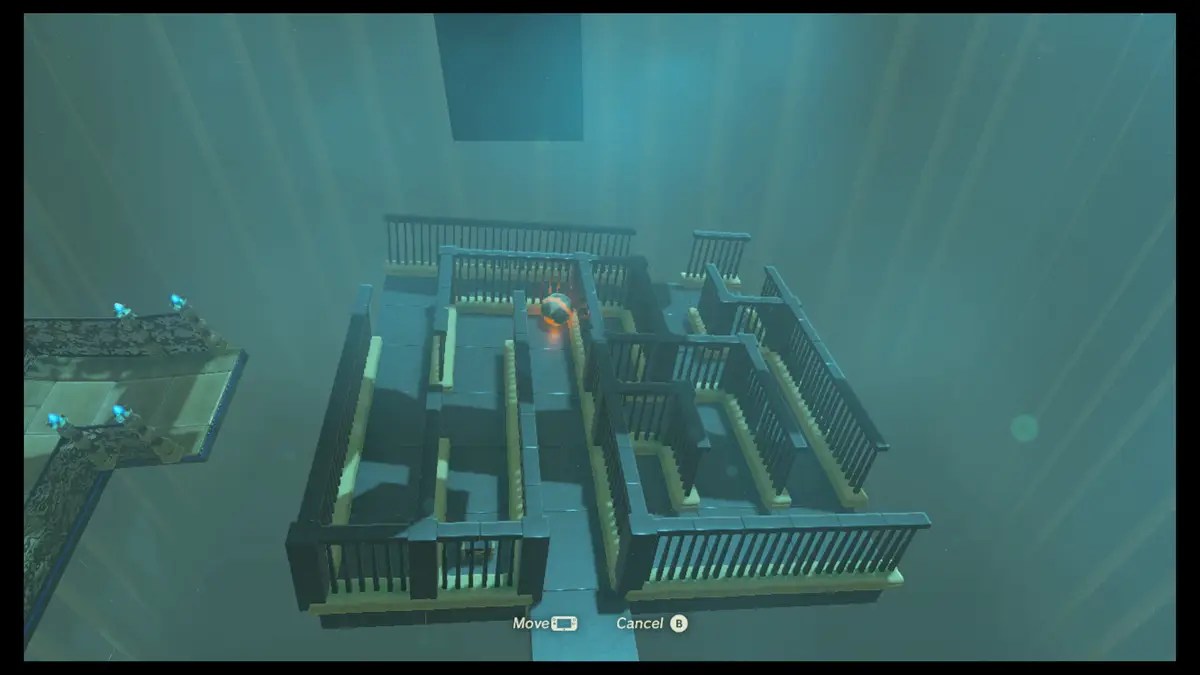
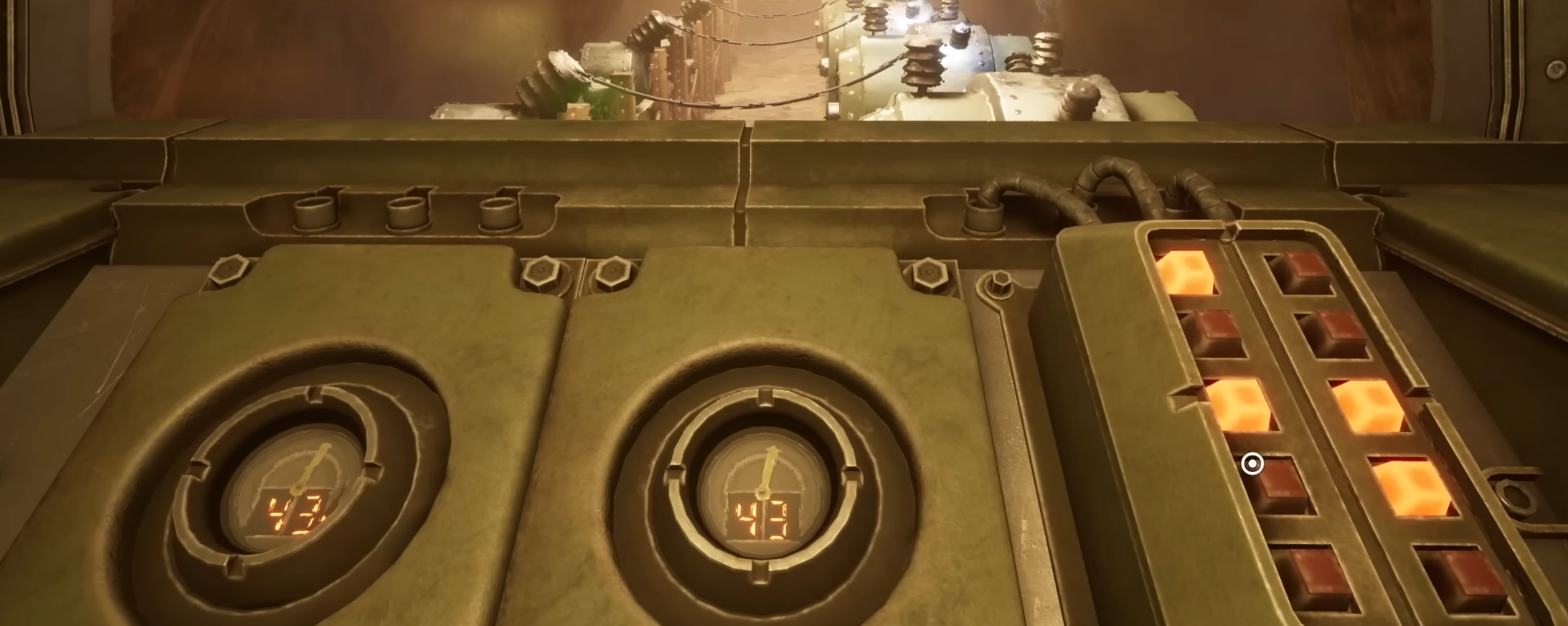
The interactivity of the space is key. Things exist to do something. And using them–at least once they’re activated–has some discernible effect. Buttons, levers, pull-chains, knobs, cranks, and so forth are key elements to this.
A great moment in Gab Smolders’ play-thru is when she finds a map with a knob and, turning it, hears a loud, metallic grinding noise coming from outside the room. Her reaction, “Maybe I shouldn’t touch things right now,” is a classic “what have we done?” moment. The thing is an obvious device meant for doing something, obviously does something when she operates it, but what that exactly it does is mysterious and unsettling.
Backtracking as Owning the Space
Myst requires a huge amount of backtracking, something that a lot of games–including D&D–abhor. But backtracking is only bad if it’s done because you’ve run into a dead end. If it’s done because you need something from one room to use in another room, it feels natural. Of course not every tool is in the room where you need it. That would be too easy and wouldn’t make sense.
If it’s not a clumsy fetch-quest (“Collect the five keys hidden around the dungeon!”), it’s fun to run around a map and get used to its layout. “Oh, I bet we need the idol from the priest’s room, so we can put it on the altar!” or “Hey, we need a heavy weight to hold this thing down. What was in that other room?”
The backtracking ends up making you feel comfortable all over the island. You remember things that seemed of no account at first and now seem useful. Once you realize what you need, you know where you can probably find it or where you probably should explore next. It’s exhilarating.
Overarching Story Revealed
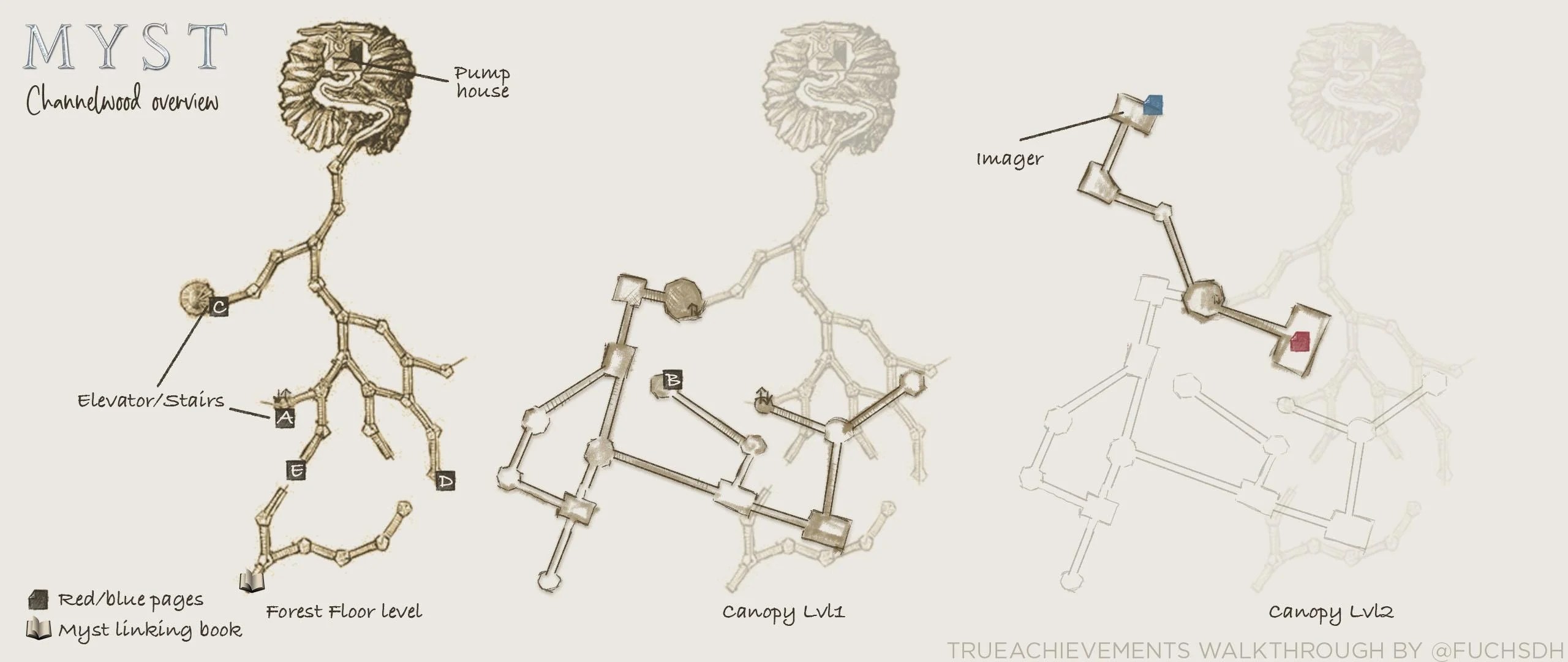
All this is in service to an overarching story about two brothers imprisoned in separate books, probably by their father, who apparently created this mysterious island. (The Mysterious Island, the Jules Verne novel, is where the game gets its name and theme.)
The story is revealed in pieces, many of which come in the form of communications from the former inhabitants to each other (notes and video messages) and to you, the player (requests for rescue). This dribbles out the lore in bite-sized chunks–altho the handful of journals all found together amount to quite a lore dump. Some later investigation games overdo this with too many notes, letters, journals, and annotated photographs (I’m looking at you, The Bed We Made).
The original Myst and its sequel Riven were tremendously successful. The series continued with further sequels and even novels that expanded the story, with fading success, since the original creators left for other projects, and there’s only so much mystery you can milk out of one concept.
If you liked this, read on about how you can apply these principles to your RPG adventures.
 zarban.com
Leave a comment