

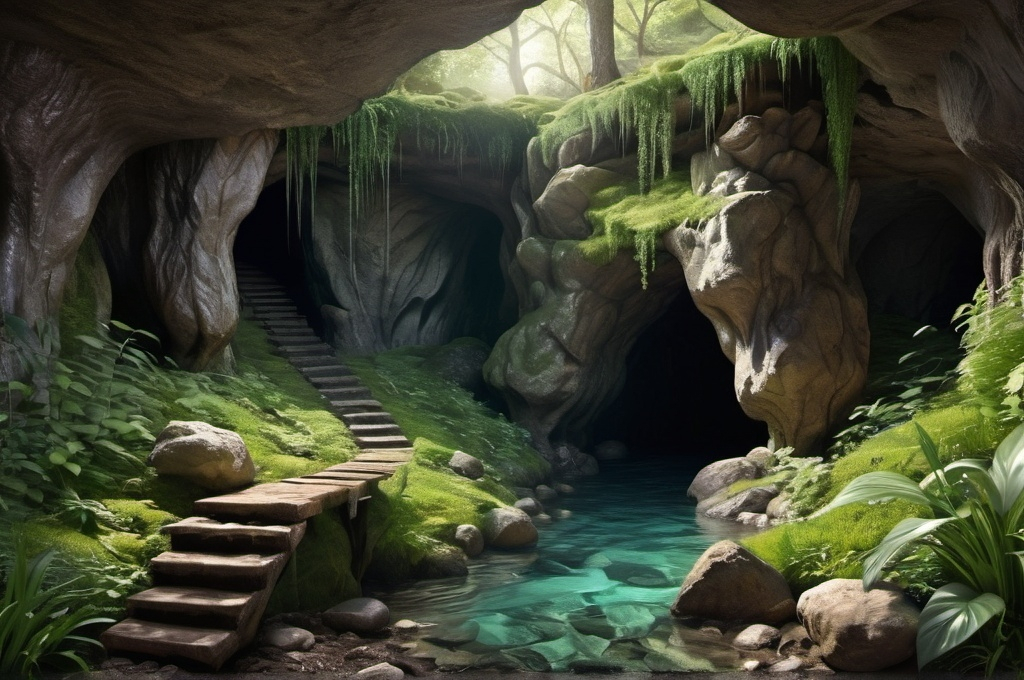
Lairs come in all shapes and sizes, from cellars to caves to subterranean cities. This is the first in a series where I’ll explore various types of dungeons, and we’ll start with the classic monster lair. This is meant to explore more specific locations than I covered in my posts about dungeon theory and dungeon layout.
Defenses
Lairs will commonly feature defenses, such as traps and locations from which the inhabitants can attack from cover. And any of these can include a mystery chamber that is a natural cavern or left over from some earlier use of the chambers by other creatures, including people.
An ogre or band of goblins might just ignore the weird chamber out of fear of its eerie, ancient idol or a bad experience with some trap/puzzle/ancient guardian or because it has yellow mold or an ooze (which they feed with their waste and scraps).
Natural Caverns
A lot of lairs should make use of natural caves and caverns that the inhabitants expanded. A large natural chamber might be subdivided with stacked-stone walls that don’t even reach to the ceiling. Tight squeezes and low ceilings will usually be eliminated, but what’s comfortable to goblins isn’t necessarily comfortable to humans.
Sheer drops of 30 to 100 feet are fairly common in caverns, so a “pit trap” may actually just be a natural pit the inhabitants avoid, disguised, or bridged with a beam. Rises and ledges are equally common, so climbing poles (small tree trunks with branches removed) should be leaning here and there.
Air & Smoke
Humans will typically carve air vents and chimneys into underground chambers later used by monsters. And natural caverns may have a narrow natural vent to the surface (possibly also used as an emergency exit). Humans may use their chimneys for cooking fires, but heating underground chambers is not usually necessary; monsters and even humans can live in the natural, year-round 55F (13C) temperature of underground chambers. In some cases, humans and dwarves might heat/cook with portable braziers burning charcoal, which produces much less smoke than wood or peat.
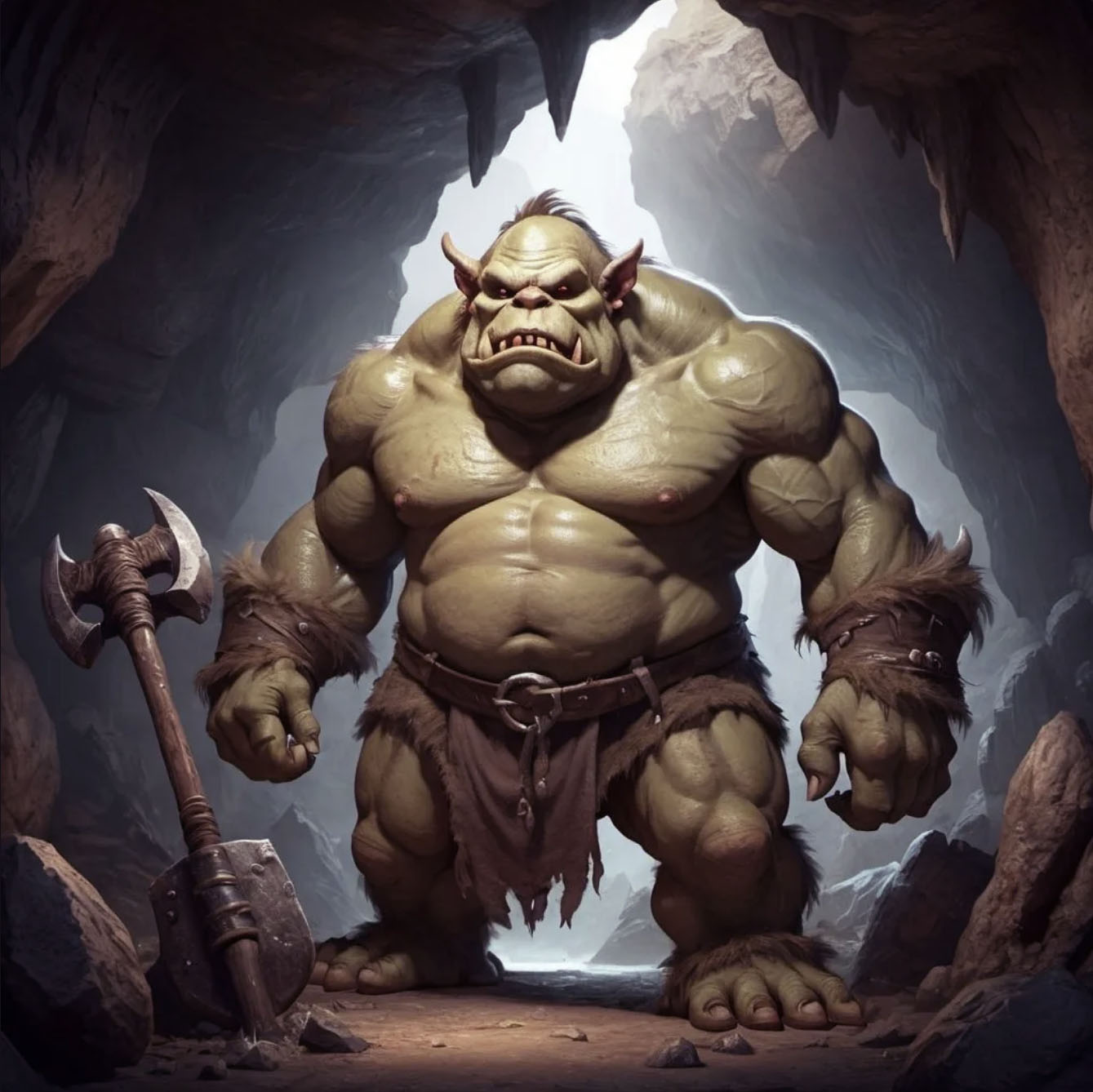
Ogre
- Exterior campsite with refuse pile and possible water source (river, pond, etc.)
- Entrance chamber
- Kennel (optional wolf, dire wolf, big cat, etc. kept as pet and guardian)
- Main hall (defensible in some way, perhaps merely with a barrier the ogre can step over)
- Storage room (weapons and treasure)
- Storage room (food and captives, may include a natural pool that is a second source of water)
Humanoids
Different humanoids prefer different kinds of lairs, but those who prefer underground dwellings will have a camp on the surface and subterranean chambers they can retreat into if attacked or when they sleep. The chief and his mates will tend to remain in their chambers when not needed for war parties or hunting and foraging. For those who like to occupy surface buildings abandoned by humans, they will designate certain structures as if they were the underground chambers below.
Regardless, the camp will often be surrounded by a ditch topped stone cut from their tunnels. Secret entrances/exits will be outside the fortifications and disguised.
- Exterior campsite with refuse pile and possible water source (river, pond, etc.)
- Entrance chamber (with a trap or fortification)
- Guard post
- Kennel (possible wolves, dire wolves, bears, etc. kept as steeds and guardians)
- Common room
- Armory (weapons and armor)
- Storage room (food and captives)
- Well or natural pool
- Refuse room (emptied out from time to time)
- Room or hallway where mushrooms, moss, etc. are grown as supplemental food
- Chief’s mates’ chamber
- Chief’s chamber
- Chief’s storage room (weapons, armor, and treasure)
- Secret escape route (could be thru chief’s storage room or mates’ chamber)
Dragon
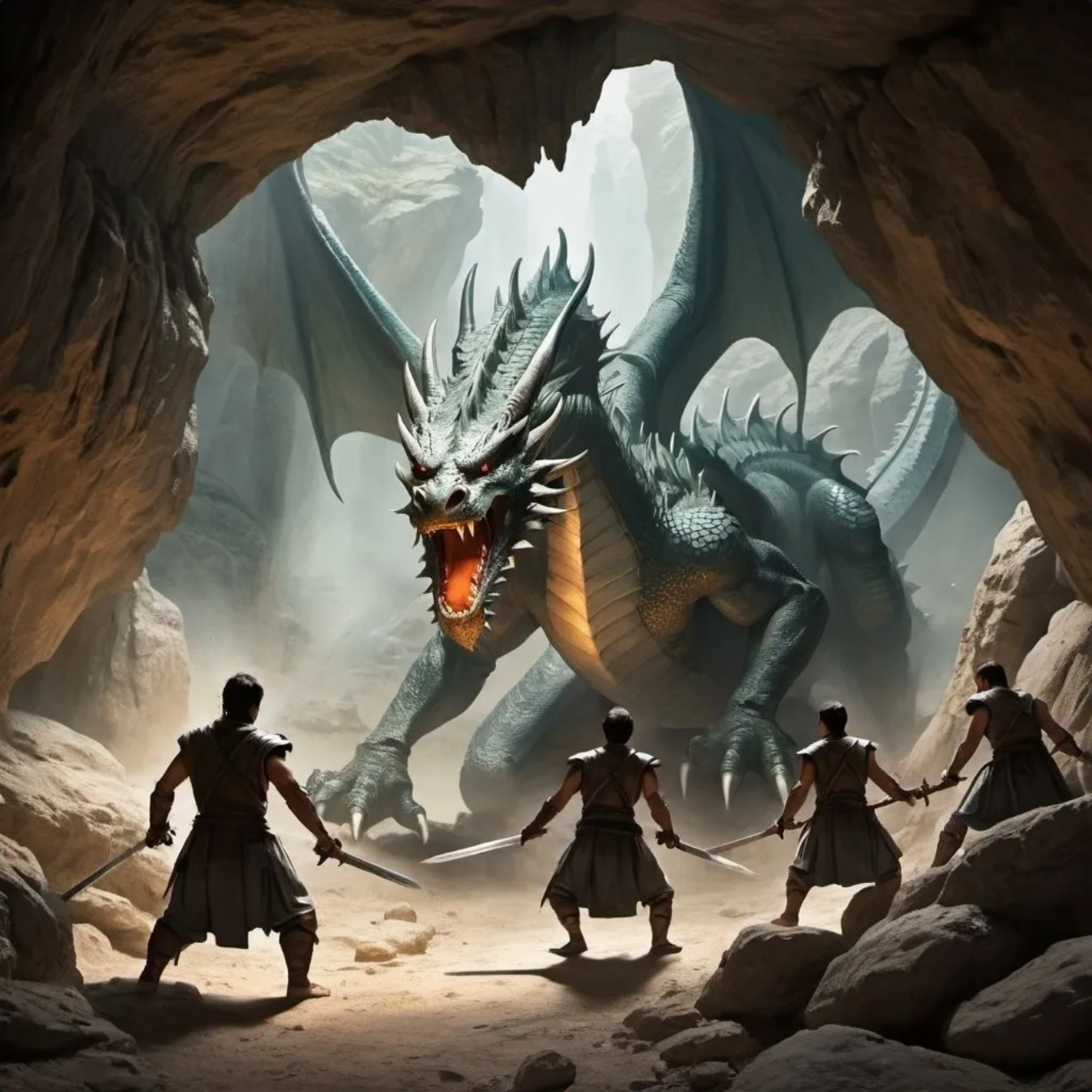
Dragons can both climb and fly, so they favor a vertical shaft they can crawl up and down, perhaps big enough that they can fly out if necessary. This helps keep intruders out. They may take up residence in some old dungeon dug by someone else, but the part they use doesn’t need to be big. It mainly just needs a nice big chamber for a den.
- Entrance
- Near vertical tunnel down (to deter dragonslayers)
- Landing chamber
- Great hall (main lair chamber, with treasure)
- Lesser hall (secondary lair chamber, easier to defend)
- Storage room (food/captives)
If a dragon keeps food on the hoof (live cow or sheep), it will also have a pile of hay and some water source, such as a pool of water.
Many dragons will likely also have their lair connect to the lair of some other creatures. Those creatures can then do the dragon’s bidding, such as bringing and managing captives, which are more interesting than sheep but difficult to care for. In exchange, the dragon will give its minions trade goods it has seized and/or destroy their enemies. So, often, the best way into a dragon’s lair is thru these connecting passages and chambers. This entry, however, might feature a portcullis or screen wall with narrow windows; this lets the dragon use its breath weapon against intruders before they can get in to engage it.
Repurposed fortresses
Note that certain ruins, like temples and castles, tend to have great halls that are perfect for dragons, with a walled courtyard or bailey that is excellent for a landing area. Mountaintop fortresses and monasteries are so well suited to dragons that they may try to seize them, eating any inhabitants who fail to flee.

 zarban.com
Leave a comment