

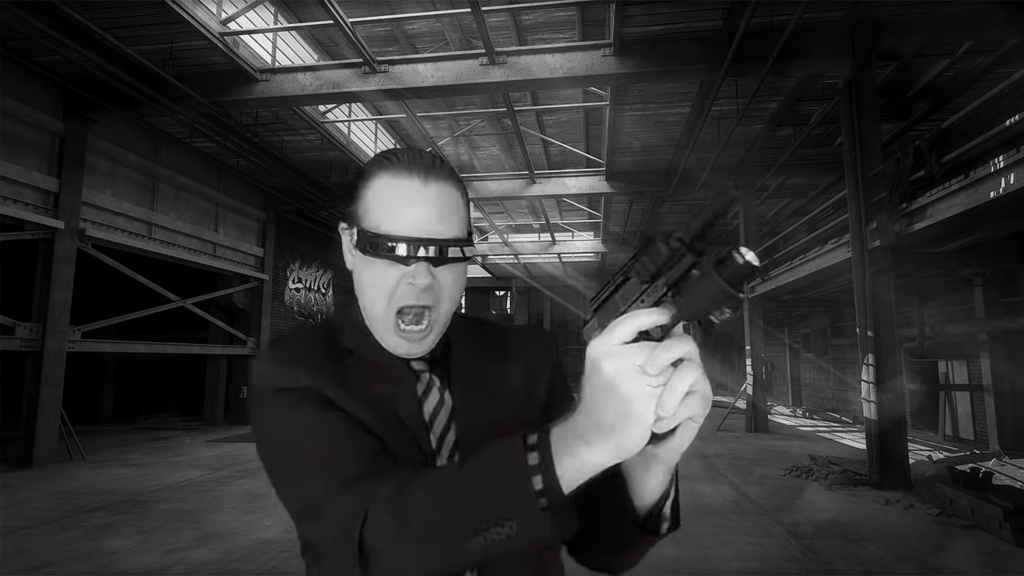
I was reminded again recently of Seth Skorkowsky’s epic story of putting a local real estate agency in his Cyberpunk 2020 adventure on the spur of the moment. What resulted was a masterpiece of emergent storytelling with a liberal helping of foul language that lasted for years.
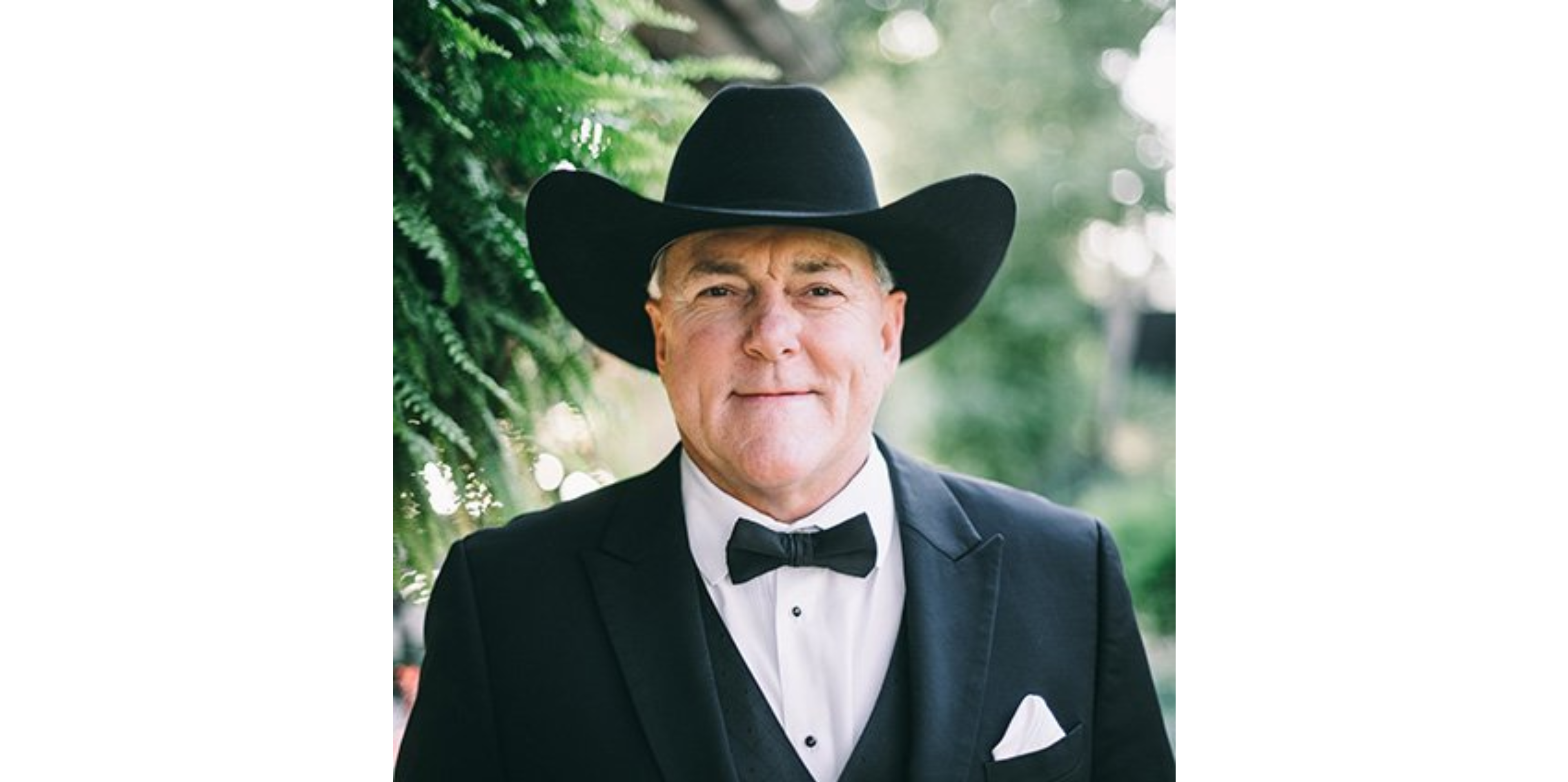
This is the sort of thing that players carry with them and re-tell to others. It’s the sort thing that people play TTRPGs for. And you can put that kind of moment in your games as well.
The heart of the Scott Brown incident wasn’t that a small Texas real estate firm had, by the time of the futuristic setting, become hardcore, heavily armed mercenaries who were still real estate agents. (That’s the joke, but only one other player had heard of the firm.) It’s that an organization of NPCs was something the player characters recognized they needed to fear. Moreover, it was something they had brought upon themselves by calling for a real estate showing.

Uh oh. What Have We Done?
This is the “What have we done?” moment that I wrote about previously. The players suddenly recognize that their actions can have consequences they weren’t prepared for, and that makes the game feel like a living world. How can you create those moments yourself?
In a D&D game or other fantasy RPG, you could introduce an order of high-level paladins, perhaps ones that ride griffons or giant panthers. One might show up alone, as in Seth’s story, or there might be several. But note that it needs to come about due to the actions of the heroes themselves–some kind of “poking the bear” or “waking the sleeping giant” scenario–something they chose to do, unwitting of the exact result, and ideally with some element of warning.
Note that the paladins don’t charge in to kill the heroes. They charge in–as overzealous good guys–to take out some third party or take care of some situation the heroes have alerted them to–perhaps inadvertently. But their actions exceed the expectations of the heroes to a degree that frightens them.
Or it could be an archwizard, who needs the heroes to find him a certain item so he can “take care” of the nasty lord in the castle overlooking the city. When he gets it, he goes nuts with magic, enlarging himself to wade across the moat, smashing thru the wall, throwing fireballs, and reducing the place to a ruin. Now, the heroes are happy to be rid of the noble, but they didn’t count on wholesale destruction, especially since they may have needed something from the lord (but maybe it’s still intact in the rubble).
The NPCs need to then continue to be available for other encounters or be otherwise active in the campaign. But the players need to feel like they don’t want to be on the wrong side of an encounter with that faction in the future.
In short:
- The event is triggered by the heroes themselves, on purpose or by accident.
- The heroes have some sort of expectation about the NPCs.
- The actions of the NPCs exceed the expectations of the heroes and frighten them.
- The NPCs do something ostensibly helpful for the heroes but potentially ruinous to the heroes’ goals.
- The NPCs will continue to be active in the campaign later.
As the heroes grow and become powerful themselves, the NPCs could invite them to join their organization or could fade away. Perhaps they’re even wiped out by an even more powerful foe, which is left to the heroes to confront….
Other Examples
Brotherhood of the Cruciform Sword
A similar situation can be found in Indiana Jones & the Last Crusade. Indy clashes with the “Brotherhood of the Cruciform Sword” in Venice because he’s snooping around for clues to the location of the Holy Grail. But he soon learns that they’re good guys who merely want to protect the Holy Grail, and they didn’t know if Indy was trustworthy.

This confusion allows for some suspenseful high adventure that nevertheless turns on a dime when they realize they’re on the same side. As a GM, you have to be prepared for the PCs to refuse to accept that someone who was just trying to kill them should actually be their friend, so handle the reveal carefully. Perhaps the NPCs recognize the PCs’ coat of arms and call a halt, or they never begin combat in the first place.
And it’s important that the NPCs quickly give the PCs something that is helpful (the Brotherhood tells Indy where his father is being held); players take an instant liking to NPCs who freely help them.
The Scott Brown Incident is an even better way to handle it, because the agent had no beef with the PCs in the first place. He came in blasting just to clear the property for a meeting with the PCs–and doing so put their mission at risk.
Unione Corse
In On Her Majesty’s Secret Service, James Bond rescues a woman attempting suicide only to be attacked by two men who want to kidnap her. Considerably later, Bond learns that (in their minds) he interfered with the men’s duty to watch over the woman on behalf of her father, a crime lord… who then asks for Bond’s help: marry her for 1 million pounds sterling. Bond refuses the money but agrees to watch over her but–with the knowledge that the entire crime syndicate, Unione Corse, is hanging over him.
Because the “bodyguards” are clearly criminal thugs, Bond is free to fight and even kill them until he discovers their true nature. Draco’s offer is an interesting way to get the hero involved: it’s a bit too generous, because the string attached are a bit too restrictive, and yet it’s something to pique the hero’s interest.

10 Candidates
Try to create NPCs who may be loose cannons but are pretty clearly good guys or at least useful to the heroes in some way, or else they could just become hated villains. Of courses, that’s a vibe, too.
Aside from the individual ways listed below that the heroes might clash with the NPCs, they might best meet when the heroes go to the NPCs with information they want explained. That sets the NPCs off at a gallop to destroy someone or something.
1. The Mystic Order of the Myrmidons of Barku
Paladins and some clerics on flying mounts who often fight fiends and undead and the evil cultists who consort with them. If the heroes inadvertently unleash a demon the order has to fight, they might have some tough questions to answer.
2. The Knights of the Iron Book
Fighters and some paladins who live by the code in their iron-bound tome, which favors law above all. The heroes might inadvertently get between the Knights and one of their goals, such as finding the lost crown jewels.
3. The Faithful Brotherhood of Rangers
Rangers who dress in black and green and ride all-black horses, who fight the humanoids–and anyone else–who despoil the land. The heroes might alert the rangers to some hobgoblins’ activities only to find the rangers don’t want the heroes around either–but can be persuaded to accept them.
4. The League Arcanum
Wizards and fighters who fight dangerous wizards. The heroes might encounter them while searching for information about a dangerous wizard themselves. Or the heroes might do magic the league considers suspicious….
5. The Archers of Fairwood
Elven archers and a few others who protect Fairwood Forest. The heroes might trespass on their territory or do something the Archers feel is harmful. Or the archers may intervene against some greater foe the heroes can’t beat.
6. The Shadow Faction
Rogues, fighters, and some wizards who fight the tyrant king’s forces in the cities on coast. The heroes might work with some of the king’s forces and clash with the Shadow Faction’s goals or inadvertently wreck the Faction’s plans to capture the king’s advisor.
7. The Bishop’s Inquisitors
Clerics, paladins, and fighters who protect the bishop’s interests. The heroes might delve into a ruin on the bishop’s land with their protection or poke their nose into secrets the bishop wants protected.
8. The Grand Circle
Druids and some rangers who roam the land to protect forests. The heroes might call on them for aid in the forest or do something that alarms them, like using fire magic in the dry season.
9. The Earl’s Champions
A mixed party of eight who protect the earl’s lands. The heroes might trespass on the earl’s domain and be intercepted. Or the heroes might call on them for help against humanoids on the earl’s land.
10. The High Sheriff’s Nine
A mixed party of mostly fighters who help the high sheriff of the realm maintain law and order. The heroes might inadvertently help a fugitive or be mistaken for outlaws.
 zarban.com
Leave a comment