


For really good NPCs, create characters who are conflicted, corrupt, broken, or compromised. Desperate people do interesting things, and you’ll find they take on a life of their own when you know they hold conflicting goals, ulterior motives, or secrets they can’t trust the heroes with.
1. Captain Louis Renault (Casablanca)
Renault [ray-NOH] is the corrupt captain of the police in Casablanca, a Free French city where refugees try to make their way to America. But the Nazis occupy mainland France and cast a dark shadow over his city. Vain and grasping, Renault takes advantage of people–young women in particular–who need exit visas, and he gambles at tables rigged for him to win.
He openly admits that he bends whichever way the wind blows, and currently that favors Germany. But he’s also friendly with Rick Blaine, owner of the popular nightclub Rick’s Café Americain and occasionally hints that he thinks Rick is not himself neutral but rather hates the Germans. Altho he does the bidding of Nazis to curry their favor and avoid their wrath, when Rick thwarts them, Renault covers for him.
How to Use Him
If your realm or just the heroes’ shire is ruled by a tyrant, you might have an authority figure who plays along with their evil dictates but who becomes friendly with the heroes and even secretly helps them out when they prove to be enemies of the tyrant. This NPC could be the local sheriff, mayor, or bailiff. He or she might start out helping them get a company charter or avoid taxes–for a small gratuity–and later warn them about the tyrant’s men-at-arms or dark knights.
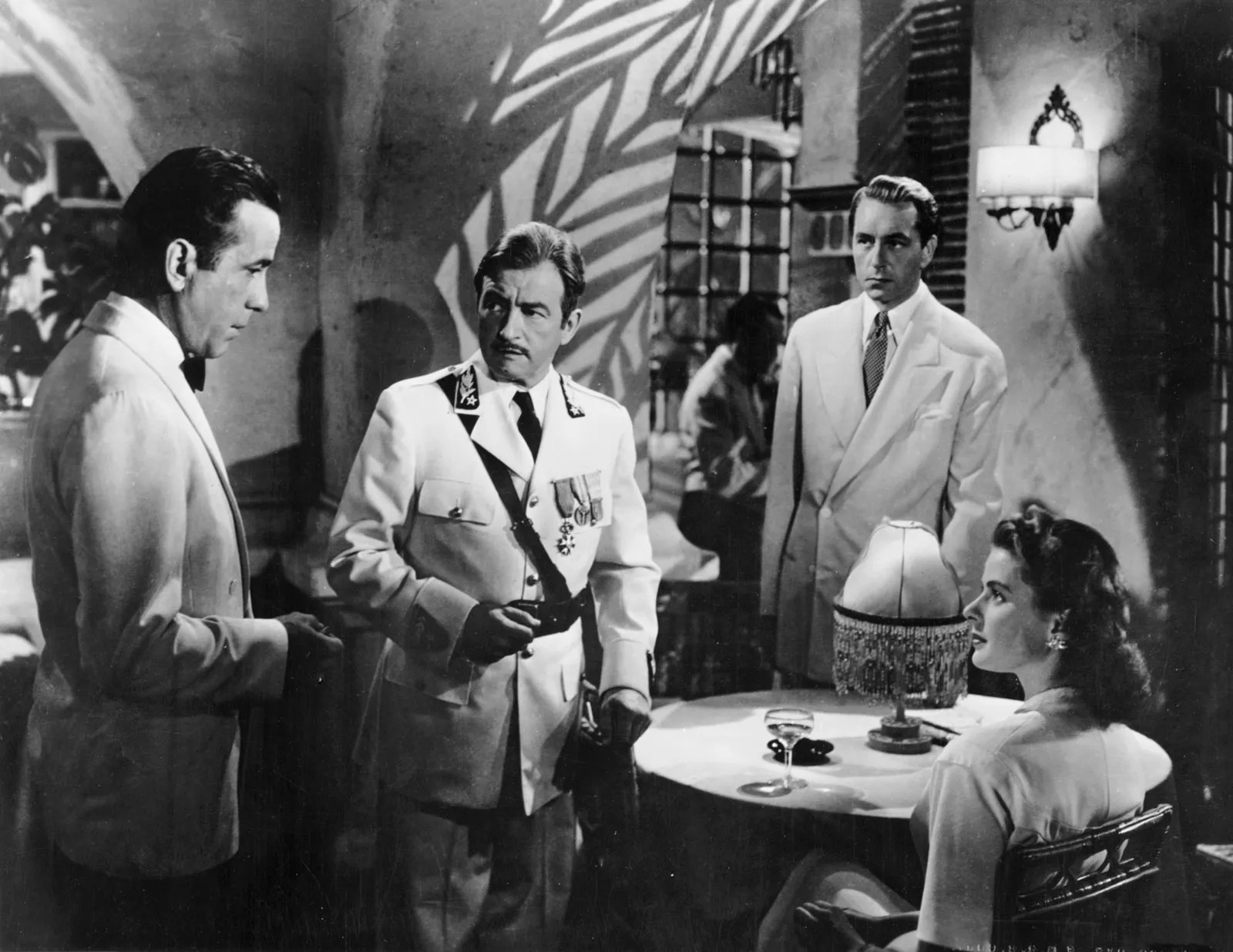
2. Rick Blaine (Casablanca)
The proprietor of Rick’s Café Americain nightclub is a jaded New Yorker trapped in Casablanca and making the best of it. He runs a casino in the back room rigged to ensure from time to time that the right people win or lose. His place is a hotspot not only for entertainment but for refugees trying to make deals, spies making connections, and police trying to catch criminals.
Rick’s past is a hazy story of fighting against the fascists and–altho losing that fight–slipping away to live a comfortable life of “careful neutrality”. He’s widely trusted, even by criminals, smugglers, and other rogues. A broken heart is the thing that turned him away from his ideals. But the right story at the right moment might turn him around.
How to Use Him
You might have a sympathetic taverner who starts out tipping the heroes off to rumors of treasure and (when they prove trustworthy) the local tyrant’s men. Perhaps the character has information or items that would be very helpful to the heroes, but he’s reluctant to give them up or otherwise get involved because of certain worries or past experiences (threats of closing his business, loss of a loved one, near-death experience, etc.). Could he be persuaded to actively help? Perhaps.
3. Marion Ravenwood (Raiders of the Lost Ark)
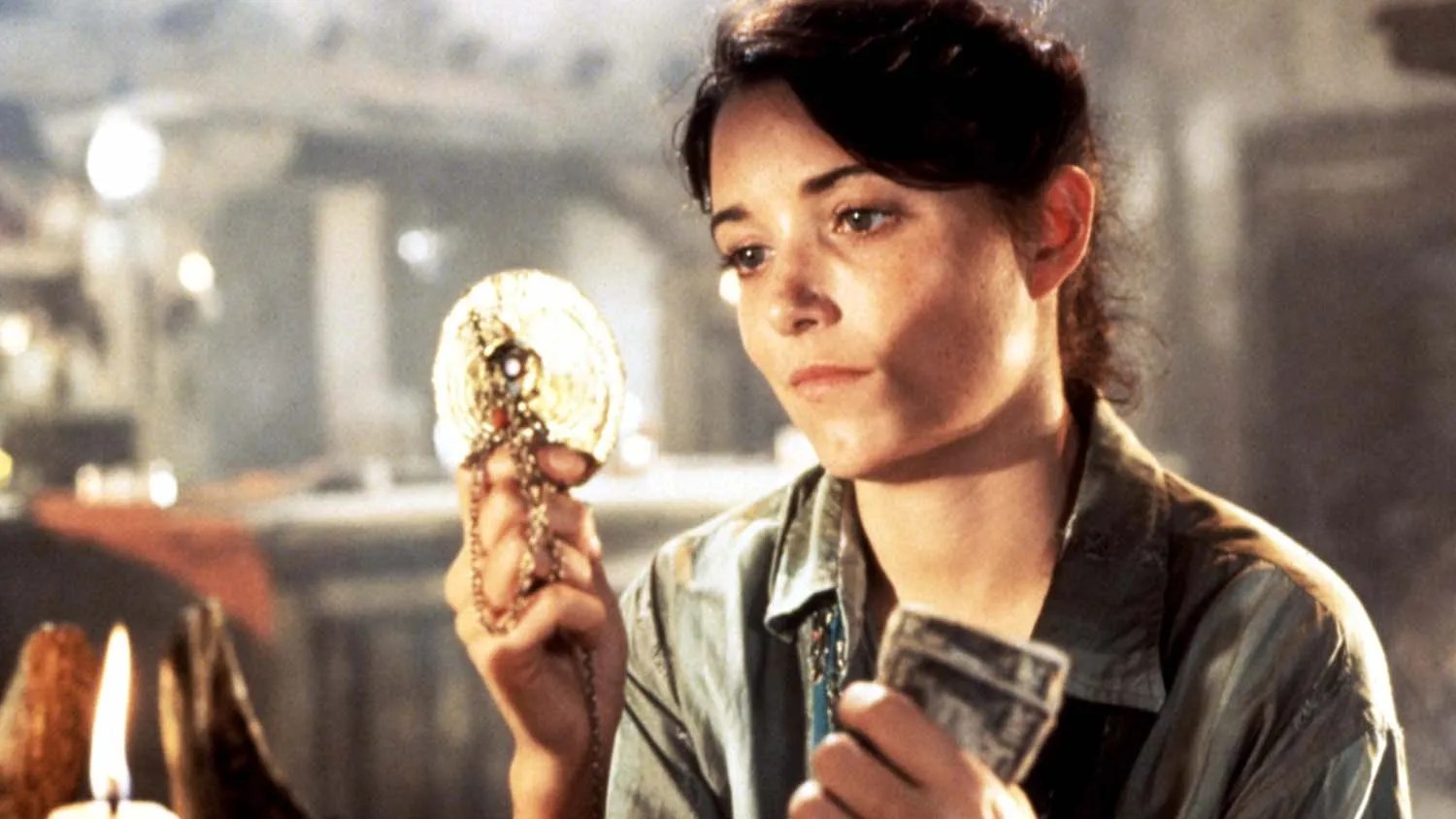
Another taverner with a broken heart, Marion is a hard-living young woman jilted by an older lover years ago. He had been her father’s protege but left to pursue fortune and glory. When her father died, Marion put her meager savings into a tavern in the mountains frequented by rough strangers in dangerous pursuits.
Marion secretly dreams of pursuing her own dangerous venture: using the amulet her father left her to find the hidden treasure its inscription hints at. The amulet was once the headpiece of a high priest’s staff, and it could guide her to the treasure if only she had a little more information about its past and purpose. But she’s a jaded realist and slow to trust.
How to Use Her
You could create a taverner, craftsperson, or member of the gentry with a secret amulet or other heirloom that hints at a lost treasure. But first the heroes would have to learn about the item, persuade her to let them help, and find out more about it. Would the plucky NPC demand to be brought along as a partner? Is the faithless ex-lover still out there, perhaps with designs on the heirloom too?
4. King Theoden (Lord of the Rings)
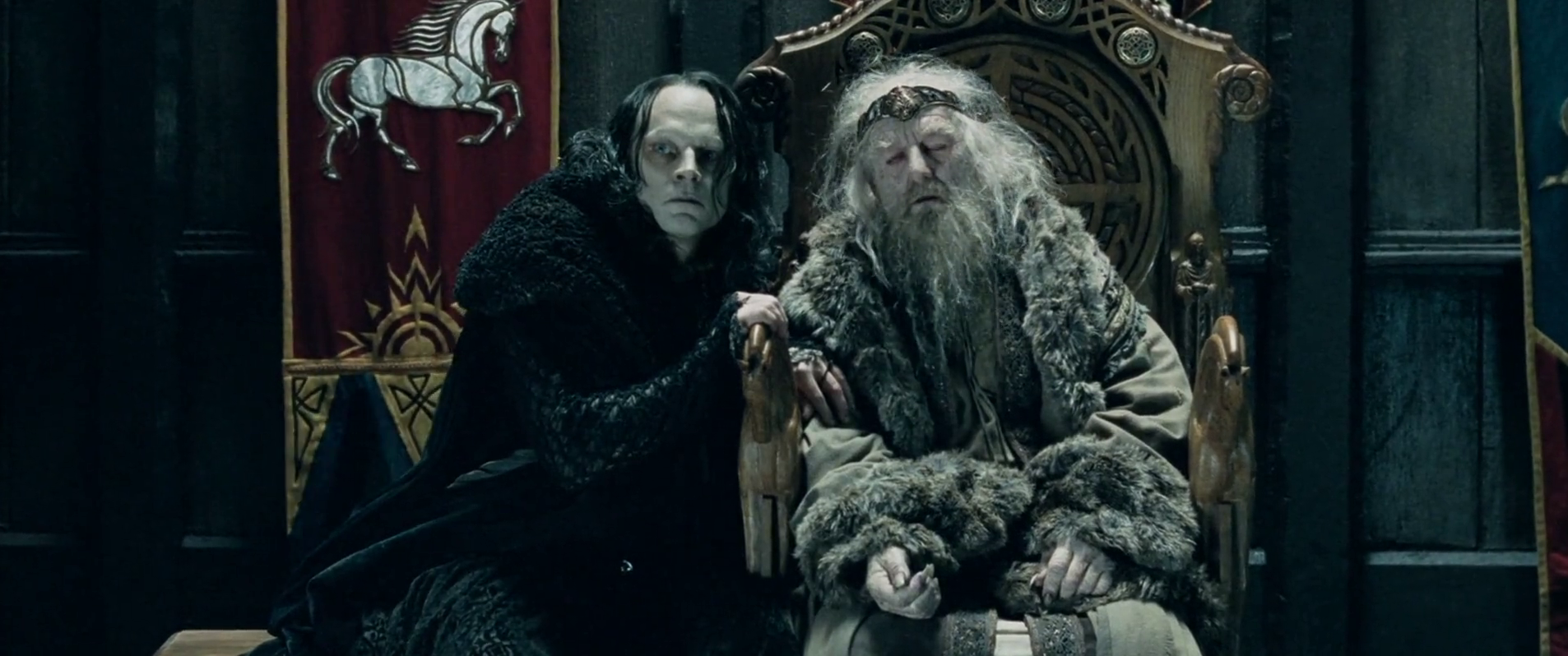
Theoden, King of Rohan, is old and decrepit, kept alive seemingly only by the ministrations of his advisor, Grima Wormtongue. Once a mighty horseman, he now can barely speak; his will is weak and fearful. As a result, the land of Rohan is troubled by orcs and wild men of Dunland.
In truth, it is Wormtongue who is responsible for Theoden’s decrepitude; he keeps the king in thrall with sorcery and subtle poisons. With the right help, Theoden could cast off the influence of his advisor and return to health and courage. Then he could lead his riders to defeat the orcs and route the wild men.
How to Use Him
You could make a nobleman or barbarian chief who is under a curse or charm by an advisor or family member and who stands in the way of the heroes accomplishing some gallant goal. But with their help–and proof of the advisor’s duplicity–the ruler could escape his fate and become a force for good and right. The advisor is a natural secondary villain.
Of course, perhaps the advisor is Galavan Greatheart, and the ruler really is old and sickly. In this scenario, Greatheart is the only thing holding the divided factions together, and the heroes should be helping him.
5. Xenophilius Lovegood (Harry Potter & the Deathly Hallows)
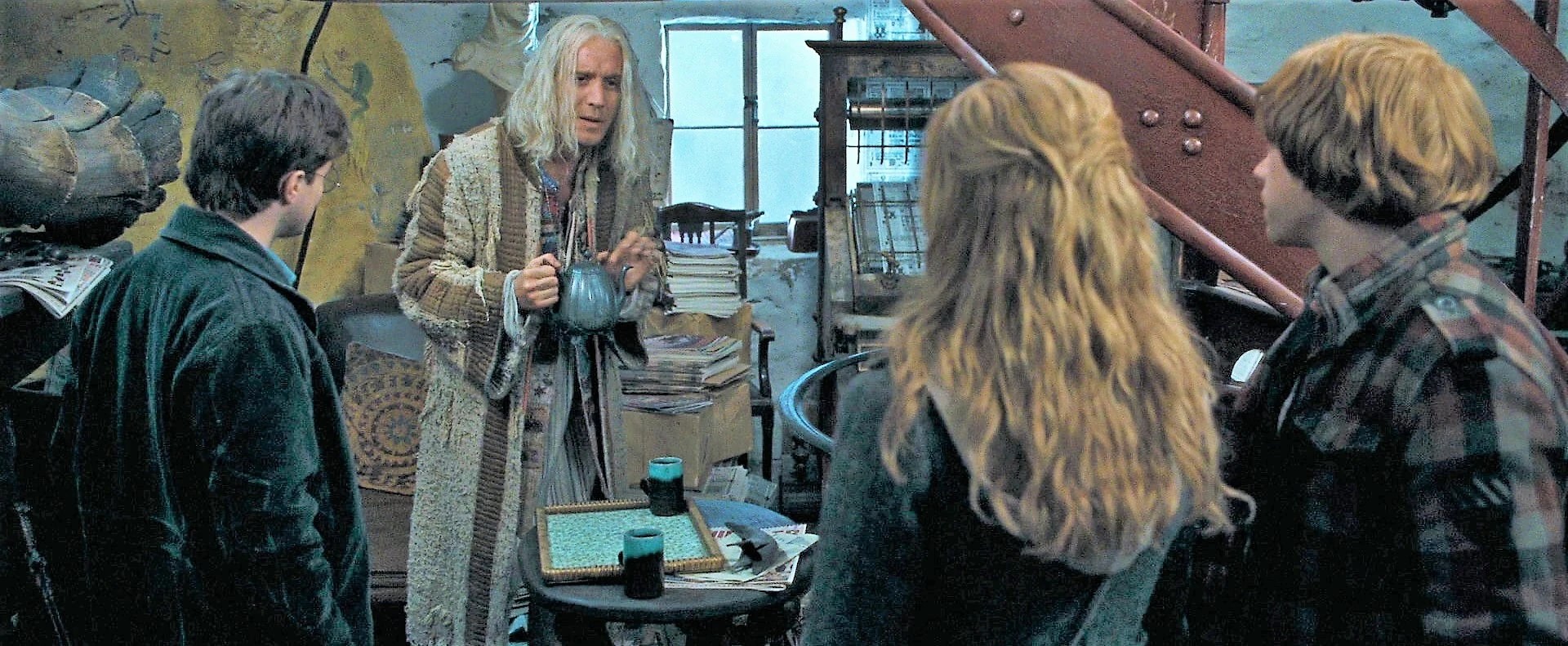
Father of Harry Potter’s classmate Luna Lovegood, Xenophilius is the editor of the tabloid The Quibbler. He wears a symbol on a necklace that represents the Deathly Hallows, three magical items of great power. Xenophilius is kind and feels an obligation to society to tell, via The Quibbler, what is really going on. But while telling Harry and his friends listen to the story of the Deathly Hallows, it becomes evident that Xenophilius is stalling for time.
Xenophilius is waiting for the arrival of the Death Eaters, the evil minions of the Dark Lord Voldemort, whom he secretly alerted when Harry arrived. He has betrayed the heroes because Voldemort, angry about what Xenophilius has been writing, has taken his daughter Luna captive and threatened him with her life if he doesn’t help Voldemort capture Harry Potter.
How to Use Him
Whomever is the evil overlord in your campaign should have his or her tentacles in many places, including among those the heroes regard as good and trustworthy. You can make an innkeeper, bailiff, minor official, or sage complicit in the villain’s schemes due to some threat to them. The character can be friendly and helpful to the heroes normally but, when the chips are down, betray them to the villain. The heroes may be able to discover it and avoid falling into a trap or they may turn the tables and rescue the NPC’s loved one. (It’s important that you not have an NPC the heroes actually trust betray them, or they’ll regard it as you betraying them.)
6. Sorsha (Willow)
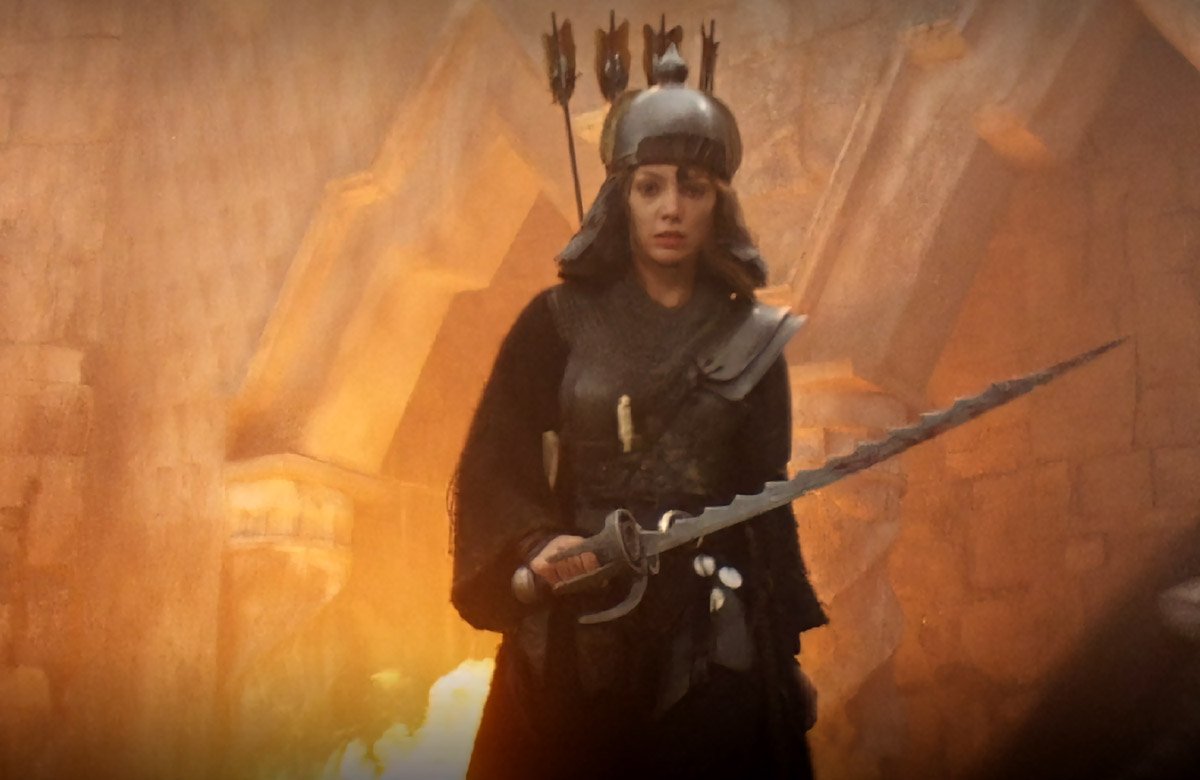
Sorsha is the warrior daughter of Bavmorda, a powerful black sorceress and villainous queen of Nockmaar. She is sent to retrieve the infant Elora Danan, prophesied to be Bavmorda’s downfall. In the process, the rakish warrior Madmartigan (under the influence of a love potion) befuddles her with declarations of his love. He escapes and later takes her hostage, where they bicker over their earlier encounters and at last, after she has escaped, share a kiss on the battlefield.
Sorsha is conflicted in her loyalty to her mother with the strange feelings she has for the scruffy swordsman whose babblings awakened something in her she’s never known. They can fight on different sides, and yet she can find him admirable and attractive.
How to Use Her
You could have a neutral warrior or other adventurer of great power siding with evil for convenience, pay, or misplaced loyalty but find that the heroes or an NPC allied with them are more admirable and in the right. The heroes’ actions and/or entreaties can sway the character to side with them instead–or they can choose to fight and kill the character.
To tip them toward the former, consider having the adventurer NPC show mercy or honor, and even express disgust at their duty, making them an obvious target for persuasion. How the villain will react to a betrayal is anyone’s guess, but it won’t be good. It’s a good way of introducing a dramatic betrayal that isn’t a betrayal of the heroes themselves.
7. Loren Visser (Blood Simple)
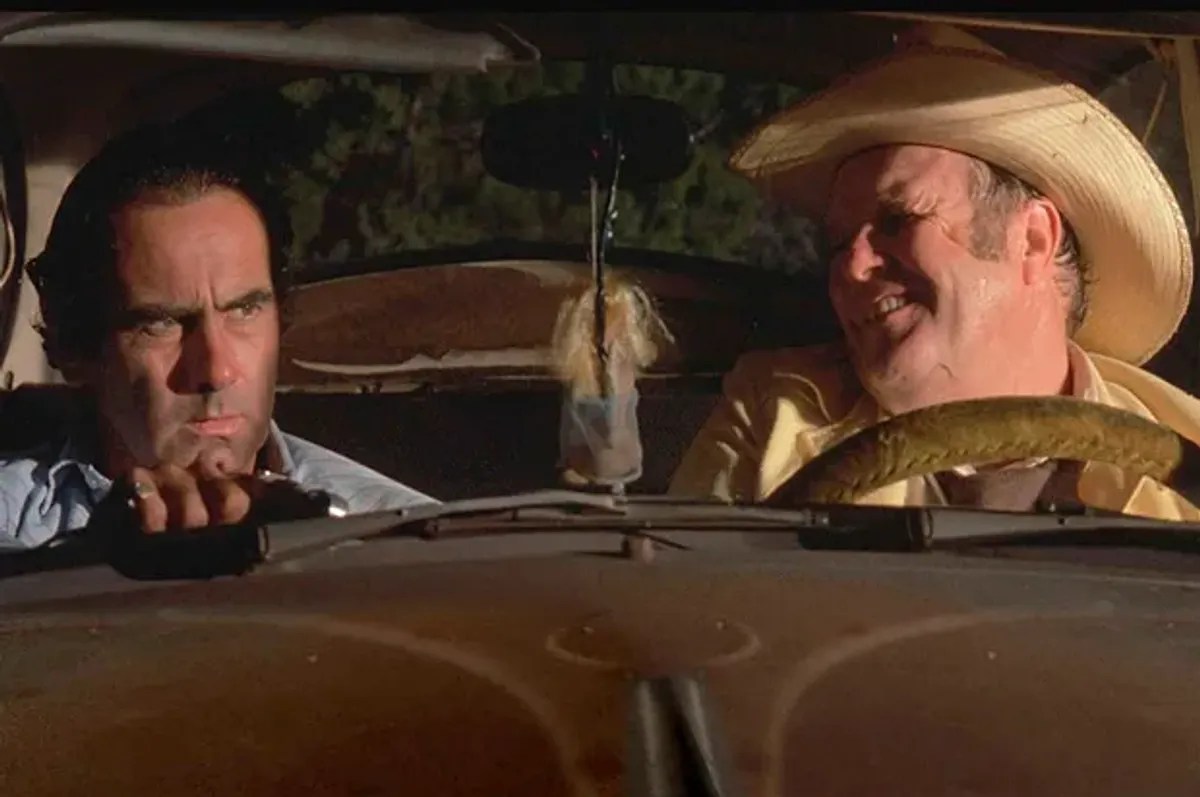
Loren Visser is a private detective hired by Julian Marty to investigate his wife Abby. When Visser confirms Abby is having an affair with Julian’s employee, Ray, Julian offers Visser money to kill them both. But Visser ends up killing Julian with Abby’s gun and stealing all his money. Ray finds the body and, believing Abby did it, cleans it up. But Visser left behind evidence of his presence and decides to kill Abby and Ray after all. All the while, Abby thinks he’s Julian getting revenge.
Visser is an unscrupulous henchman who gets his own ideas about the plot he’s involved in. The ostensible villain, Julian, discovers that people willing to kill can’t be trusted to stay loyal.
How to Use Him
You could give the villain a henchman who gets big ideas about who should be running the faction. Thinking they’re going to confront the villain who’s been causing them trouble, the heroes can discover he or she is dead, and someone new is running things. It’s another non-betrayal betrayal. If the heroes have encountered the henchman before, they may think he or she is more reasonable and can be negotiated with, or they may realize he or she is even worse.
8. Imperator Furiosa (Mad Max: Fury Road)
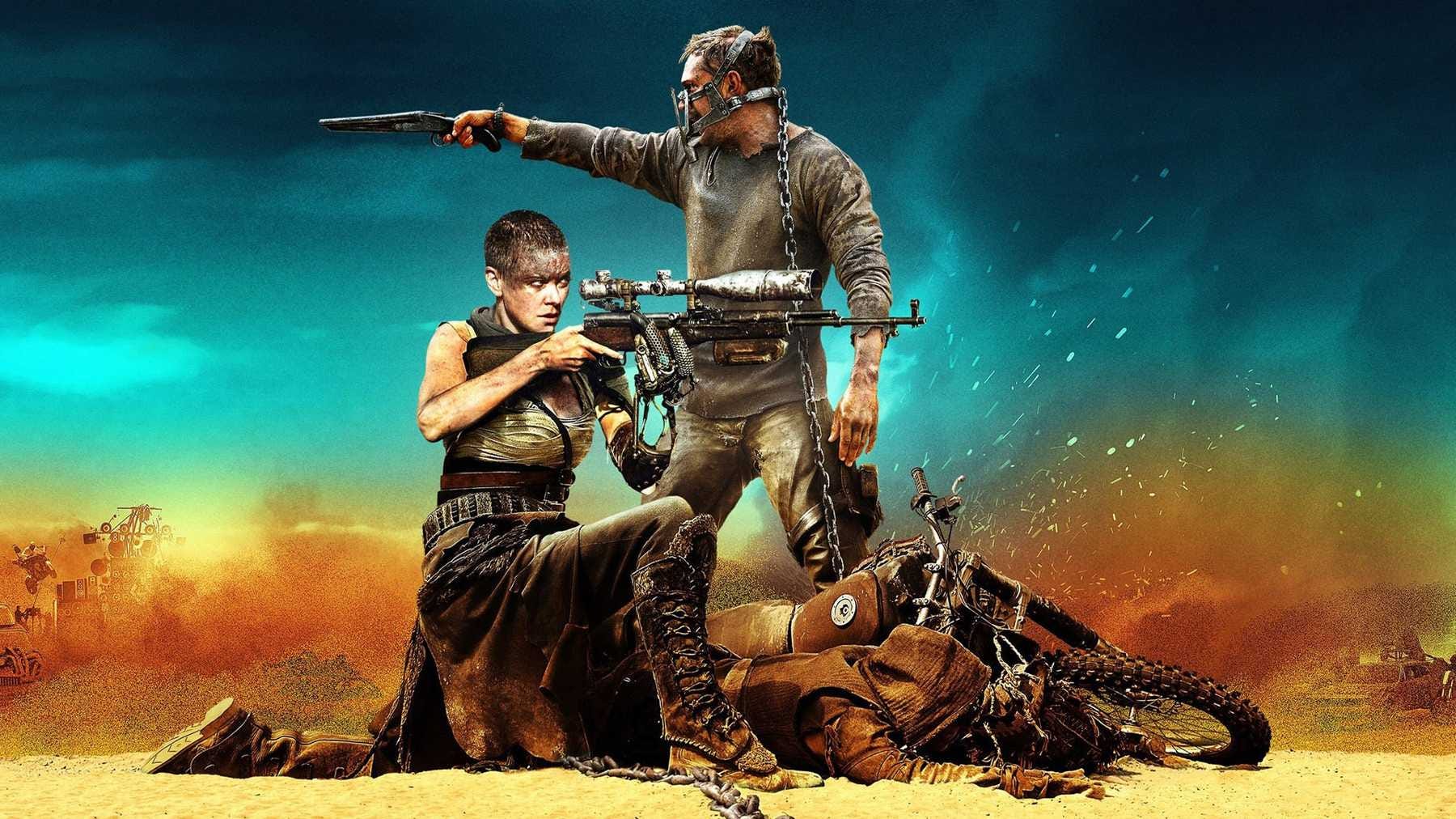
Furiosa is a bodyguard and enforcer for Immortan Joe, the tyrannical warlord of a community of desperate refugees of a post-apocalyptic world. Over time, her loyalty to Joe has waned, and she decides to help his “wives” escape Joe’s stronghold, the Citadel, in part as penance for the crimes she committed as his henchman. When the nomadic stranger Mad Max tries and fails to steal her vehicle, he offers to help her and the wives.
Furiosa is a henchman who has dealt with her internal conflict and decided to act to achieve redemption as a kind of new faction of her own. She is (rightfully) slow to trust but highly capable.
How to Use Her
You can have the heroes encounter a neutral or good NPC who is now fighting his or her former overlord, someone the heroes may already be aware of and oppose. The heroes can then decide to help him or her out of a sense of honor or right or just for a reward of some kind or merely because they and the NPC oppose the villain.
The heroes are free to ignore the whole affair, of course, but there may be something that encourages or requires them to work together. The heroes and the NPC therefore don’t necessarily need to be loyal to each other, and indeed the NPC may have a secret or designs of his or her own.
9. Selina Kyle/Catwoman (Batman Returns)
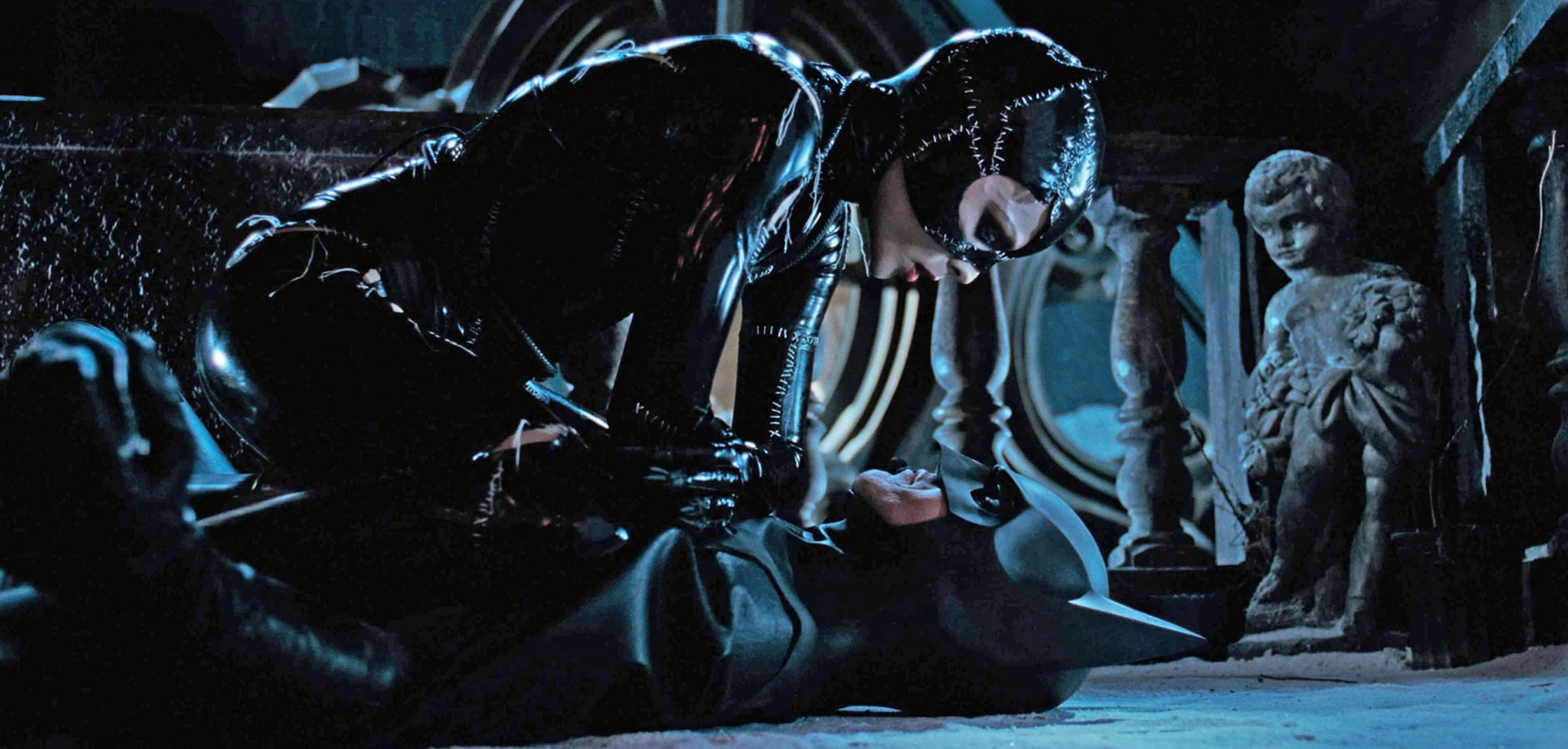
Selina Kyle is the assistant of industrialist Max Shreck, who tries to kill her when she uncovers his evil plot to steal electricity from Gotham City. A brain injury makes her into a confident and ruthless personality: Catwoman. In this guise, she allies with the villainous Penguin–whom Shrek is helping to run for mayor–against the hero Batman–even while her alter ego is becoming romantic with Batman’s alter ego, Bruce Wayne.
But Catwoman and Penguin have a falling out over the depths of his depravity. She tries to murder Shrek but is stopped by Bruce Wayne. Penguin is humiliated and flees to an underground lair. He kidnaps Shrek, and Catwoman arrives to fight and kill him while Batman foil’s Penguins plan, inadvertently killing Penguin. Catwoman disappears.
How to Use Her
You can create a neutral NPC with plans that conflict with both the villain’s and the heroes’ plans. Perhaps the heroes need something the villain has, but the NPC also wants it or wants something else and merely gets in the way. The heroes can try to ally with the NPC or consider him or her a neutral rival or even another villain. The character’s goals may come from a betrayal or even madness, making them a tricky ally for the heroes.
10. Deputy US Marshal Sam Gerard (The Fugitive)
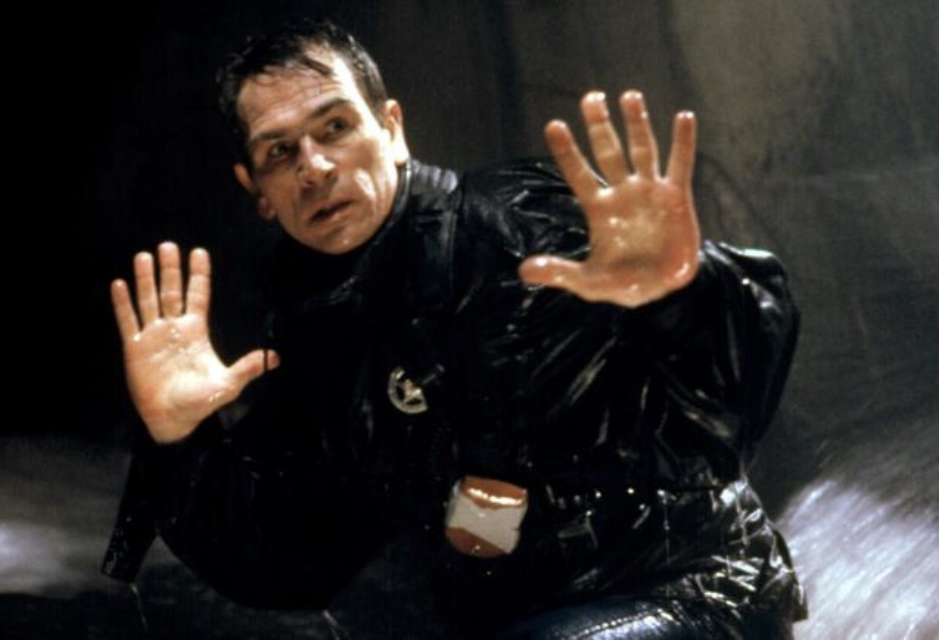
Sam Gerard is tasked with catching fugitives who escaped when a prison bus collided with a train, one of whom is convicted murderer Dr Richard Kimble. He tracks Kimble thru a storm drain to a dam, where he corners him at a high spillway. When Kimble proclaims his innocence at gunpoint, Gerard simply and honestly explains, “I don’t care.” Kimble flees, and the chase is back on.
Gerard is an honest lawman just doing his job. The fact that Kimble was wrongfully accused and convicted of murder is immaterial because he’s not in a position to confirm it. His job is to catch Kimble and let the legal system determine what is just. He is, in effect, compromised by the failures of the system and (we know) on the wrong side of the conflict.
How to Use Him
You could have a paladin, judge, or sheriff mistakenly determine that the heroes have committed some crime or merely be ordered by a corrupt or tyrannical noble to go after the heroes. The NPC may be sympathetic to the heroes but resigned to serving his or her master. You might decide to let the NPC figure out the truth and turn and help the heroes or else force the heroes to kill him or her despite the NPC’s genuine goodness.
11-14: The Cartwrights (Bonanza)
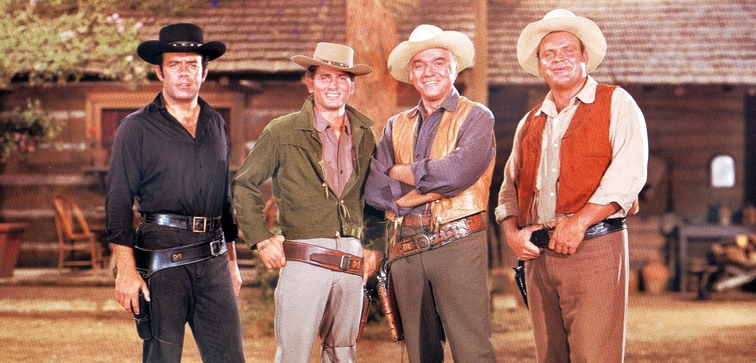
Ben Cartwright and his sons Adam, Hoss, and Little Joe are ranchers with a huge plot of land and a strong sense of right and wrong. They often get involved in local disputes, legal battles, and doomed romances while trying to protect their property and community.
Adam is the level-headed elder son, Hoss the big-hearted middle child, and Little Joe the impetuous baby brother. They are rich but humble and as close as a father and his sons can be, always ready to back one another in a fistfight or legal wrangle–and always ready to help enforce the law in a posse or as citizen defenders against outlaws, con artists, and thieves. They’re even-handed and don’t hold grudges.
How to Use Them
You could create an earl and his three paladin sons–heroes and monster hunters all–who loom large in the background of your campaign. They might occasionally be mentioned as going on quests to find artifacts, slay dragons, and such. But they might need help now and then from the PCs to manage their sprawling estate. In a pinch, the heroes might get rescued by them. In a rough night of carousing, they might get into a fight with them instead–and greatly regret it.
But the NPCs could also get lost, captured, trapped, or killed, and that could create a reason for the heroes to help the earl, perhaps as payback for a previous rescue or other kindness. The loss of the earl and/or his sons could be the thing that moves your campaign from low-level monster-hunting to mid-level high adventure.
 zarban.com
Leave a comment