


I love medieval fantasy role-playing. I don’t like early-modern fantasy role-playing. The difference is very simple:
- Gutenberg invented the printing press in 1450.
- The musket appeared in the Ottoman Empire by 1465.
- Columbus discovered America in 1492.
So, the “Middle Ages” or “medieval period” effectively came to an end about 1499. In the 1500s, the production of books skyrocketed, and Europe suddenly had potatoes, tomatoes, American corn (maize), and tobacco, not to mention cannons and reliable firearms, coffee, and tea. By 1600, Europe was a completely different place.
If you’re playing Dungeons & Dragons or a similar RPG set in a fantasy version of Europe before the discovery of the New World, you may want to limit or at least be prepared to explain your use of certain flora and fauna native to the New World. If you play in a fantasy world that has all the same stuff as 1800s Europe but with swords and magic instead of guns and trains, your “fantasy” is a bit limited.
If you’re American, it might not seem like a big deal to have an rattlesnake in your adventure. But imagine if you played with an Australian DM who kept putting kangaroos in medieval adventures. It would seem weird and probably take you out of the story. Sure, there can be a place in your fantasy world that has kangaroos and koalas and another with rattlesnakes and alligators and still another with lions and elephants, but putting everything in the heroes’ starting location is silly.
Plants
- Potatoes
- Sweet potatoes
- Tomatoes
- Avocados
- Pumpkins
- Chili peppers
- Corn (AKA maize)
- Cocoa/cacao (AKA chocolate)
- Bell peppers (AKA sweet peppers)
- Cactuses (except the very un-cactus-like mistletoe cactus)
- Cashews
- Cocaine
- Maple syrup (European maple trees weren’t tapped for syrup)
- Peanuts
- Pecans
- Pineapples
- Rubber tree (leather was the best thing they had for pliable seals)
- Sunflowers
- Tobacco
- Vanilla
Animals
- Alligators and caimans
- “Grizzly” or “Kodiac” bear (these are American subspecies of brown bear; but native brown bears are found in Eurasia)
- American black bears (Asia has a black bear with a white chest marking)
- “Caribou” (these exist in Europe but are called “reindeer”)
- Guinea pigs (South America)
- Jaguars (South America)
- Mountain lions (AKA cougars/pumas) & bobcats
- Raccoons
- Turkeys
- Llamas, vicunas, and alpacas (South America)
- Capuchin, howler, spider, and squirrel monkeys (South America)
- Piranhas (South America)
- Rattlesnakes
Not Exclusive to the New World
- Macaque monkeys (North Africa)
- Coffee (Turkey, not available in medieval Europe until quite late)
- Tea (China, not available in medieval Europe until quite late)
- Bananas (Africa, not available in medieval Europe)
- Bison (American Bison differ from European bison, tho)
- Aurochs (aggressive European cattle that were hunted to extinction by 1700)
- Moose, altho they were called elk in Europe; what we call elk didn’t exist in medieval Europe, but red deer are very similar
- Reindeer, called caribou in the New World
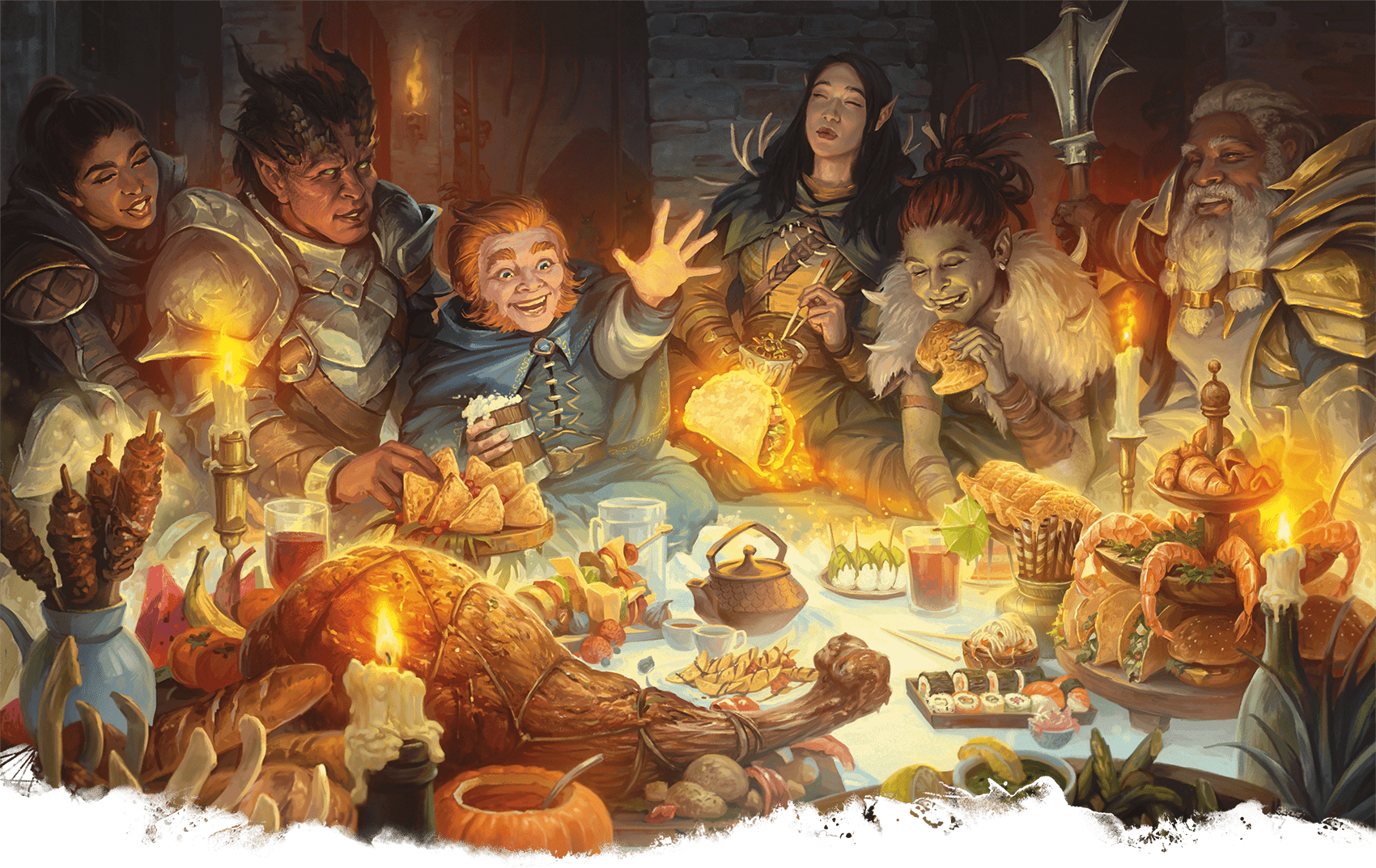
While we’re talking about food, we should add sandwiches of any kind. Also glassware and forks. Glassware did exist, but was rare and highly expensive.
Using New World Species
Of course, there are ways to use these species if you wish.
- Certain plants and animals native to the New World are nevertheless present in your realm, because it’s not a close analog of Europe.
- A distant land across the sea has been discovered recently, and many plants and animals have been brought back from there.
- A new trade route to a distant land connected by a land bridge has been found.
 zarban.com
Leave a comment