


Murder hoboes are much more of a problem in modern D&D than they were back in the early days of the 1980s, when I got started playing. I’m sure it happened, but the play style of the game has shifted to a point where players expect to be able to kill everything they encounter, and therefore some do.
For one thing, encounters are now supposed to be “balanced”–a term that means “the player characters have a very good chance of being able to kill the opponent”. That, obviously, is going to lead to players learning that they can expect to win every fight, so why not fight everything that gets in their way? Even the level-draining ability of monsters like wights was removed because players genuinely feared it… which leaves them with little to fear from attacking everyone they meet.
It may also be partly due to a lesser emphasis on alignment. Alignment was always something more useful for NPCs and creatures to have, but the explicit requirement for paladins and rangers to be good (and the usual case that clerics be good-aligned) help reign in the worst instincts.
The Psychology of Antisocial Behavior
You can disrupt some negative behavior by countering the excuses people use to justify antisocial behavior:
- Humanize potential victims by having them proactively offer help, beg for their lives, negotiate, etc.
- Clarify responsibility
- Call out evil behavior and warn of consequences
- Create consequences
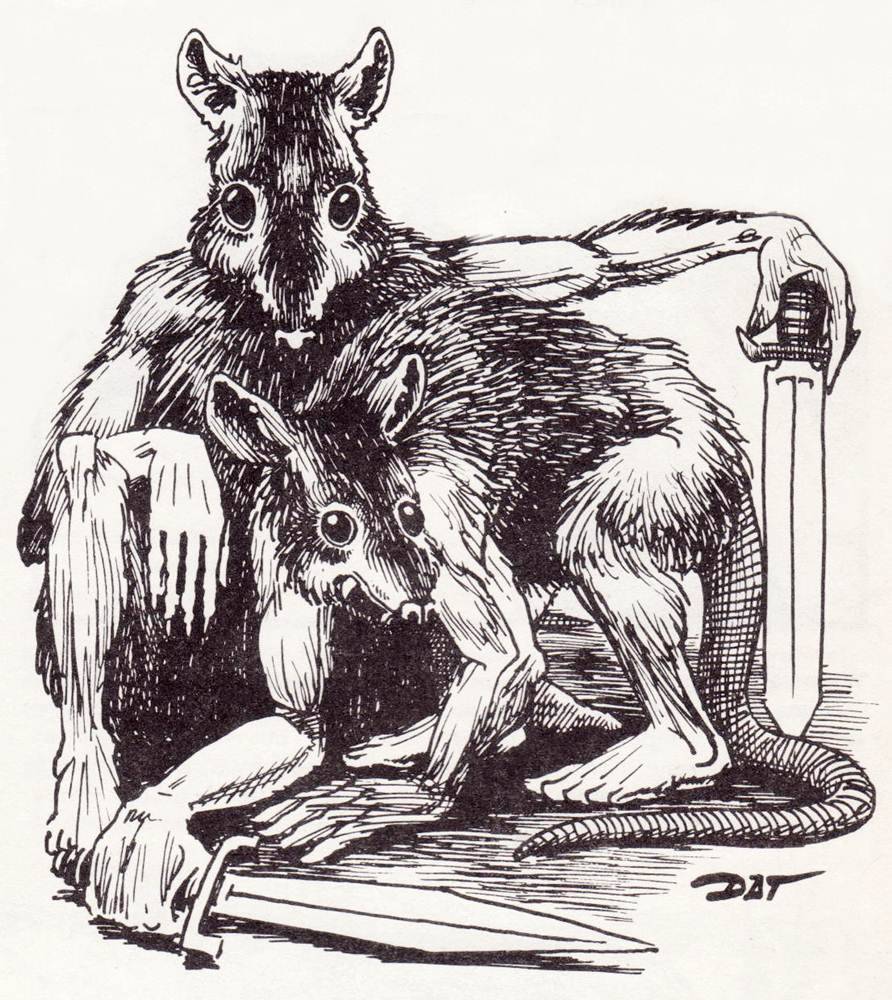
Of course, a big part of the fantasy of fantasy role-playing is being tough and powerful and using violence to get what you want, so it’s not as if you can or would even want to eliminate all antisocial behavior. I mean, wererats are literally vermin.
Factors Within Your Control
However, we must also ask if there is something in the players’ experience that taught them that slaughtering innocent people was a winning strategy. Players will learn very from their first adventures what kind of campaign you’re running.
For example, avoid tricking them with apparently helpless people who turn out to be liars that attack them. Doing so teaches them that “innocent” people can’t be trusted and erodes their interest in ever helping anyone. This also goes for false surrender and offers of parley. These are all classed as perfidy, a war crime.
Similarly, if you make your innocents or authorities mean, petty, arrogant, accusatory, or ungrateful, you erode the empathy the players have for them. If you want your players to act like heroes, you need NPCs to treat them like heroes.
Remedies
Here are some ways to reduce your problem with heroic adventurers becoming murder hoboes.
- Forget “balanced” encounters and create situations early in the campaign where the heroes face very powerful opponents they obviously must flee, so they get used to the idea that they can’t kill everything.
- Make it clear that evil characters become NPCs. Characters who kill good creatures move a little closer to evil each time. Professor Dungeon Master uses a “morality tracker” instead of alignment.
- Make it clear that the killing of neutral characters who haven’t done anything to the heroes doesn’t count for XP, and the killing of good characters counts as negative XP.
- Make it clear that torture is evil and, if the players insist on using it, say, “It does no good; he won’t talk.” Have the character die giving them bad information.
- Demonstrate consequences for NPC adventurers who are evil, perhaps having authorities hire the PCs to track down some who killed a shopkeeper.
- Have them declared outlaws, as they saw happen to NPCs (something they can reverse by doing a great deed or buying a pardon). Have the public, sages, and such refuse to help them (at least without a fat bag of gold).
- Make it so they need the help of certain creatures or NPCs, so they can’t kill them or regret doing so.
- Player characters who serve good gods should have bad things happen to them after allowing or participating in evil deeds, starting with the cleric’s loss of powers until they atone.
- Consider rewarding heroes for overcoming challenges, not for killing creatures. A fight they started with characters minding their own business–even evil ones–is not rewarded.
- Talk to the players directly about why they don’t want to play the game as heroic adventure. Maybe everyone really would have more fun if they played a total dirtbag campaign. But then they have to expect that what comes around goes around, and powerful heroes as well as villains may decide to crush them if they get in the way.
 zarban.com
Leave a comment