


A lot of fantasy RPG campaigns are quite heavy on combat, but it doesn’t have to be so. You can put more emphasis on the other pillars, if you want, and it may actually improve your overall gaming experience. If you’re interested in reducing the amount of combat typically found in OSR Dungeons & Dragons campaigns, there are several ways to do it.
This has to be an agreement with your players, of course. They may want to play a campaign that’s more about exploring the world, investigating mysteries, scheming politically, or conducting trade. It works especially well for smaller groups of just 1 to 3 player characters.
1. Violence Doesn’t Solve Anything
To reduce the amount of combat in your campaign, you first have to ensure that combat can’t solve most problems. This means:
- The heroes are weaker than most of their opponents, so they have to run away or stealthily avoid them.
- Opponents are misguided good guys, so the heroes can’t kill them and still be good.
- There is a peacekeeping force that will track down killers of good NPCs.
- Instead of monsters, it’s mostly traps and puzzles that stand in the heroes’ way (altho monsters can be puzzles, if you can lure them away with food, etc.).
- The heroes are acting as spies or detectives and can’t make a “mess”.
This may mean a rather low-level campaign or at least the heroes’ most lethal abilities are hobbled. Perhaps it’s illegal to wear armor and carry weapons in a town or city. It’s also illegal to use harmful magic around normal ordinary people. (All enforced by high-level knights and wizards.) Or maybe it’s a campaign of just a wizard and a thief, so fighting was never much of an option.
Obviously, the players must be on board with the idea and ready to put their efforts into advancing non-combat skills, such as survival, lore, stealth, tracking, art, entertainment, forgery, and disguise–depending on what you all agree are the goals of the campaign.
Of course, this means pure martial characters–fighters, paladins, and barbarians–are probably poor choices. Spellcasters and rogues, tho (and rangers, to a degree) will get along well.
2. Give Points for Experiences Other than Killing
Rather than awarding XP for slaying monsters, you can use milestone advancement. Or just count 1 XP for 1 gp.
But you could instead make it more granular by awarding XP for accomplishments, experiences, and secrets found.
Minor
- Experiencing a location, such as bathing in a hot spring.
- Experiencing another culture, such as visiting an exotic land.
- Reading a book of arcana or lore.
- Conversing with a hermit on a mountaintop.
- Visiting a pilgrimage site.
- Discovering a strange natural (or magical) phenomenon.
- Matchmaking between NPCs.
- Recovering treasure.
- Completing a negotiation.
- Gathering supplies.
- Hunting, fishing, and foraging for food.
- Crafting things helpful to adventuring:
- Rope, parchment, ink
- Making shelter, a raft, a boat, or a bridge
- Repairing equipment
- Creating a work of art (painting, song, etc.) inspired by a point of interest.
- Uncovering secrets of a rival realm by espionage.
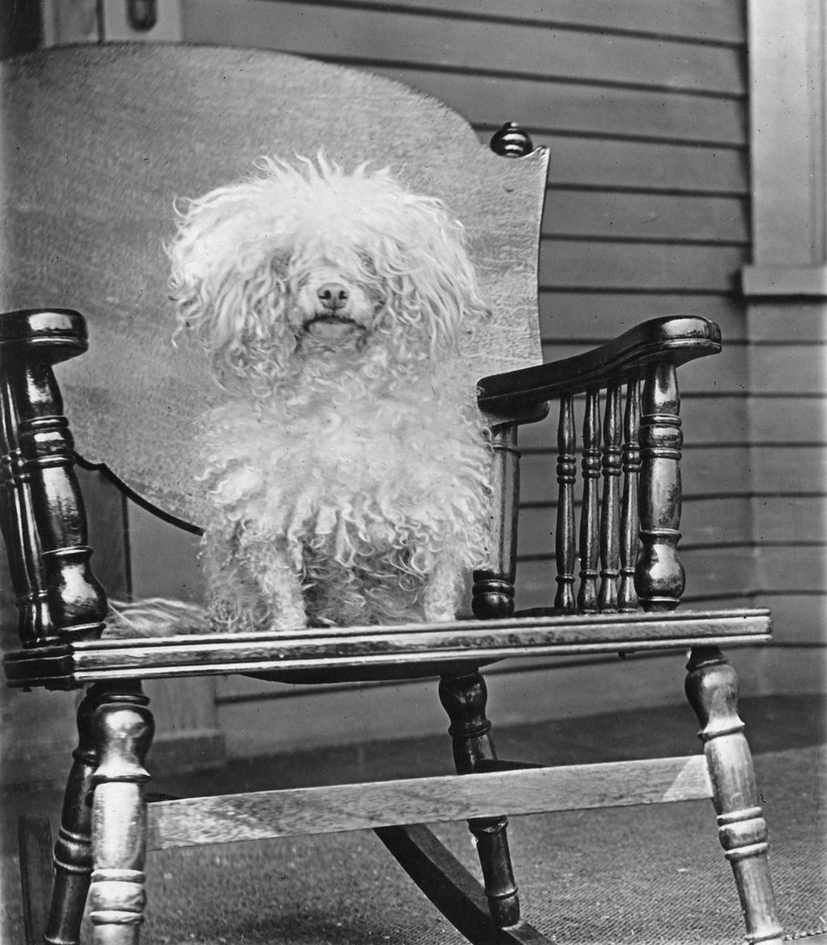
- Petting a good dog (show them a picture).
Major
- Bringing back exotic plants, animals, and minerals of interest to sages and alchemists.
- Capturing exotic (but not necessarily ferocious) animals for the royal menagerie.
- Uncovering dark or ancient secrets about the realm.
- Accomplishing a task for an ally or patron.
- Fixing something that has gone wrong and damaged a place.
- Saving innocent lives.

3. Exploration is Key
Shifting the emphasis of the campaign away from combat means focusing on finding the answers to questions and mysteries but may also mean finding interesting locations.
This requires a rich, interactive world with plenty of visual aids of places natural and unnatural. The heroes can…
- Explore a ruins for lost artifacts.
- Discover mysterious points of interest, like the domain of a nature spirit or natural wonder.
- Explore a cavern complex for strange plants, creatures, and minerals to sell.
- Discover an unknown island or land at the center of the earth.
- Explore a city and spy on its merchants and security protocols.
You can use art and photos as a kind of reward for exploring interesting places.
4. Predicaments Substitute for Most Combat
Where you want danger and tactical problems for your heroes to solve, you can rely more on traps and puzzles. There can certainly be some combat, but it’s more incidental to the plot and therefore something the heroes can usually avoid.
- Solve a mystery, such as a lost item or a person’s disappearance.
- Solve a crime, such as a murder or burglary.
- Solve a puzzle, such as the how an old fountain or magic portal works.
- Survive a disaster, such as a shipwreck or flood.
- Capture an NPC by drugging food/drink or snatching while asleep.
- Burglarize an NPC’s home or fortress for information or valuables, perhaps in a way that leaves the NPC none the wiser.
- Pull off a heist of some special or magical object that is guarded, particularly in such a way that the heist is not discovered (immediately, at least).
- Escape an assault by more powerful foes.
- Elude capture by more powerful foes.
- Escape captivity by a foe or an unattended trap.
- Steal documents from an official or merchant and copy them.
5. Social Encounters Figure Prominently
Rather than letting them fight over every disagreement, encourage the heroes to work it out amicably with negotiation and charm. They may need to interact with innocent victims of a crime or monster, with sages who have information, or authorities and officials.
- Get answers to questions and hints about predicaments.
- Distribute misinformation for espionage.
- Negotiate a treaty or passage thru a territory.
- Argue a case before a judge or noble.
- Collect information from NPCs by interview.
- Surveil people as a spy or detective.
Look for a future post on treating people as puzzles by giving them needs.
6. Peaceful Campaigns May Require Special Rules
Some campaigns that de-emphasize combat may require additional house rules, such as those that focus on crafting or entertainment.
- Extra skills for forgery, disguise, etc.
- Collect strange plants, creatures, and minerals to create potions. This would need a crafting rule set, where you explore wilderness and cities for ingredients.
- Create works of art for money (à la Eastshade). This might require an “inspiration” mechanism, where you explore to find the right landscape to capture in paint.
- Perform music for money. This might require an “inspiration” rule set, where you travel and talk to NPCs to find inspiration for your next song.
- Engage in the shipping trade. This might require a trade rule set where you find and negotiate trade deals.
- A simple system for fighting duels and wrestling matches rather than melees.

 zarban.com
Leave a comment