


There are plenty of ways to reward players aside from gold and magic items. Players are primarily driven by the desire to spend gold on things for their characters and collect magic items to make their character more effective at adventuring. But you can give them a reason to want other things, if you make those things useful.
A wizard can tell the heroes, “You need a 1000 gp ruby for me to enchant your weapon with the ability you desire.” A sage can say, “You need to bring me certain books and scrolls for me to tell you location of the lost enchanted helm.” But if you get the players hating a certain faction, they’ll go to great lengths to dig up information on their leader or their secret lair. If you make nobility a requirement to get into the king’s inner circle, the players are more likely to snap at an adventure hook that implies a barony is available for completing a great quest.
Categories
- Equipment & Trade Goods
- Gems & Jewelry
- Magic Item Ingredients
- Heirlooms
- People & Their Remains
- Monsters & Their Parts
- Books & Scrolls
- Maps & Clues
- Secrets
- Favors & the Promise of Future Aid
- Status & Authority
- Odds & ends
1. Equipment & Trade Goods
It would be much more common for monsters to have captured goods in their lairs than to have cash money. Foodstuffs, beer (ale doesn’t keep), fabrics, spices, wood, charcoal, weapons, armor, and such would have substantial value to many monsters.
You can also give heroes special equipment that is rare or unavailable at their usual markets. Some of these might be of value to them directly, but some may merely be of value for sale to NPCs.
- Mirror, polished metal or (extremely valuable) silvered glass
- Spyglass/telescope
- Magnifying glass
- Eyeglasses for reading
- Astrolabe or other navigational instruments
- Starfinder
- Hourglass/clock
- Vial of acid or poison
- Vial of alchemist’s fire (bomb)
- Ink and pens
- Ball bearings/caltrops/spikes
- Fine clothing and boots
- Block and tackle/pulleys
- Weapons and armor from a foreign land or ancient era
- Fine versions of ordinary items made of ivory, jade, etc. (comb, brush, drop spindle, game pieces, cane top…)

2. Gems & Jewelry
Historically, a lot of people kept a lot of their wealth in the form of jewelry. While most gems and jewelry in your campaign would likely to be sold off, some might be kept to improve the heroes’ status or used as spell components.
In order of value from least to most:
- Semi-precious (2d10 gp each): pearl, opal, amethyst, turquoise, peridot, agate, topaz
- Precious (2d10 x100 gp each): sapphire, black opal, emerald, ruby, diamond
3. Magic Item Ingredients
Items that are not themselves magical but which can be part of a magic potion or magic item are of great value. Mythril, adamantite, ironwood, and other sovereign materials, are obvious choices. Plants and monster body parts that are useful as potion ingredients or for other purposes are also a good choice.
These items can be sold, used by the party’s spellcasters, or saved to have brewed into potions for later use.
4. Heirlooms
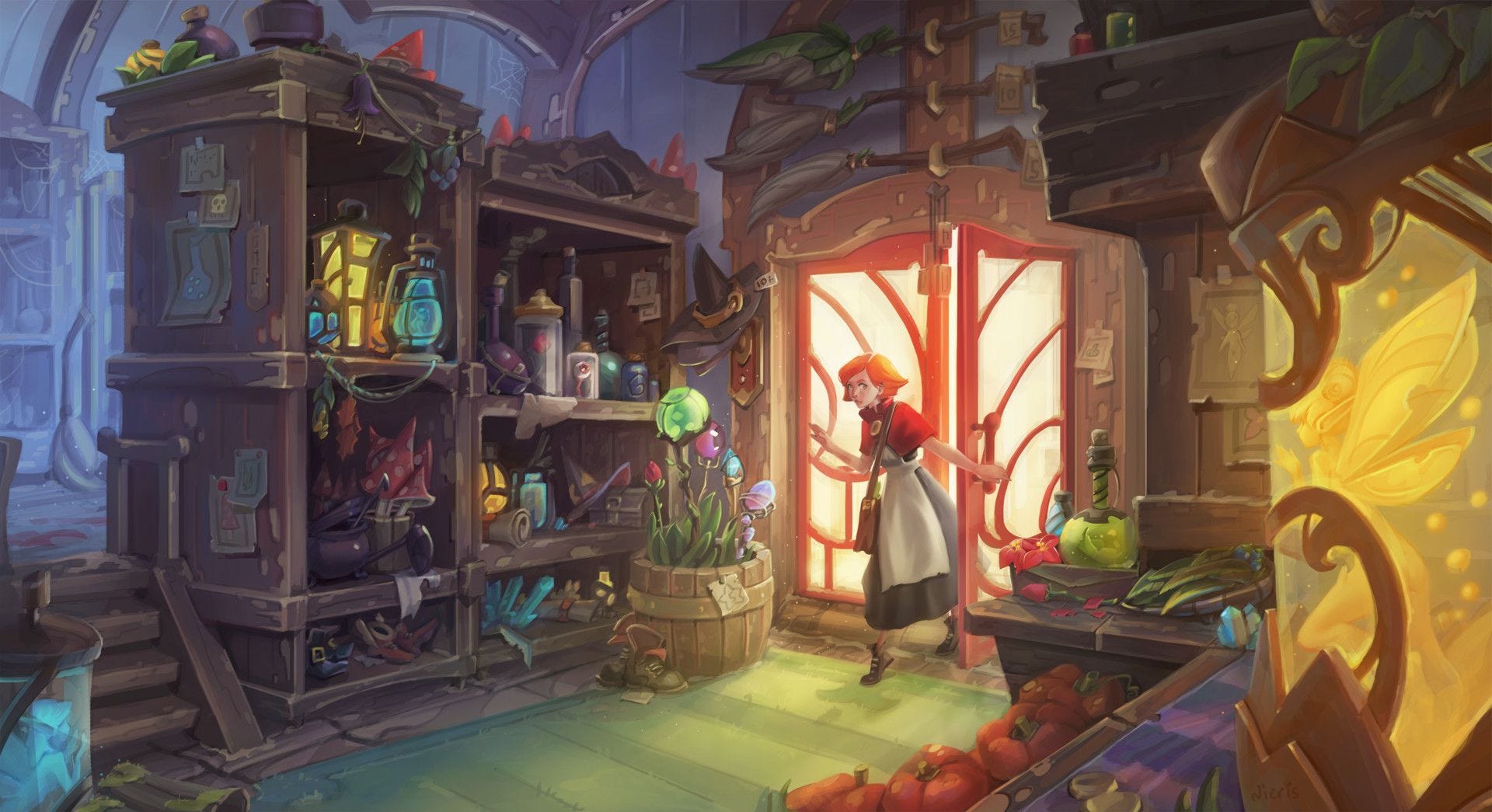
Apart from treasures that have monetary value, most people value certain things that have only sentimental value. Family portraits, things made by a family member, gifts given and lost, etc. These can include embroidered belts and clothing, a comb and brush set, a lock or braid of hair, a cloak pin, a favorite tool, a bell, a book of family history, etc.
Nobles in particular might well be interested in certain pieces that have a long history in their family but which aren’t in themselves valuable or magical. Merchants seeking status may like to have something owned by someone famous and powerful merely as a trophy.
5. People & Their Remains
People are always in need of being rescued, be they commoners held captive as future food or nobles being held for ransom or vice versa. But sometimes they merely need to be escorted from one place to another safely.
Apart from live people, the corpses or skeletons of relatives and heroes also often have sentimental value. These may need to be rescued or just delivered from one place to another. The body of a son who fell in battle against a giant or the skeleton of an ancestor may have a proper burial and fancy tomb waiting.
The skull or hand of a saint or king is considered a relic, even if it has no magical power. They could be a symbol of temporal power, such as the noble bearer of the skull of King Mog is considered the rightful king of the realm, because the spirit of Mog wouldn’t allow it to fall into the hands of an unworthy successor. (The heroes, not being noble, don’t count.)
6. Monsters & Their Parts
Monsters, living and dead, can be of great value to the right person. A king or noble might want to enhance their menagerie with a lion or crocodile or even a unicorn.
Potions, magic items, and spells need monster eyes, tongues, and gall bladders for their various effects. And the right people will pay well for them. But monsters can also be the source of other items of value:
- Heads for display (mounted or as skull)
- Hides and carapaces for armor
- Hides and furs for clothing
- Teeth and claws for jewelry
- Horns and tusks for carving (ivory and alicorn being sovereign materials)
- Bones and whole skeletons for study and decor
Look into salvaging monster body parts for fun and profit.
7. Books & Scrolls
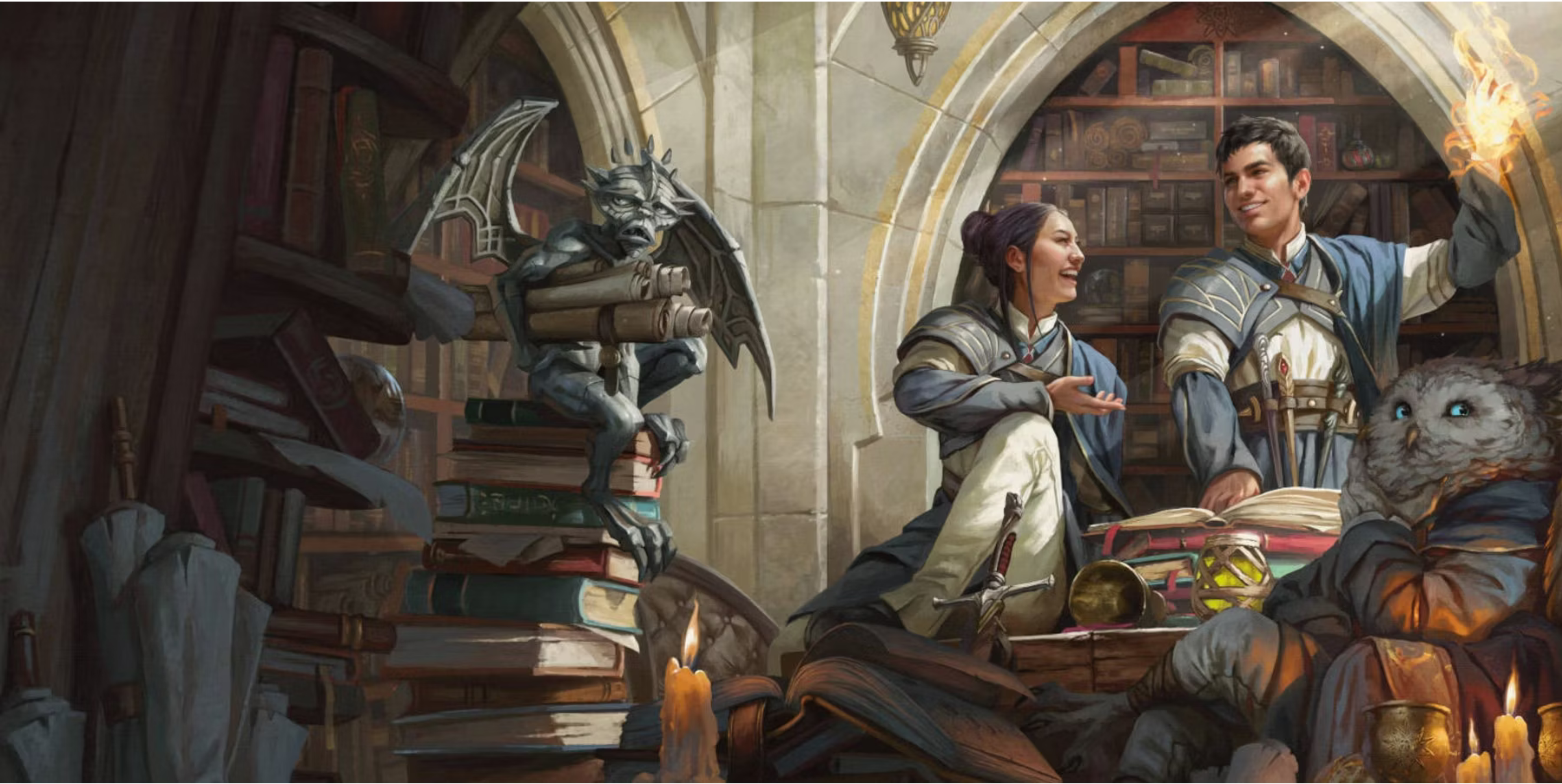
Before the introduction of the practical moveable-type printing press in Europe in 1440 (earlier in China), hand-copied books were rare and very valuable. Depending on the era of your game, they might still hold great value. (The D&D 5e PHB says only 25 gp, but in a pre-printing-press world, that should be the bottom end, with the top end around 1000 gp. Private libraries should typically be 10 books rather than 1000.) Certain ones should be of particular value to adventurers, because the characters don’t own the rule books; don’t let players metagame by blithely listing off the vulnerabilities of monsters or effects of magic items.
Topics can include law, plants, mathematics, beasts, places, legends, and chronicles of history.
- Bestiary—descriptions of 3d18 monsters
- Alchemy—the key ingredient needed for 3d18 potions
- Items of Legend—tales of 3d18 magic items
- Weapons of Heroes—tales of 3d18 magic weapons
- Travel Guide—perils & points of interest in a specific area, including clues about certain treasures, traps, and monsters
Wizards should get an experience point bonus for reading arcane tomes. Clerics should get a bonus for reading about lore and divine magic. Martials and rogues could get a bonus for books about skill at arms or spycraft. You could create book-cover cards with a summary of the material or some piece of history or secret about the realm on the back.
This category also includes letters of all sorts, including love letters, reports about a project or faction, and letters patent (public announcement documents that officially grant an office, right, monopoly, title, or status to a person, guild, or company).
8. Maps & Clues
Heroes might also find maps of dungeons or local lands, documents that discuss puzzles or traps found in some particular place, or documents pertaining to legal matters in the area. Or they could find keys or other items needed to activate some puzzle or door.
These things should be of special interest to the heroes on their current adventure… or their next one. After all, who can resist setting out for the Gelvrian Monastery when they have a map of it (or one of similar design) in hand? Who can stop themselves from seeking out the Tower of Harazin when they hold the key to her vault?
Another clue can be a large, ornate key, perhaps with sigils linking it to the Old Kingdom or Ancient Empire. When researched by a sage, it can be found to unlock the teleportation portals that are sometimes found in old ruins. Or it can be said to open a secret door or vault, leading the heroes to seek out which dungeon that door might be found in.
9. Secrets
The heroes’ adventures could uncover secrets that change their understanding of the realm or world. They might find letters about certain NPCs or which answer old questions–or raise new ones. And they may find evidence of ancient events, the origins of the gods or certain artifacts of legend, and so on.
What do the heroes really know about the ur trees the elves and druids revere? Why are the clerics of some gods more powerful than others? Where did the Egoen Stones come from? Who is truly the rightful king of the realm? Secrets can be powerful as well as interesting.
This is a good way to explain more about your campaign world without a big lore dump from an NPC, and good secrets can blow players’ minds, making them feel more like masters of world than tourists.
10. Favors & the Promise of Future Aid
The goodwill of powerful NPCs, especially those who can cast restoration and resurrection and such, can’t be underestimated. A nobleman may offer to let the heroes bear his coat of arms as his allies–or may help them get their own. A wizard may offer to enhance a warrior’s weapon for a further +1 or some special power.
11. Status & Authority
The first step up the ladder of social status is certain recognition of the heroes’ ability and value to the realm:
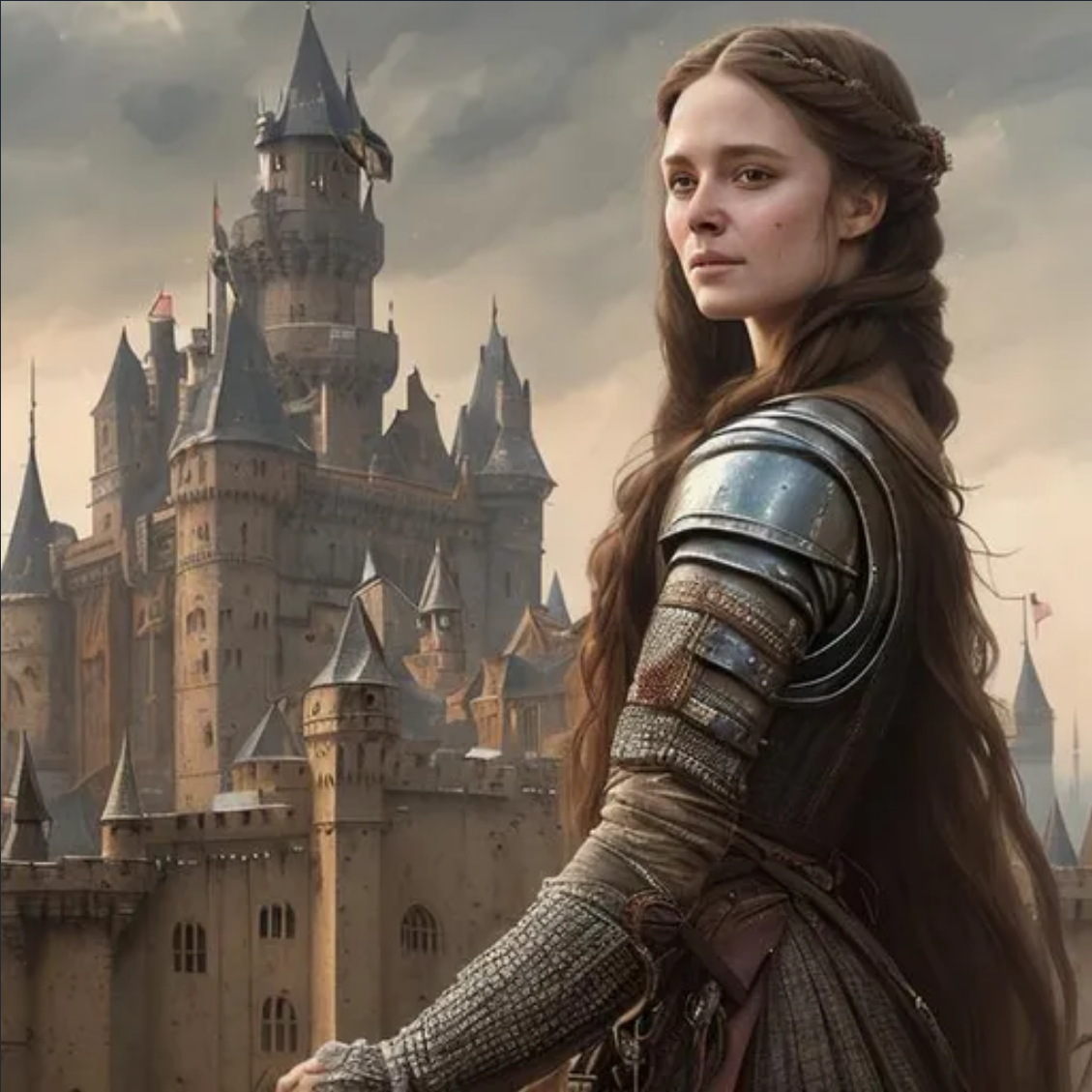
- Knighthood for martial characters, either with a single manor or without.
- The title of “master” in a magic guild for arcane spellcasters.
- A special title and/or position in the church or temple for clerics (monsignor, elder, patriarch/matriarch, priest[ess], abbot, etc.).
- A special position in a druid circle for druids.
- Knighthood or a position as an advisor or spy for rogues. Or perhaps one could be made constable or bailiff of the town.
- Head of a faction, such as an order of knighthood or monks or council of wizards or college of sorcery.
- A position as sheriff, judge, royal warden, etc.
- A position at court as minister, justiciar, ambassador, etc.
In the original D&D, it was just assumed that fighters of 9th level would be elevated to the status of lord by the gift of lands and allowed to build a stronghold (a manor house). A lord could eventually have several manors.
The next step up from that would be nobility, which required the gift of a noble title such as baron or count (and typically additional lands) from the ruler of the realm.
12. Odds & Ends
All kinds of other things may be of value to the heroes or to NPCs. Special items could be needed as spell components. Or they could provide useful knowledge to the royal chroniclers that fills in holes in their histories. Or they could be the final piece to complete a building or work of art.
 zarban.com
Leave a comment