


Give your fantasy world a history by creating distinct periods you can then use to label its various buildings, monuments, and ruins.
You should have an age shrouded in the mists of time, another age of a great empire or kingdom, an age of darkness after the fall of that empire or kingdom, and the rise of another kingdom but one that is troubled with monsters and littered with the ruins of past ages. This gives you ancient, imperial, and more recent ruins to explore.
What value is there in having such a history? A big part of the game is finding magic items, and a big part of that is hearing tales about what magic items might be available on a given adventure. This gives the players a reason to seek out lore about your world.
- If you make adventure hooks that promise a specific type of treasure, they’ll ask every innkeeper and sage what tales they’ve heard.
- If you require them to describe magic items they want when they make a donation to their faith for a vision (and not merely pick them from the rule-book), they’ll thrill to discover a tome called Arms & Armor of Great Heroes of the Second Kingdom.
The Antique Age
Ancient

The ancient period is a time about which little is known in most places. Only the elven culture is known to have been civilized at that time, and their interests were not bent toward conquest. Their scattered writings form the basis of alchemy, mathematics, engineering, and art in the known world. Their language is called “Ancient”, and it’s found among old ruins and studied by scholars and sages.
The rest of the known world, including what would become this realm, was illiterate barbarians–especially humans–and scattered tribes of them exist to this day in the hinterlands. They left great stone monoliths, but their purpose is largely a mystery.
Imperial

When the Great Empire arose out of the petty kingdoms of the Ancients, their language and culture changed. They conquered vast stretches of land, including this realm. They built roads and buildings all over it, including palaces that remain at the heart of the empire and forts and villas that lie in ruins all over the empire. They built aqueducts and mechanical wonders.
The Imperials civilized the barbarians far and wide and yet didn’t assimilate them, instead changing them into a civil version of their cultures. They taught them the Imperial language, which is used across the lands of the former empire by all learned people in addition to their local tongue.
Eventually, the humanoids gathered their strength in the wild lands and rose up to challenge humans. When the former barbarians–now called peasants–arose as well, the empire collapsed, and its people fled to the heartlands or were slain by the people they ruled, leaving many ruins all over the known world.
The Dark Age
First Kingdom
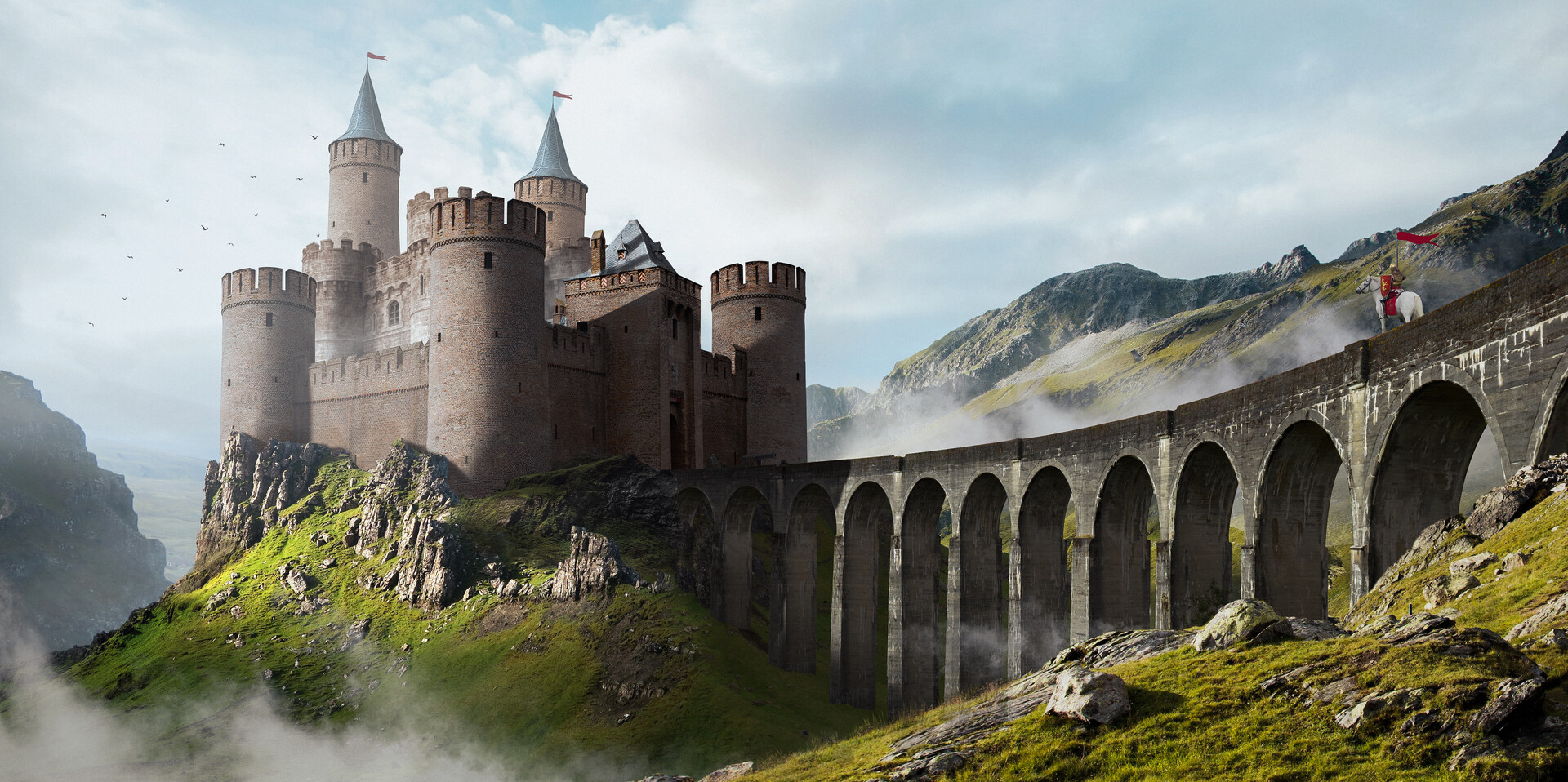
Out of the remains of the Old Empire arose the First Kingdom when King Harwald defeated King Lanwald of the Yolts and Warrior Queen Thelmas of the Felbolds. Harwald built a kingdom up out of barbarian traditions fused with Imperial institutions and created the first earls, barons, and knights ruling the peasants.
Many castles, walled towns, and fortified monasteries were built during this period to cement the king’s rule and defend against the monsters. Some regard this as an idyllic age, when the kings were beloved and just, an age when magic blossomed and legendary weapons were forged.
Civil War

The end of the First Kingdom was a time of disarray, when tyrants reigned and monsters roamed the land little hindered. The line of Harwald had died out and been replaced by that of Queen Walva, but that line ended in weaklings and despots that triggered a civil war among the nobles. There were known vampires, liches, sorcerers, and witches in power.
Many castles, monasteries, and walled towns were raided and left in ruins. And King Benethar gathered power and influence to take control and rebuild. He began to establish colleges and new monasteries.
Plague
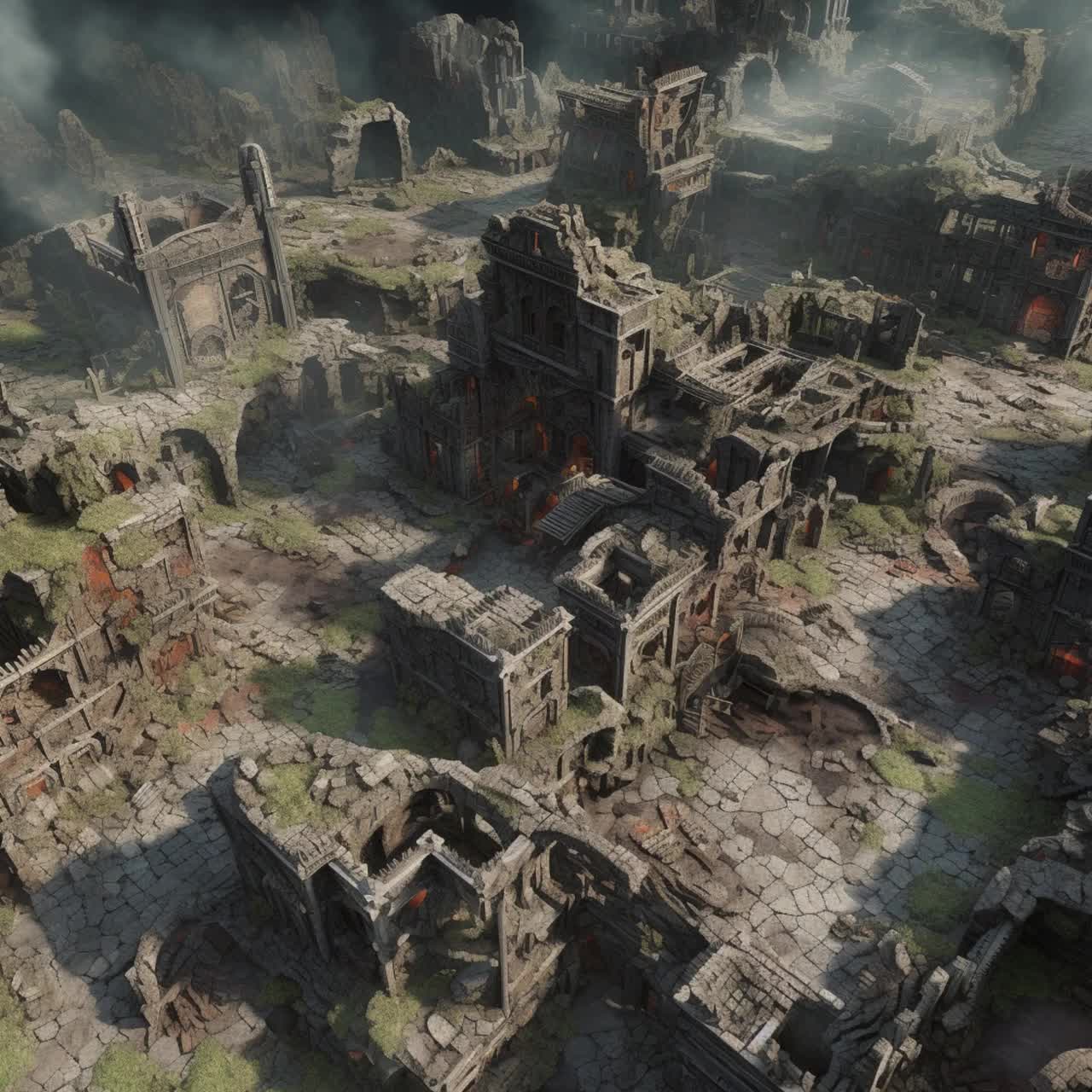
Not long after the Civil War left the line of Benethar in power, the two plagues struck. The Red Pox and the Mad Fever killed great numbers thruout the known world. Monsters roamed the land unhindered, feasting on the dead and dying. And mad tyrants wreaked havoc on their own subjects, including Loscul the Soulless and Barbox the Bloody.
The bodies piled high and were buried in fields to fertilize the crops. Many castles, towns, monasteries, and manors were abandoned for lack of population and surrendered to monsters unaffected by the plagues. Even the great city of Thondil, capital of the realm, was abandoned and lies in ruins to this day.
The Rebirth
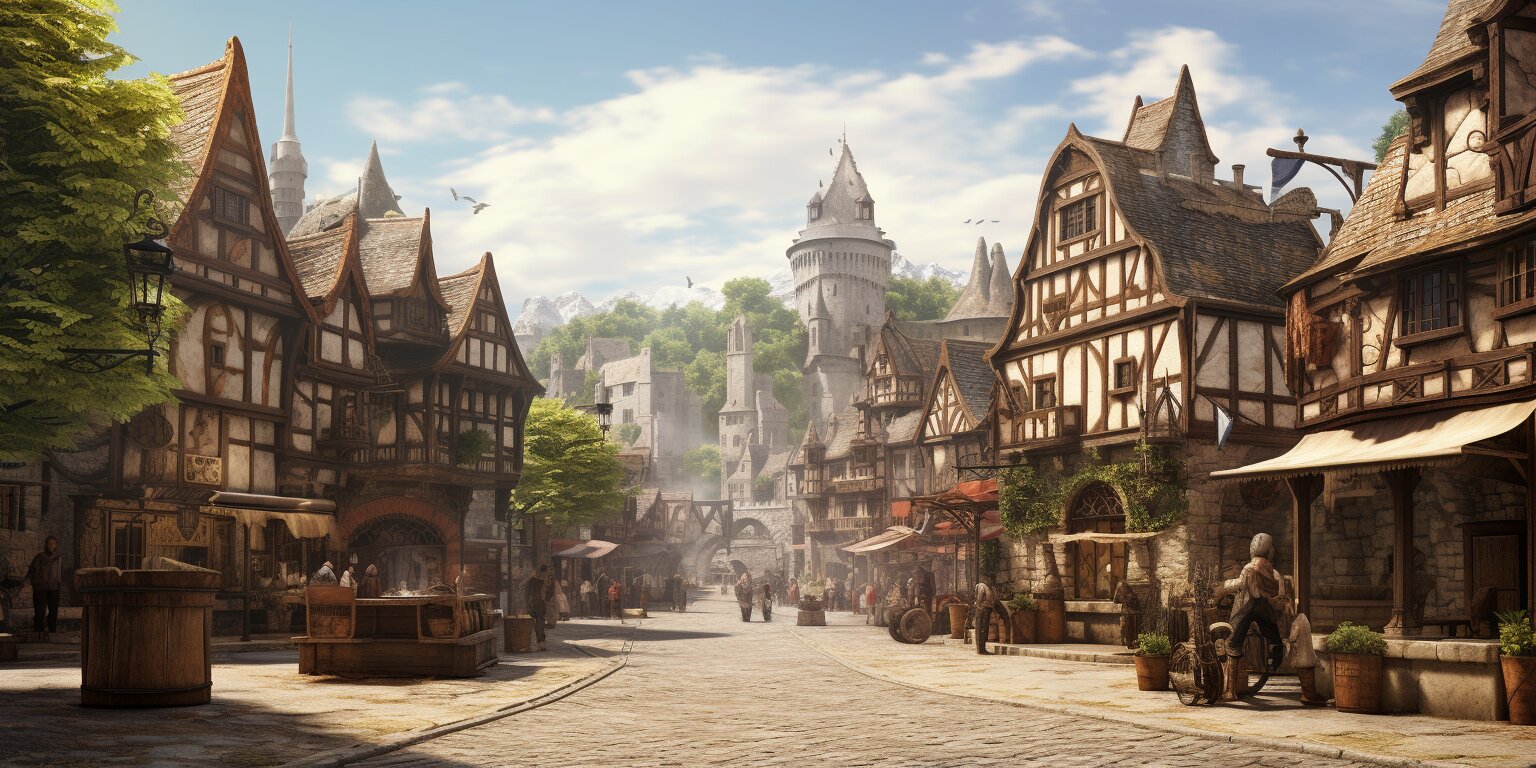
With the deaths of so many at all strata of society, the realm changed greatly. The line of Benethar was replaced by King Gallus and then his daughter Phyoni. Peasants threw off their bonds and gained freedoms and rights they had never known before as their labor was in great demand; morals loosened. Extinct lines of gentry and nobles allowed Gallus and later Phyoni to seize great amounts of land by escheat and dole them out to new favorites, creating dukes and counts as well as new earls and barons.
The realm now boasts new vigor, as institutions are reestablished. Gentry may rise to nobility if they do the ruler favors, particularly by taking back abandoned lands or taming lands long wild with monsters, establishing new manors and building new castles. Indeed, even the occasional commoner may rise to greatness, if he or she proves worthy of accolades.
How to Use Your History
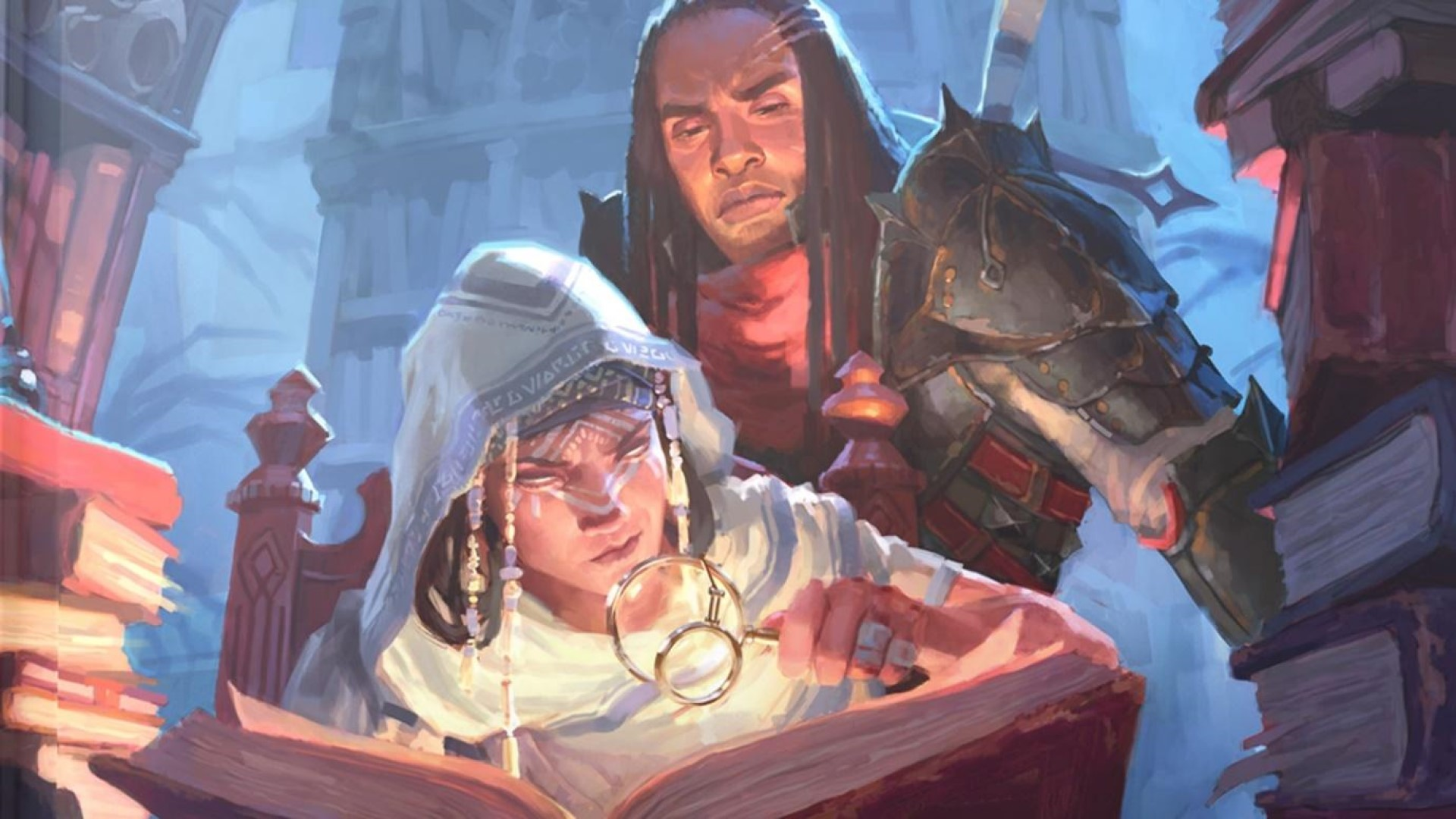
Don’t try to dump all this on your players!
Your world will be more interesting and more mysterious if you dole out its history in bits and pieces. Just give the barest overview of the Antique Age and the Dark Age or whatever and just a quick summary of the Rebirth of the kingdom, so they know who the current rulers are.
Later on, you can drop in references that remind the players about the Old Empire and such–the design of a ruins, the portrait on the coins in a treasure–and it will deepen their appreciation for your world. Eventually, you may get them discussing when exactly Thondil was abandoned and seeking a sage to date some artifact because it somehow matters if it pertains to the great Warrior Queen Thelmas or merely to Queen Walva.
Names for Ages
- First Age, Second Age, Third Age
- Dark Age, Age of Darkness, Age of Fear, Age of Shadows, Age of Monsters
- Eldritch Age, Age of Horrors
- Light Age, Enlightened Age, Age of Rebirth, Green Age
- Bronze Age, Iron Age, Steel Age
- Bronze Age, Silver Age, Golden Age
- Antique Age, Ancient Age, Imperial Age
- Age of Titans, Age of Gods, Age of Monsters, Age of Men
- Age of Ice, Age of Fire, Age of Sorcery
- Lost Age, Unknown Age, Timeless Age, Age Before Ages
 zarban.com
Leave a comment