


Previously, I wrote about ditching alignment for spirit and soul, but here is a less radical alternative.
The Four Alignments
Instead of the old D&D system of nine alignments, you can do well with four.
Lawful
Lawful creatures create and follow rules so that everyone may benefit in the long run, even if some are hurt in the short term. They’re willing to make deals and tend to keep them, even if things turn out to hurt them personally. That doesn’t necessarily mean they follow the law. Even the head of a criminal gang is usually lawful, but he or she creates rules and expects the gang’s members to follow them. Indeed, anyone in a strongly run organization is likely to be lawful, especially knights and clerics.
Chaotic
Chaotic creatures may make deals, but they’ll also likely try to change them when the situation changes. They tend to follow leaders who are strong and charismatic over those who emphasize rules and regulations. They tend to do what they “need” to do rather than what they’d agreed to do. Such creatures may be favorably described as “free spirits” and unfavorably described as “unreliable” or “reckless”. Animals are chaotic (except dogs; dogs are good).
Good
Good creatures try to keep their deals, but may ask to renegotiate if the situation becomes hurtful to innocent people. Their emphasis is always on the greater good and the welfare of everyone affected. This makes them willing to fight to defend their people and willing to execute those they perceive as evil or chaotic who have caused great harm.
Evil
Evil creatures care little for rules and deals unless they’re backed by force or punishment and they fear they could get caught. They follow strong, charismatic leaders and regard the weak and innocent as prey. They only for those closest to them–family and friends–and even then may sometimes treat them callously when their own desires are strong.
What’s the Value?
To me, “neutral-good” and “neutral-evil” don’t say much and therefore don’t give a GM much guidance as to behavior. And “true neutral” says nothing at all. No one describes their personal philosophy as “neutral” or being all about “balance”. And “chaotic-neutral” is worse. You hate rules and deals and don’t care about hurting others? Sounds pretty evil, my man.
And yet “lawful-neutral” and “chaotic-good” do say something that is helpful and predictive of someone’s behavior. “Lawful-good” kind of doesn’t, tho. You follow the rules? Well, what about when doing so hurts others? Which wins out? It has to be the “good”, right? Because otherwise you’d be lawful-neutral, except doesn’t this mean you’re really neutral-good?
With these four alignments, fae creatures and other interesting monsters can be chaotic but not outright evil. If their actions are harmful, they may be persuaded to stop, especially if there’s a quick deal.
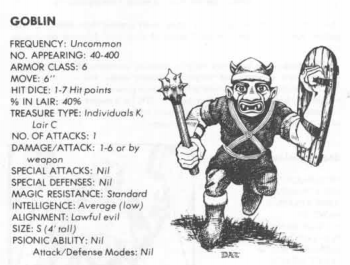
Does it mean you can’t distinguish between lawful-evil and chaotic-evil creatures? Did you ever do that before? Sure, you can say that demons are chaotic-evil and devils are lawful-evil, but what difference did that ever make in an adventure? What value was there in differentiating demons and devils at all? If you want a nasty monster–like a rakshasa, say–who is cool and civil but ultimately wants to eat you, just make it lawful. Does anyone play lawful-evil hobgoblins as significantly different from chaotic-evil goblins? You do? Well, you shouldn’t: they’re both lawful-evil. That’s right: if a goblin says he’ll meet you for lunch, he’ll be there on time or text you he’s running late and only try to kill you later, when he’s satisfied he gave you a fair chance.
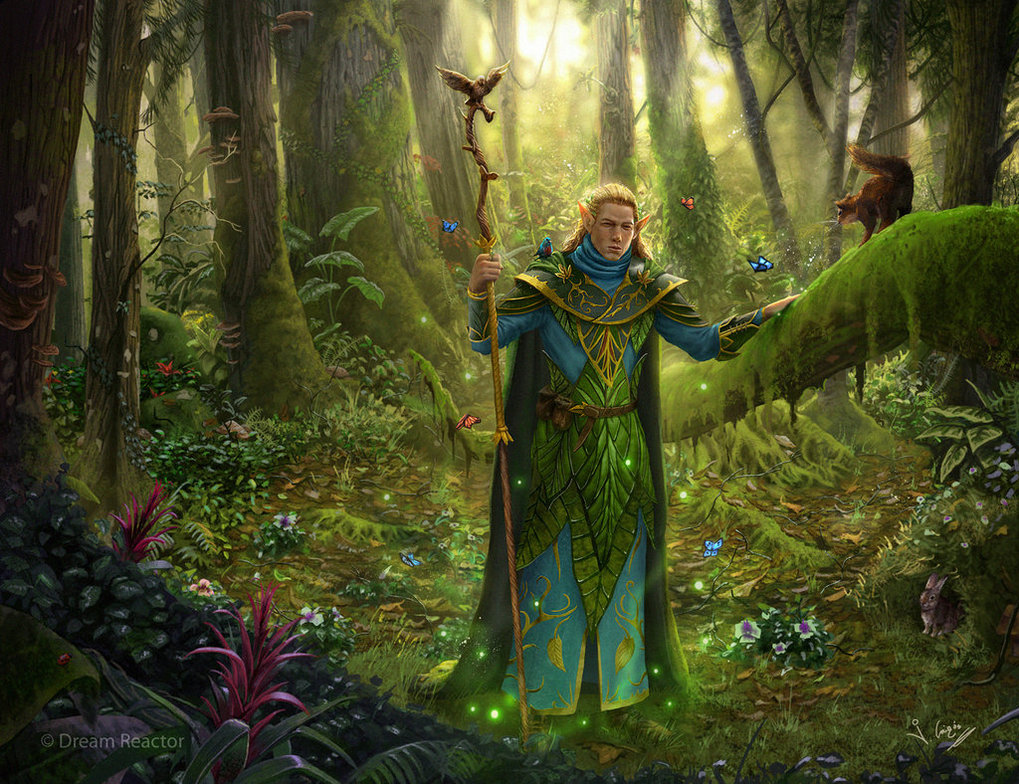
Druids are now good–which is good because “true neutral” never made sense for them; they’re all about protecting forests and animals, and yet who imagines a druid saying, “Oh, I don’t care if the hobgoblins overrun the town and kill all the humans. It’s the circle of life”? But do you think druids care for laws and royal declarations or that they would hope the courts would settle a dispute with a lord wanting to clear-cut some virgin forest? Not a chance. Chaotic all the way.
 zarban.com
Leave a comment