

A big part of playing most RPGs, particularly D&D and other medieval systems, is exploration. Of late, this has taken a back seat to social interaction and complicated combat scenarios. Bring back the magic of old-school play, regardless of the system you use, by making the locations your players send their heroes into worth their time.
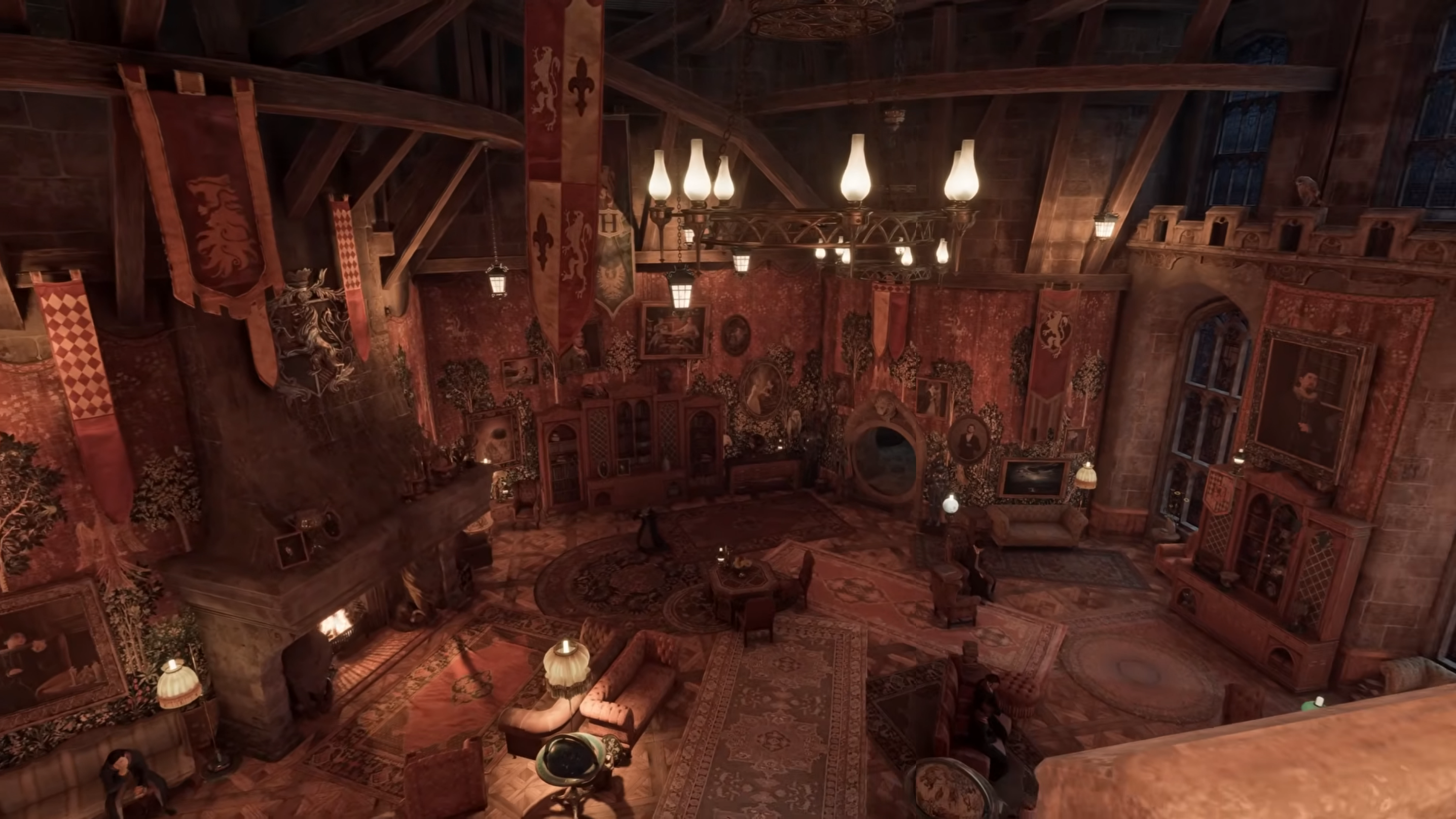
Think of the reasons you yourself are interested in exploring a location. Think of things like Howarts Legacy and Disney theme parks and how the designers created them specifically to be interesting to explore. A haunted mansion shouldn’t be a normal mansion with a ghost in it; it should be strewn with weirdness.
Visually Impressive
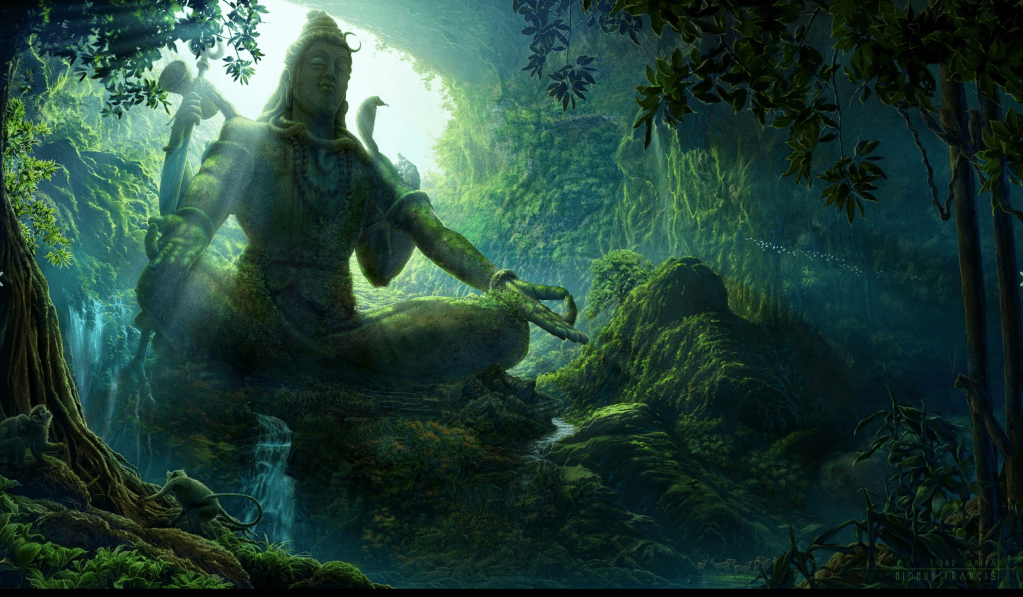
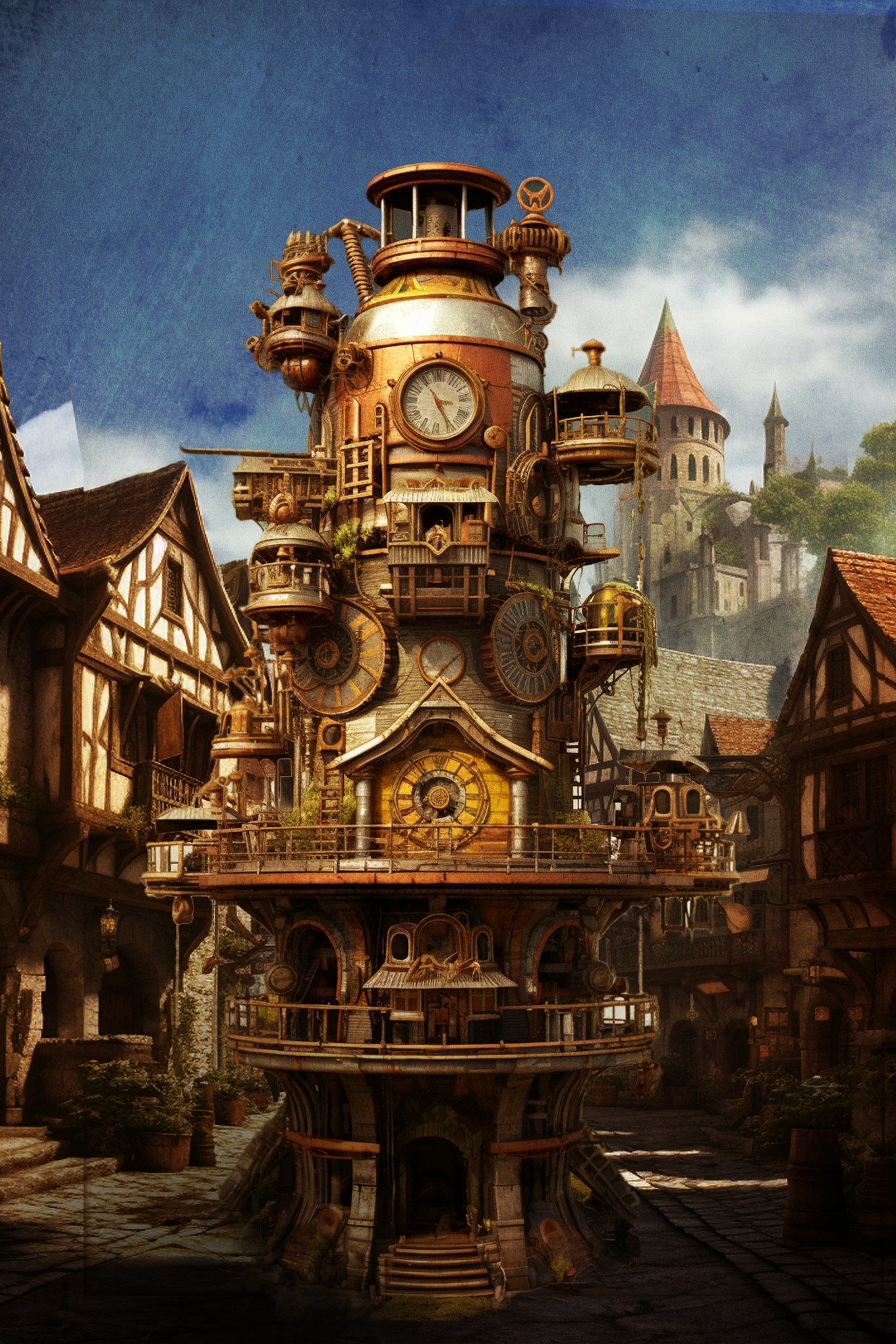
Locations to be explored should be visually interesting and impressive. Find images that depict strange and wondrous dungeons and natural landscapes that suggest mystery, magic, treasure, and danger. Entrances to underground chambers should be daunting; ruins should be intriguing; buildings should be enticing.
Some rooms should be small but others should be cavernous. There should be nooks and crannies, ledges and balconies. Find images of well-appointed rooms and well-designed buildings and use them to inform your descriptions. They don’t have to be close enough to your space to be used as a visual aid, just the right sort to allow you to speak liberally about what it looks like. Think of them as an inspiration board.
Complex Enough to be Interesting
While there’s a lot to say for five-room dungeons, I’ve noted before that every five-room dungeon should really be nine or ten rooms. But most dungeons should be a little more complex still, offering enough twists and turns or level changes to be interesting places to explore, with one chamber overlooking another, and so on. A secret door should often allow access to a secret section of the complex, not just a store room.
I’m not even a mega-dungeon fan, but most dungeons should be too big to fully explore in one session. Some sections should seem intriguing but too dangerous or not worth the trouble to deal with whatever stands in the way (whether that’s a guardian or just murky water).

Furnished Liberally
The contents of a tomb, lair, storehouse, or temple should be interesting in themselves. Add some oddities. Some can be left over from the place’s original inhabitants while others belong to its current denizens. Even mundane items should be broad and varied, possibly useful. Put a ladder here or there, empty barrels, storage urns, chains, rope, adventuring equipment, tools, etc. Some of them might come in handy when facing monsters, traps, and puzzles, so the heroes will search them more thoroly.
As mentioned above, use reference images to help you describe the kind of furnishings and architectural details there are in the space. Don’t try to list everything all at once. Consider using my search protocol:
- When the heroes enter, give them a general impression (“This is obviously a dining hall; there are tables and stools and other furniture here and there.”).
- When they have a chance to explore, give them a basic list (two tables with four stools each; common rugs and tapestries depicting mundane scenes; four chests along the walls, two chandeliers overhead, a brazier in the middle of the room).
- When they search, give them details about the most interesting things. Gloss over mundane items that have no significance. This simulates the fact that adventurers have good hunches and automatically pay more attention to important things. More detail isn’t more flavor; it’s more confusing.

Harboring Secrets
Locations should harbor secrets the heroes can encounter–not just the monsters and treasure but information that connects them to others the heroes already know or to other locations the heroes can decide to explore. If you’re running a pre-written adventure, modify it slightly to include elements (or at least references) that are particular to your campaign.
Consider all the questions you could allow the heroes to find answers to….
- What things and creatures are here? What are they doing?
- What used to be here. What happened to them? What’s left of them?
- Why did the creators of the place abandon it?
- What relation do the things and creatures currently here have to each other and elsewhere?
In the old days, finding something typically meant treasure or magic items, but if you include factions or important NPCs and events, the heroes might also find information about those things or artifacts belonging to them.
Better still are arcane tomes that contain spells and information about monsters. (You don’t just let players pick any spell, do you? And you don’t just use standard stats and abilities, right? The characters don’t have access to the PHB and MM.) That’s a kind of treasure of its own that’s more valuable than gold. Make it not merely profitable to explore but useful.
Tableaus
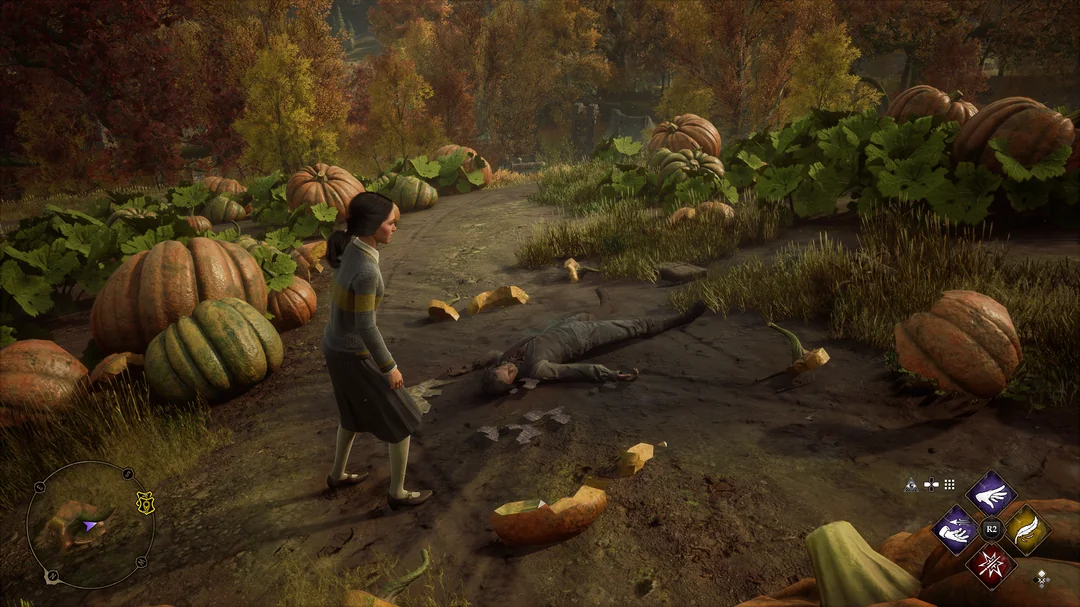
One sort of secret that is particularly interesting to find is a tableau. This is a scene the heroes come upon that tells a little story about something that happened there. A tableau is a little mystery of its own and all the more satisfying if there are enough clues for the players to figure it out.
Hogwarts Legacy features several secret locations you can stumble on where just enough information is given to allow you to understand what happened there. Often, there’s a corpse with a letter. You can do something similar with little minor points of interest.
 zarban.com
Leave a comment