

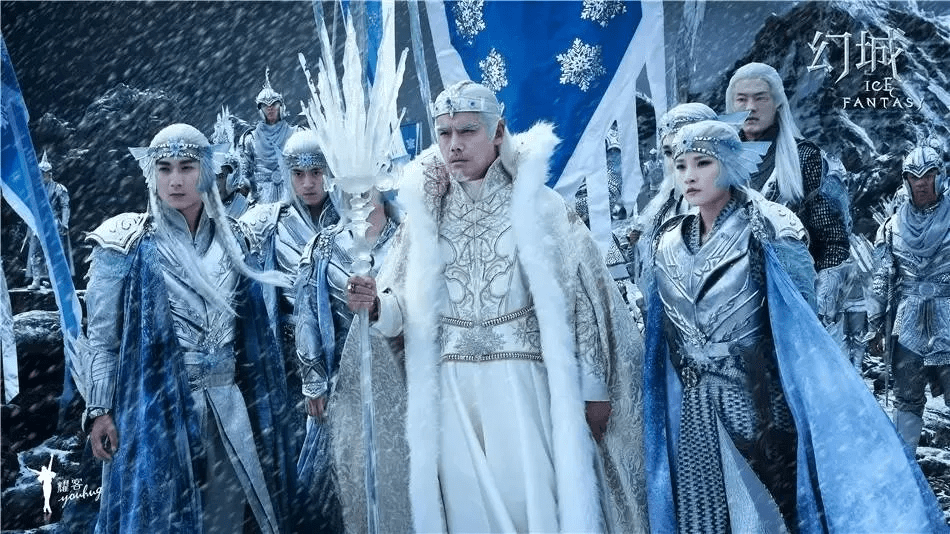
Even if you don’t care about faction play per se, some basic social institutions can give life to your adventuring world. All of these are common enough to live in just about any campaign, but you might pick just a few–a barbarian tribe, an ancient temple cult, a couple of noble houses–to be the main factions whose minions and leaders the heroes interact with the most.
To a degree, it can be left up to the players themselves. Introduce a cult or a noble and let them react to the NPCs and let things develop from there. Have a bishop or the Sorcery Guild ask them for help, and see if the players take a liking to an NPC. If they do, then that NPC’s organization’s allies and rivals should become more prominent.
The Royal Court
The Royal Court is the court of the king and queen of the realm. They want to consolidate power over the lands of the realm and expand their possessions where possible.
The Royal Court is allied with the Imperial Church, and the Merchants Guild. However, they don’t like having to share power with the Church or the Guilds, so conflict sometimes occurs. They’re opposed to the Barbarians of the Wastes, the Ancient Temples, and monsters of every kind. They have uneasy alliances with certain foreign rulers.
The heroes could become allied with members of the Royal Court who want certain advantages over the Church or the Nobles or the destruction of some menace–a good way to be granted lands and titles and license to build a stronghold. Or they could find themselves at odds with the Royal Court for starting a fire in the king’s forest–the main wilderness where monsters are found or otherwise breaking some royal decree–or fundamentally opposed to a despot.
The Nobility
The Nobility is a loose association of noble houses and orders of knighthood across the realm, with the greatest wealth and power held by a few earls of the richest shires. These are allied with the Royal Court and Church and uneasily allied with the Merchants and Sorcery Guilds–neither of which they really understand or trust. They are frequently in conflict with the Royal Court over land rights and feudal obligations–particularly in warfare with the Barbarians, and with the Merchant Guild over taxes and fees and land use (the merchants want lumber and ore; the nobles want to preserve the land for hunting).
The heroes could ally themselves with a noble house willing to pay bounties for certain monsters (trolls, goblin and orc chieftains, griffons, dragons, etc.)–a good way to get access to ruins on their land or become knighted. But they could find themselves at odds with another noble house or order of knights that claims rightful ownership of some magical artifact they recover from a dungeon or on whose land they looted a dungeon. Or they could simply cross the wrong knight and have his father the baron chasing them across the moors, particularly if he’s a petty tyrant.
The Imperial Church

The Imperial Church is based in a distant realm and led by the Great Patriarch. Its center was synonymous with the Old Empire until the empire collapsed. The Great Patriarch appoints the bishops and archbishops in each realm of the Holy Empire (a borderless, conceptual empire representing the reach of the Church), and they appoint lesser prelates, officials, and priests.
The Church is allied with the Royal Court and Nobility, altho it comes into conflict with both from time to time over the actions of its officials and Court officials, land holdings, etc. They typically have an uneasy alliance with the Sorcerer’s Guild, except in realms where they have outlawed sorcery altogether.
The heroes could ally with a bishop or some other official of the Church and carry out missions to recover holy artifacts or destroy evil temples. Or they could break some holy edict about not performing sorcery inside a city or–if it’s an oppressive authoritarian regime–performing “witchcraft” anywhere the inquisitors hear about.
The Ancient Temples
The Ancient Temples are a loose association of faiths that hold to the Old Gods, which are viewed by the Imperial Church as false: demons and nature spirits that masquerade as gods. There is a large array of such gods, from those worshiped immediately before the rise of the Imperial Church to those even older and those only recently arisen.
They’re allied with covens of dark witches and barbarians who still worship the Old Gods, but they oppose the Court, the Church, and to a lesser degree the Great Circle.
The heroes could become allied with one of the temples (not an evil one, hopefully), if they adhere or convert to its faith–perhaps because the Imperial Church is authoritarian. They could easily run afoul of an ancient temple if they loot one or get in the way of some evil cult’s plans to seize control or gain power.
The Great Circle

The Great Circle is the loose association of various druid circles and witch covens across the known world. Each is independent and has its own local aims, but they all seek to identify secrets of the world and nature, protect nature (and return some lost wilderness to a wild state), and destroy monstrosities and foul temples.
They are allied with the Elves and the Nobility (who want to preserve wilderness for its own sake and for hunting, respectively) and have an uneasy accord with the Court, Church, and Sorcerers Guild. They are largely opposed to the Merchants Guild over land use and the Ancient Temples–but covens of dark witches may be allied with certain Ancient Temples.
The heroes could become allied with the druids and/or witches if their company includes one or if they’re just sympathetic to the idea of preserving large swaths of wilderness from being assarted or being overrun by monsters. They could get in dutch with them if they, say, burn down part of the forest, kill a unicorn, or otherwise wreak havoc.
The Merchants Guild
The Merchants Guild is a formal association of craftsfolk and tradesfolk across the known world. They are allied with the Court and the Church, altho they come into conflict with both in matters of trade, taxes, and the movement of gold and silver. And they have an uneasy alliance with the Sorcerers Guild, in that they like that they share the guild structure but don’t trust that the wizards won’t turn them into toads over some minor dispute.
They are opposed to the Barbarians of the Wastes, who raid their cities and ships and frequently have conflict with local nobles over taxes and land use. The heroes could become allies of the Merchant Guild, if they helped suppress the barbarians and monsters that prey on their trade. They could fall afoul of them if they break certain rules about buying and selling goods or threaten trade in any way.
The Sorcerers Guild
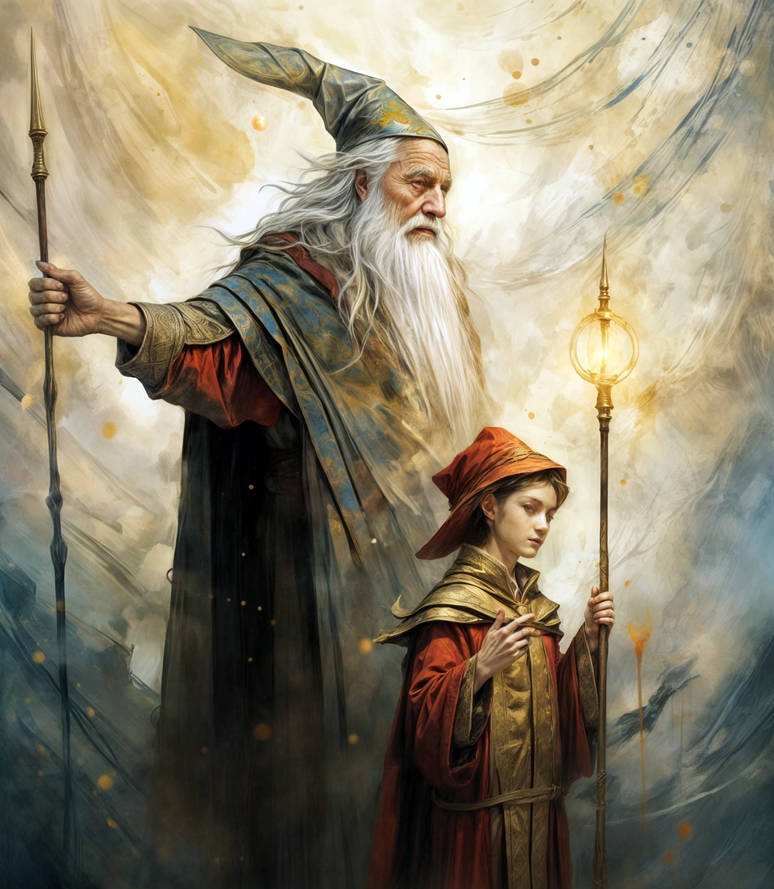
The Sorcerers Guild is a formal association of arcane spellcasters across the known world. They’re allied with the Court and Nobility and have an uneasy alliance with the Church and Merchants Guild. They oppose the Ancient Temples, Barbarians, monsters, and anyone else who breaches the peace enough to distract the wizards from their arcane pursuits.
The heroes could ally with the Sorcerers Guild to slay certain troublesome monsters–or to bring back specimens for the wizards to get their hands on. There are, of course, plenty of rogue sorcerers and mad wizards causing trouble in the realm, and the Guild would like them suppressed to avoid ruining their reputation, particularly with the Church. Any heroes foolish enough to cross the Sorcerers Guild over some arcane artifact or looting some respected wizard’s tomb should be prepared for the worst.
The Barbarians of the Wastes
The Barbarians of the Wastes are a loose association of tribes that occupied the realm before the coming of the Old Empire (and long before the rise of the current kingdom). They were pushed up into the Wastelands, where they remain. They are allied with the Dwarves and with either the Imperial Church (if they were converted) or the Ancient Temples (if they still worship the Old Gods). They dislike wizards of all stripes, Guild or not.
They fight each other over territory, but they hate the Royal Court more. They often raid cities and ships, which puts them at odds with the Merchants Guild and the Nobility. The heroes could ally with a barbarian tribe if their company includes a barbarian or if they take their side against the Royal Court and Nobility or just against other barbarians they’re at odds with. They could get caught in the middle between barbarians who have conflicts with each other over land or some ancient feud over a stolen cow.
The Dwarves
The Dwarves once occupied all the mountains of the realm, but the Old Empire pushed them into the northern and western mountains. This allowed monsters to come out of their holes and mountains and hills around the realm.
The Dwarves are allied with the Barbarians against the Court but have an uneasy accord with the Church but largely oppose the Ancient Temples. Some are converted to the Church while others worship the Old Gods. They form occasional uneasy alliances with wizards on a case-by-case basis.
The heroes could ally with the dwarves if one of their number is one or if they take their side against the Royal Court and nobility in their ancient disputes. They could find themselves on the wrong side of a dwarven warband if they loot some ancient dwarven stronghold (even long abandoned on some noble’s land) or otherwise bruise their egos.
The Elves

The Elves once occupied all the forests of the realm, but the Old Empire pushed them into the west and south. They are allied with the Great Circle and the Wizards Guild and have an uneasy alliance with the Dwarves, Barbarians, and the Court. Some are converted to the Church while others worship the Old Gods or nature (as part of a circle of druids or coven of white witches).
The heroes could ally with the elves if their company includes one or if they take their side against monsters and against the Merchant Guild’s efforts to convert ancient forest to money.
The Common Folk
The Common Folk are humans, halflings, and those dwarves and elves who choose to live among them. They are allied with the Royal Court, the Nobility, the Church, and the Merchants Guild, altho there’s always some conflict over rights and duties, not to mention taxes.
In particular, they have a duty to their lords to pay taxes and do service in time of war and in return get certain guarantees of protection from monsters and other nobles as well as Barbarians and cultist raiders–protections that are not always successful. They’re opposed to the Barbarians and to Ancient Temples, who often prey upon them… altho the cultists worshiping in those Ancient Temples have to come from somewhere, don’t they…?
The heroes could find themselves heroes among the Common Folk if they slay some troublesome monsters, bandits, Barbarians, or Ancient Temple cultists–at least if the cultists aren’t anyone they know. The might also be raised up if the heroes take up arms against oppression from the Noblity, Royal Court, or even the Church (where evil and corruption is obvious). They could run afoul of the Common Folk if they harm a town or city or crops in the fields or otherwise make it hard for them to scratch out a living.

 zarban.com
Leave a comment