


One of things that made the early James Bond films stand out from the crowd was the scale of Ken Adam’s incredible sets. Often partly faked with matte paintings and such, these were on a gigantic scale that made Bond seem small and therefore up against overwhelming odds.
You can achieve some of the wonder that such giant sets deliver by scaling up some of your ruins and dungeons in a similar way. And you don’t need a blockbuster budget to do it. You can just show your players pictures of grand vistas and vast caverns.
As GMs, we’re often artificially hemmed in a bit by the size of the page we’re drawing a dungeon on. Don’t let yourself get trapped in a maze of 20×15 rooms. Tape pieces of graph paper together. Have multiple scales of map, if you have to: one where a corridor is just a line connecting cavernous chambers and one where each cavernous chamber takes up a whole page.
Or take a normal map and just say one square equals 20 feet instead of 5 feet: it’s a giant’s castle. The stairs are a challenge all their own: they’re each 3 feet high!
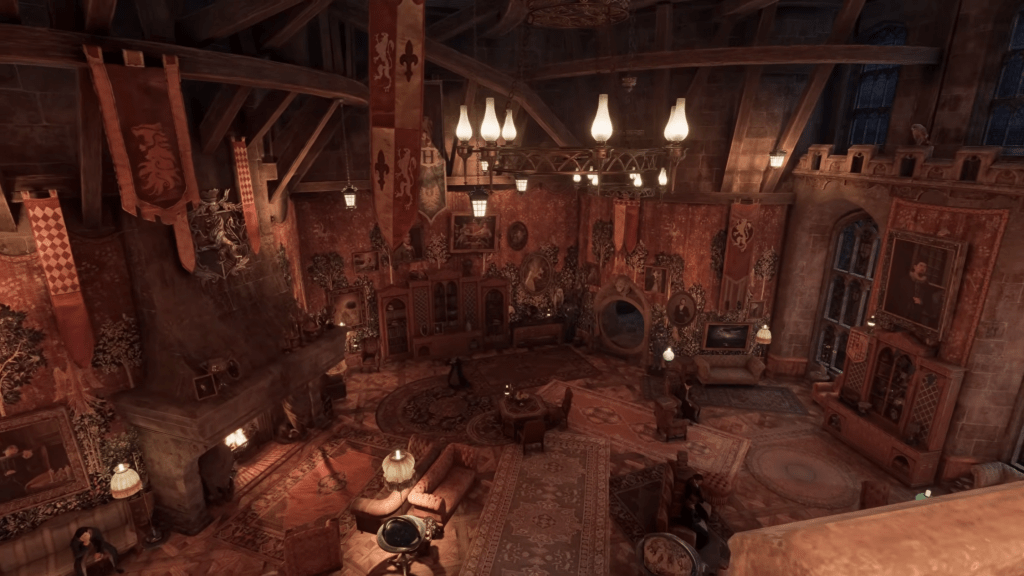
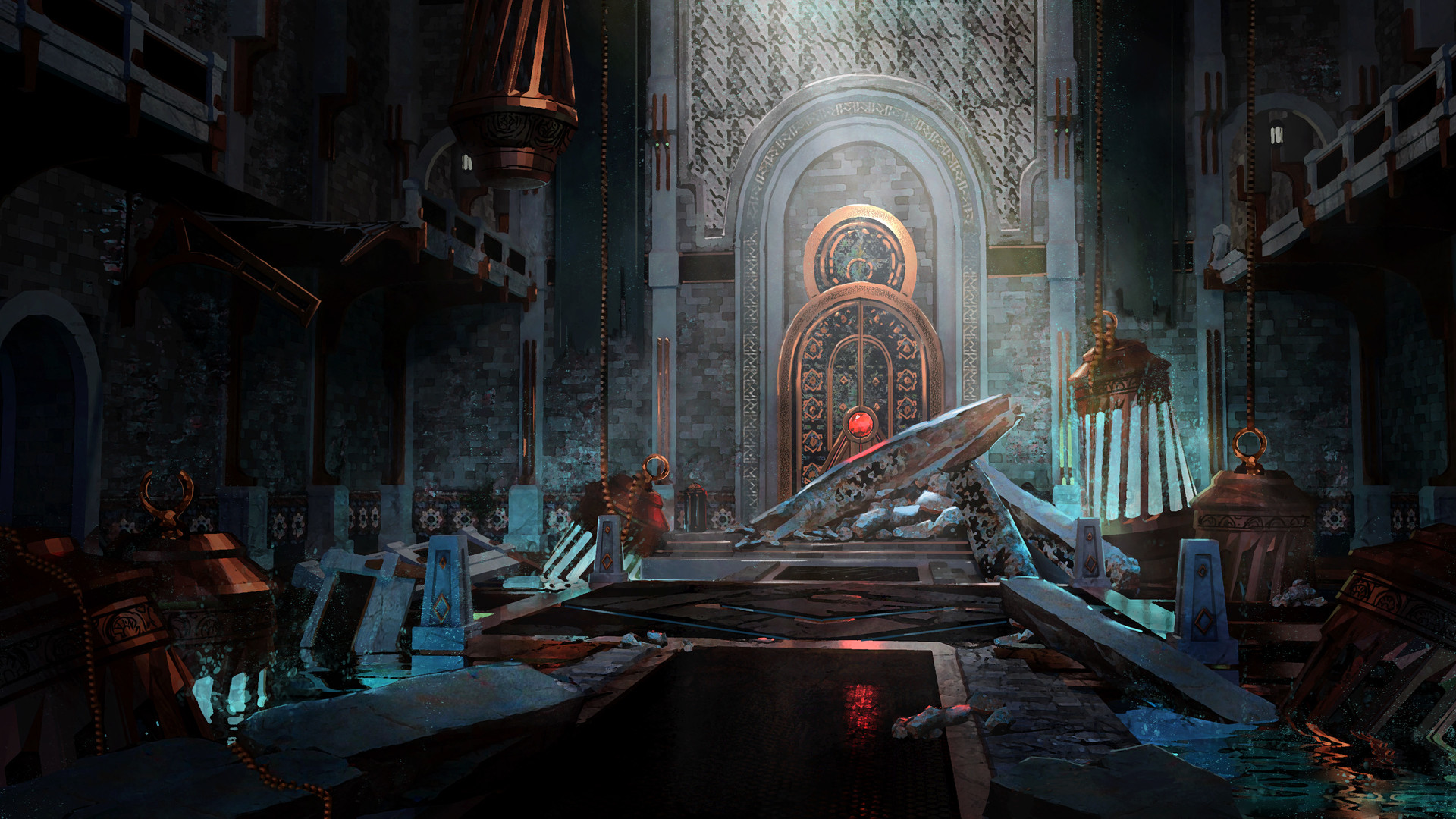
Give your huge spaces a topology of their own: soaring ceilings, enormous doors or gates, high places overlooking low places, ledges, niches, staircases, bridges, and so on.


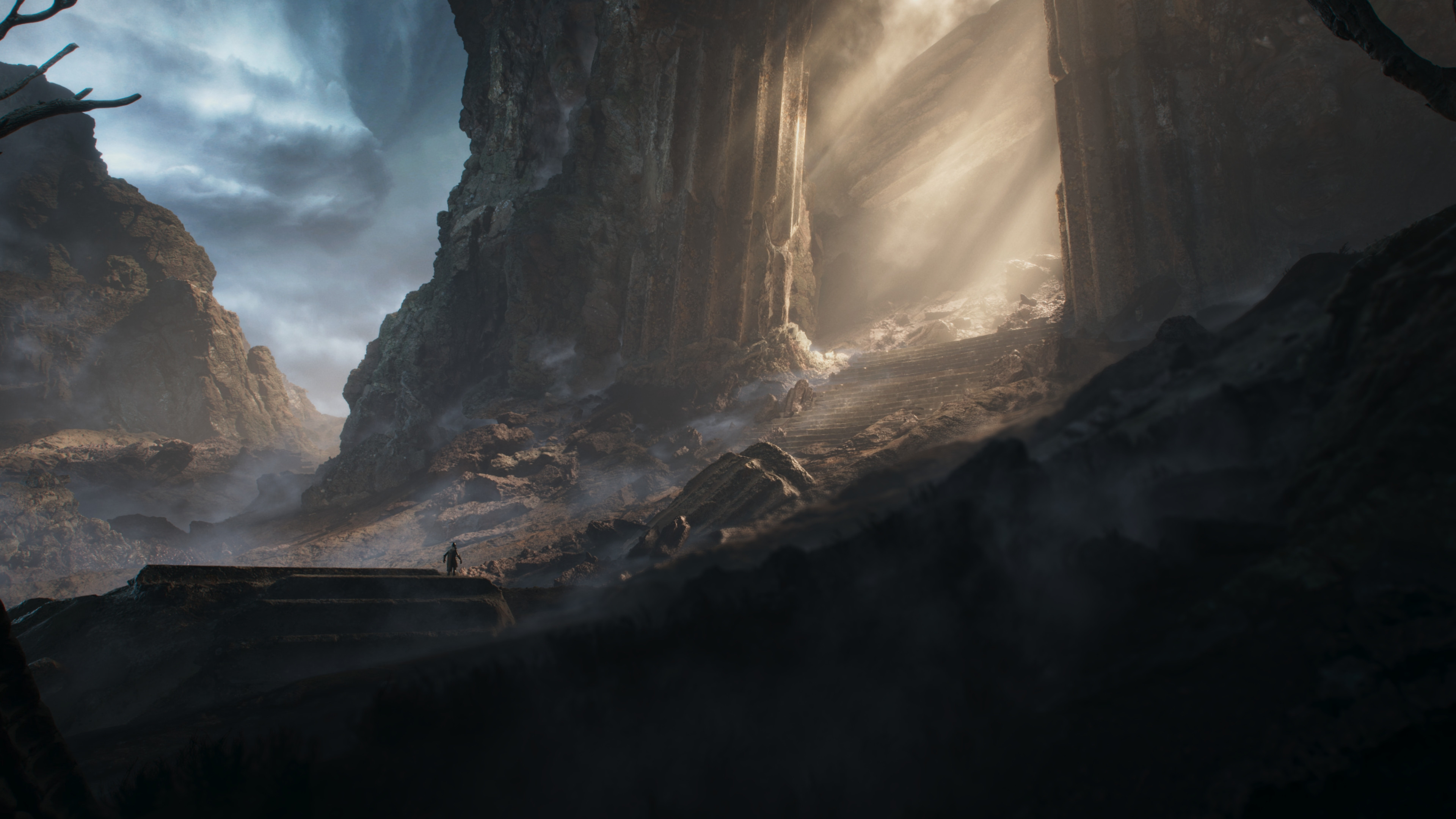
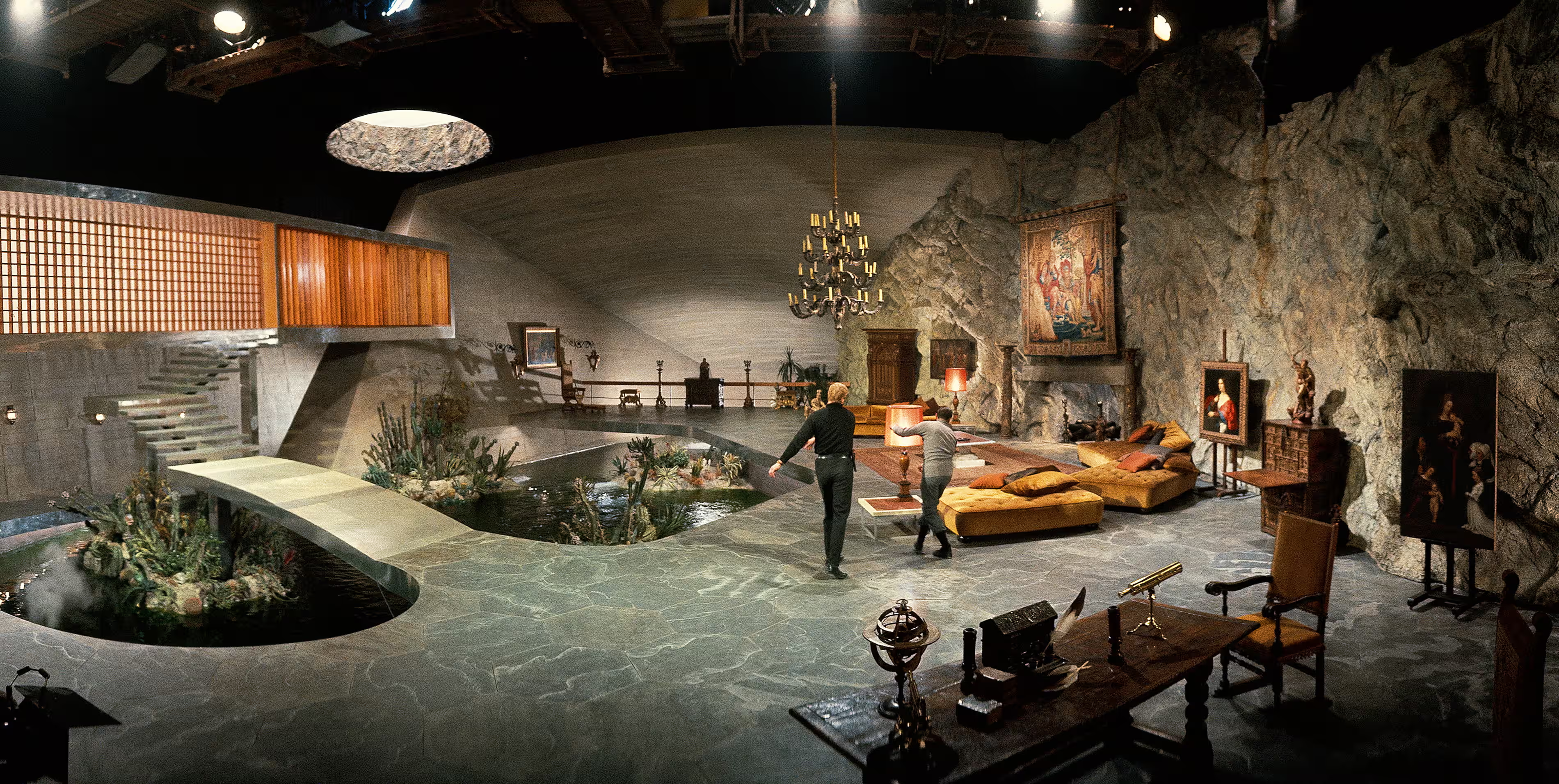
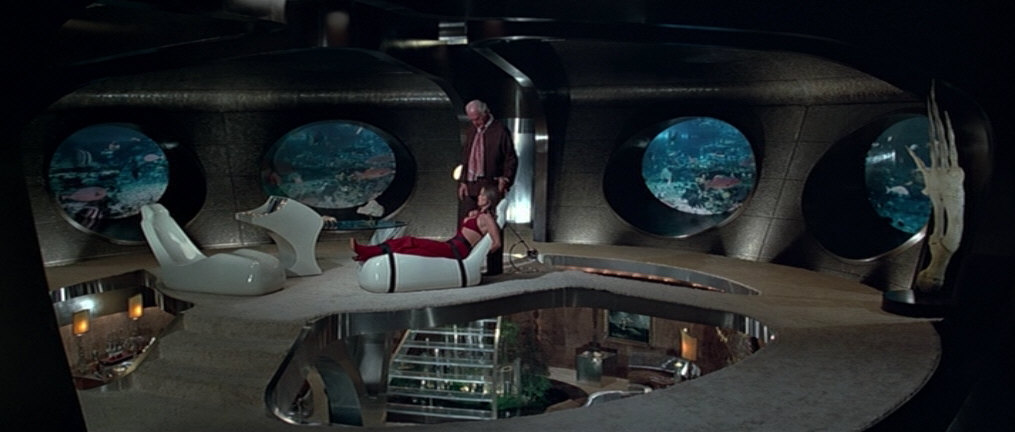

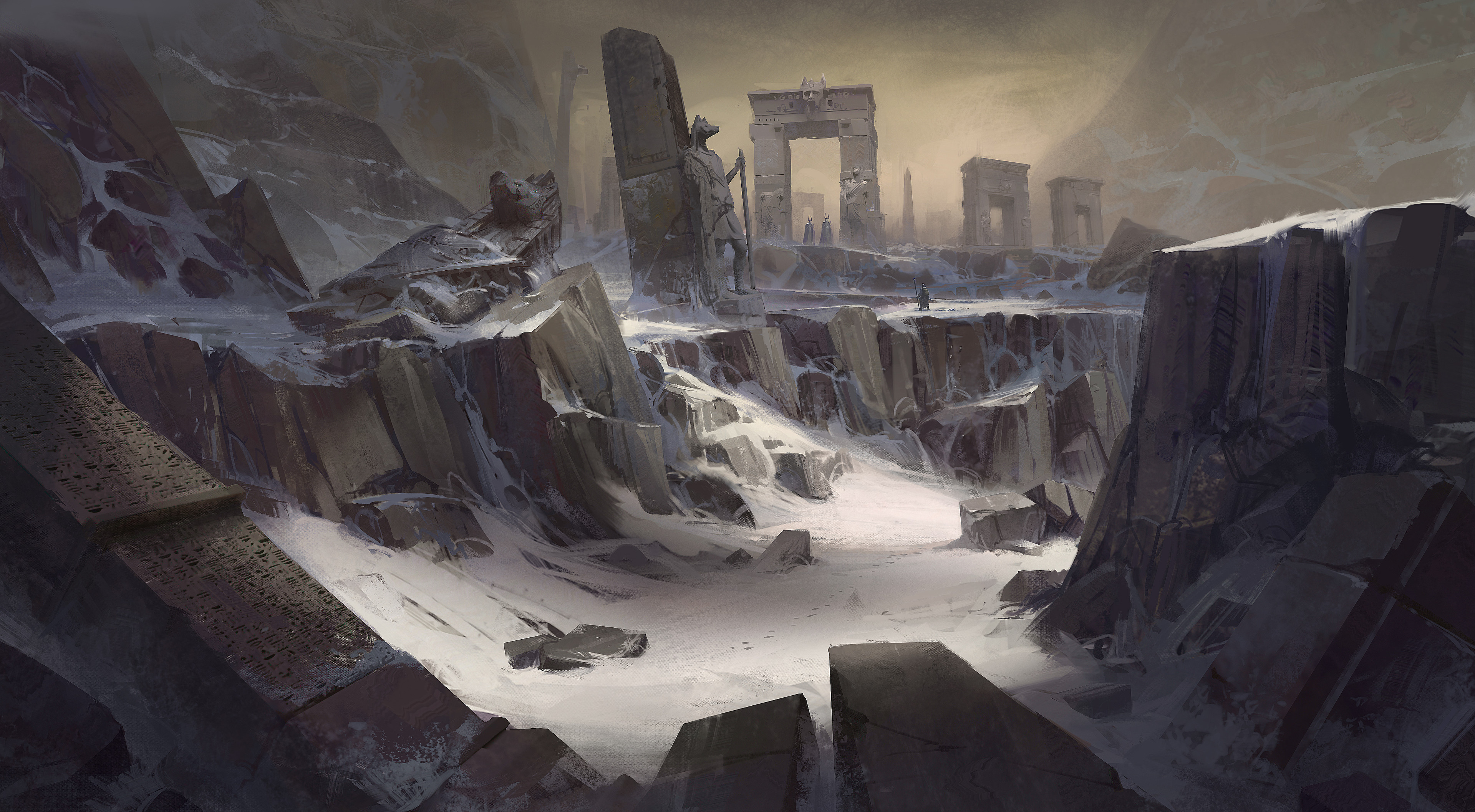
Look for ways and places to present your heroes with a cinematic view.

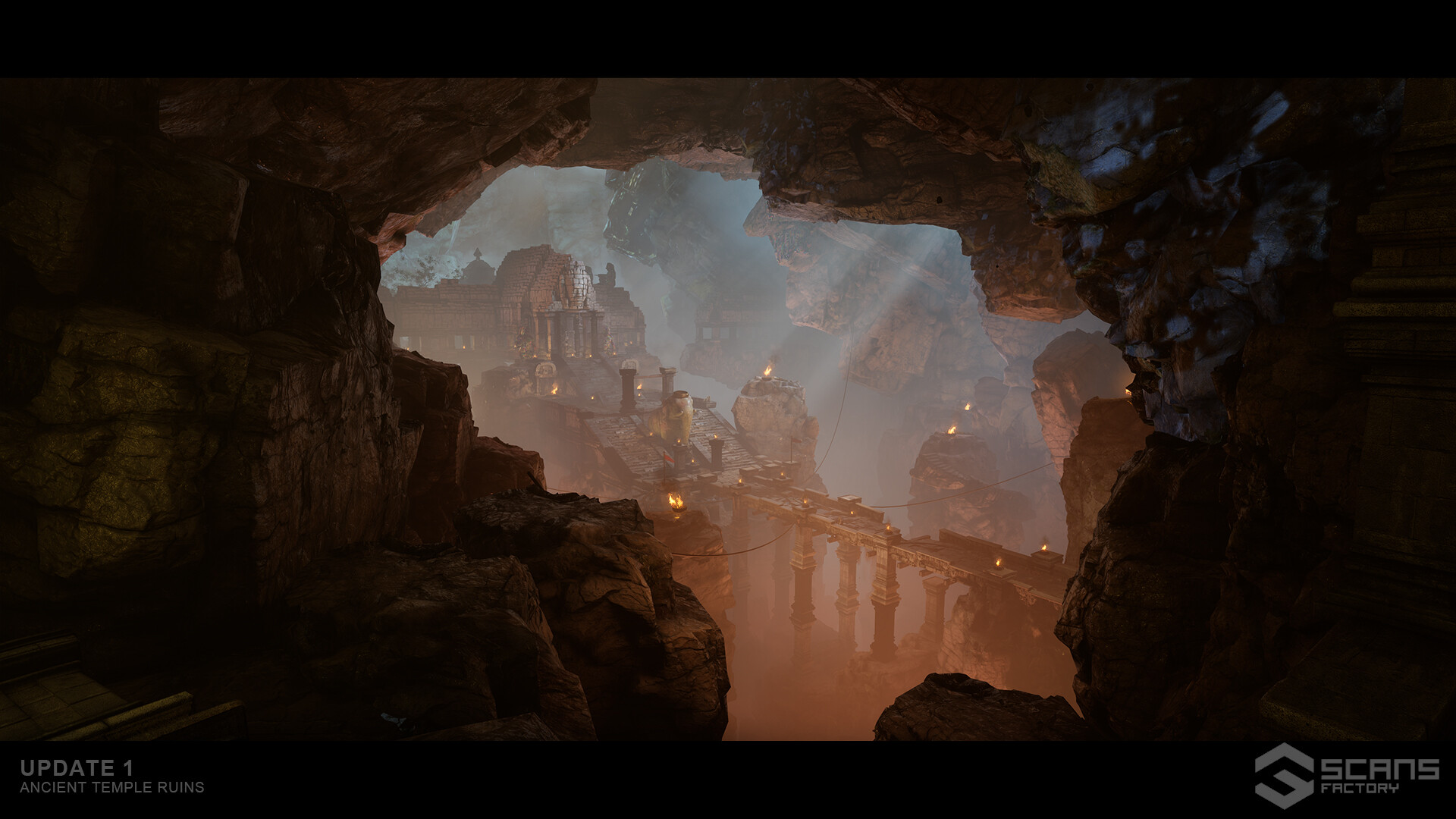


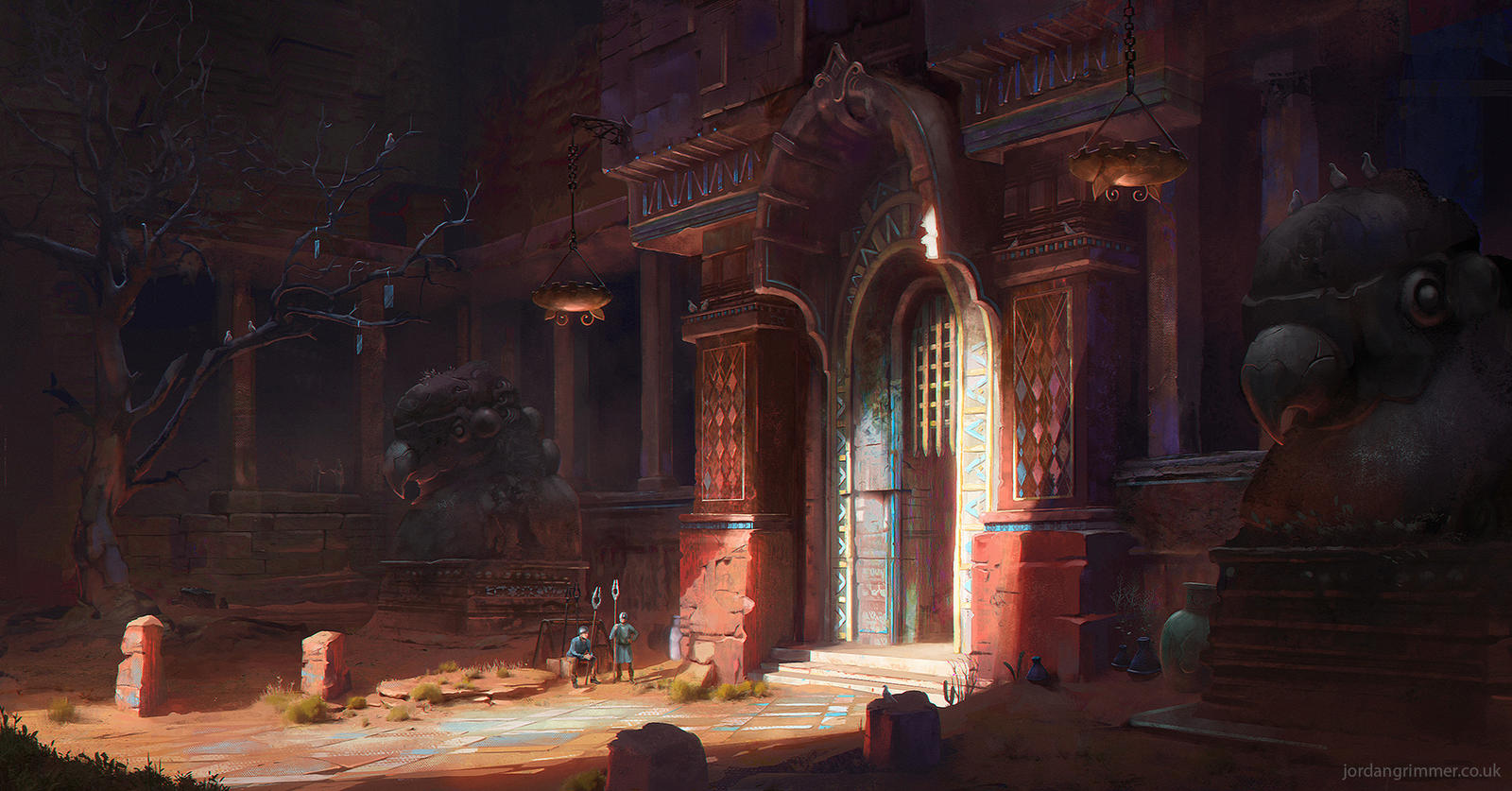
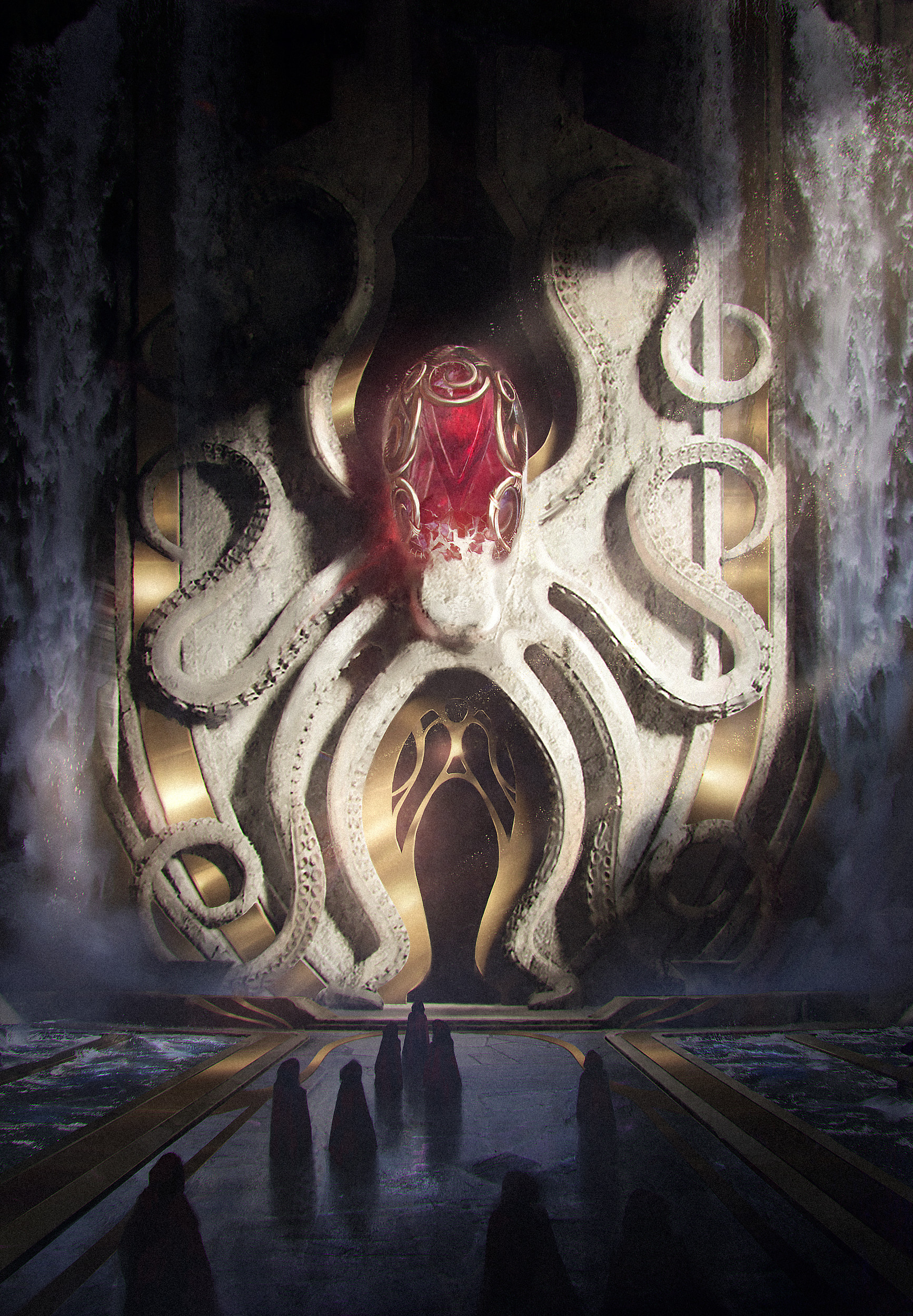
“You can’t budge the door. No, it’s not stuck–it’s just huge. It may take three of you to get it moving.”

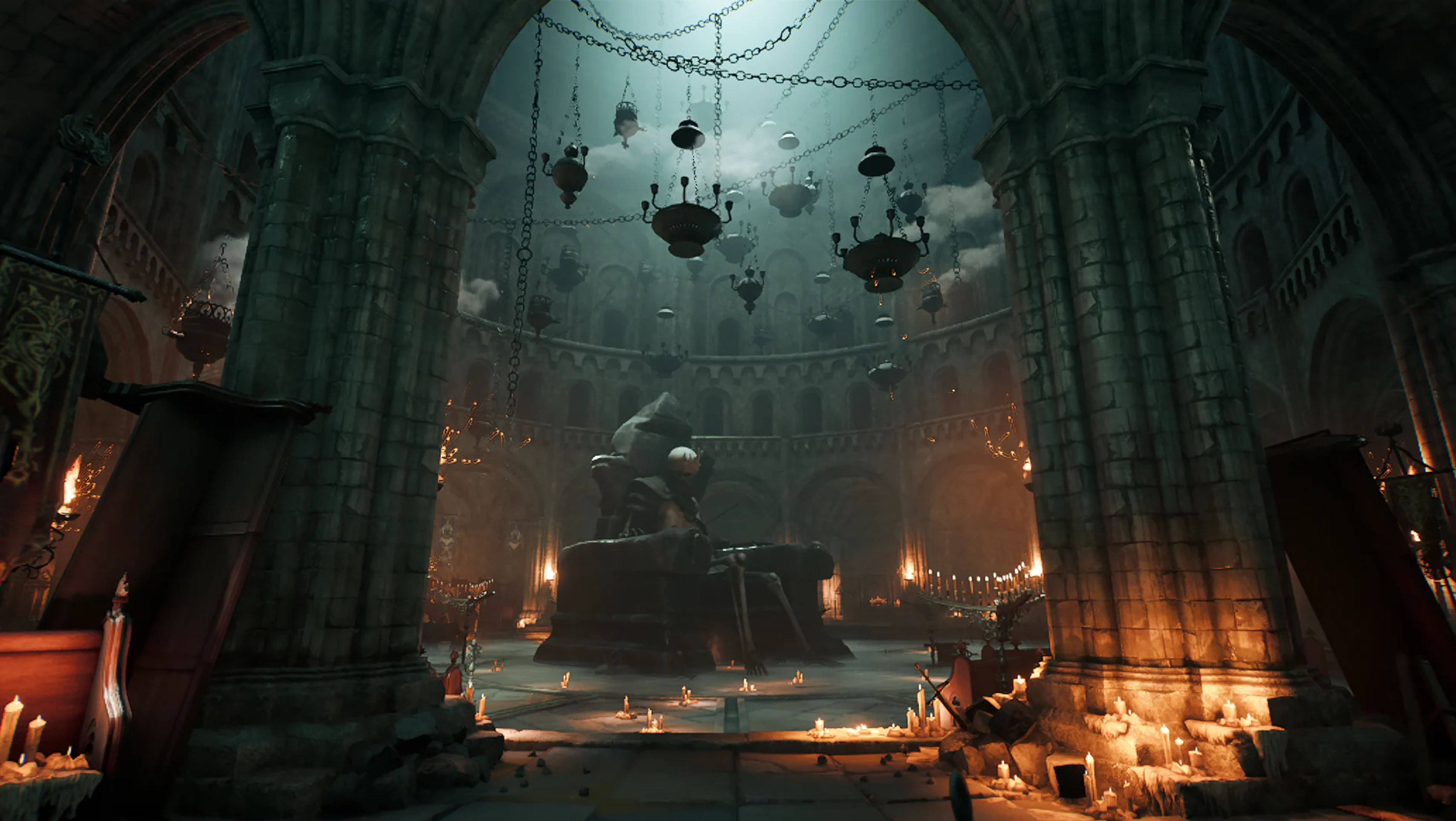
Look at the size of the candles below. That’s not a human skeleton. That’s a storm giant.

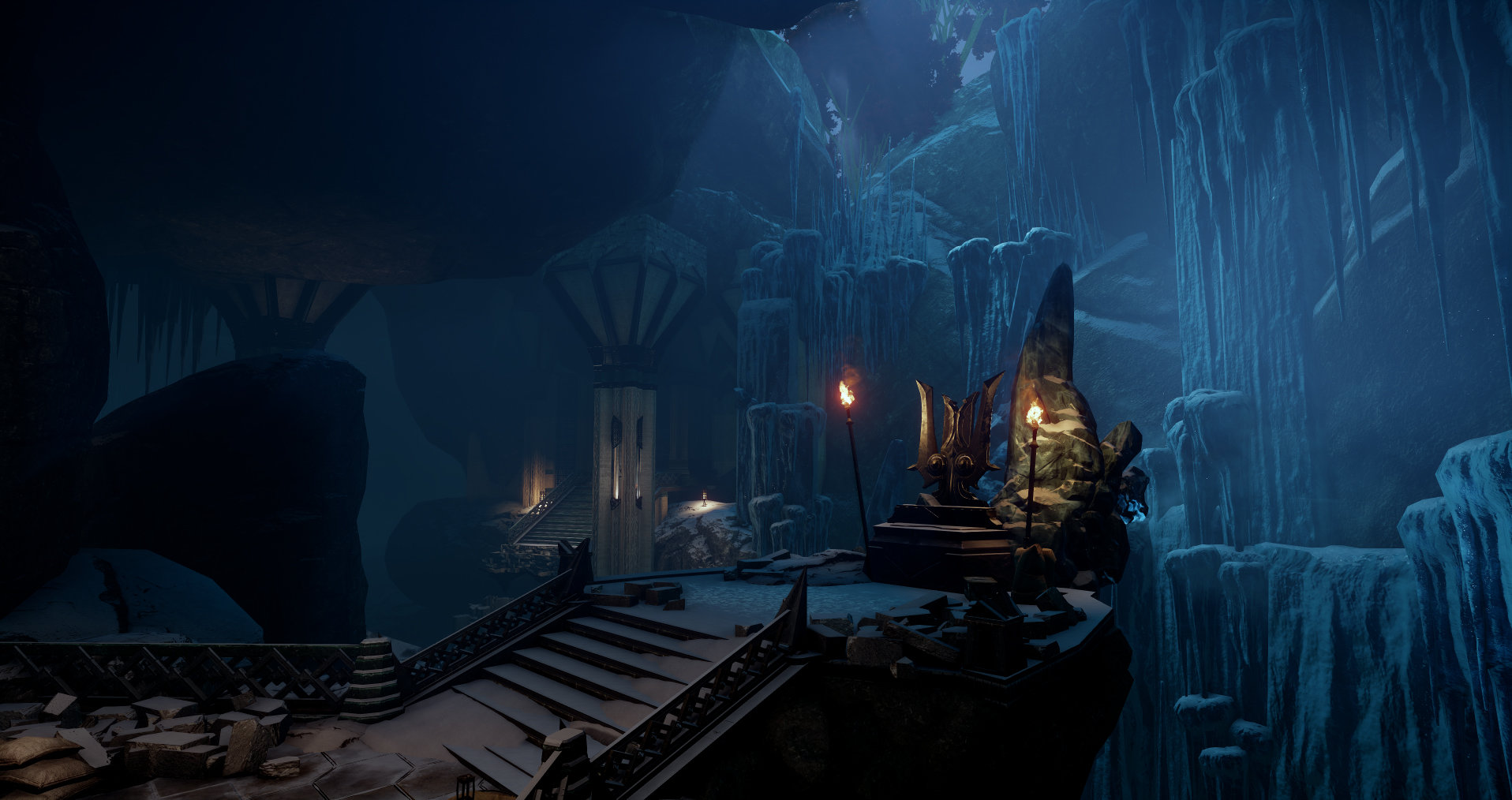
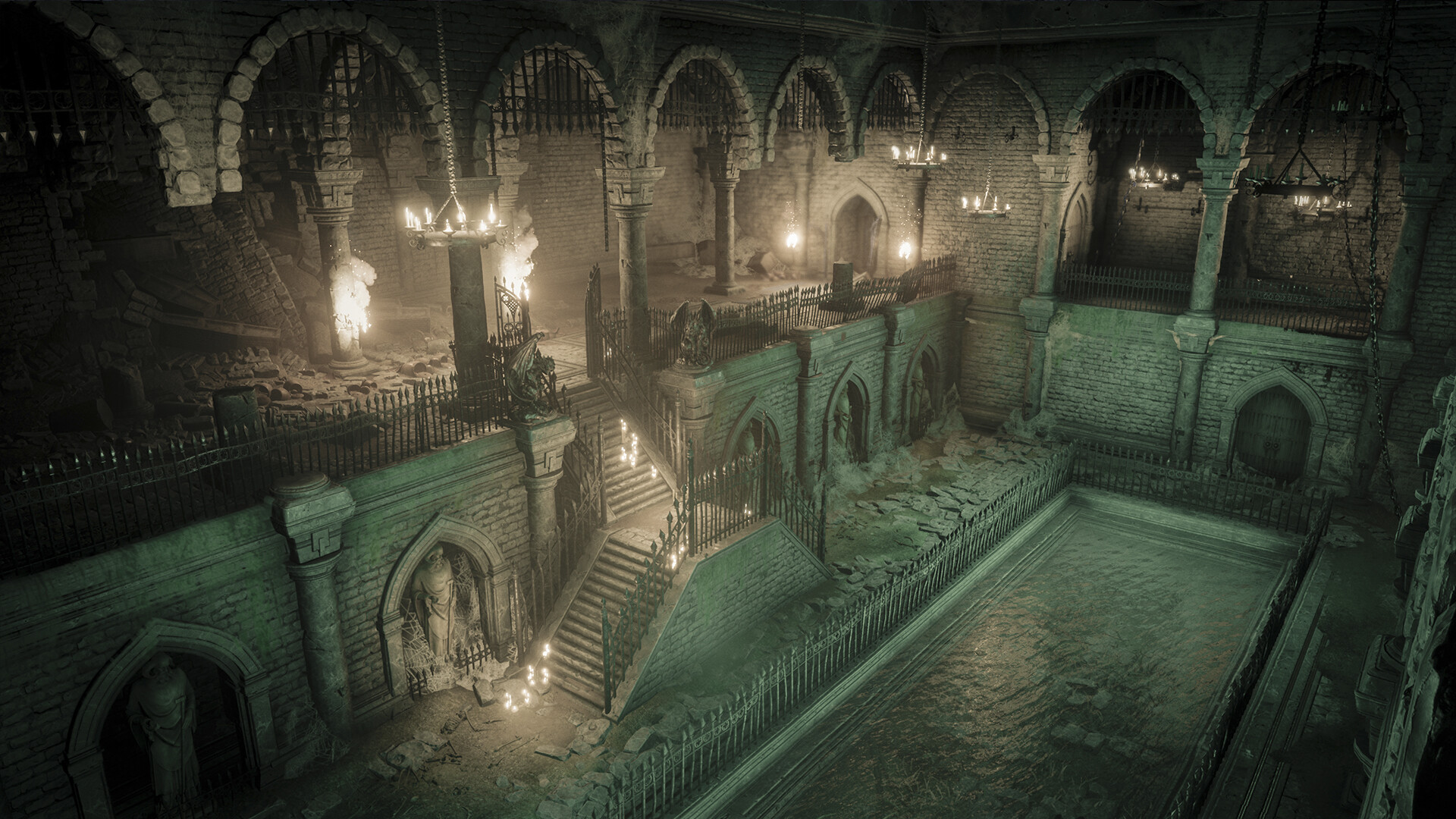
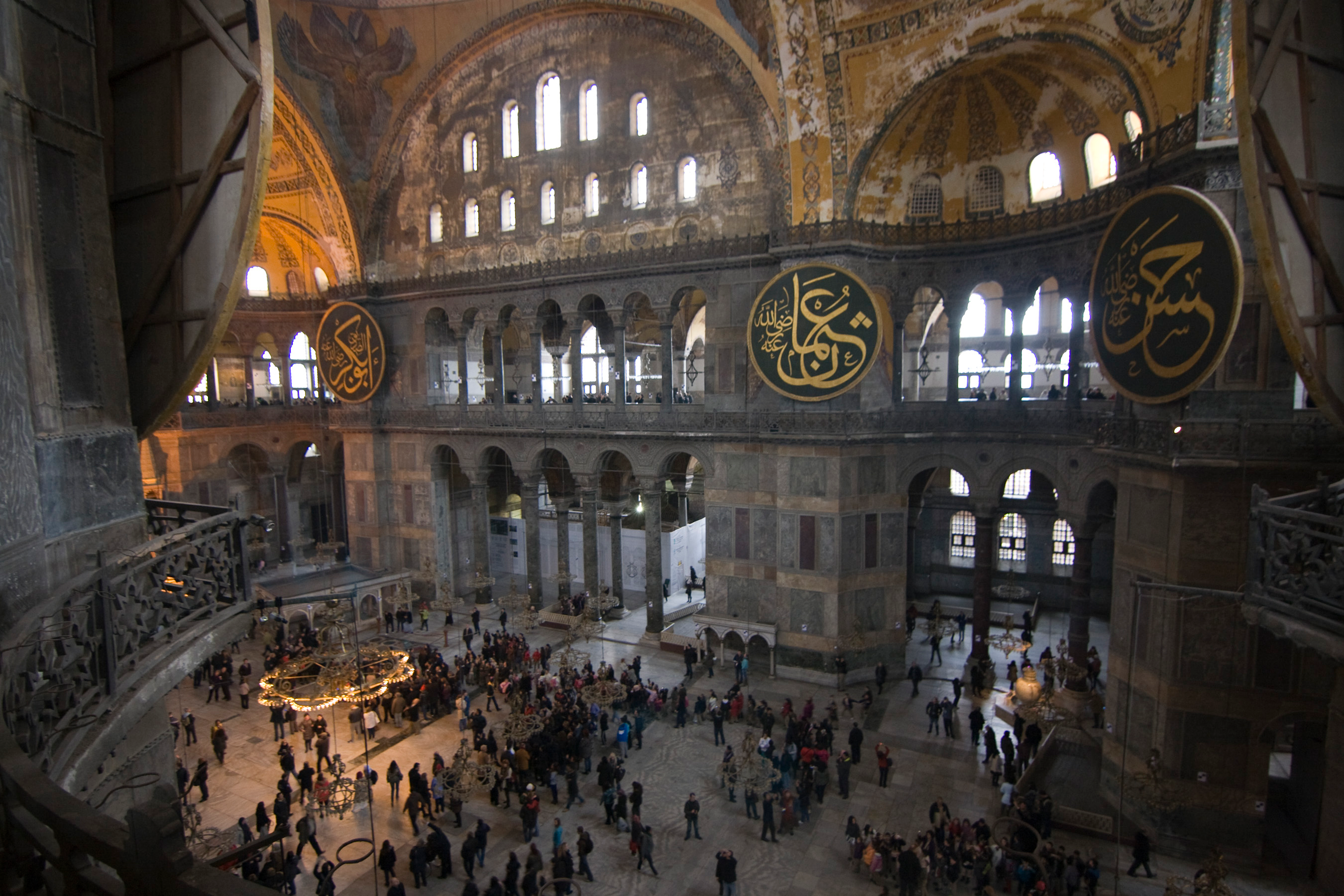

Present the heroes with gigantic statues. Who erected them? Whom do they depict? Can they be climbed? Is there something inside them?

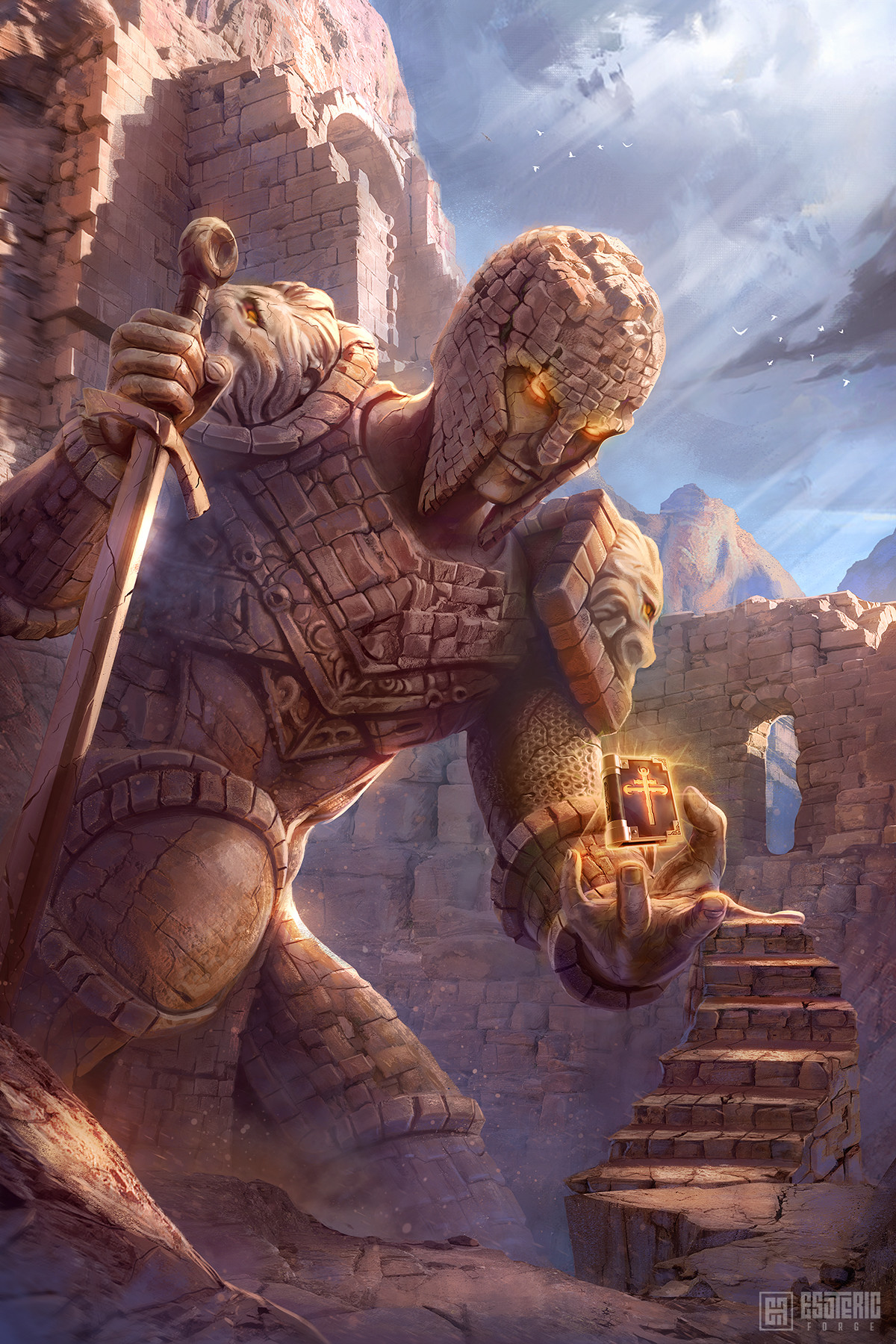


Make ruins ruined–fallen columns, arches, and chandeliers; flooding; evidence of fire. They should often be lonely places, sparsely populated… but often by enormous monsters: dragons, giants, purple worms, etc.

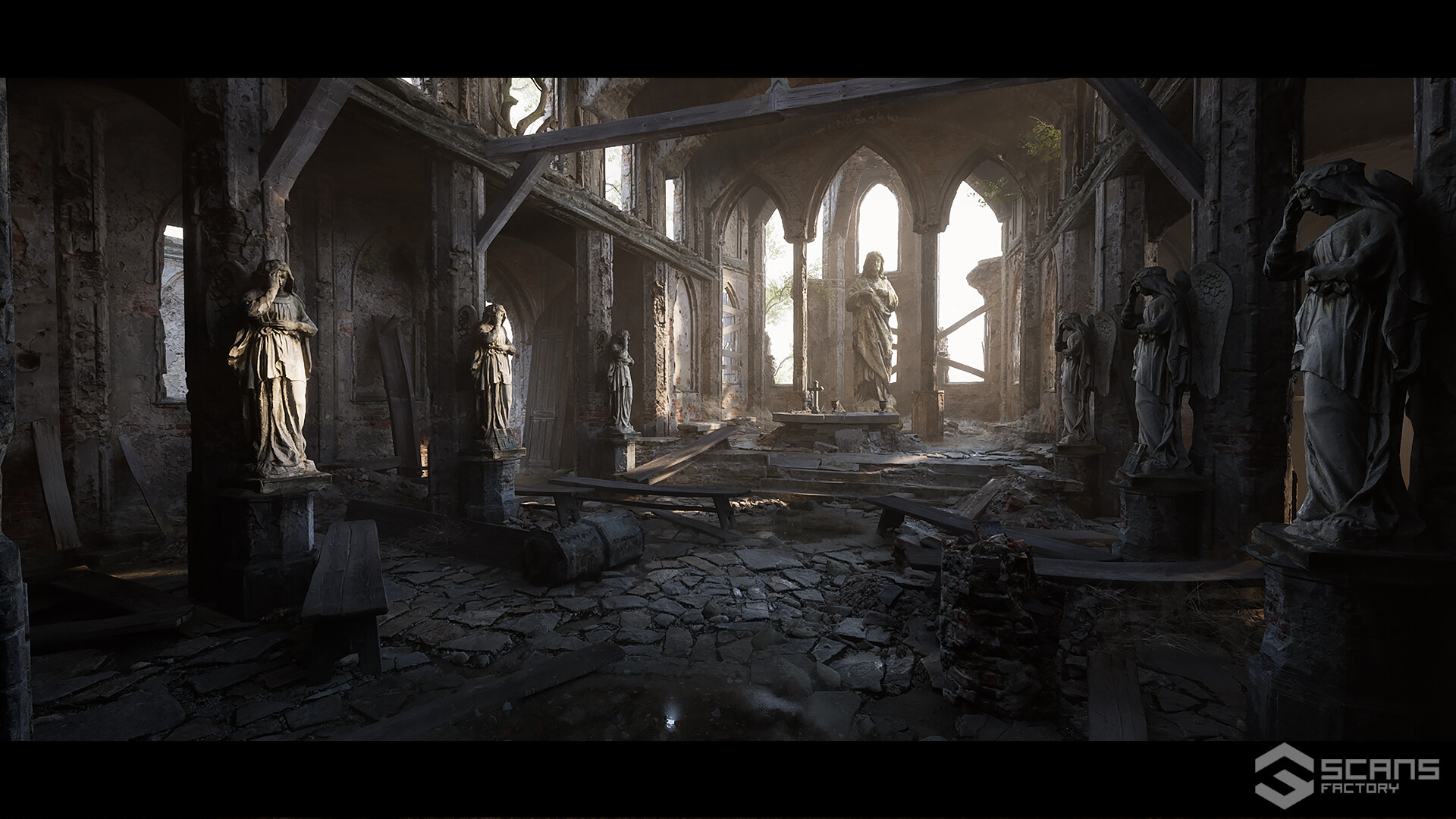
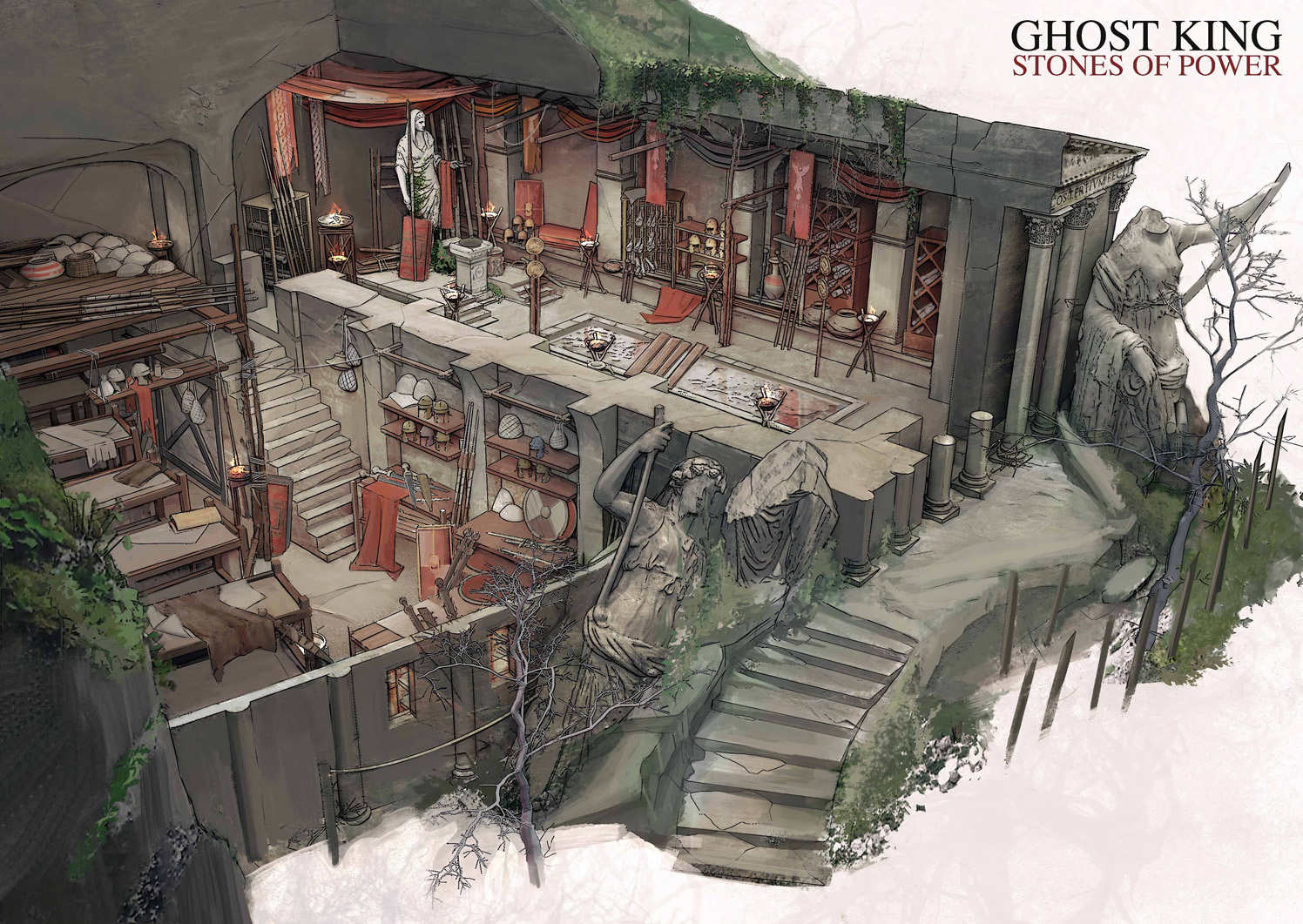
Dungeons should have more than one entrance. Some of those entrances can be thru fallen roofs, windows, sinkholes, or air vents to the surface. They don’t have to be be easy to find or use. But they can sometimes bring in ethereal light from the surface (and provide an easy exit instead of backtracking).

 zarban.com
Leave a comment