

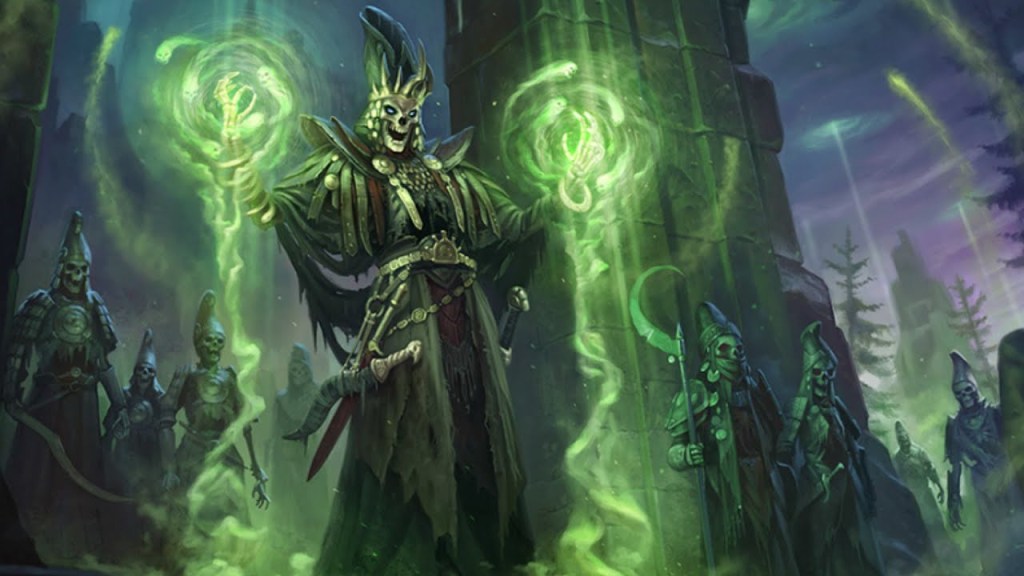
Liches are great monsters—spooky, powerful, terrifying, insane—they’ve got it all. But it’s too bad that they’re basically only wizards and a few clerics who become powerful enough to extend their life into undeath. But it doesn’t have to be.
Pointy Hat (Antonio Demico)—one of my favorite YouTubers—has done a terrific series on liches that tells how any class can become one. So let’s borrow some ideas from that to make interesting—and powerful—undead for old-school games.
Lich Powers
Liches are the most powerful (highest-level) characters of their class and have magic spells and/or items commensurate to their level. GMs may also give them some extra hit points, resistance/immunity to piercing damage, and legendary✽ powers in keeping with their class, including ferocious resistances and magic resistance.
✽ “Legendary” is my term for magic that’s beyond the capability of player characters.
Ferocious Resistance: All liches enjoy three ferocious resistances. They can spend one to…
- Turn a failed saving throw into a success at a cost of 2d6 damage.
- Avoid damage that would reduce them to zero hit points at the cost of losing a special power/resistance or a severed limb.
Magic Resistance: All liches enjoy a special saving throw against all magic (even if the magic doesn’t normally allow one) in addition to whatever normal saving throw they might get. They can, of course, choose not to resist an effect they desire.
Lich Types
The fundamental thing about a lich is that it has used powerful magic (possibly including human sacrifice) to trap its soul in one or more containers called a phylactery (in D&D). As long as one of its phylacteries is intact, it can form a new physical body if its body is destroyed. (This destroys that phylactery.) For me, this magic is legendary (that is, beyond the capability of any player character to attain), but your mileage may vary.
Note that since the lich forms a new body at the site of a phylactery, its phylacteries cannot be buried, walled off, etc. or the re-formed lich would be trapped.
The reasons for becoming a lich are varied, especially by class, but it’s inherently a self-centered act. (One could, after all, simply pass on one’s skills and duties to a new generation thru training.) That, and the rather dark magic required, shifts a good-aligned character to neutral and might even shift a neutral character to evil.
Here are my takes (differing a bit from Pointy Hat’s) on the various types of liches.
- Lich Mage (wizard)
- Eternal Hierarch (sorcerer)
- Lich Mummy (cleric)
- Elder-of-the-Wildwood (druid)
- Eternal Intoner (bard)
- Lich Warrior (fighter)
- Lich Knight (paladin)
- Eternal Huntsman (ranger)
- Eternal Scourge (barbarian)
- Skulldugger (thief)
- Eternal Cenobite (monk)
Lich Mage
For a wizard, a phylactery is a rich gem used to store its soul. If the lich mage is destroyed, it will form a new body next to one of the gems (which, as mentioned above, is destroyed). The more gems, the more the soul is splintered, and the longer it takes for the lich to form a new body. It’s apparent to the slayer if the lich will be able to reform or if it’s forever destroyed.
Wizards generally seek undeath as a lich mage to continue research and mastery of arcane magic and dark secrets. It’s even possible for one to run a school of dark magic or other occult faction.
Low Magic Immunity: The lich mage is immune to all arcane magic of 3rd level and below.
Magic Mastery: The lich mage can cast 1 additional spell of each level that it can learn.
Eternal Hierarch
For a sorcerer, the phylactery is its own blood descendants (which it can sense). If destroyed, an eternal hierarch will form a new body when one of its descendants who is also an arcane spellcaster is sacrificed in an occult ceremony. (Dying by a PC’s sword, therefore, doesn’t count.)
Sorcerers may seek undeath as an eternal hierarch to continue research of arcane magic and to protect their bloodline, especially combining them to ensure phylacteries are created by tutoring blood descendants.
Silent Scream: The eternal hierarch can project a psychic scream into a target’s head for 3d6 necrotic damage up to 60 feet away; save vs wisdom for 1d6; recover for 2d6.
Low Magic Immunity: The eternal hierarch is immune to all arcane magic of 3rd level and below.
Lich Mummy
For a cleric, the phylactery is its own brain and internal organs stored in 1d4+1 canopic jars, hidden in the creature’s final abode. If the lich is destroyed, it will form a new body at the nearest phylactery (destroyed as a result).
Clerics may seek undeath as a lich mummy to continue research of divine magic and protect their religious institutions. They may seek lichhood because they believe themselves to be the only one who can carry out this duty.
Necrotic Healing: The lich mummy can draw 4d6 hit points from an opponent (range 5 feet) as necrotic damage and take them to heal itself. Save for 2d6 necrotic damage, recover for 3d6.
Low Magic Immunity: The lich mummy is immune to all divine magic of 3rd level and below.
Elder-of-the-Wildwood
For a druid, the phylactery is a chosen set of 15 animals in a wild forest. But the druid himself or herself becomes a huge and gnarled oak tree, enchanted and aware but passive, usually hidden in a tiny glen and surrounded by thorny bushes. The chosen animals become enhanced versions of their mundane selves, larger (but not giant), fiercer, more intelligent, and more powerful; they will grow long-lived and pass down their phylactery status to their firstborn. (But random deaths can easily lead to the number of living phylacteries being reduced.)
With preservation and growth of the land as the lich’s goal, the whole area around the tree becomes wilder and overgrown and slowly expands over the years, often claiming settled lands if not cut back; this is the source of some gloomwoods. If destroyed, the elder-of-the-wildwood will form a new tree the next time one of its phylacteries is killed.
Animal Command: The elder-of-the-wildwood can control wild animals in the vicinity and summon others up to 15d10 levels of terrain-appropriate beasts (typically 18-22 3rd- to 6th-level creatures, arriving slowly). Its presence makes domesticated animals very skittish and liable to flee.
Plant Command: The elder-of-the-wildwood animates up to 15 vines/bushes to grasp (14 strength), doing 2d6 damage each round until the grasp is broken. As opponents, the vines/bushes are each level 1, AC 10, with 1 hp.

Eternal Intoner
For a bard, the phylactery is the skulls of 15d4 levels of bard (typically five or six bards of 6th to 10th level) who heard it play its swan song—the performance of its magnum opus for the last time before its transformation. The phylactery bards arrange to have the magnum opus played in their presence from time to time; if the lich has been slain, the phylactery bard dies, the skull is destroyed, and the lich forms a new body. If the phylactery bard dies naturally, they typically arrange to have the magnum opus played over their tomb once a year. If the lich has been slain, the phylactery skull in the tomb crumbles to dust, and the lich rises again.
A bard may seek undeath as an eternal intoner to focus on creating great compositions of song, poetry, or story and cement its legacy as a composer of such great works. Any strange, hooded storyteller might be such a lich.
Siren Shriek: The eternal intoner sings a note which does 3d6 damage to all within 50 feet and 2d6 to all between 50 and 100 feet. Save vs constitution to reduce these to 1d6 or none, recover for 2d6 or 1d6. Those within 50 feet must save vs dexterity to cover their ears or be rendered deaf for 1d6 rounds; recover for partial deafness.
Entrancement: The eternal intoner sings a note which charms all within 50 feet, save vs charisma to merely pause, recover to be charmed for 1 round; it forces those between 50 and 100 feet to pause (take no action) for 2 rounds, save for no effect, recover to pause for 1 round.
Lich Warrior
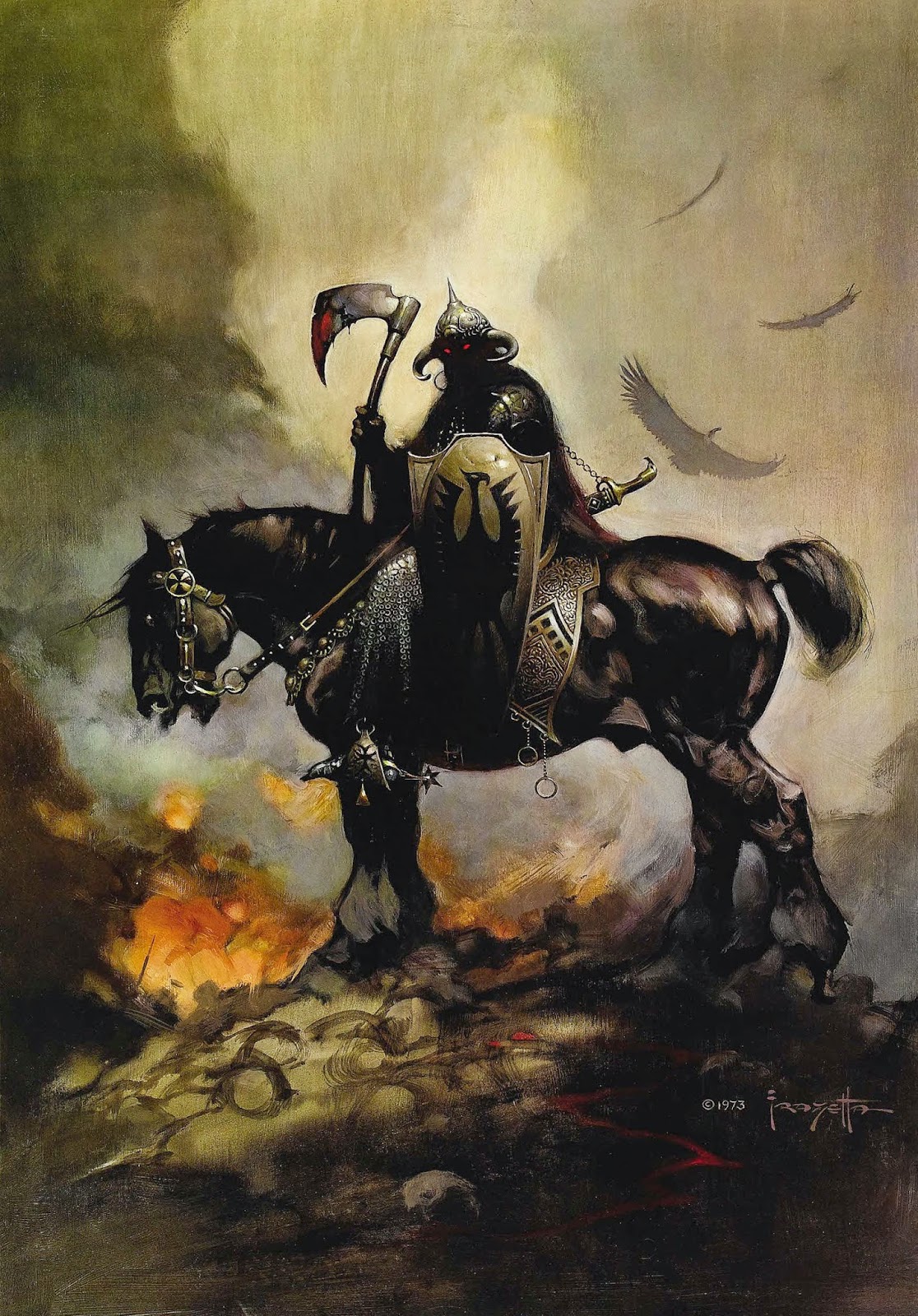
For a fighter, phylacteries are the heads of its worthiest opponents. The fighter may collect the heads of powerful opponents amounting to 15d6 levels as martial characters (typically amounting five or six warriors of around 10th level). These it keeps as trophies in its vicinity, usually hidden amongst other preserved heads. If destroyed, the lich warrior forms a new body at the nearest phylactery (which is then destroyed).
Lich warriors seek to become legend as the greatest warriors of all time and may operate alone, acting as a champion for a noble or royal, or may attract followers as the head of a band (a band of warriors of the type that cool with fighting alongside a living corpse). The followers gain a morale benefit but offer no special benefit to the lich.
Headtaking: On the lich warrior’s natural 17 or better successful attack with a melee weapon attack with the sweep feature (but not performing a sweep), the opponent must save vs strength for normal damage or be decapitated, recover for double damage (necrotic).
Clutch of Death: The blood warrior grabs hold of (grapple attack) an opponent for 8d6 necrotic damage. Save for 4d6 necrotic damage; recover for 6d6. While in the lich’s clutches, take 2d6 each round until its grasp is broken with an opposed strength check.
Lich Knight
For a paladin, the phylactery is its squire, who gains a level in the ceremony. If destroyed, the lich knight takes possession of its squire and recruits another squire with the promise that, if the lich knight’s tutelage lasts long enough, the squire will become a lich knight himself. The squire is typically a high-level paladin.
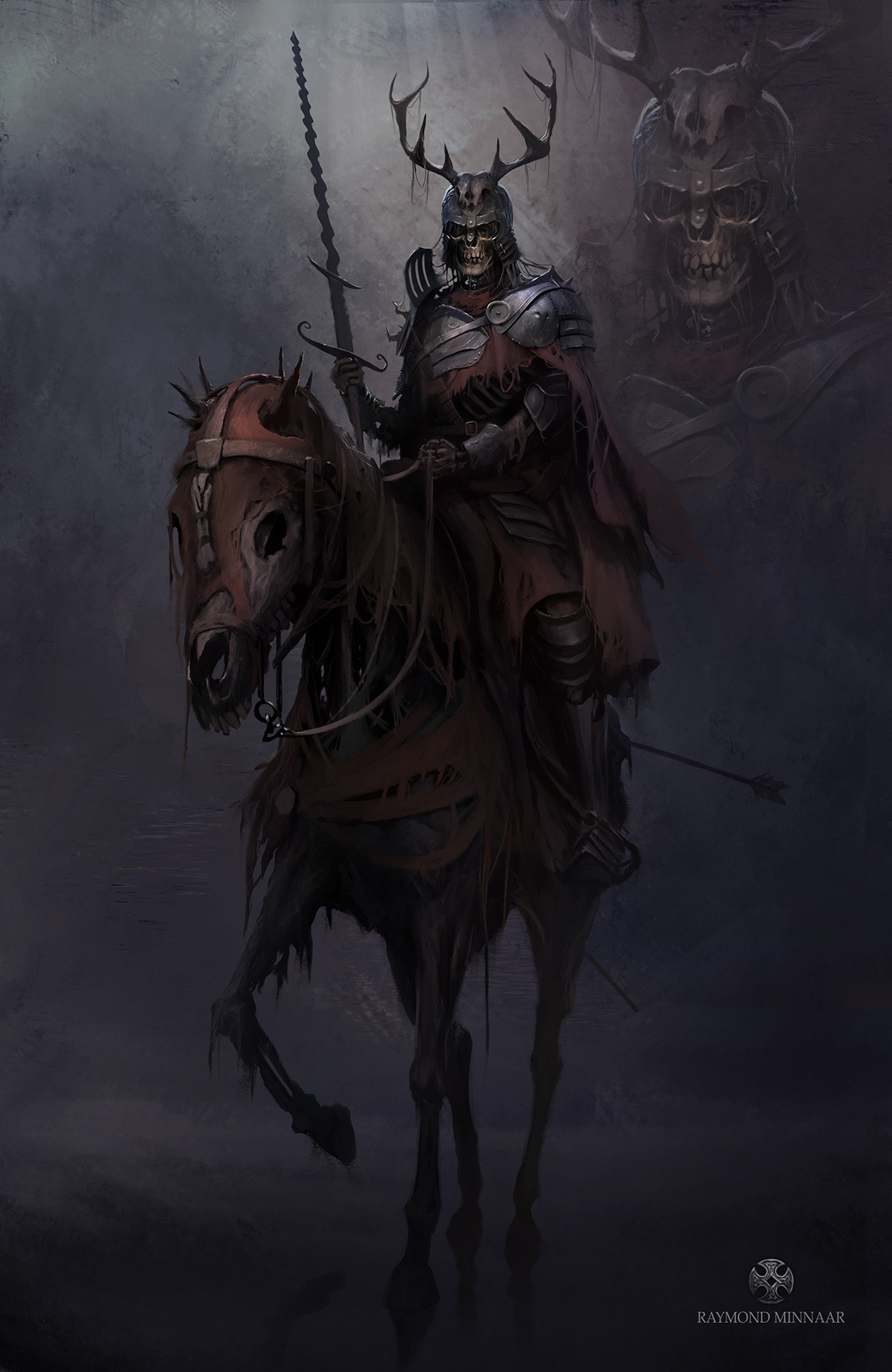
Paladins seek undeath as a lich knight in order to serve an oath even beyond their natural lifespans. As they pass into lichhood, they become neutral rather than good but wholly dedicated to their order and oath. They may seek lichhood because they believe themselves to be the only one who can carry out this duty.
Hellish Mount: A lich knight gains a hellish mount, such as a giant lizard, bat-winged horse, nightmare, or undead mount of some other type.
Death Charge: The lich knight charges an opponent for the usual double damage from a charge but an additional 4d6 necrotic damage, save for 2d6 necrotic damage, recover for 3d6. The damage can come from the use of a lance, melee weapon, or a hellish mount’s trample attack.
Eternal Huntsman
For a ranger, the phylactery is its animal companions. An eternal huntsman has 15d4 levels of wild beasts as companions that will fight beside it, scout for it, and guard its hidden lair. It’s always fully aware of their location and emotional/physical state. When the lich is slain, it will form a new body with one of its phylacteries, often retaining some remnant (antlers, a bear skin cloak, etc.).
Rangers may seek undeath as an eternal huntsman to protect a natural area beyond their natural lifespan. They may seek lichhood because they believe themselves to be the only one who can carry out this duty.
As they pass into lichhood, they become neutral rather than good but wholly dedicated to the land they serve as protector of. One eternal huntsman at a time is chosen by the gods to be the Master of the Wild Hunt, which sweeps up ghosts and other confused incorporeal undead and delivers them to the Underworld.
Ambusher: When attacking from hiding, the eternal huntsman gains two attacks that do 4d6 necrotic damage in addition to their usual damage. It cannot be surprised by an ambush or backstab attack.
Vanishing: The eternal huntsman can vanish at will in heavy undergrowth, if given even a moment when no eyes are on it. It leaves no trace that could be tracked.
Eternal Scourge
For a barbarian, the phylactery is a small army of undead warriors (wights) the eternal scourge has collected by slaying them after having used dark magic and human sacrifice (worthy opponents) to become a lich in the first place. The eternal scourge has 15d10 levels of undead warriors, which could mean, say, eighty 1st-level wights or eight 10th-level wights or some combination. To maintain its army, the lich will engage in raids with its undead army, between which it will hide in caverns, opened tombs, and lonely ruins.
The phylacteries must stay within 50 yards of their master (which they do willingly) or become normal wights. If destroyed, the eternal scourge may possess one of its nearest phylacteries. If the eternal scourge is removed from its phylacteries, it loses its clutch of death power until it reunites with them.
Clutch of Death: The eternal scourge grabs hold of (grapple attack) an opponent for 8d6 necrotic damage. Save for 4d6 necrotic damage. While in the lich’s clutches, take 2d6 each round until its grasp is broken.
Death Rage: When reduced to half hit points and again when reduced to zero hit points (but before being slain), the eternal scourge gets an extra attack as a reaction, doing an additional 4d6 necrotic damage (save vs constitution for 2d6, recover for 3d6).
Skuldugger
For a rogue, the phylactery is the phylactery it stole from another when it interrupted the process of some other person transforming into a lich, as well as any other phylacteries it can steal. If it’s slain, it will form a new body at the location of the phylactery (destroying it). (A skuldugger could steal the skull of an eternal intoner’s protege, for example, but doesn’t need the eternal intoner’s magnum opus to be performed for the skuldugger to form a new body.)
The rogue’s goal in becoming a skuldugger is typically to extend its existence, perhaps in pursuit of some lost treasure or achievement of some end, such as bringing down a ruling house.
Ambusher: When attacking from hiding, the skuldugger gains two attacks that do 4d6 necrotic damage in addition to their usual damage. It cannot be surprised by an ambush or backstab attack.
Shadow Walk: The skuldugger is effectively invisible in shadow unless/until it attacks.
Eternal Cenobite
For a monk, the phylactery is its own heart, magically removed thru the chest wall as the final act in transitioning from living monk to self-mummified undead after years of gradual ingestion of mummifying substances and reduction of food and drink. The phylactery is hidden somewhere in the monastery. If the lich is killed, it forms a new body in the location of its phylactery, destroying it.
A monk’s motivation to achieve undeath as an eternal cenobite is typically to be able to continue research into philosophy and divinity and to act as a resource for living monks at the monastery. They may seek lichhood because they believe themselves to be the only one who can carry out this duty.
Spirit Walk: The eternal cenobite can, at will, become incorporeal for as long as it concentrates, making it immune to physical damage, fire, and cold, and able to pass thru solid objects as if it were difficult terrain. If it chooses, it can walk across the floor or sink thru it.
Force of Nature: The eternal cenobite can project a wall of force up to 120 feet away for as long as it concentrates. This can block or push creatures and objects with the force of storm giant’s strength, but its motion is gradual enough that it can’t be used as a ram or bludgeon.
 zarban.com
Leave a comment