

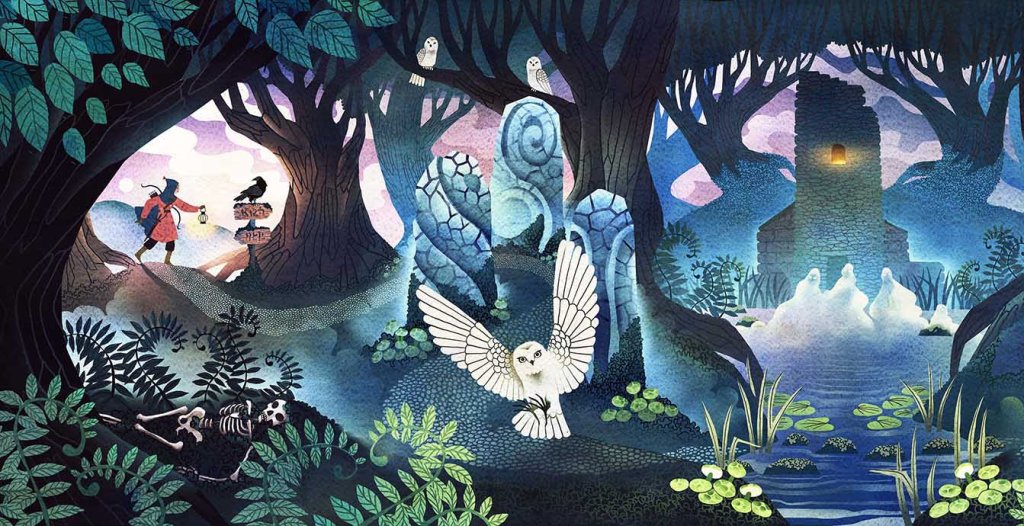
Dolmenwood is an amazing, dark-whimsy, fairytale fantasy setting and game system set in the forest of Dolmenwood in the Duchy of Brachenwold. There are 200 hexes, and there’s adventure to be had in every one of them. That’s the opposite of a procedurally generated world, but it’s an enormous amount of work that is then jammed together.
The 200 6-mile hexes (31.2 sq mi each) amount to 6,240 sq mi. That’s the size of Hawaii (6,423 sq mi of land). (Or 10km hexes, 81 sq km, which is 16,160 sq km.) That’s too small.
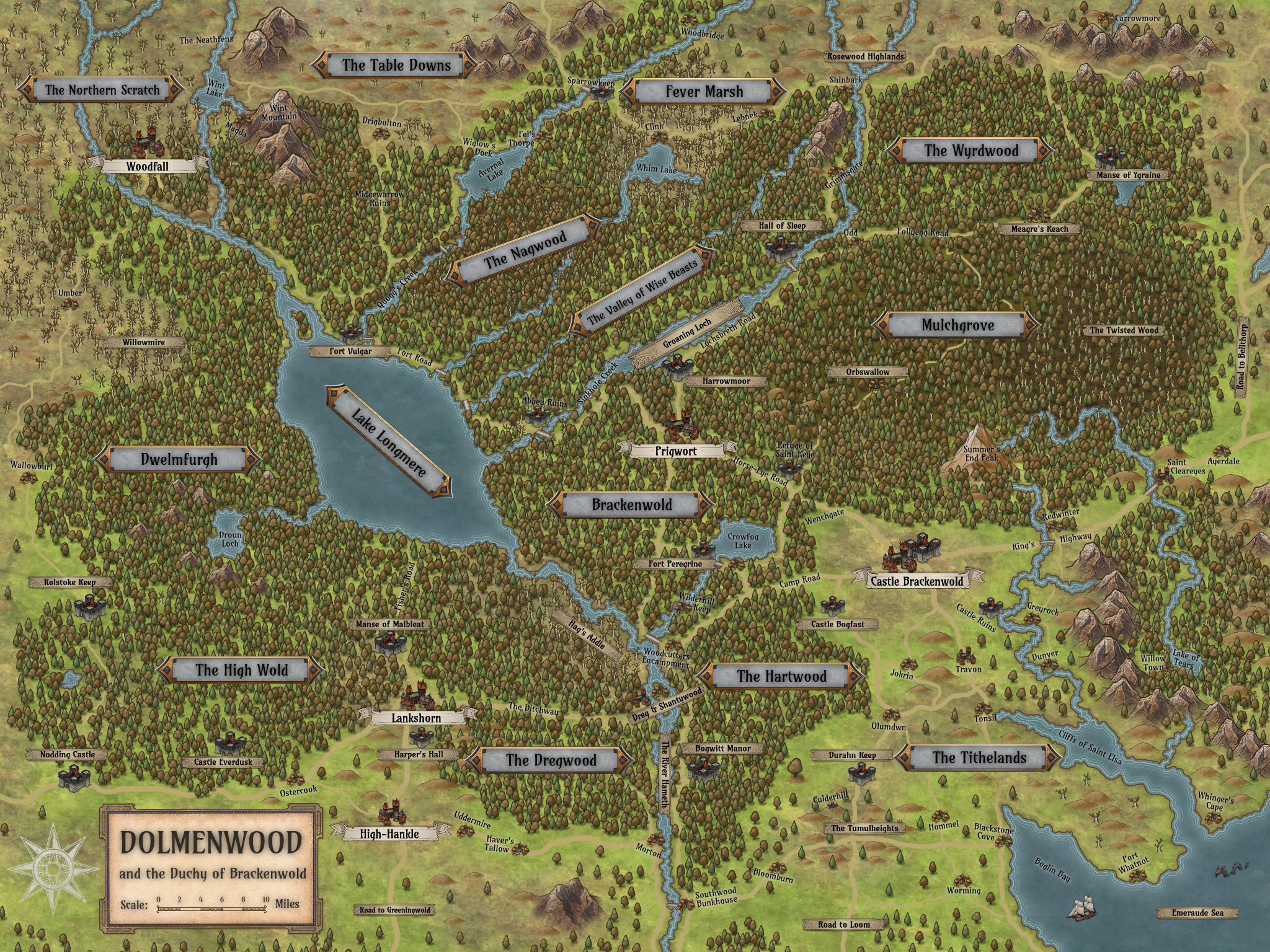
While it’s certainly possible to have grand adventures in a space the size of Hawaii, it’s basically just a large forest. The lands outside of the forest aren’t part of the hex map, so your heroes are basically confined to adventuring in just a few types of locations: a forest, a marsh, or a castle/city in that forest.
Moreover, heroes should be travelers. They should roam far and wide, generally a few days’ travel from one adventure to the next. Dolmenwood is so densely packed with points of interest that there’s no need to wander into the countryside, let alone across the sea.
What to Do Differently
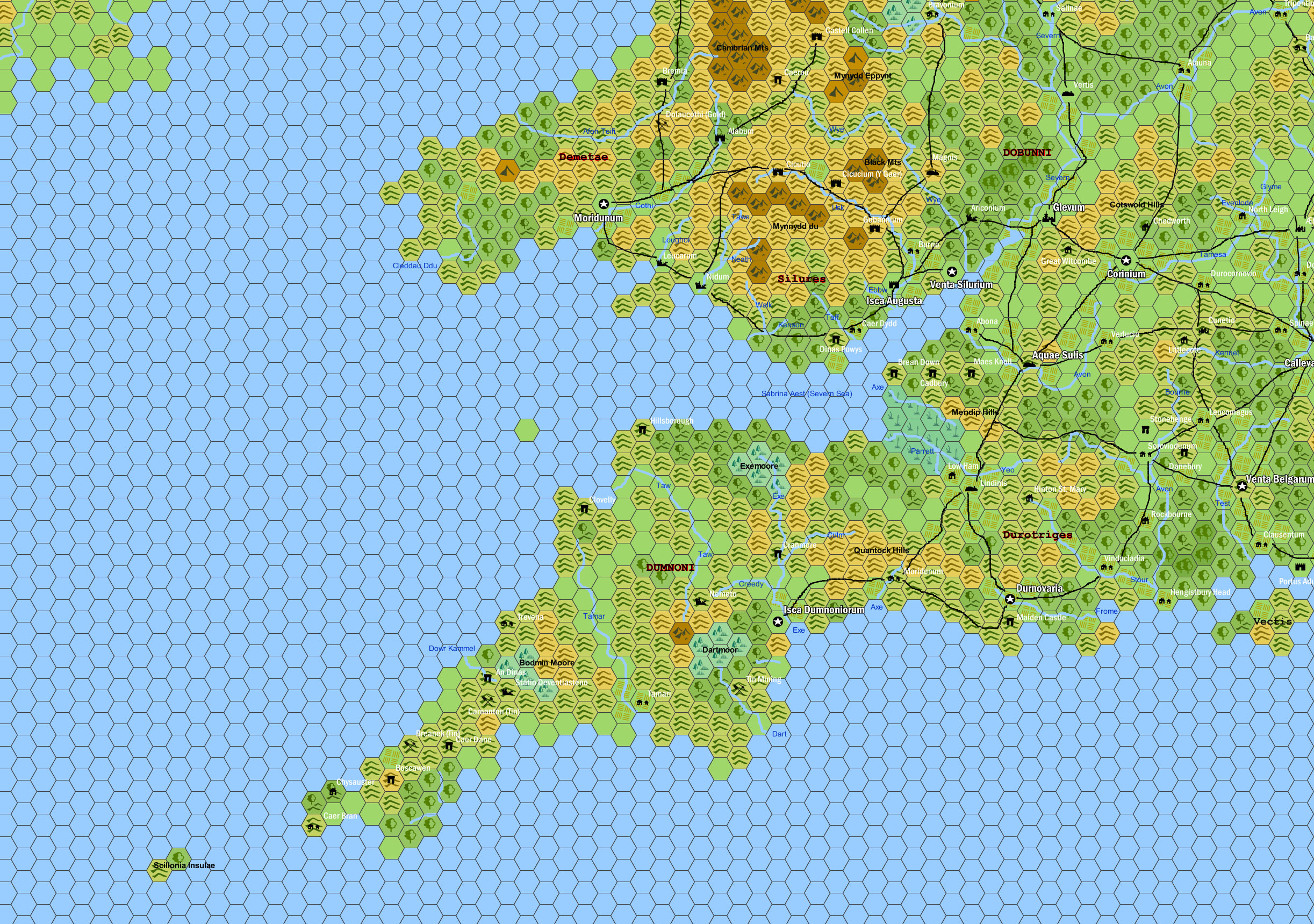
When you create your campaign setting, group a few points of interest here and there, but separate them by miles and miles of manorial fields and pastures, open moors, and woodlands. Put perils in the forest but also in the mountains, in the marsh, on the lonely moors, and far off in a sandy desert and in the frozen north. Then give the heroes reasons (in the form of rumors and clues) to go to those places—by way of a city nearby. The frozen town of Arkjavik, where dwarves carve a living out of deep gem mines, should be an interesting place to get directions to the snow dragon’s ice cave. (Explore the annual Ice Palace! Pet a fur serpent!)
The space between your points of interest can be procedurally generated, because there doesn’t need to be any particular adventure in them. They’re liminal spaces to pass thru between cities and perils. Just a little color in the form of eccentric NPCs and quaint towns, all randomly rolled, is plenty to keep players’ interest during (fast) travel thru settled land. And the occasional random travel encounter that turns into a mini-adventure or side quest is gravy.
This all makes exploration something of a gamble, and that’s inherently interesting. It’s not just wandering from hex to hex, finding adventure in every hex.
Look at a film like Raiders of the Lost Ark. Indy flies to Nepal and then across southern Asia to Egypt; then he hitches a ride on a couple of vessels to an island in the Mediterranean Sea. We don’t need to see those flights or refueling stops (or how he clung to a u-boat overnight), because nothing adventurous happened there. (Well, we do see a bit of what happened on Katanga’s ship 🤫.) But knowing that he traveled those vast distances to foreign lands makes a big difference in our understanding about the story.
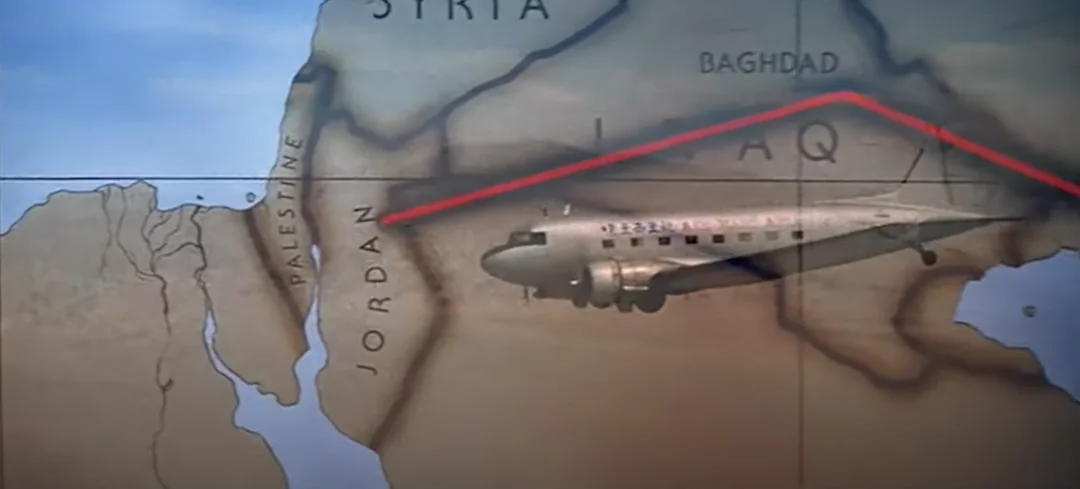
All you have to do is describe discreet moments, encounters, and sights along the way to make the travel seem fleshed out. You can even make up a combat encounter that you don’t play out; the heroes were attacked, won the battle, and moved on.
Now, sometimes the journey is the adventure. The heroes can choose to go by one route or another and have a couple of harrowing encounters you do play out, because they represent the bulk of the risk and choices to be made. Getting to the destination is just the conclusion, the wrapping up of delivering the goods or whatever.

 zarban.com
Leave a comment