

So, you’ve created a hex map of part of your world and labeled the hexes with terrain. But now the heroes are traveling, and… what is actually in those hexes? This is not meant as tables to populate hexes ahead of time, since they aren’t weighted for likelihood. (You should just pick.) But on the fly, you can roll if you have no idea or preference and you want something other than the terrain itself. (However, these new tables are made for rolling up the hex.)
While this list can give you a basic idea of what could be in the area, you can get more specific ideas about some (pilgrimage sites, for example) by looking at the other lists I’ve created.
- 100 Towns & Cities
- 100 Major Points of Interest
- 100 Minor Points of Interest (including things found in a town or city)
- 120 Minor Travel Encounters
- 50 Ruins
- 50 Mostly Harmless Flora & Fauna
Categories
1. Settled Land
Altho the land may be settled, heroes may happen upon structures that are ruined or abandoned rather than in use. If old enough, only the stone structures might remain. Of course, monsters might occupy them in place of their former residents.
Note that inhabited cities and castles should be labeled directly on your map (12 to 24 miles apart); any settled 6-mile hex without a city or castle is assumed to have 1d6+10 manors and one market town or coaching inn.
Settled land includes wooded deer parks for the hunting pleasure of nobles (and managed by peasants). These are encircled by fences and, on the inside, a ditch so deer can’t get out. It also includes grassy meadows left fallow for haymaking, grassy pasture land for grazing, and woodlands
- Town or city (inhabited or ruined)
- Castle, keep, tower, or monastery (inhabited or ruined)
- Manors and their villages and yeomen’s farms (inhabited or ruined)
- Shrine or pilgrimage site
- Statue, monument, or marker
- College, university, library, or school (inhabited or ruined)
- Lord’s park (coppiced woodland), perhaps with some monsters or bandits
- Rocky wasteland (not good for much but grazing sheep), perhaps some monsters
- Peat bog, perhaps some monsters
- Coaching inn on a long road between towns (typically 7 miles apart)
- River with bridge, small river with ford, or stream
- Pond (does not dominate a 1-mile hex), lake (dominates one or more hexes), oxbow lake
2. Forest
A forest is any large woodland area–sparse, thick, or dense–and may feature leafy trees in temperate zones, evergreens in mountains, or palms and rubber trees in tropical lands. (Note that forest originally meant a nature preserve for hunting, regardless of vegetation, but this terminology would confuse modern players.)
A woodland (or wood) is managed by humans (for hunting, lumber, and nuts) and/or elves (for orchards and gardens); monsters are rare.
A wilderness or wild forest is a dense and untamed woodland full of beasts and monsters, which may include elven orchards. Some may be ancient and never settled by humans; others may be settled lands that were reclaimed by nature and feature many ruins.
A jungle is a very dense tropical or otherwise extra wet wilderness (hence the modern name, rain forest).

- Monster lair (goblins, orcs, dryad, etc.)
- Shrine or pilgrimage site
- Ancient statue, monument, or tomb
- River without bridge, small river, or stream
- Cave or sinkhole
- Pond or lake
- Waterfall or cascade
- Elven town (temporary or permanent)
- Elven orchard (fruit and nut trees, berry bushes, root vegetables, herbs)
- Warden/druid/witch cottage
- Ruined monastery, tower, or evil temple
- Assart operation (clear-cutting to turn the land into fields)
3. Wetlands
Marshes are wetlands featuring slow, shallow rivers spread out over many acres with lots of low vegetation such as reeds and surface algae and lily pads; peat (dead vegetation) does not build up much. A bog accumulates peat and is fed by rain. A fen accumulates peat but is fed by a mineral-rich river or groundwater and so features different plants.
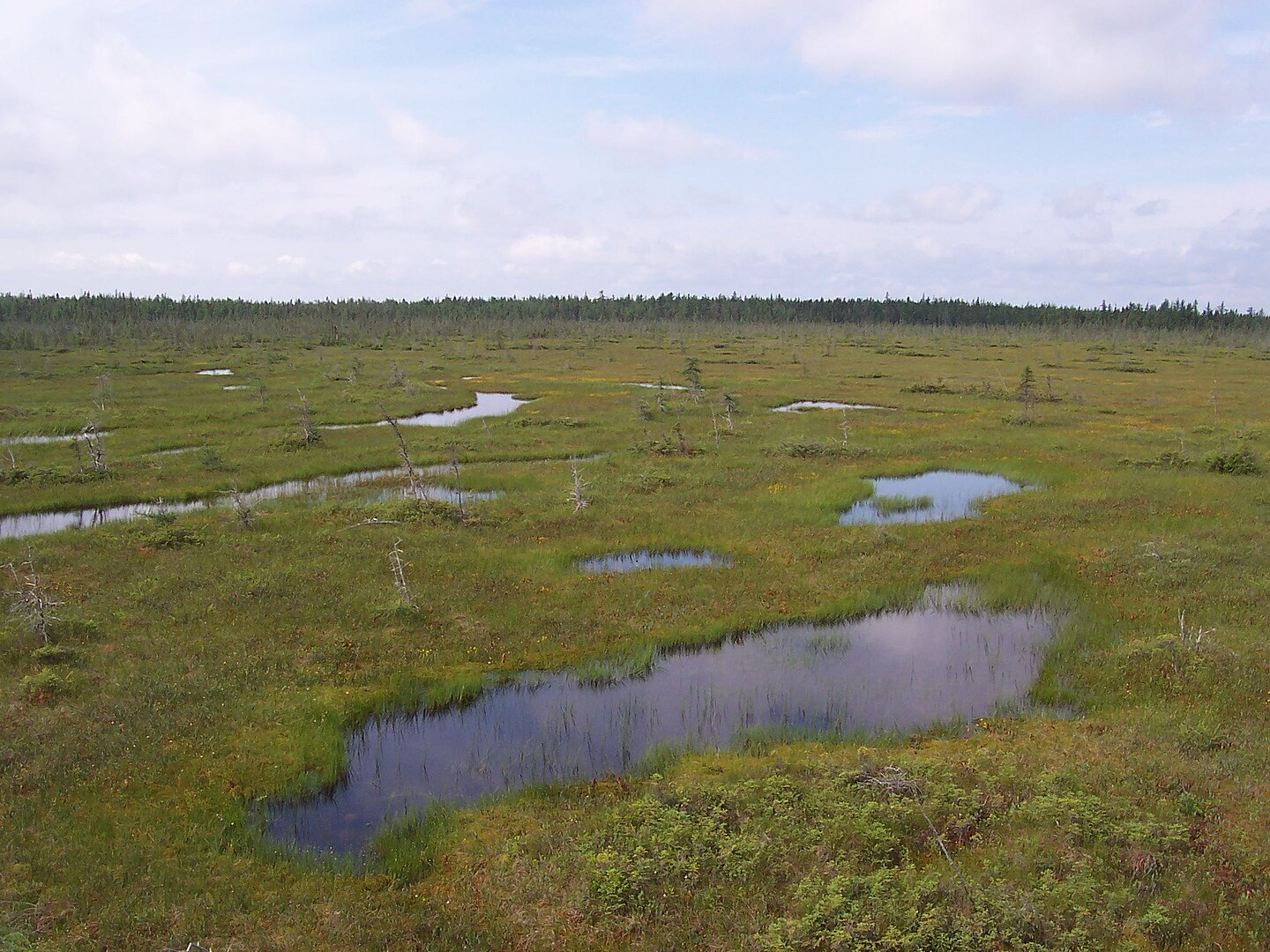
Swamps are forest wetlands, often covered in hanging moss.

- Monster lair (lizardmen, goblins, etc.)
- Warden/druid/witch cottage
- Evil temple on an island
- Ancient statue or monument on an island
- Slow and meandering river or stream
- Ditching operation (draining the land to turn it into fields)
- Fairy ring
- Abandoned boat
- Boardwalk across a bog or fen to harvest peat or reach a tower
- Wizard’s tower or watch tower (inhabited or ruined)
- Quicksand or mire
- Fallen tree/log
4. Scrubland
Areas with poor soil not good for farming or even grazing livestock, often including wetlands, are considered “waste” or “scrub”. These can be natural or the result of clear-cutting evergreen forest where trees can’t reestablish themselves. They tend to be low, rolling hills.
Barrens (tundra and short grass) tends to be bad soil, arid, and often hilly, rocky, or sandy, lacking trees, and even much other vegetation beyond short grasses or even just moss and lichen. Stands of trees may exist around water sources. Grazing is poor.

Shrublands (moors and heaths) are rolling hills or flatland covered in flowering evergreen shrubs (heather and gorse in Britain). They have scattered trees and (especially moors) wetlands. Grazing is fair, so they tend to be used for raising sheep and goats.

- Monster lair or camp (gnolls, goblins, etc.)
- Shrine or pilgrimage site
- Standing stones, monument, or marker
- Peat bog, mire, or sinkhole
- Pond, lake, or oxbow lake
- River without bridge, small river, or stream
- Burial ground, barrow mounds, or ancient battlefield
- Mysterious cave or shepherd/traveler shelter
- Encampment of soldiers or nomads
- Watch tower (inhabited or ruined)
- Warden/druid/witch cottage
- Frost hollow (depression with no outlet for cold air)
5. Hills
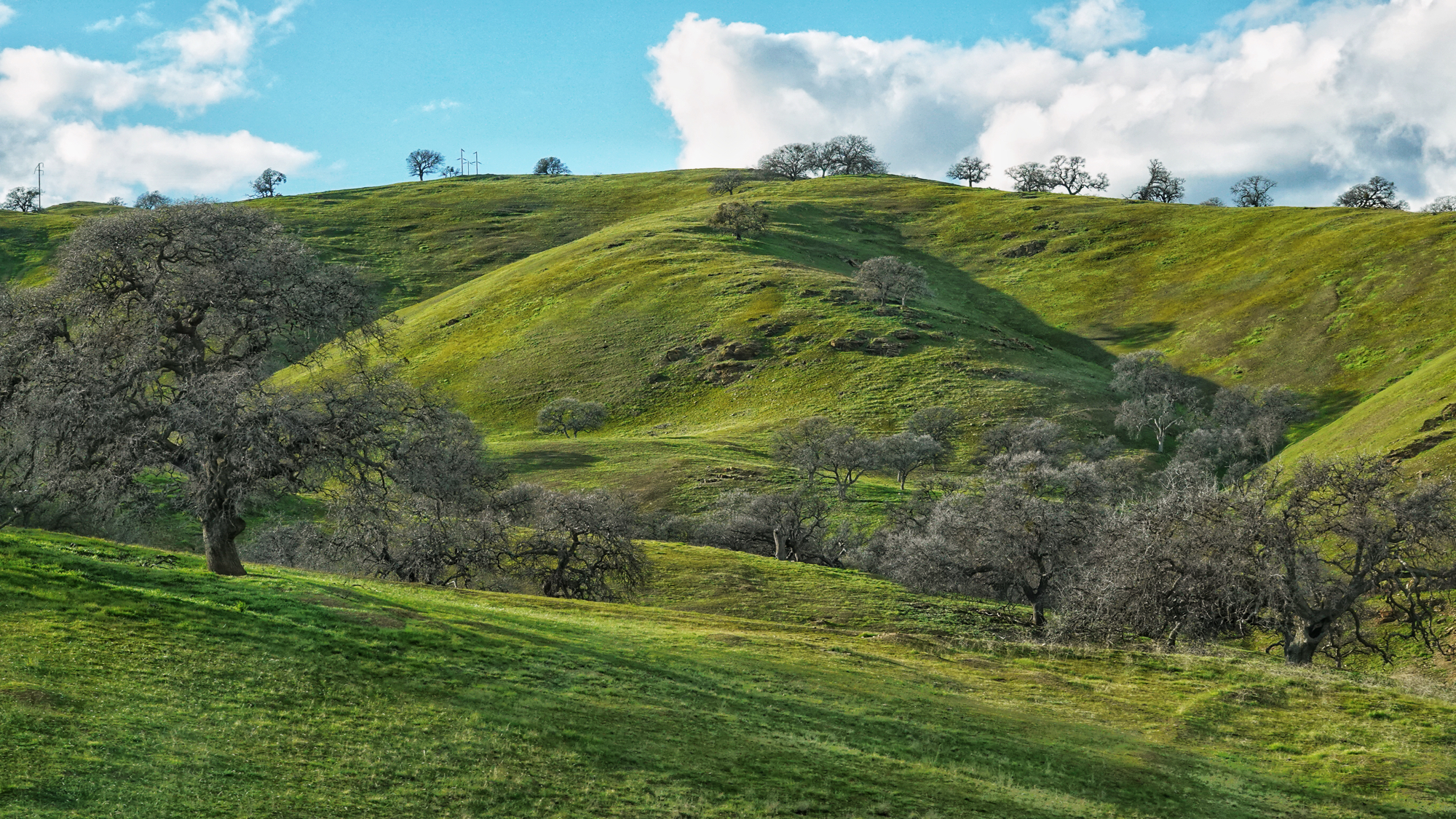
Hills may be rocky, grassy, shrub-covered, or wooded but tend to be rockier and more sparsely covered than flat lands. There may be broad, flat areas and steep, gravelly areas and may be grassy, bald, or capped by a rock outcropping. These are good places for fortresses, markers, standing stones, and burial grounds, since they aren’t good for farming but are quite visible in the landscape. The higher the elevation, the more evergreens, as opposed to leafy trees.
- Monster lair (goblins, orcs, ogre, giant, troll, etc.)
- Cave or sinkhole
- Waterfall, punchbowl, or cascade
- Pond, or oxbow lake
- River without bridge, small river, or stream
- Shrine or pilgrimage site
- Standing stones, marker, or monument, figure carved into hill
- Rock outcropping
- Burial ground, barrow mounds, or ancient battlefield
- Aqueduct
- Castle, monastery, or tower (inhabited or ruined)
- Rockslide area
6. Mountains
Mountains may be low and gently sloped, with many evergreens or steep and rocky, with cliff and rockfalls. Lower spaces between them are mountain passes and often become trade and travel routes.

- Monster lair (kobolds, ogres, giants, trolls, etc.)
- Shrine or pilgrimage site
- Standing stones, marker, monument, or figure carved into cliff
- Mysterious cave
- Rockslide area, eroded trail (new trail nearby?), or snow/ice
- Evil temple
- Monastery or tower (inhabited or ruined, perhaps guarding a pass)
- Promontory, cliff, or rock outcropping
- Aqueduct, spring, or stream
- Waterfall (punchbowl, plunge, horsetail, or cataract)
- Stone bridge or rope bridge over a ravine
- Tarn (mountain pool or small lake)
7. Desert
Deserts are arid places that may be sandy or rocky or even frozen. Note that cactus is a New World plant. The only cactus in the rest of the world is the vine-like mistletoe cactus. Stands of trees may exist around water sources, but desert water holes can be salty, brackish, acidic, or poisonous.

- Monster lair or camp (gnolls, salamander, sphinx, manticore etc.)
- Cave or sinkhole
- Standing stones, monument, or marker
- Monastery or pilgrimage site
- Bad water hole (can literally be poison or acid)
- Dry lake bed or salt flats
- Tomb/burial site or pyramid
- Evil or ruined temple
- Oasis, waterfall, or nomad caravan trade route
- Hermit, ascetic monk, or witch hut
- River (wet or dry)
- Lone tree (alive or dead)
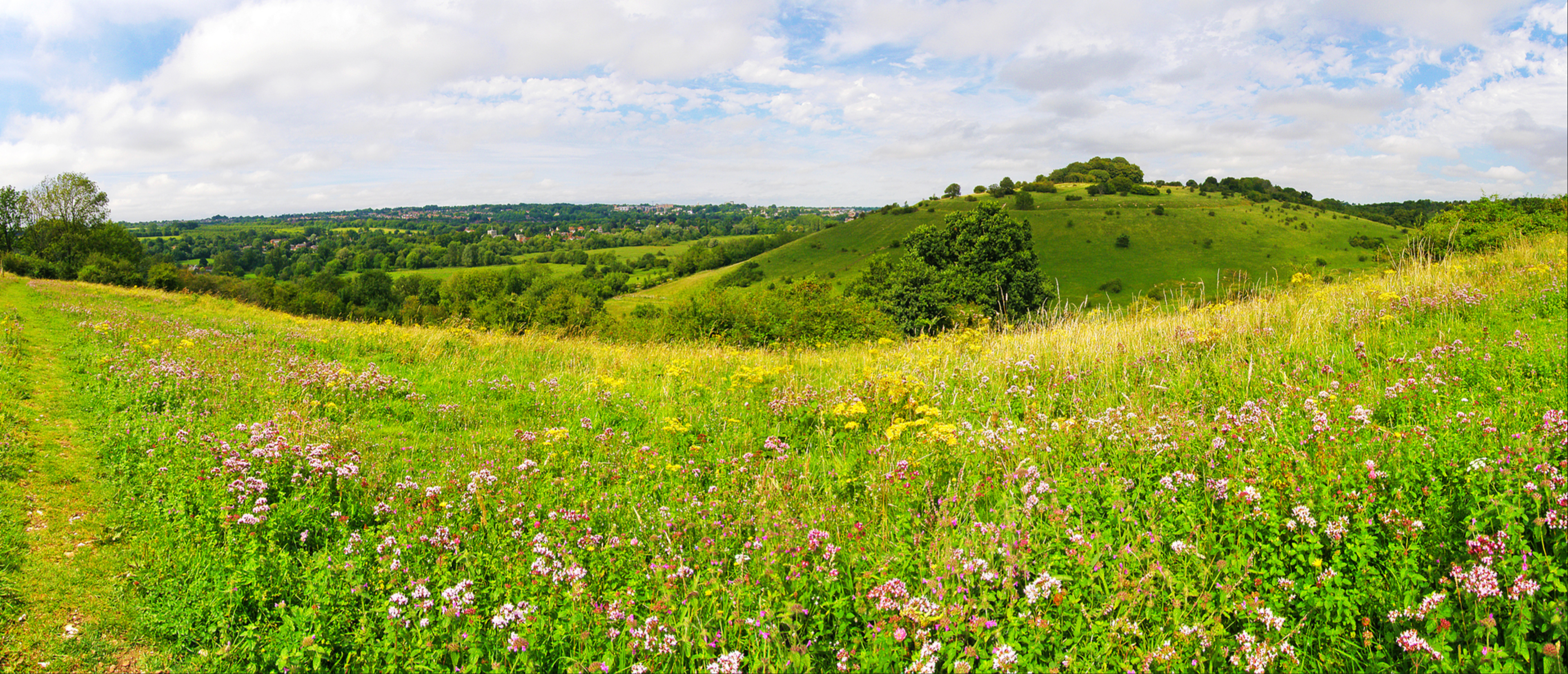
8. Grassland
Grasslands (prairie and steppes) are semi-arid with shorter or taller grass, according to rainfall. They tend to have trees only near rivers, ponds, and lakes. Some is natural, but some results from the clear-cutting of trees in areas not suitable for farming and so abandoned. Grazing is good, so this land is often heavily used for raising sheep or cattle.
- Monster lair or camp (goblins, orcs, centaurs, gnolls, bulette, etc.)
- Shrine or pilgrimage site
- Standing stones, monument, or marker
- River without bridge, small river, or stream
- Bog or marsh
- Cave
- Aqueduct crossing the land toward a city
- Burial ground, barrow mounds, or ancient battlefield
- Skeleton or mummified carcass of giant beast
- Ruined temple or tower
- Shepherd’s hut
- Stand of trees
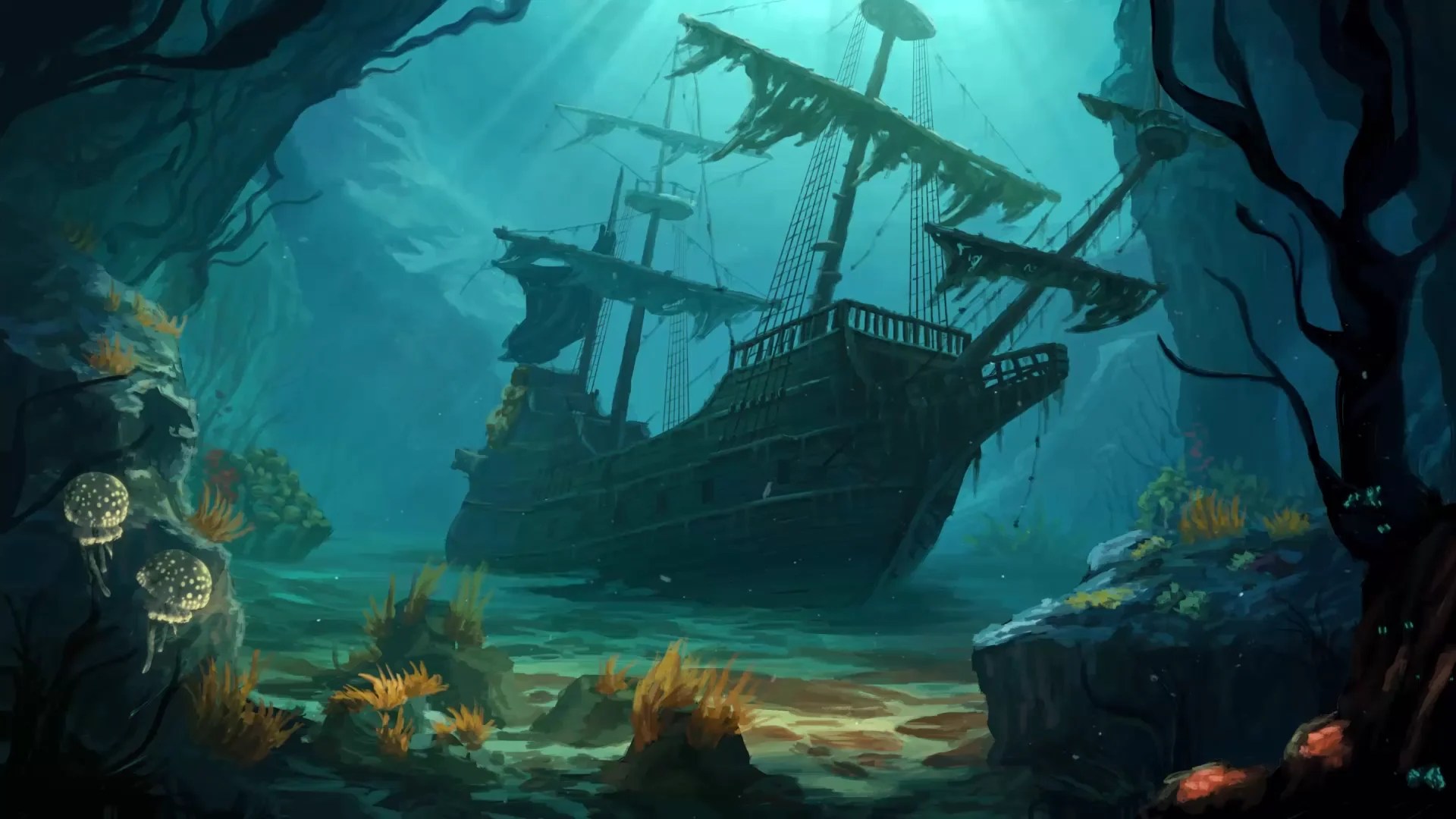
9. Lake/Sea
Lakes are mostly freshwater, and seas are mostly saltwater. They may be quite shallow or very deep. Only very large lakes have much wave activity. (The Great Lakes of the US are very large inland freshwater seas, with great depth and full wave activity).
- Monster lair (dragon turtle, sahuagin, lake/sea monster, giant octopus, etc.)
- Underwater shrine or pilgrimage site
- Iceberg (sea)
- Cave (cliff face, submerged, or sometimes flooded)
- Fishing operation (with nets)
- Abandoned/sunken boat or ship
- Sunken or flooded ruins (castle, temple, tower, manor house, etc.)
- Inlet (cove, bay, sound, lagoon, marsh, etc.)
- Pier
- Fallen log (floating or sunken)
- Carcass of whale or other sea animal
- Skeleton of a sea monster
10. Volcanic Hotspot
Wherever heat from the core of the planet rises to the surface, weird results will occur. Those results may be surprisingly pleasant warm springs for centuries or horrible volcanic eruptions that destroy the surrounding countryside.

- Monster lair (salamander, red dragon, etc.)
- Volcano or fissure vent
- Fumarole or thermal vents
- Geysers, mudpots or tar pits
- An ash-covered area
- Ice cauldron
- Extinct volcano or caldera
- Lava flow field
- Brilliant turquoise crater lake that is deadly acid
- Hot springs or warm springs
- Ruins of a bathhouse or temple
- Standing stones, monument, or marker

 zarban.com