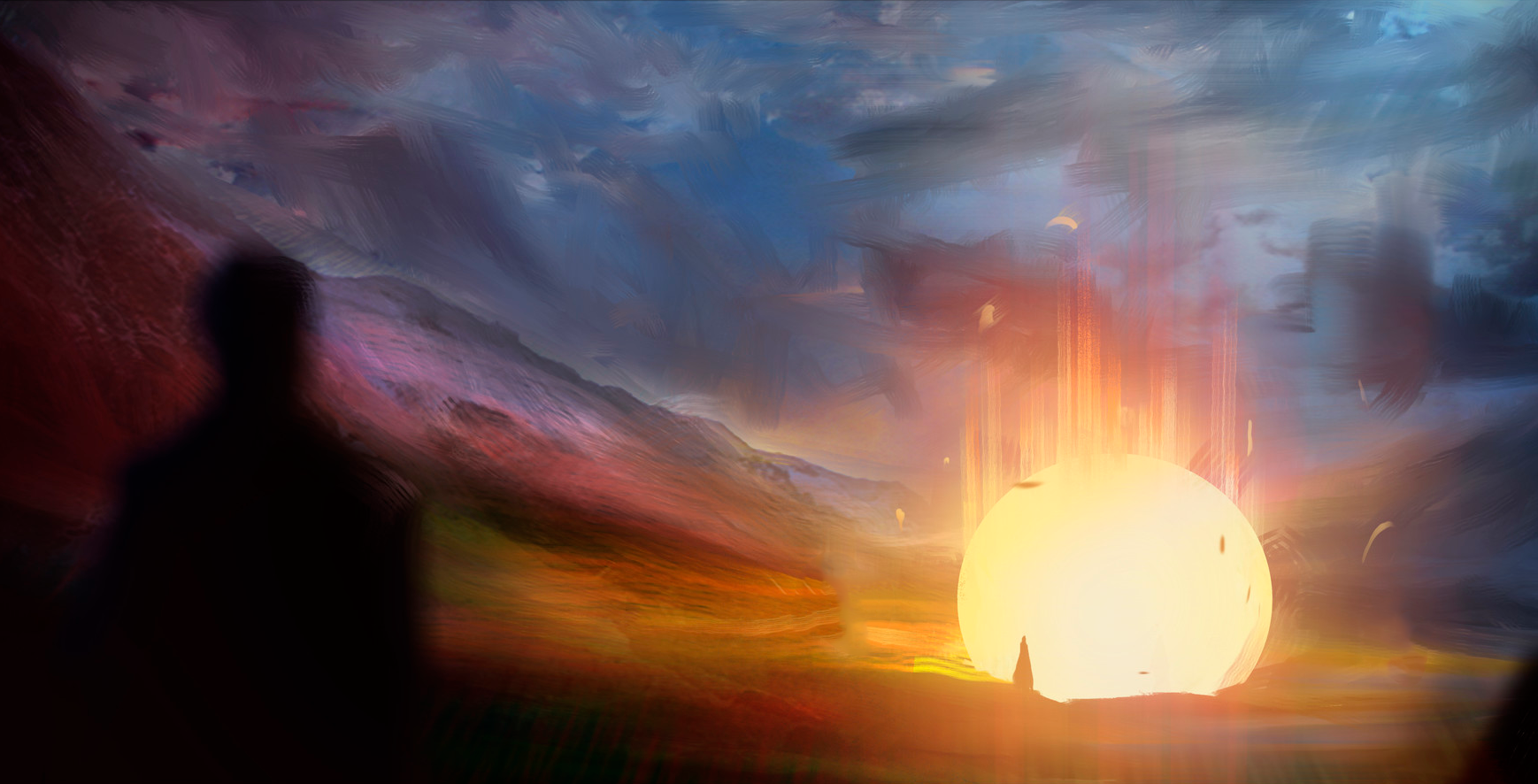

Sure, you’ve got spells to light your way thru dark passages and shadowed halls, but there’s nothing like good old fire… or bioluminescent mushrooms… or the light of a fallen star.
- Torch/campfire
- Brazier
- Oil lantern/lamp
- Candles
- Rush light
- Bioluminescent plants
- Bioluminescent animals
- Magma/lava
- Magic items
- Fallen star
1. Torch & Campfire
- Torch: 20-foot radius for 1 hour
- Campfire: 20-foot radius for 1 hour after tending
Torches are sticks of wood with a head wrapped in cloth and dipped in pitch. The length makes it easy to carry with the light above your head, so it doesn’t blind you. Most beasts can smell it from a mile away, lit or unlit. Both torches and campfires in caves tend to be rather smokey and unpleasant but are fine in large caverns and for short periods in small ones.
But smoke can help detect air currents, since the rising smoke will tend to find its way up and out. This may be thru air vents deliberately bored thru the rock (especially in a mine), which are too small for adventurers to get thru.
Torches last about an hour (less, in windy conditions) but the remaining stick can be used as firewood. Campfires burn down in about an hour after they are no longer fed, but the char stays hot for hours and can usually be rekindled in the morning with more wood.

2. Brazier
- Brazier: 10-foot radius for 1 hour after tending
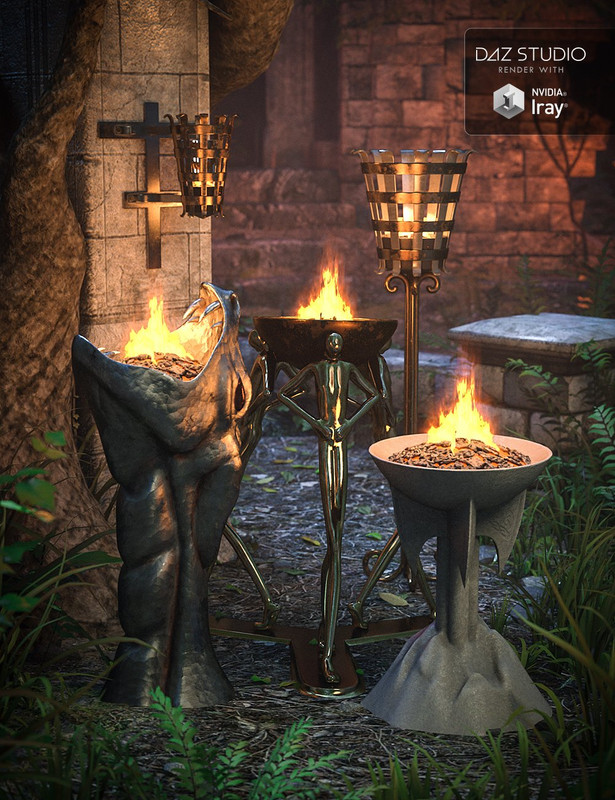
A brazier is a metal bowl or iron basket on a stand or feet that typically burns charcoal, which produces very little smoke, but sometimes wood, which smokes quite a bit.
Braziers are often used to heat more than light an area and are also commonly used to cook food by vendors on the street and at fairs. Adventurers wouldn’t carry such a thing, but it would be common to find them in a ruin or dungeon.
3. Oil Lantern & Oil Lamp
- Oil Lantern: 15-foot radius for hours
- Oil Lamp: 10-foot radius for hours
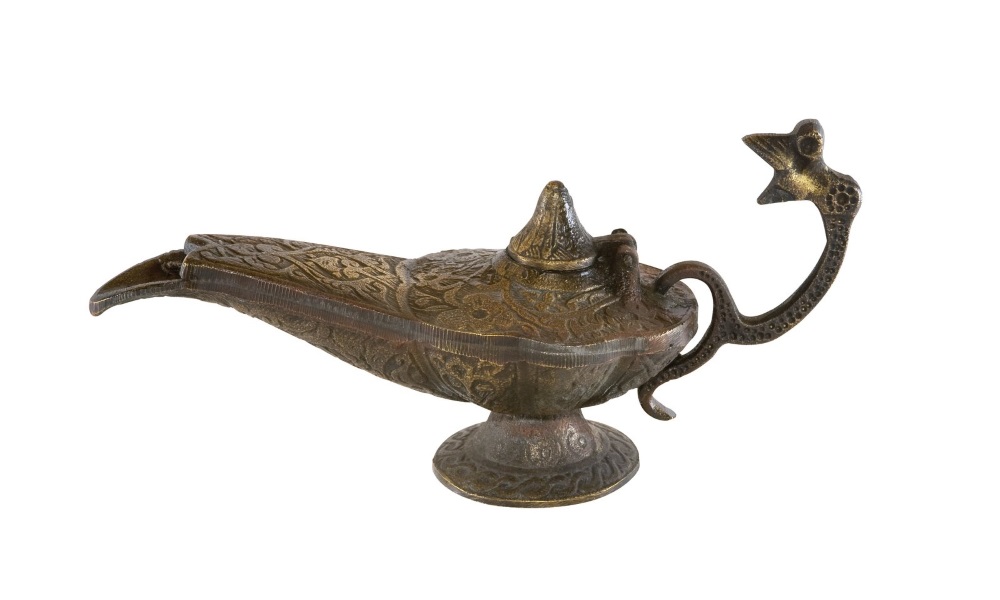
Oil lanterns typically burn animal fat oils. They use about one ounce of oil over 5 hours. They are usually metal with glass or thin horn or greased rawhide panes. This reduces the light but keeps it from being blown out easily. They tend to spill and might catch fire if dropped. It provides illumination out to 10 feet on all sides. Versions without glass will blow out more easily but provide illumination out to 15 feet on all sides. A hooded lantern can be closed–temporarily providing virtually no light–without blowing out the flame.

Oil lamps have an open flame that is quite small. There are various designs, but those with an enclosed body that only allows the wick to poke out are fairly resistant to spills. It provides illumination out to 5 feet on all sides.
4. Candle, Candle Lamp, & Candle Lantern
- Candle: 5-foot radius for 1 to 4 hours
- Candle Lamp: 10-foot on one side for 1 to 4 hours
- Candle Lantern: 5-foot radius for 2 to 6 hours
Candles come in a variety of sizes and types and last 1 to 4 hours (bees wax being the best and most expensive), but their light is rather meager. It provides illumination out to 5 feet on all sides. An exposed candle flame is easily blown out.
A candle lamp uses a reflector on one side and a glass chimney. This expensive and rather delicate, of course, but can last 8 hours and put out a bit more light due to the reflector redirecting light from one side to the other. It provides illumination out to 10 feet on one side and virtually none on the other.
A candle lantern is a metal frame that holds a large candle and usually glass panes. This does not produce much light but makes it easy to carry and hang and protects the flame from wind. It provides illumination out to 5 feet on all sides.
5. Rush Light
- Rush Light: 5-foot radius for 1 hour
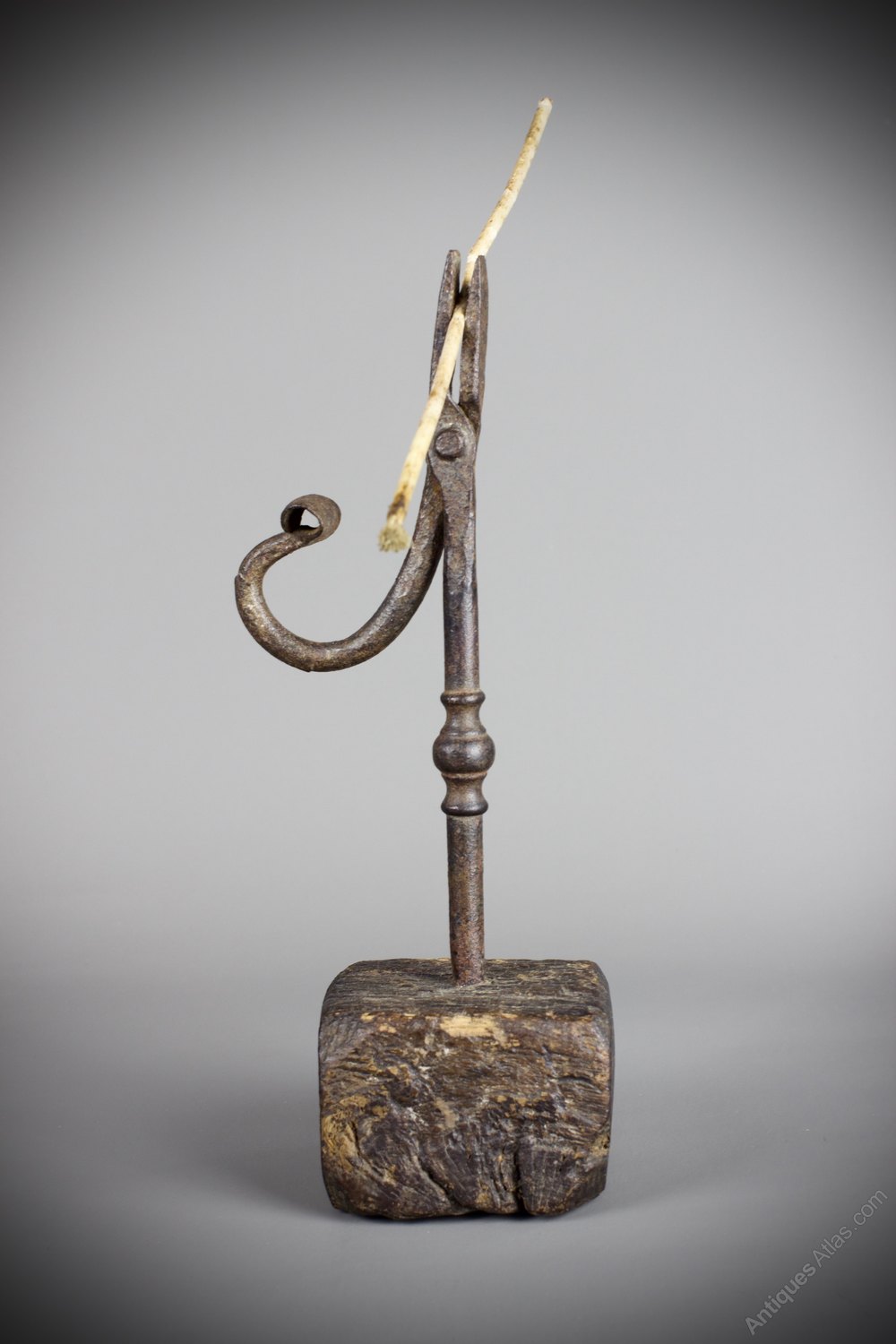
A rush light is a short length of dried rush plant soaked in fat or grease. It produces a fairly weak flame for about 1 hour. Being natural and readily available, it is very cheap and common among peasants.
A rush light is typically a sort of candlestick with a clamp at the top to hold the rush at an angle. The counterweight to keep the clamp tight is sometimes itself a candle holder, making it useful for either.
6. Bioluminescent Plants
- Jack-o-lantern Mushroom: in quantity, 5-foot radius in darkness for days
- Bitter Oyster Fungus: in quantity, 5-foot radius in darkness for days
- Green Pepe Mushroom: in quantity, 5-foot radius in darkness for days
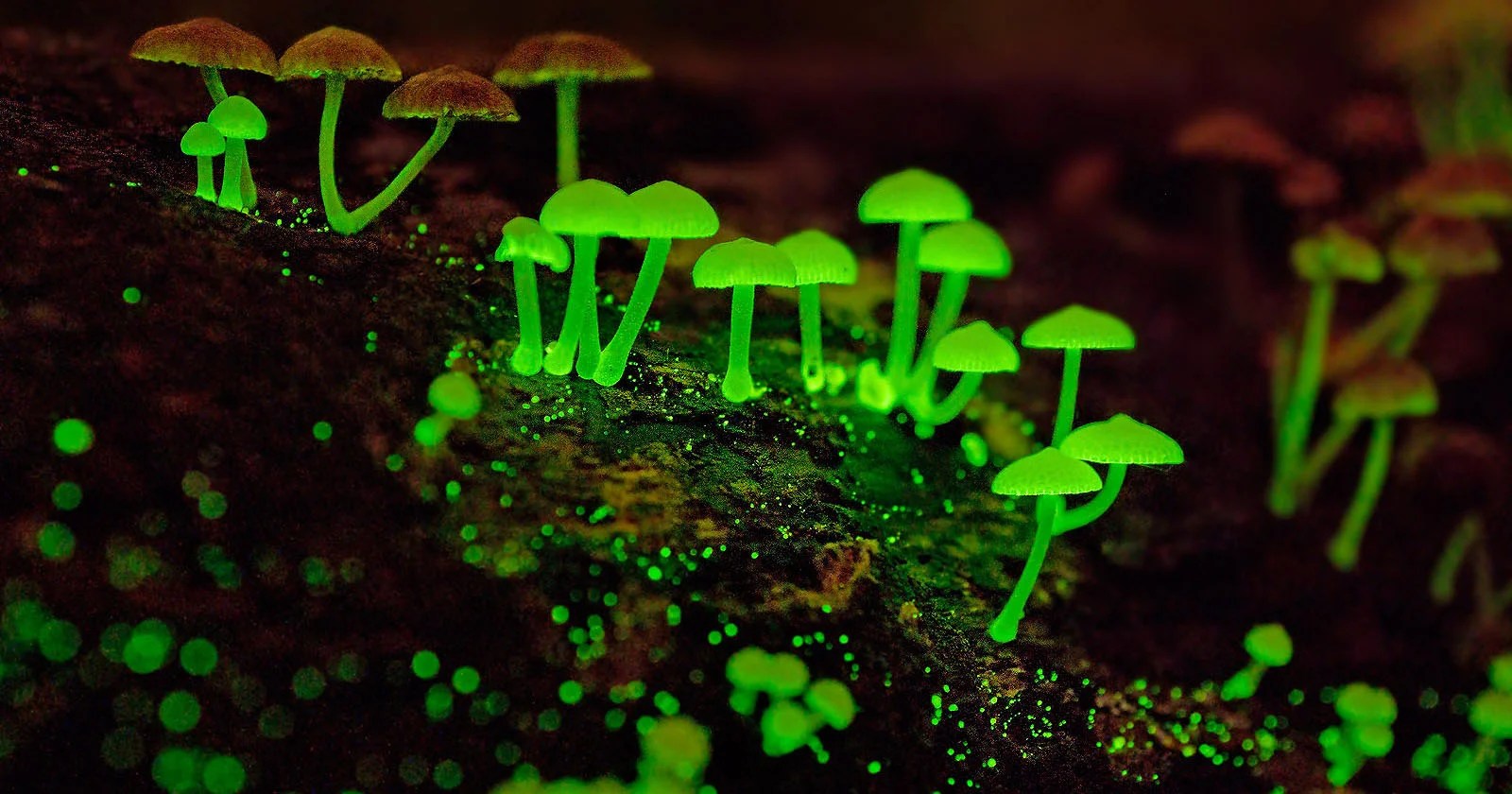
Certain funguses are are luminescent at night and create an otherworldly glow in forests, particularly those of faeries. These are not practical as portable light sources, but are nevertheless beautiful and may substantially light up the space where they grow.
Such funguses can be picked and still cast a dim light that grows weaker over four nights. Thus, several could be used in place of a candle. Elves often cultivate them in their orchards.
7. Bioluminescent Animals
- Jellyfish: 5-foot radius in typical numbers
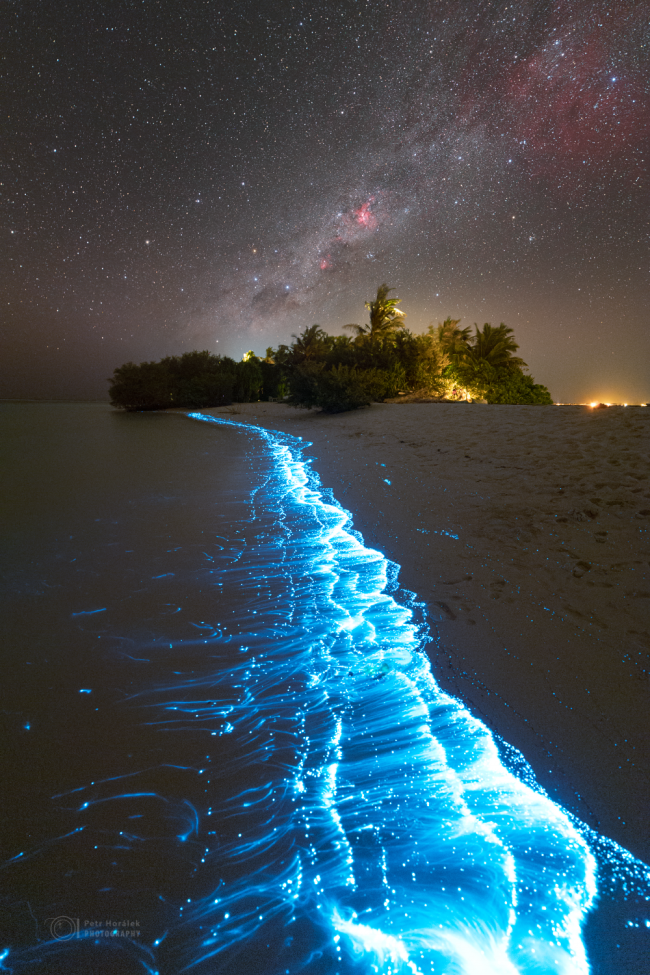
- Glowing plankton: a weak glow but across a large area
- Lanternfish: 5-foot radius
- Firefly/glow worm: a weak glow but in 5-foot radius in large numbers
Luminous animals glow too weakly to be practical as a portable light source but can create a truly magical glow on a beach, in a pool, or in pockets of caverns. Lighted jellyfish and plankton may be found in fresh or salt water. Lanternfish live in the deep ocean but come up to feed in fairly shallow depths at night.
Fireflies and glowworms are beetle larvae found in temperate and tropical woodlands and marshes. The light up periodically to attract a mate. Some fly and some don’t.
Giant varieties of these creatures could make a great deal of light.

8. Magma & Lava
Magma & Lava: 15-foot radius as long as it remains hot
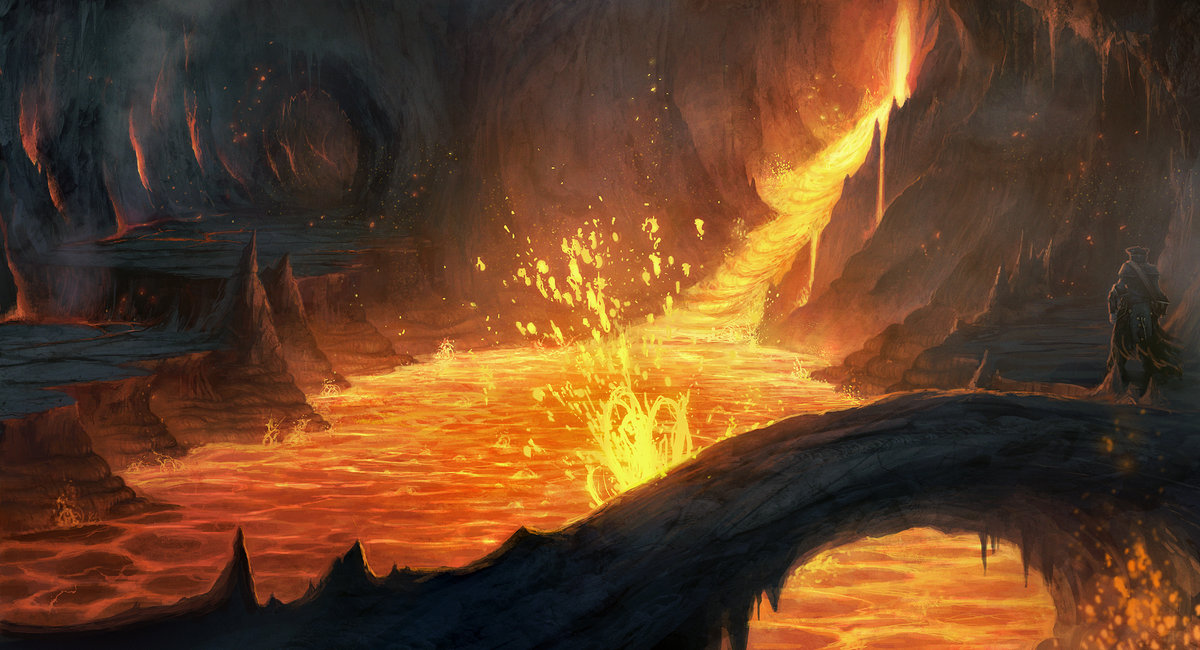
Magma is molten rock that remains underground. Lava is molten rock that has been expelled from a volcano and may ooze or flow down the mountainside. Both glow a hellish orange.
Magma is typically 1800° F (1000° C), so it isn’t reasonable to get near it for long.
9. Magic Items
- Lantern Mace or Flail: 20-foot radius continuous
- Mace of Flame: 15-foot radius for twice per day for 10 rounds
- Flamebrand Sword: 15-foot radius twice per day for 10 rounds
The lantern mace is a +1 mace with a head that resembles an iron lamp with glass panes. But light is provided by a glowing stone that sheds light in a 20-foot radius continuously. A flail version is similar in appearance: an iron lamp at the end of a chain with a handle.

The +2 mace of flame and +2 flamebrand sword both light up with a torch-like orange flame to illuminate a 15-foot radius for 10 rounds up to twice per day. These can be doused at will and can catch things on fire. In addition to normal melee weapon damage, they do 1d4 points of fire damage.
10. Fallen Star
Star: 100-yard radius from dusk to dawn for centuries
Stars fall from the firmament from time to time, and they are fantastic sources of bright, white light all night, every night. They vary in size and brightness, but a typical one is 40 feet across, illuminating everything in a 100-yard radius with a modest amount of heat. And they require no maintenance or fuel. Moving a 10-foot stone (90,000 pounds) is a challenge, but they roll well. (Be sure to cover it with a tarpaulin first, or you’ll be blinded when it comes on at dusk.)
Underground, a fallen star may be set in the ceiling of a great cavern to light an entire city. Their “daytime” becomes the night when the star is lit, while their “nighttime” is from the surface world’s dawn to dusk.
A star makes an excellent lighthouse as well, with reflectors shining the light out to sea. As stars can be seen shining in the firmament (the great, solid dome of the sky nine miles up), so they can be spotted on a tower by ships 20 miles away.
You can say the whole firmament rotates overhead everyday, so the sun and stars are always lit. Or, say the stars are always there in the firmament but turn off when the makes its daily crossing. It just depends on the nature of your world.