


There are many underground dungeon maps available for you to build an adventure around. But there are far fewer urban buildings. Fortunately, there are many books of real floor plans available for that.
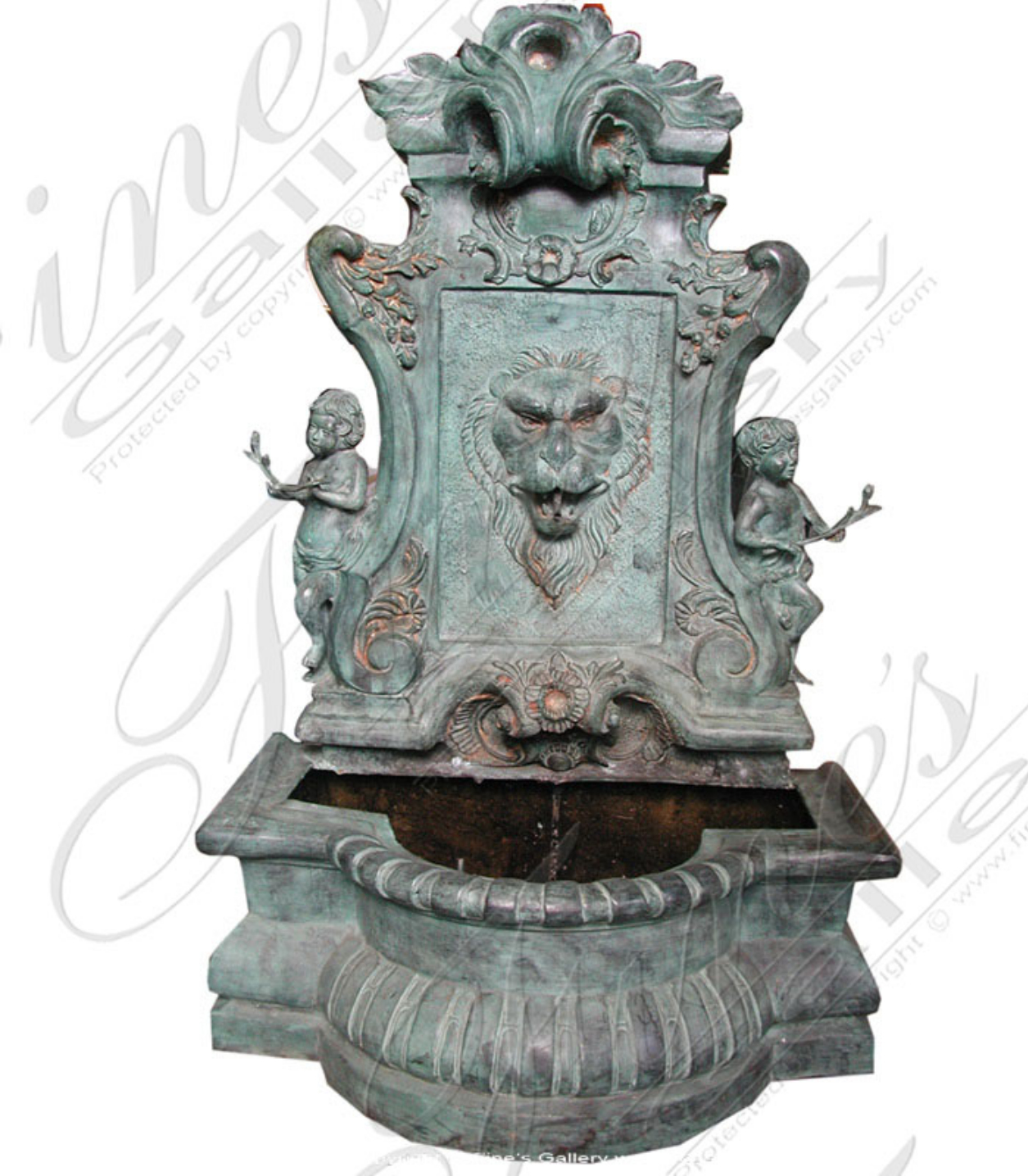
You enter the building into a vestibule and go up a broad staircase. There’s a large public foyer with a center that’s open to the sky four stories above. Before you is a large and rather ornate fountain bubbling fresh water.
A manservant comes out of a doorway to the northeast and, when you inquire for Harcunis the alchemist, knocks and opens a door on the west side of the foyer. You enter past a staircase up and pass into the alchemist’s workshop, a room full of tables and shelves and smelling of the strangest smells of chemicals and creatures in display cases.
Harcunis himself appears from another room wearing a leather apron and holding something. “Ah,” the odd fellow says. “Have you brought me a prize? Or are you in need of an umber hulk eye, perhaps?” He shows off the black orb with a smile.
Will the heroes become friends with Harcunis and do extensive business with him? Will he invite them into his laboratory and trophy room or library?
471 Park Avenue
Here’s an example from a book called Apartment Houses of the Metropolis, which features numerous buildings from 1908 New York City. I can easily imagine this as a four-story building with offices of well-to-do gentlemen and ladies like a city councilman, a sage, a spice merchant, a judge, a high priestess, etc. This is just the sort of place the heroes would need to go to visit an important NPC. And it’s just the sort of place the heroes would want to search for valuables in a ruined or abandoned city. There were, in the Middle Ages, no such things as office buildings; people largely did business out of their homes, particularly their library or spare bedchamber.
This particular floor plan features a couple of professional shops on the ground floor—perfect for a well-off alchemist, for example—and second-floor living quarters that each include a staircase to third-floor bedchambers. Of course, you need to make a few changes. Most half baths should be converted to store rooms. Full baths should be converted to garderobes—a room used as a clothes closet and storage for valuables (clothes being very valuable) that often included a close stool (toilet). (A close stool can also just be in the corner of a bedchamber.)
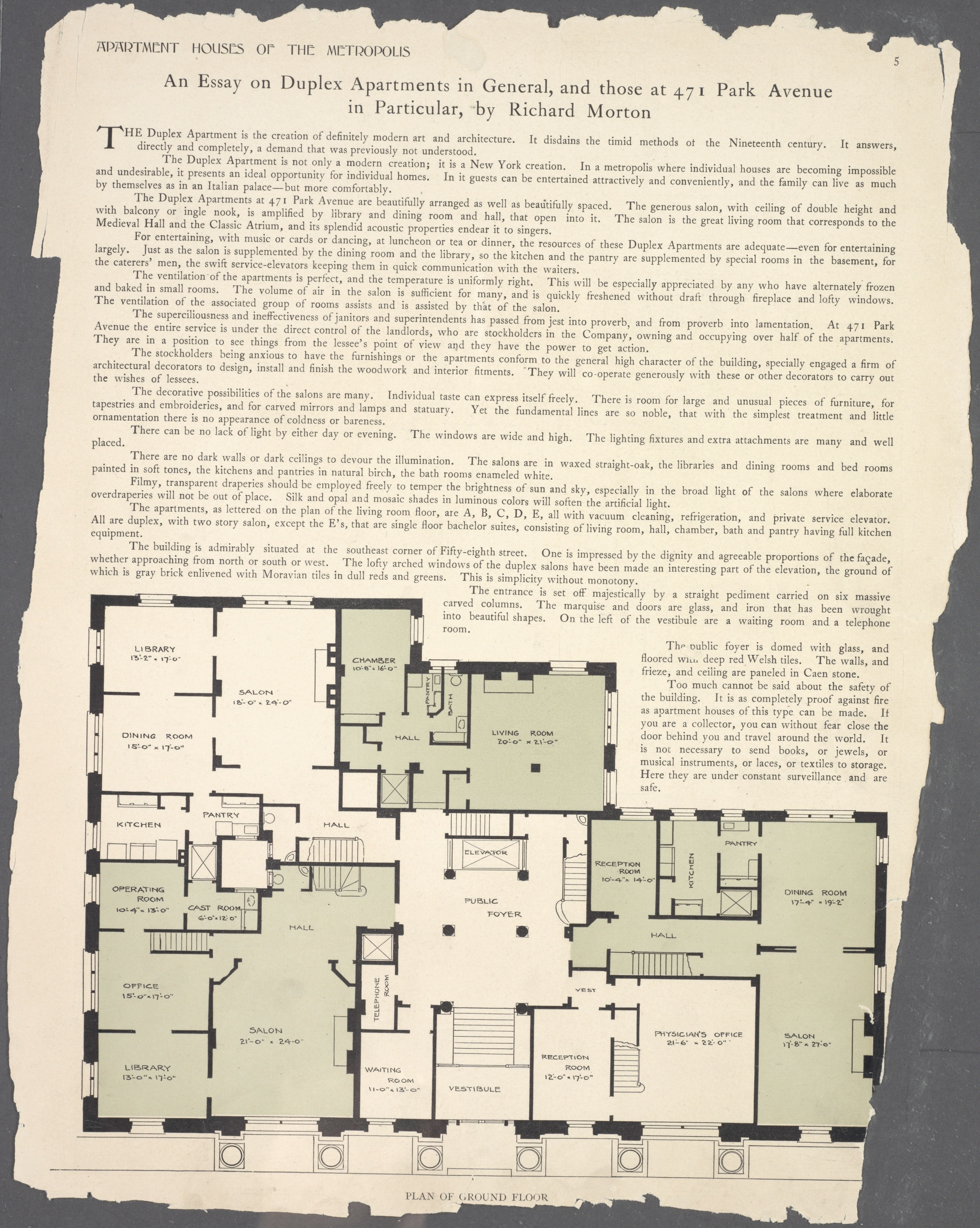
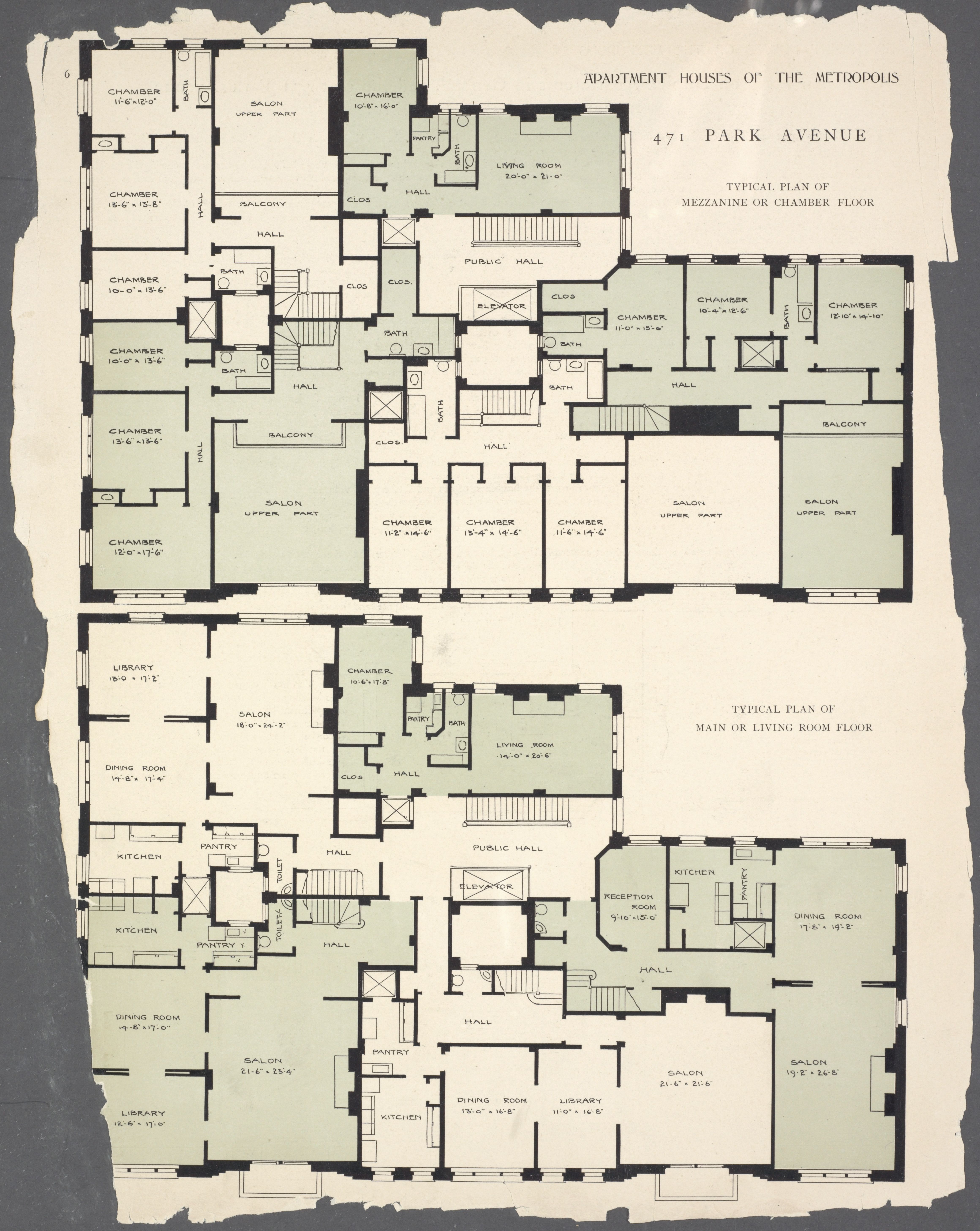
You can modify these slightly to better fit the half-timber style of northern Europe during the Middle Ages, where the upper floors commonly overhang the ground floor. Or you can just say they’re a different style. (Even even cheat and just SAY the upper floors overhand the ground floor when they are in fact the same size.)
The nice thing about this early 20th-century period of architecture is that they stuck with classical design elements like courtyards and light wells that provided natural light to interior rooms. More modern buildings tend to just assume unlimited amounts of electric light will make up for the lack of natural light deep in the interior. And the images here are nice enough that, if your changes blend in artfully, you could print them for use as props in the game.
You’ll also need to replace the elevator with something else: a store room, religious shrine, shared privy, well, fountain, or nothing (additional floor space). In the example above, the center of the public foyer has, on the floors above, a light well. You could put a glass skylight (kind of anachronistic for the Middle Ages) or cupola on the roof or leave it open to the sky as an oculus (more practical in a warm climate).
Note that, in the Middle Ages, a servant or two would likely have slept on the floor of the kitchen.
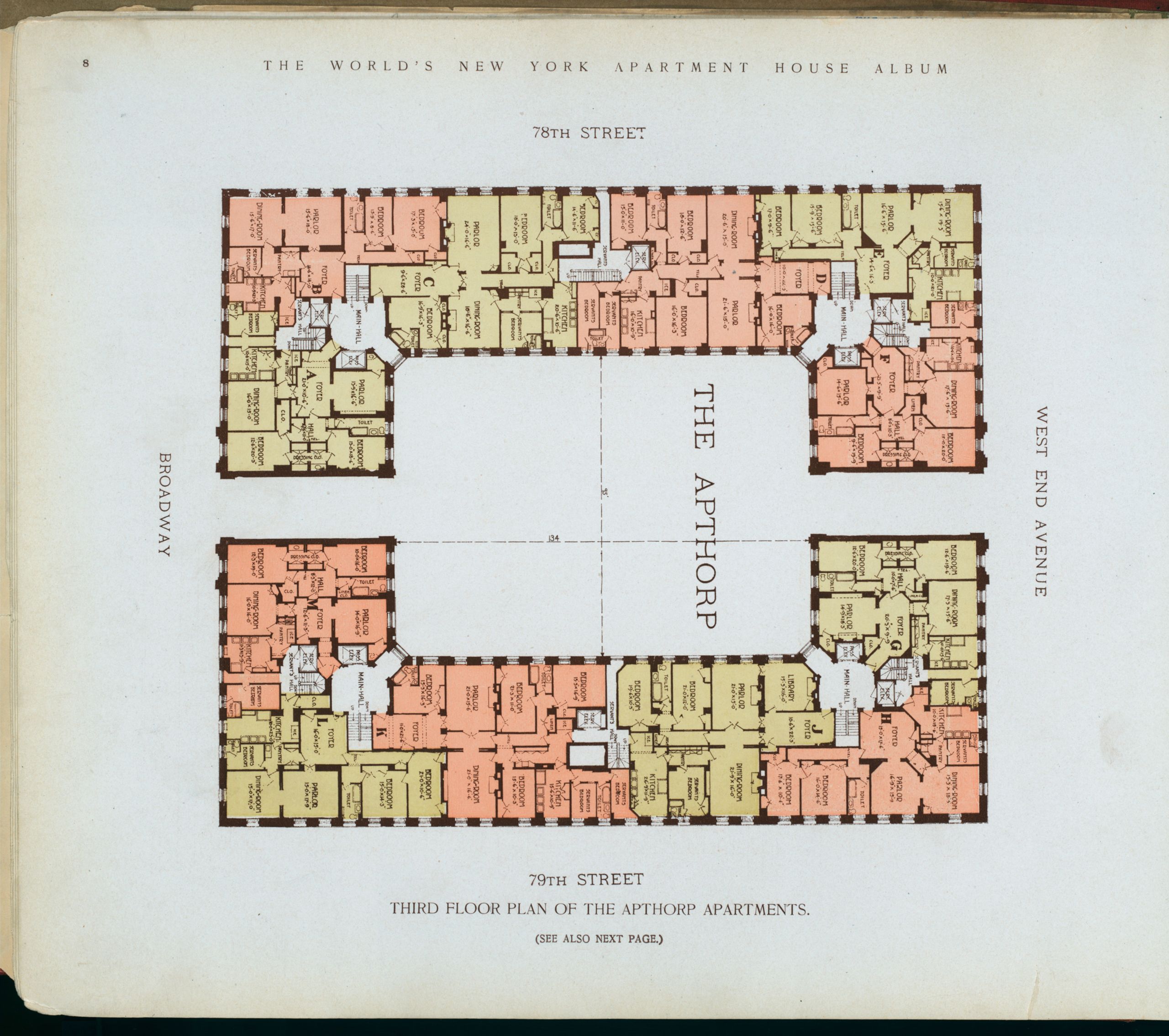
The Apthorp
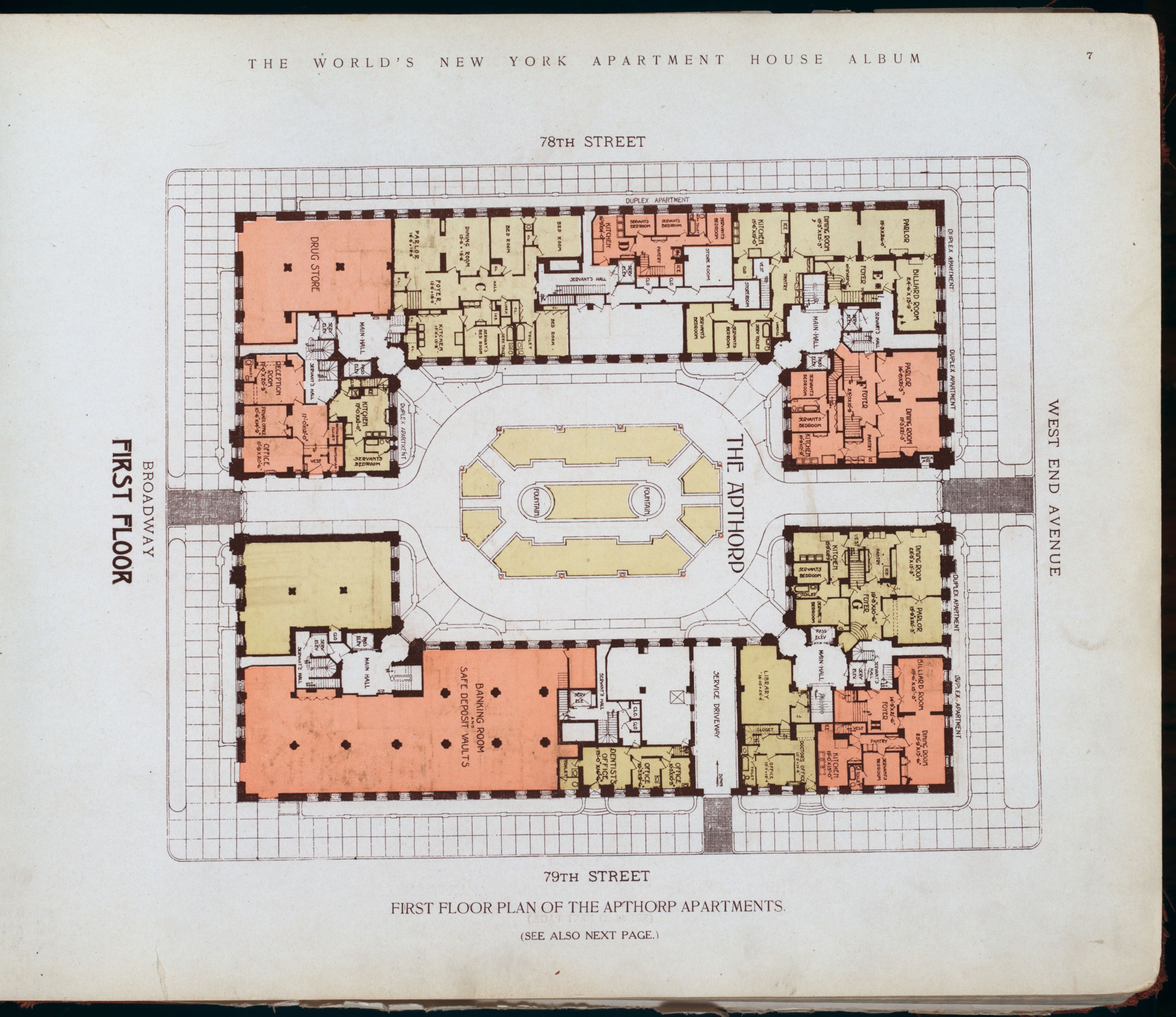
The plan for the Apthorp from the 1910 The World’s Loose Leaf Album of Apartment Houses could be a palace, with the ground-floor bank and drug store becoming a grand hall and throne room. Some of the apartments could be for high-ranking courtiers; others could be consolidated out to become royal bedchambers and private halls. Just ignore the fourth-to-eleventh-floor plan.
Floor plans for the actual Palace of Versailles are also available, altho a bit overwhelming.
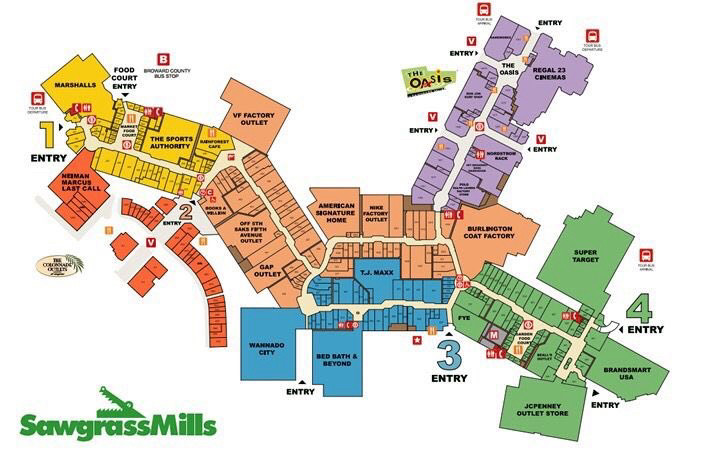
Another idea is to find a map of a shopping mall to use as inspiration. Don’t try to make it to scale or even make a chamber out of every store–unless you’re aiming for an underground city. In the one below, it’s easy to imagine different types of creatures dominating each colored area. Don’t forget to make 40% of the rooms unoccupied to keep the factions separate and combat in one chamber from raising the alarm thruout the whole place.
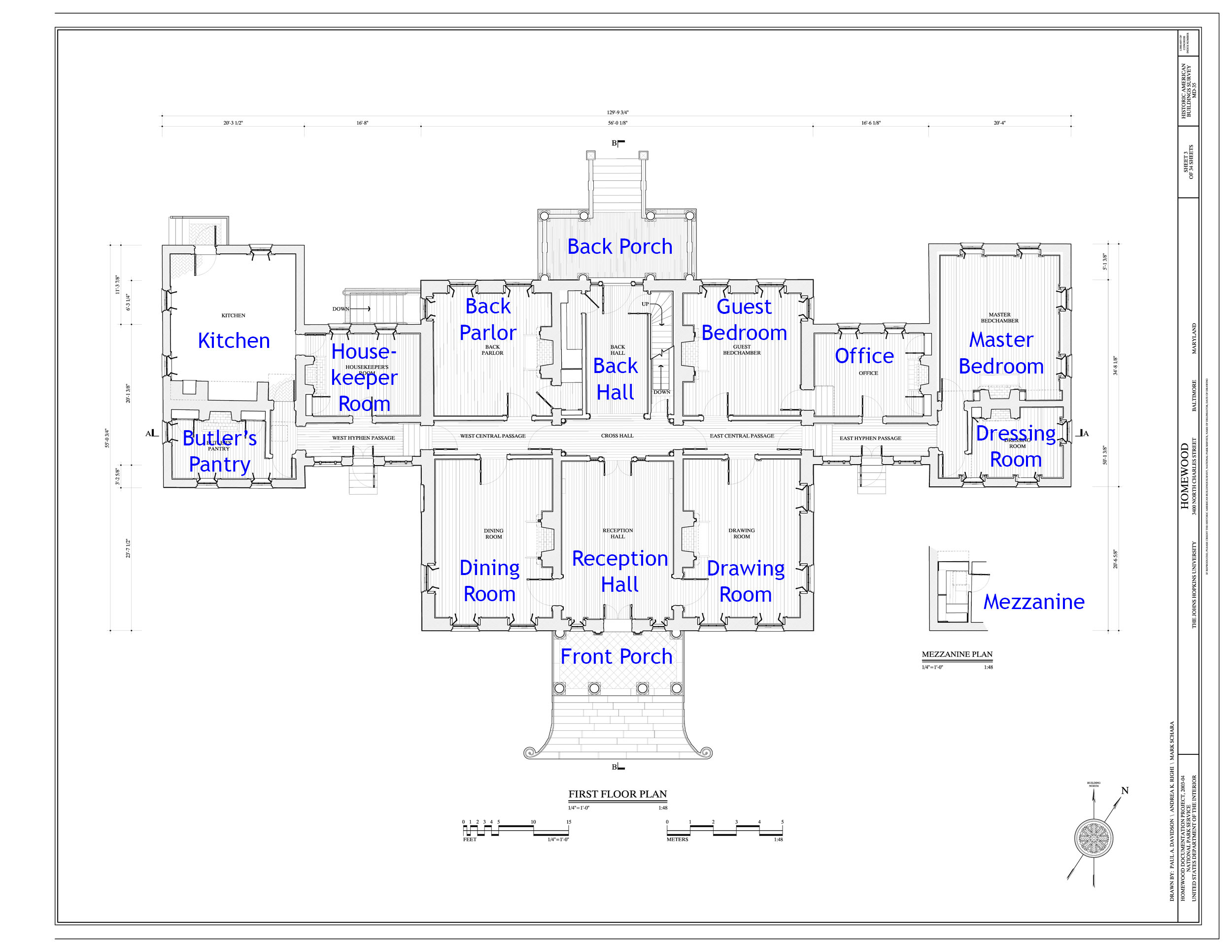
Want a stately but modest mansion? Here’s Homewood, an early American house with extensive documentation in both floor plans and photographs.
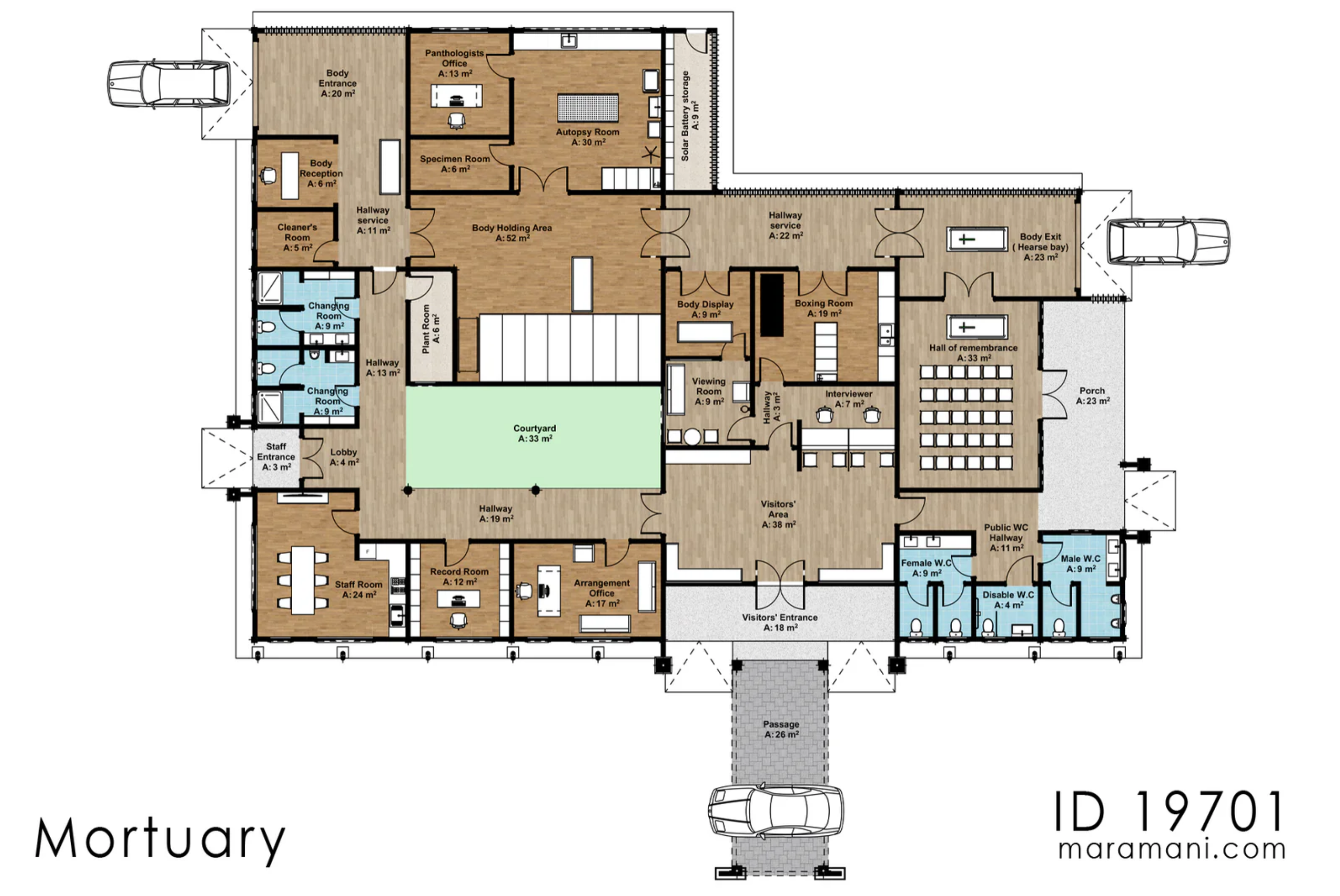
How about a mortuary? Here is a modern one you can pretty easily adapt into a temple of sacrifice or weird laboratory. What’s neat about this sort of thing is that there are spaces for things you probably wouldn’t think of on your own.


Leave a comment