


I’ve written before about creating a history for your realm to give it depth and reason for various ruins and dungeons. Here is a method of rolling up a history.
Prehistory
It begins with a distant period of prehistory like our Bronze Age or Iron Age, before the rise of nation states in the region. This period was known for leaving behind…
- Cave paintings of bygone creatures.
- Standing stone monuments that mark magic places.
- Rune stones of great mystery.
- Elaborate jewelry that remains prized.
- Stone villas that still form the foundation of many fine houses and castles.
- Wondrous artifacts from a golden age that used a primitive/lost writing system.
The Golden Age
Perhaps once, somewhat early in your history, you might include a time of plenty, good rule, safety from monsters and enemies, and cooperation. This would become a brief age of its own, just 1d3 centuries (or a long one, if it’s at the very beginning), which all the land hearkens back to. You might substitute this for your first kingdom or empire roll or for some dire result that has come up too many times.
Perhaps a celestial being, a god, or a particularly effective king or emperor cleared the way for new growth and rebuilding. Perhaps this is when the Great Palace was constructed, the World Trees were planted, the Order of Paladins was formed, the Great Compact was signed, the War Between the Elves and Dwarves (or Humans) was settled, or the Mace of Woe was buried.
Who was in charge…?
- Celestial beings
- Titans
- Metallic dragons
- Fae
- Elves
- Enlightened humans
This culture may have created…
- Air ships, some of which still fly, altho the means of creating them is lost.
- Underground cities, now occupied by monsters.
- Giant statues, now forgotten or crumbled to pieces.
- Beautiful architecture, some surviving in large cities but most lying in ruins.
- Portals between realms, now broken or locked.
- Legendary magical artifacts that cannot be duplicated today.
Rolling up Events
Roll 1d6 for a new era. Then roll as directed for the number of centuries that era lasted and any other aspects indicated. Stop whenever you’re satisfied with the current state of the realm. If you roll the same thing you’ve rolled before, consider whether it’s the same culture re-conquering the land or a different kingdom, empire, or group of barbarians perhaps coming from a different direction. This can create “layers” in your history that allow you to say, “These coins/monuments/ruins are of the Divergian Empire, who ruled this land before the Middle Kingdom period, but after the collapse of the Amitrian Empire.” Their art, magic, secrets, and puzzles can differ from each other a bit.
As mentioned previously, don’t try to dump all this on your players. Just give them a brief sketch and then dribble tidbits here and there when mentioning magic items created for a certain king or treasure of a certain age.
1 = Great darkness
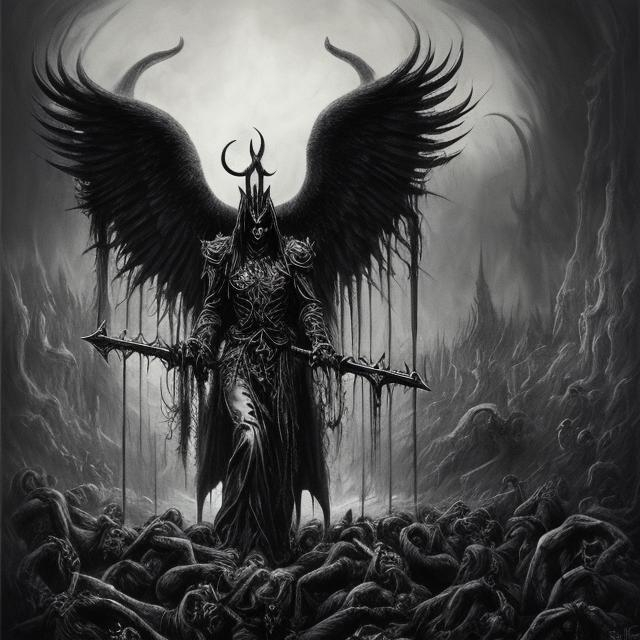
Utter collapse of society, brought on by a supernatural or near supernatural being. Most buildings and monuments are left in ruins. Dark temples may be built to worship the being.
The being was… (1d10: 1=a demon prince; 2=an eldritch horror; 3=a mythical serpent; 4=a monstrous despot; 5=a maniacal godling; 6=an other-planer being; 7=a dark fae overlord; 8=an undead tyrant; 9=a cursed magical object; 10=a sentient plague).
This culture was known for its…(1d6: 1=human sacrifices; 2=cursed magic; 3=war animals; 4=permanent magic and wild magic zones; 5=deadly traps; 6=magical constructs). They gathered the treasures of earlier ages into troves but just as often scattered them.
The dark being eventually… (1d6: 1=was poisoned by assassins; 2=was defeated by a great hero; 3=was defeated by an army of spellcasters and warriors; 4=went to sleep in the bowels of the earth; 5=was destroyed by its own folly; 6=was imprisoned by the gods).
Lasts for 1 century. If the next roll is also a 1, then this great darkness continues; it’s not a different event.
2 = Disaster
A… (1d6: 1=plague; 2=great flood; 3=failed civil war; 4=successful civil war; 5=series of earthquakes; 6=magical catastrophe) strikes, causing widespread disaster. Some cities, castles, monasteries, and churches/temples are abandoned and/or left in ruins.
Lasts for 1 century. If the next roll is also a 2, then this disaster continues; it’s not a different event.
3 = Conquest by a kingdom
The realm is conquered by a king or queen (foreign or arising from within). This might have been a golden age. Some castles may be left in ruins and new castles of foreign design built, with manors managing the land. A different religion and/or language may be imposed, causing temples or churches to be destroyed and new ones built.
This culture was known for its…(1d6: 1=road building and other engineering [compasses, telescopes, star-finder devices]; 2=art and architecture; 3=finery and trade; 4=permanent magic [portals, items, weapons…]; 5=poetry, codes, and ciphers; 6=magical constructs and automatons). These hint at the sort of treasure found in a ruin of this period.
Lasts for 2d4 centuries.
4 = Conquest by an empire
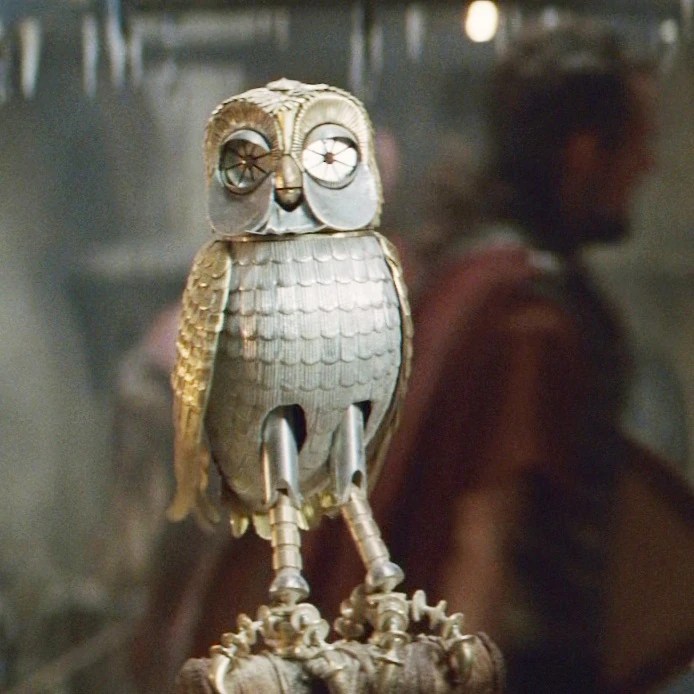
The realm is conquered by an empire and made a province. This might have been a golden age. With warfare concentrated on the borders, old fortresses are left in ruins and military camps built, with villas managing the land. A different religion and/or language may be imposed, causing temples or churches to be destroyed and new ones built.
The empire has great artists and engineers who will leave behind masterworks. This culture is known for its many accomplishments: road building and other engineering [compasses, telescopes, star-finder devices]; art and architecture; finery and trade; permanent magic [portals, items, weapons…]; poetry, codes, and ciphers; and magical constructs and automatons. These hint at the sort of treasure found in a ruin of this period.
Toward the end, the empire eventually… (1d6: 1=faded away as the locals joined and changed it; 2=was forced out by the next invaders; 3=was defeated by an alliance of sorcerers and warriors; 4=collapsed from internal strife [famine, disasters, slave revolts, etc.]; 5=collapsed after stretching itself too thin when extending its conquests; 6=collapsed from civil wars due to corruption and bad leadership).
Lasts for 2d6 centuries.
5 = Overrun by barbarians
A horde of barbarians from a foreign land (or the corners of this one) overrun the realm to pillage and plunder. Cities, churches/temples, and monasteries are sacked and some castles ruined.
This culture was known for its…(1d6: 1=enslavement of enemies; 2=animal sacrifices; 3=animal companions; 4=primitive magic; 5=friendliness with fae; 6=alliances with monsters).
The treasures they left behind are mostly limited to… (1d6: 1=crude wood and stone art; 2=shaman-blessed magical weapons; 3=precious and semi-precious stones used as money; 4=silver jewelry beads used as money; 5=gold jewelry; 6=shaman magic in rings of standing stones).
Lasts for 1d4 centuries.
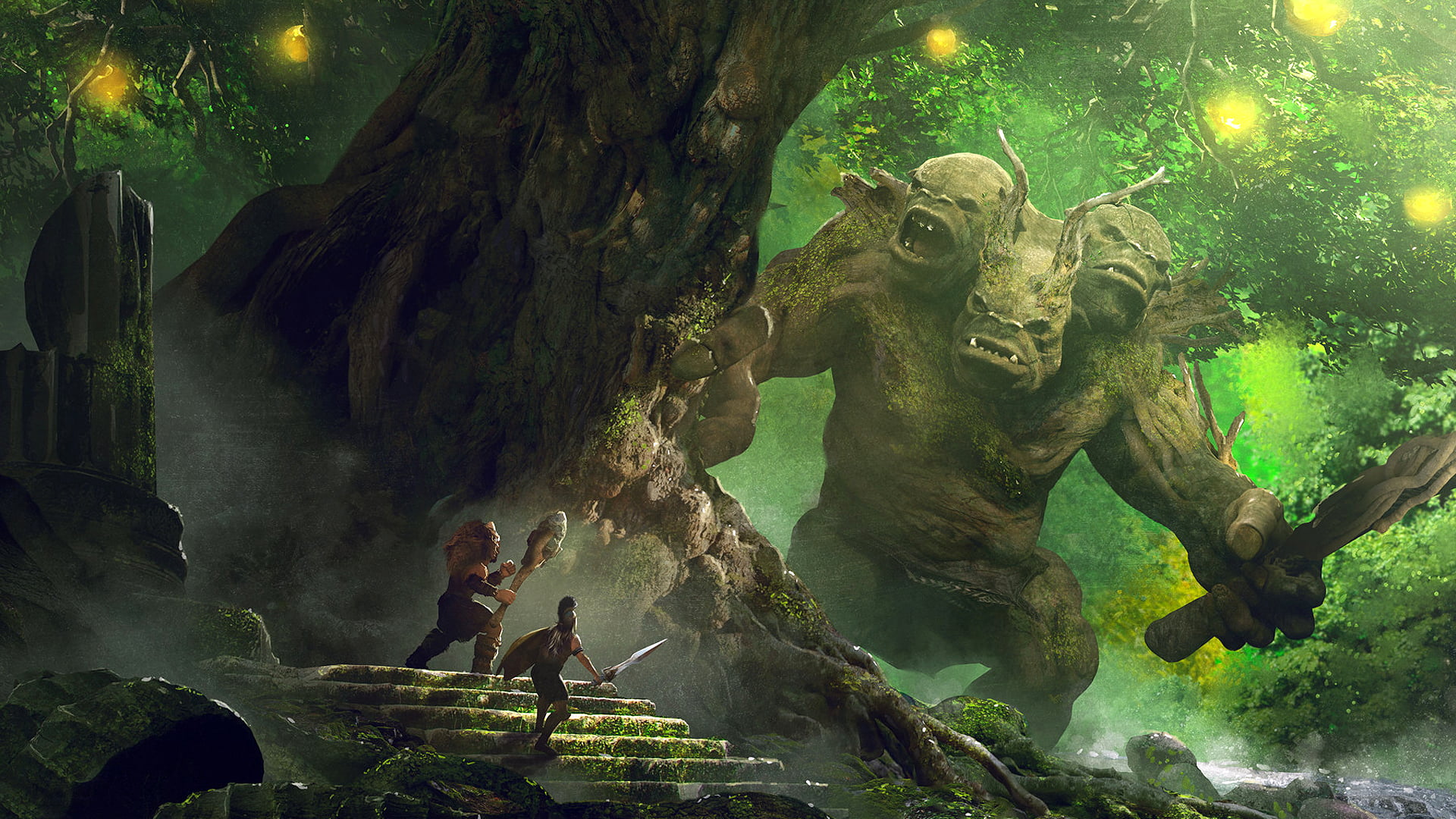
6 = Overrun by monsters
A horde of… (1d6: 1-2=humanoids; 3=trolls; 4=giants; 5=centaurs; 6=dragons) comes from a foreign wasteland or the bowels of the earth, bringing other monsters in its wake. Cities, churches/temples, and monasteries are sacked and some castles ruined.
If humanoid, they are… (1d6: 1=goblins from the rocky hills; 2=orcs from the lowland wilderness; 3=hobgoblins from the highlands; 4=gnolls from the grassy plains; 5=ogres from the mountains; 6=bugbears from the frozen tundra).
Lasts for 1d3 centuries. If the next roll is also a 6, then this anarchy continues (but possibly with different monsters); it’s not a different event.
Names for Ages
- Lost Age, Unknown Age, Timeless Age, Age Before Ages
- First Age, Second Age, Third Age
- Dark Age, Age of Darkness, Age of Fear, Age of Shadows, Age of Monsters
- Eldritch Age, Age of Horrors
- Light Age, Enlightened Age, Age of Rebirth, Green Age
- Bronze Age, Iron Age, Steel Age
- Bronze Age, Silver Age, Golden Age
- Antique Age, Ancient Age, Imperial Age
- Age of Titans, Age of Gods, Age of Monsters, Age of Men
- Age of Ice, Age of Fire, Age of Sorcery
Examples Generated in Minutes
I find it genuinely enjoyable to roll up and flesh out a history in just a few minutes. The divisions into ages are arbitrary, just as those of real historians are. Note that a “dark age” or “age of darkness” doesn’t necessarily have to include a Great Darkness; it could be dark because of barbarian and/or monster anarchy.

Example 1: 3600 years of Galpurian History
This happens to be heavy on barbarians at first and then trolls thruout. But it’s often true of history that populations don’t get killed off entirely but rather beaten back only to rise again when the conquerors have weakened. The periods of great darkness are nicely spaced.
- Bolpic barbarians overran the unknown First People (known only by their stone villas) and ruled for 3 centuries. The Bolpic were known for their animal companions and magical weapons.
- Noapic barbarians arose and ruled for 2 centuries.
- Genopic barbarians arose and ruled for 3 centuries, the Barbaric Age lasting 8 centuries in all.
- Then arose Hargul, the demon prince, and great darkness fell upon the land. The people hid in caves and cities dug in the earth to hide from Hargul’s monstrous army and animals of war. Hargul was at last defeated by barbarian heroes and druids.
- Hargul’s final curse, the Green Bile plague, struck. And it killed many people.
- Trolls took advantage of the turmoil and arose from the deep pits and terrorized the people for 2 centuries.
- Centaurs galloped out of the high wastes and demanded tribute lasting 2 centuries. The Age of Despair lasted 6 centuries.
- Novissa, Conqueror Queen, put down the centaurs and established the First Kingdom, which lasted for 4 centuries and built many cities, castles, and monasteries. This period was known for its magical constructs, which still guard the treasures of certain tombs and secret places.
- Then trolls issued out of the earth again and rampaged for 2 centuries.
- The Peluscan Empire invaded, conquered, and ruled for 4 centuries, wrecking many of the castles of the First Kingdom and replacing them with military fortresses. Among their legacy, they had their own magical constructs as war machines. The Age of Crowns lasted 10 centuries.
- When the Peluscans withdrew to defend their homeland, a great darkness fell upon the land again in the form of Strivax, the many-tentacled. Its arcane servants produced awful curses that linger in certain places and artifacts to this day. The people cowered in their walled cities and castles until Strivax was defeated by a ragtag army of Peluscan remainders.
- Trolls again overran the land for 2 centuries.
- Next came humanoids from the frozen wastes, who terrorized the people for 2 centuries. These were orcs from the wilderness, who seized and wrecked human settlements.
- Then a series of earthquakes shook the land, destroying many towers, castles, and cities that remained.
- The White Plague followed, leaving many abandoned places.
- Trolls dominated for another century.
- Orcs ran rampant again for 1 century.
- Another great darkness fell upon the realm in the form of Uvagas the Shadow Serpent, who loved human sacrifices. All told, the Dark Age lasted 10 centuries.
- Prince Hyle came from across the sea and slew Uvagas and thus established the Second Kingdom, famous for its poetry and secret writing. New cities and castles and monasteries have been built, sometimes atop the ruins of the past, but often from the stones of ruins, leaving many strange dungeons in the earth, even some under the new structures. The Fifth Age has so far lasted 2 centuries.
Example 2: 4900 years of Hamarland History
This one is heavy on empires and barbarians, but history does tend to repeat itself. I took a cue from the Holy Roman Empire to have the Hamarazins return. In this case, there are no times of great darkness. You might swap a barbarian invasion for great darkness.
- The Fiktish Empire swept over the land from the southeast and conquered the original unwritten tribes (remembered now only from their elaborate jewelry). Fiktish rule lasted 7 centuries and left many fine temples and other structures with inscriptions in secret writing.
- Weakened by centuries of war and foolish rulers, the Fiktish Empire gave up the realm to invaders from the Bol Kingdom under King Hanût, which lasted 5 centuries. This period was known for its lasting magic, and their work can be found in use today, including fine enchanted weapons.
- The descendants of Hanût fell to civil war and left the land in ruins.
- Then came the Hamarazin Empire from the southwest. Their rule lasted 3 centuries before the return of the Fikts. Their rich tombs are protected by puzzles.
- The Fiktish Empire reconquered the land and ruled for 9 centuries, rebuilding much of what was lost. Thus ended the First Age: The Age of Empires, which lasted 25 centuries.
- Fiktish rule was ended with the Plague of Tears, also called the “crying death”, which wiped out a large portion of the people.
- This drew humanoid monsters, particularly gnolls from the grassy plains, who terrorized the people and devoured the sick and dead. They left cities in ruins before being halted after 3 centuries.
- It was barbarians from the north that tamed the land again and routed the monsters, sending them fleeing into the mountains and caverns. The Yollics and the Glaves divided the land for 1 century and enslaved each other. They wore necklaces and bracelets of silver chain whose links were used as money.
- The Yollics and Glaves could not stand united against the elven Tupics from the southern lands, who were friendly with fae creatures and took over for 2 centuries. These elves worked gold into jewelry prized even today.
- Then out of the north came more Yollics and more Glaves, who took back the land for 4 centuries. They managed to merge their cultures into the Yollician petty kingdoms, but during this time little building was done, and the last of the Imperial glory fell into ruin.
- The Yollician rule fell, this time to the Moon tribes and their shaman magic. For 3 centuries, the Moonics dominated.
- Then the land was invaded by centaurs from the eastern plains, and many fell beneath their hooves for 2 centuries. Humanoids came out of the mountains and lurked in the forests. Thus ended the Second Age: the Age of Darkness, which lasted 16 centuries.
- At last returned the Hamarazins as the Great Hamarazin Empire, taking back the land and establishing order once again, tho Moonic barbarians remained in the hills and monsters in the mountains. So it has been for 800 years. The Third Age has lasted 8 centuries.

Example 3: 3200 Years of Boreal History
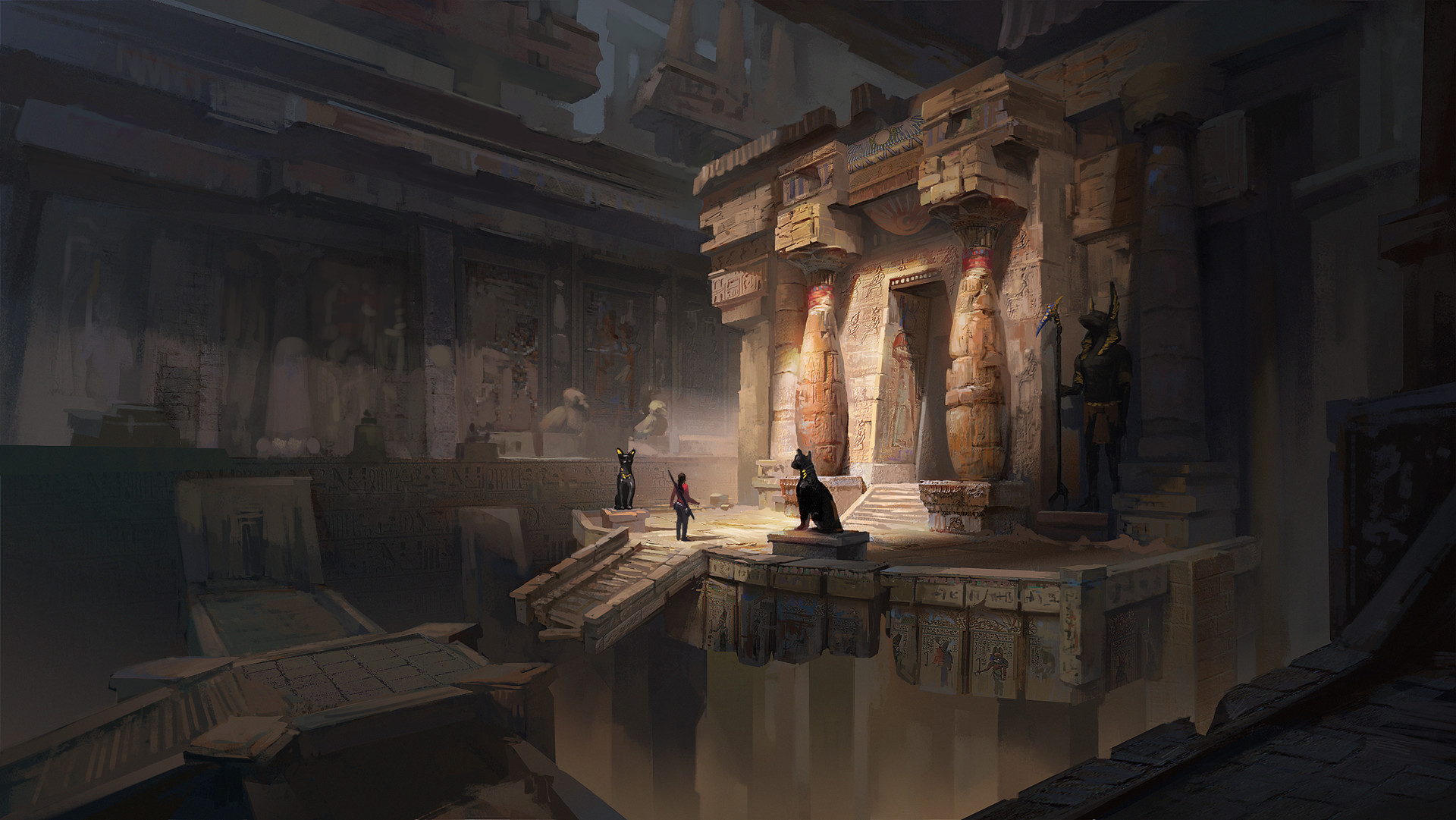
I wanted this one to feature pyramids in the desert, so I chose an ancient-Egyptian-style culture as an early conqueror. If they wished, the heroes could travel to the Gypatic desert homeland to explore such ancient places.
- Gypatic savages swept across the land of Boreal, taking the unlettered early people (known for their cave paintings) as their slaves, ruling for 3 centuries.
- Out of the sands of the desert arose the great horror Kabinok, the many-headed, with serpents for arms. But Kabinok challenged the gods of the Gypatics, and they foiled its deadly traps, crushed it, and divided it into many pieces, buried deep in the mountains.
- The Gypatics established an empire and raised great monuments across the land, calling it Boreal or Land of the North Wind. They built pyramidal tombs for their princes in their dry homeland protected by clever puzzles. Their rule lasted 5 centuries. Thus ended the Ancient Age of 9 centuries.
- The empire was overrun by barbaric Magometh tribes with their war bears, who raised themselves to royalty and maintained the “Northern Gypatic Empire” for 4 more centuries. They left rings of standing stones that still work magic for those who make offerings to the Mago-Gypatic gods.
- But this empire faltered under Magomethic rule, and Prince Hostimaka fell in battle with the Kingdom of the Sky, which gobbled up Boreal and held it as a tributary for 4 centuries, building many castles and monasteries, known for their use of clever secret doors and traps to protects its gold- and silver-threaded finery. The Antique Age lasted 8 centuries.
- Then the Plague of Locusts came and wiped out crops, leaving cycles of famine and death for many years.
- When the locusts faded, the Kingdom of the Sky returned and reestablished its hold for 3 centuries more, building ever greater works.
- Ustinic, King of the Sky, declared the Mago-Gypatic gods to be evil, and their followers were rooted out and slain. This was a golden age of prosperity and abundance, when items of legendary power were wrought.
- But it was then that the land was struck by earthquakes, shaking the foundations of the old monuments, castles, and temples, leaving much in ruins. Some blamed the archwizards who served the Kings of the Sky, and many were executed.
- The cracks in the earth yielded many trolls and other creatures, which had grown from the seeds of chaos inherent in the many pieces of Kabinok buried long ago. The trolls harried the people for 2 centuries and left the land in chaos. And so ended the Sovereign Age of 8 centuries.
- Out of the ashes of the Kingdom of the Sky rose a new kingdom under King Erired, who drove back the trolls and constructed magical guardians to man the gates of the Long Wall. And so it was 3 centuries as the Kingdom of Macomia.
- Then disaster fell, in the form of the Great Flood. This drowned the lowland cities and flooded the Western Plain, which remains sunken in shallow water.
- Then came ogres from the highlands to take advantage of the carnage, and so heroes arose to battle them as best they could with steel and magic. So it has been for 2 centuries, the kings and queens of Macomia fighting ogres, orcs, and goblins to regain some of the old lands to reunite Boreal under one king. This Late Age has lasted 6 centuries so far.
Example 4: 2500 Years of Frisonian History
- For centuries before the dawn of writing, the Frison Empire flourished under the just rule of good dragons. They directed the construction of great buildings, some of which are still in use to this day. But conniving humans rose up against the rule of dragons and tried to take power for themselves, slaying their masters. From the invention of historical chronicles, the Golden Age lasted 3 centuries.
- The empire was then overrun by Thusian barbarians. They wrecked what the Frisonians had built and replaced it with rule by force and cruelty, melting down great treasures into crude silver jewelry. They lasted 1 century.
- The Thusians were defeated by Zobrians, also barbaric, and much more was lost in their century of rule. They left only wood and stone art of some value today.
- Then arose a new kingdom of Frisonia when the Frisonians pitted the Thusians and Zobrians against one another. This kingdom was characterized by the flourishing of magic, some of which still permeates the land. Many items of legend were crafted. This new age lasted 3 centuries.
- Then tensions with the neighboring Aptafar kingdom resulted in war that ravaged the land and left Frisonia a tributary to Aptafar. This lasted 6 centuries. But magic continued to flourish, altho the Aptafar often hid it in their secret vaults. The Middle Age lasted 11 centuries.
- Then a time of great darkness descended with the rise of the demon prince Ulgar, whose cursed magic poisoned the Frisonian wizards and left its mark on the land. But the Frisonians turned to their gods, and the high priests were able to call on their power to imprison Ulgar in the depths of Black Mountain. The reign of Ulgar was 2 centuries.
- But what followed was a plague of goblins out the rocky hills around Black Mountain. They swept over the land and devoured it for 3 centuries.
- The plague of goblins was only worsened by the coming of Regnomat, the Foul Serpent. The evil dragon ruled cruelly with goblins for minions, its human followers building new monuments to foul magic that still blight the land in some places. But Regnomat fell after 1 century by its own folly when it tried to devour the ancient Haltastone of mythical power. The Dark Age lasted 6 centuries.
- Out of the darkness arose a new Frisonian Empire that has so far lasted 5 centuries.
 zarban.com
Leave a comment