

Every GM wants their players to get interested in the campaign world they built and explore its cultures as well as its dungeons. But how can you do that without putting in hundreds of hours to create that rich backdrop? There are a few, simple ways.
Ask Your Players
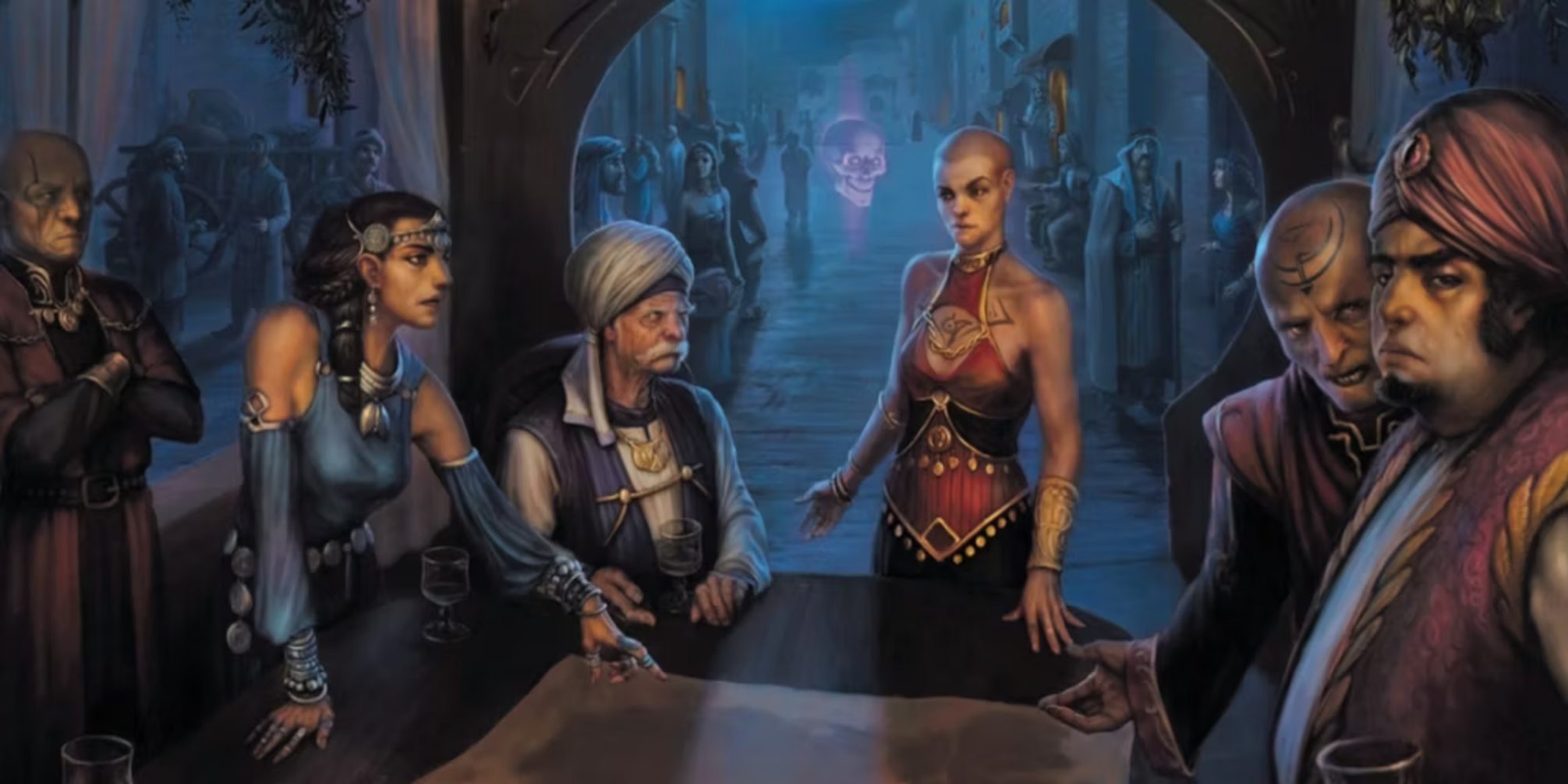
Session Zero is your chance to ask your players what sort of world they want to play in and what sort of adventures they want to play out. Monster hunters? Mercenaries? Spies? Traders?
Where do they want to start? A border town? Or an inland city? A coastal city? The capital? Aboard a ship? What should it be like? Let them decide. But also make them decide how they know each other… siblings, friends, rivals who team up, worked together?
What kind of factions do they like the idea of? Give them some to choose from. Smugglers, witch hunters, royal officials, an order of knighthood, a coven of witches, a brotherhood of rebels against a tyrant…. Give them rival adventurers as models, allies, and enemies.
Create a basic history that includes a mention of a couple of the more prominent factions to tie things together. These may have sprung out of or helped bring about certain collapses or changes in regimes, which makes them more impressive.
Borrow a Map
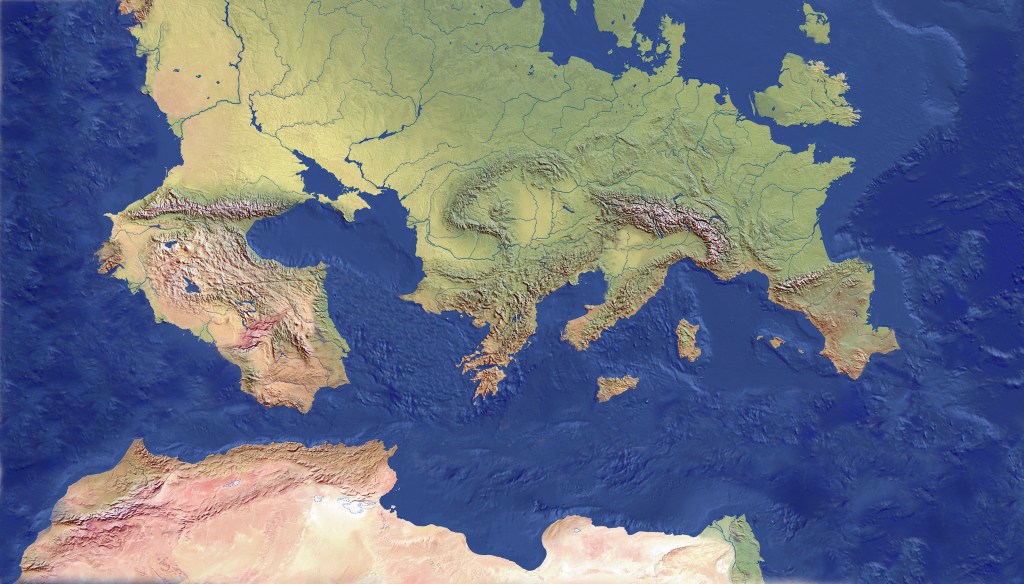
Maps are difficult and time-consuming to make, but there are numerous blank fantasy world maps available online that you can borrow. Whether you like the idea of a broad continent with few islands or a broken realm of many islands, you can find something beautiful that someone else created and offered to the world.
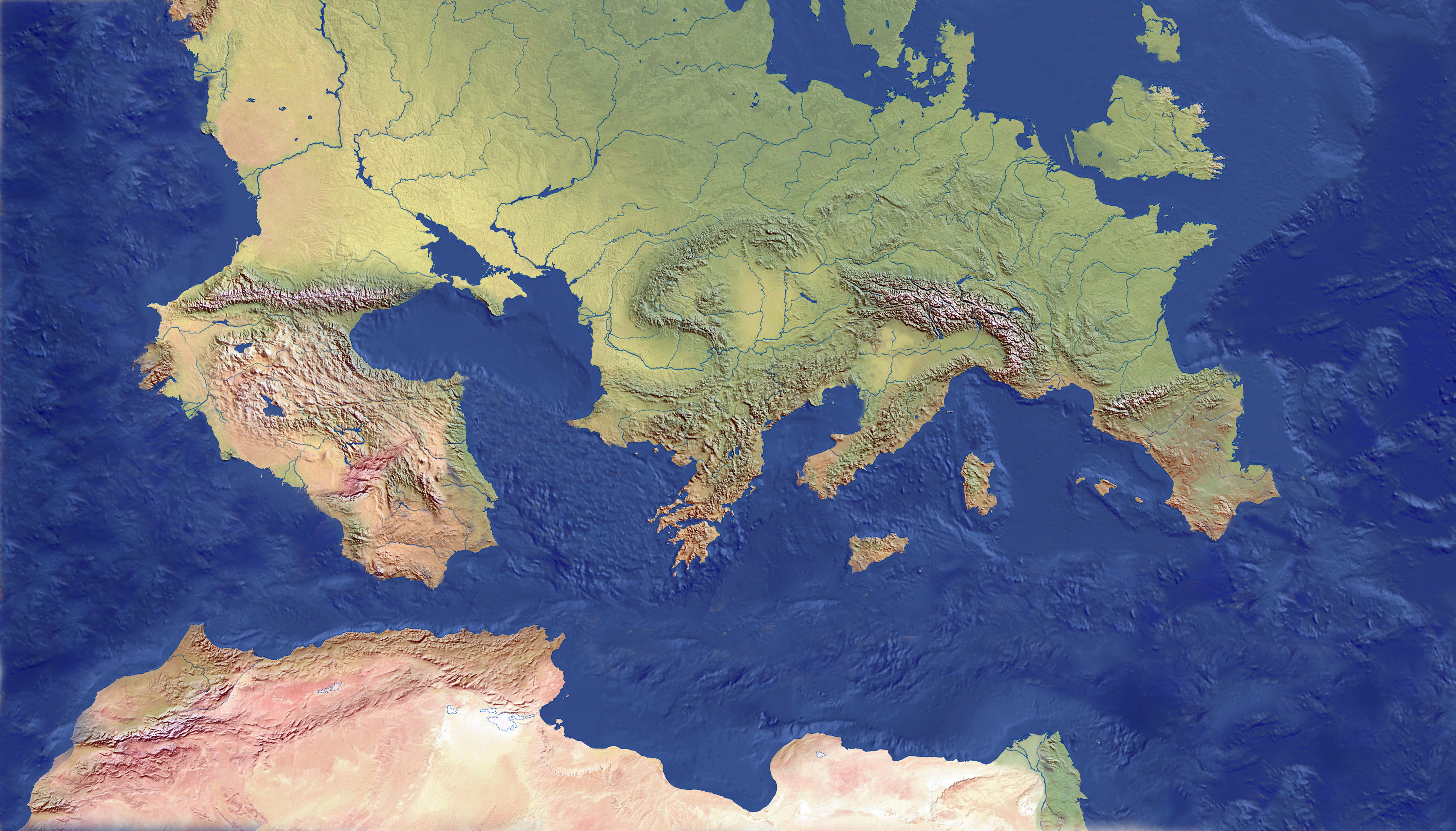
As long as you don’t try to sell your setting, any map you find is fair game. Here’s one I created from a real-world map. You can scale it however you want. Can the heroes cross this map east to west in 10 days or would it take months? It’s up to you and the size of hexes you want to put on it. However, I’d recommend 9-mile hexes due to the next suggestion….
Perilous Shores is a great resource for small-scale maps of 1-mile hexes. You can generate several of them for a larger continent you draw (just make the contours roughly match in those areas). Their default maps are about 18 hexes square, so each map represents four 9-mile hexes on your realm map. (And you can go bigger, if you want to use 36-mile hexes on your known-world map). That’s a great size for two or three adventures based around one city, like–in this case–Summercaster. You could serve up rumors about adventure and treasures to be had in the Broken Archive, the Sanctum of the Vampire, the Hold of Night, the Unholy Vault, or in the city of Alreason.
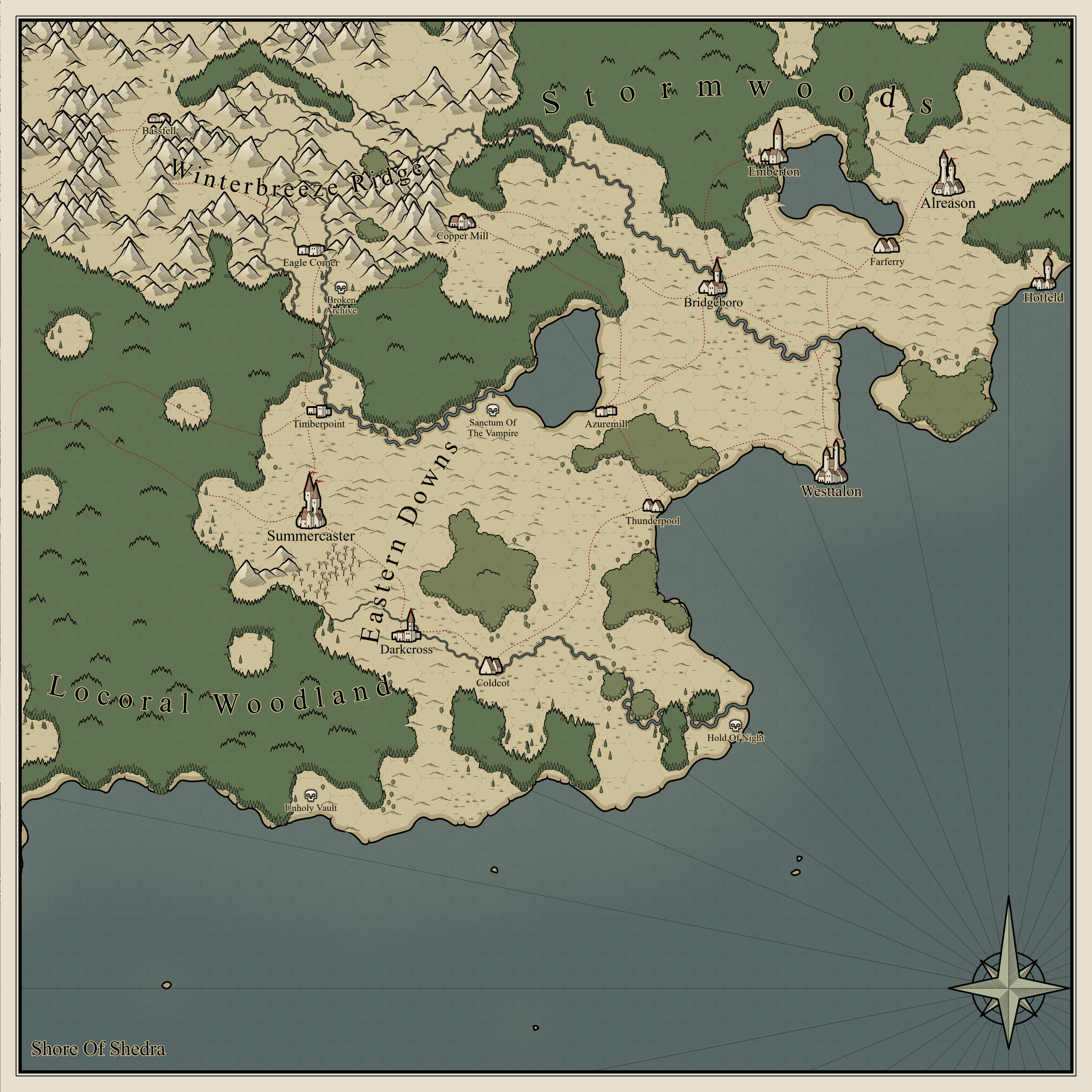
You can tell Perilous Shores what type of terrain the map should mostly be (woodland, wetland, highland, etc.) and whether to generate regular land or a coast, peninsula, island, etc. And you can even flip the map around if you need the ocean on the north instead of the south or whatever. That way, you can have a small-scale map for the heroes’ starting location and each location they visit.
You’ll never get Perilous Shores to make its maps match up edge-to-edge. Just use them as local maps around a city with at least a couple of day’s travel (one 36-mile hex) between them.
Keep in mind that the heroes get 18 travel points per day, and it costs 1 point to travel 1 mile on a good road, 2 to cross grassland or moor, 3 to cross forest, hills, or marsh, and 4 to cross mountains or swamp. A full day is 8 hours; each extra hour (if they have the daylight) gives them 2 more points but costs 1 hp per level in fatigue until they get a good night’s rest.
Make Use of Real Cultures
One of the best things you can do, regardless of what your map looks like, is to assign familiar, real-world cultures to various regions in your world. Decide that Tinconia is similar to Britain, Guaralle is similar to France, and Astilanta is similar to Italy. Then you can create cities and NPCs with British-, French-, and Italian-sounding names. You get free history and historical tensions and alliances between them, to whatever degree you want to carry them over. If you want to sometimes play out the Gothic horror atmosphere of The Curse of Strahd, Shadows Over Innestrad, or the Dungeons of Drakkenheim, you’ll need a small kingdom with that kind of culture.
By creating an analog for Egypt and the Serengeti, you now have places to put pyramids guarded by mummies and a place for lions and elephants. Your players may want to go there.
You can mash-up different cultures, such as making Italy and the Holy Roman Empire the same place. Or flavor the Egypt analog with Aztec culture, perhaps by putting it across an ocean and only recently discovered but still desert and merely a shadow of a long-extinct empire.
Don’t be slavish to the analogy. Maybe the Serengeti analog has knighthood and castles more or less like your other lands. Maybe the Britain analog features the fashion of wearing baggy trousers and boots with Persian-style turned-up toes.
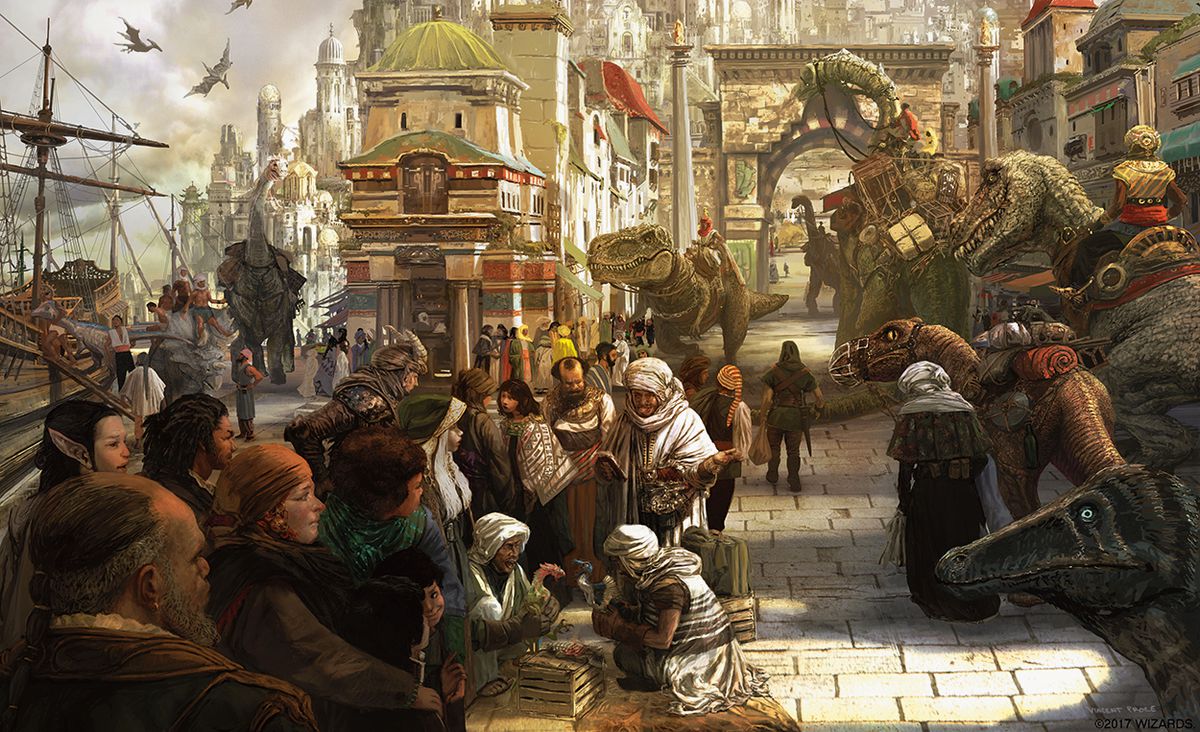
Doing this not only makes your world more interesting and more immediately clear to your players, but it encourages you to give the players reasons to travel to foreign lands to have more flavorful adventures. There, they can encounter monsters they wouldn’t find in their homeland. Put orcs in the hilly realm but gnolls in the plains, for example.
Create a Central Tension
A central tension, such as an evil overlord, is something that allows you to easily describe the nature of the campaign setting in terms of what is creating the kinds of problems that require adventurers. This gives the players something to latch onto when they think about the campaign or talk about it with others.
Does the Blood King rule this land, his minions causing trouble for even low-level adventurers? Or does he rule the neighboring land, creating a constant threat of invasion and espionage the heroes can uncover? Think about how many movies have used Nazis as the bad guys; who are the Nazis in your world?
Is there such tension between the humans and dwarves that skirmishes break out on the borderlands? Might the heroes get caught up among the factions? Might they broker a peace?
Does the sea dragon Heskiton scourge the coast, hiding in underwater caves between killing sprees? Or do numerous dragons plague the land? And does this throw the commonfolk into turmoil and embolden the hobgoblins and ogres who scavenge the leftovers and commit their own banditry?
Choose something you can ramp up from minor irritation to epic nemesis rather than something that is troublesome at low level but becomes trivial later.

Put Effort Where It Will Be Encountered
Keep in mind that people know a lot about their home town and a good bit about the nearest towns and cities, but just tidbits about other places near and far–including rulers. Put your effort into creating a nice, broad map of the realm and then a tight set of points of interest near your heroes’ starting point and scattered around the realms for them to visit. Rumors and evidence should provide reason for the heroes to travel to those distant locations to find the treasure they want, stop the faction they hate, and so on.
Want to tempt them to travel to the Towers of Incarnia? Let them find a partial map of the place with hints of the treasures still to be found there. Want them to fight giants in the Mountain Halls? Tell them of the magic weapon of a fallen warrior kept by them as a trophy. Let them choose. You don’t need to have every town and city fleshed out–just the locations they’ll likely go to. (But have a town and a city in your back pocket to drop in when they decide to stop off to gather their strength.)
 zarban.com
Leave a comment